Hepper is reader-supported. When you buy via links on our site, we may earn an affiliate commission at no cost to you. Learn more.
How Much Wet Food Do I Feed My Dog? Vet-Approved Feeding Chart


In this article
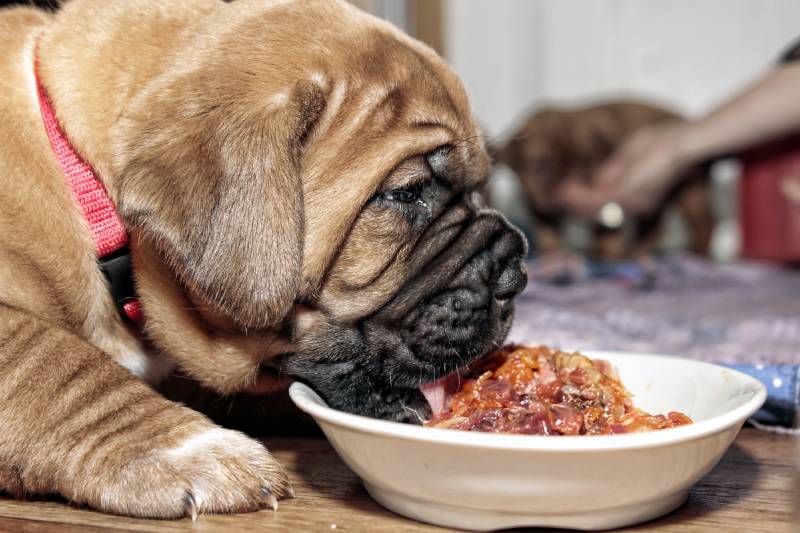
Many dogs do best on wet food. If your canine is picky, the moisture and smell of wet food may encourage them to eat more. Plus, wet food is usually tastier. The moisture may also help with certain health problems, especially if your dog has trouble staying hydrated.
Of course, the moisture in wet food is not a replacement for water, as dogs drink water to combat thirst just like us.
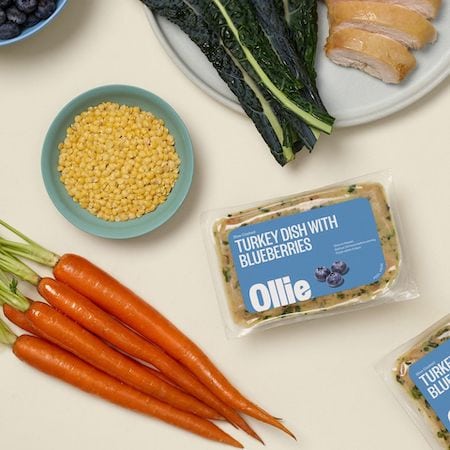
No matter whether you’re feeding exclusively wet food or only partially wet food, you’ll need to account for your canine’s weight. Furthermore, different foods contain different amounts of calories. Therefore, your dog may need less or more of certain recipes. We recommend looking at the directions on the can to determine how much to feed your dog.

Activity Levels
Feel free to adjust the amount of food based on your dog’s activity level. Very active dogs may need more, while very inactive dogs may need less. Keep an eye on your dog’s body condition to determine whether you need to increase or decrease the amount of food they’re eating.
If you’re combing wet and dry food, figuring out how much to feed can get a bit more complicated. However, the best thing to do is determine how much food you’d need to feed your dog completely with your chosen dry food and completely with your chosen wet food. Then, you can decrease it to fit whatever ratio you’re using.
For instance, if you’re feeding half wet food and half dry food, you’d reduce both amounts by half. Let’s say it’d take one can to feed your dog completely with your chosen wet food, and two cups to feed your dog with the chosen dry food. If you’re feeding 50/50, then you’d feed half a can of wet food and one cup of dry food. You can do this for any ratio.
However, 50/50 and 25/75 are typically the easiest.
Feeding Chart
While every type of canned food will have its own instructions, they generally have about the same calorie content. Here’s a quick feeding chart to help you figure out how much wet food to feed your canine.
Of course, always double-check with the back of the can to ensure this chart is accurate for your chosen food.
| Weight | Food Amount |
| 4 lbs | 2/3 of a can |
| 12 lbs | 1–1/3 of a can |
| 20 lbs | 2 cans |
| 35 lbs | 2–2/3 of a can |
| 50 lbs | 3–1/2 of a can |
| 75 lbs | 4–1/2 of a can |
| 100 lbs | 5–1/2 of a can |
Dog Calorie Calculator
Recommended Daily Calories
The exact amount of calories an individual animal needs to maintain a healthy weight is variable and influenced by many factors including genetics, age, breed, and activity level. This tool is meant to be used only as a guideline for healthy individuals and does not substitute veterinary advice
Is It Okay to Feed Dogs Wet Food Only?
Wet food provides balanced nutrition for your canine and is designed to be fed solely. Therefore, while many owners top kibble with wet food, you can also solely use wet food. There are several reasons why it may be the best choice to feed your dog wet food, as well.
1. Added Moisture
Wet food includes a lot more moisture than dry food. Therefore, it is best for canines that need some extra hydration. Most dogs do a pretty good job of maintaining hydration. However, some dogs may need extra help due to underlying health problems in the environment.
For instance, dogs with kidney issues may need extra hydration, as their kidneys have to work extra hard. If you think your dog may fall into this category, speak with your veterinarian.
2. Easier to Eat
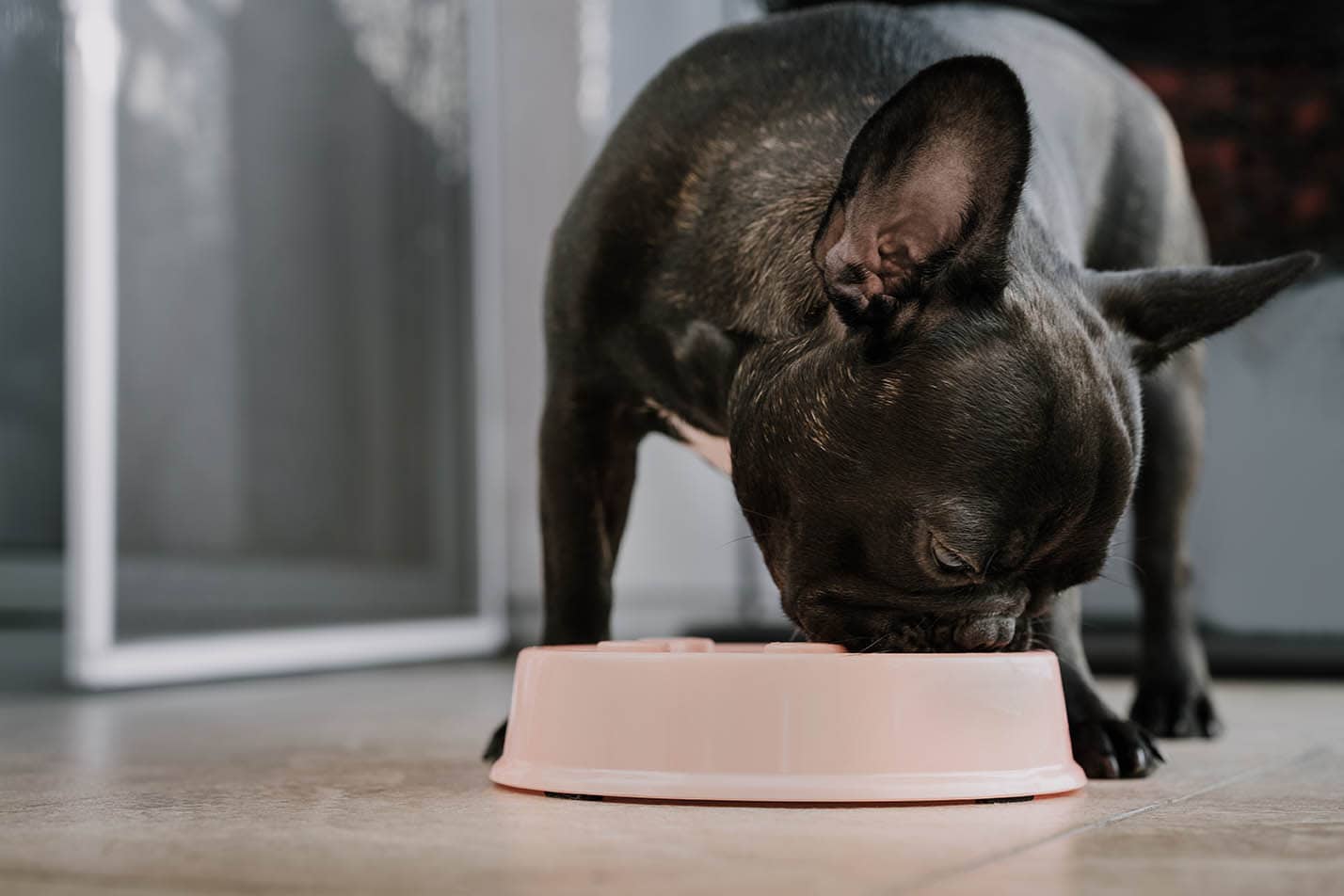
Wet dog food is easier to eat than dry dog food. It doesn’t require as much chewing and is much softer. Therefore, many dogs with dental problems do better on wet food. Older dogs and puppies may also do best on wet food for this reason. However, some puppies find that the crunchiness of dry food helps their teething pain more than wet food does.
Sometimes, you’ll need to experiment to find out if your dog prefers eating wet food or dry food.
3. Tastes Better
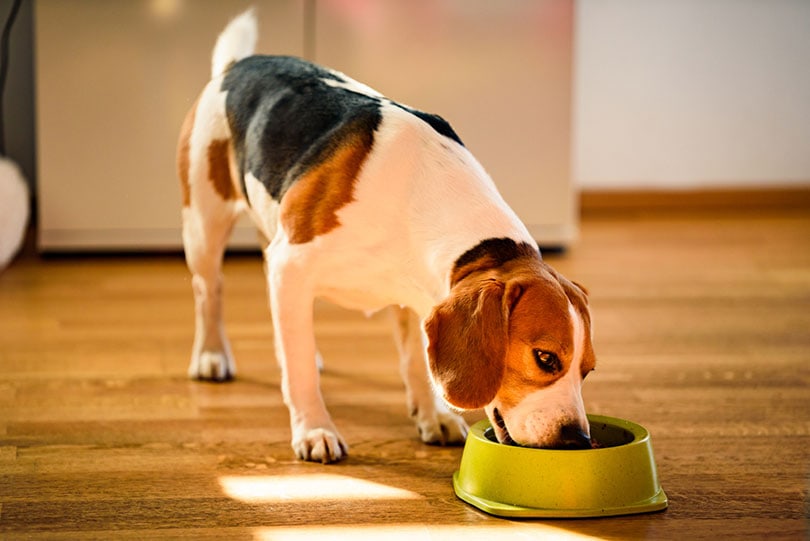
Wet food contains more moisture and is, therefore, tastier for most dogs. Plus, it smells more strongly, which can also help with the taste. Wet foods also tend to be higher in meat. Therefore, they may taste better for this reason, as well.
If your dog is picky, getting them to eat can be vital. If your dog falls into this category, we highly recommend considering using wet food.
4. Higher Meat Content
Wet dog food tends to have a higher meat content. Therefore, it tends to contain more protein and fewer carbohydrates. For this reason, wet dog food is often more nutritional than dry dog food, which is the main reason many dog owners decide to feed it to their puppy.
However, this isn’t always the case. You should still read ingredient lists to be sure or consult a vet for more information.

How Much Wet Food Equals Dry Food?
There is not an exact comparison between wet food and dry food. Different formulas will contain different amounts of calories. Therefore, we highly recommend being cautious about using a simple formula to switch out your dog’s dry food for wet food. Instead, we recommend following the directions on the back of the can.
Of course, you may have to adjust the amount you feed your dog based on their activity level. However, for the most part, the feeding directions should provide you with a pretty good idea of how much to feed your canine.
With that said, two cans of food typically equal a cup of dog food. Because wet food contains so much moisture, you have to feed your dog a lot more of it and you have to use more wet food than you would dry food. However, this is great for dogs that are overweight or obese, as it means that they feel fuller on less.
Of course, this factor is also one of the reasons that wet food tends to be more expensive. You simply have to feed more, which increases the overall price that you pay.

Can I Feed My Dog Wet Food Every Day?
Yes. You can safely feed your dog wet food every day. It provides complete nutrition, so it meets all of your dog’s nutritional needs. Plus, many dogs do best when they stick to one type of pet food. Therefore, if you want to feed your dog wet food, we recommend feeding only wet food—unless you need to cut costs.
Conclusion
Wet food isn’t nearly as popular as kibble. However, it can provide dogs with a complete diet and extra moisture. Some dogs with health problems benefit immensely from wet food for this reason. Plus, it is also easier to eat and usually contains more meat.
However, your dog will usually need more wet food than dry food. Wet food contains a lot of moisture content and you have to feed more for your dog to meet their nutritional needs.
Sources
Featured Image Credit: dmytro Zinkevych, Shutterstock
Get Hepper In Your Inbox


Pet care tips from our vets and experts, straight to your inbox.
You may opt-out at any time. View our Privacy Policy for more information.
Kristin is passionate about helping pet parents create a fulfilling life with their pets by informing them on the latest scientific research and helping them choose the best products for their pets. She currently resides in Tennessee with four dogs, three cats, two fish, and a lizard, though she has dreams of owning chickens one-day!
Join the conversation
Ask a question, share your story, or send private feedback.