Hepper is reader-supported. When you buy via links on our site, we may earn an affiliate commission at no cost to you. Learn more.
Can Dogs Eat Coconut Ice Cream? Vet Approved Facts & Risks



In this article
If you’re considering a vegan or dairy-free diet, you might worry about giving up favorite foods such as ice cream. Fortunately, many dairy-free ice creams are on the market, including some made from coconut milk. However, it is not a good idea for dogs to eat coconut ice cream, as it is not healthy for them, and could even contain toxic ingredients.
Keep reading to learn why you should avoid sharing coconut ice cream with your dog, and which alternative frozen treats they may enjoy.

The Problem with Coconut Ice Cream for Dogs
Toxic Ingredients
One concern with feeding your dog coconut ice cream is the potential presence of toxic ingredients. For example, coconut ice cream may contain chocolate chips or chocolate flavoring. As you probably know, chocolate is toxic to dogs, and eating too much can be life-threatening.
Some coconut ice cream may also contain the sweetener xylitol, commonly found in sugar-free food and gum. Xylitol is toxic to dogs; it causes a dangerous drop in blood sugar, and in large amounts, it can lead to liver damage.

High in Fat
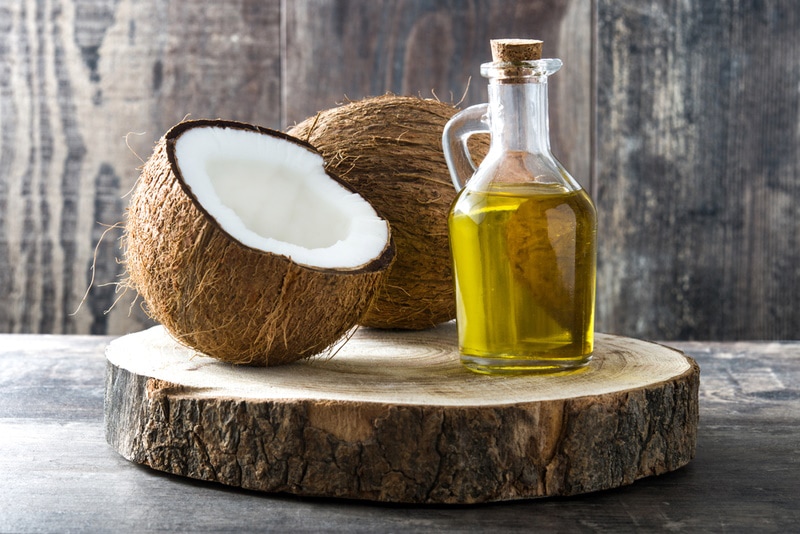
While coconut meat can be a tasty snack for your dog and coconut oil provides skin and coat benefits, coconut milk is a different story. Coconut ice cream is generally made from coconut milk and sometimes blended with another non-dairy milk. In general, dogs should not drink coconut milk or products made from it due to its high-fat content.
Consuming too much fat can cause dogs to gain weight, just like people. High-fat foods can also trigger a painful medical condition called pancreatitis. Some breeds are at higher risk of developing the condition, but it can impact any dog. Dogs with a history of pancreatitis should be especially cautious about eating fatty foods, including coconut ice cream.
Alternative Frozen Treats for Your Dog
If you want to help your dog cool off, there are healthier alternatives than coconut ice cream.
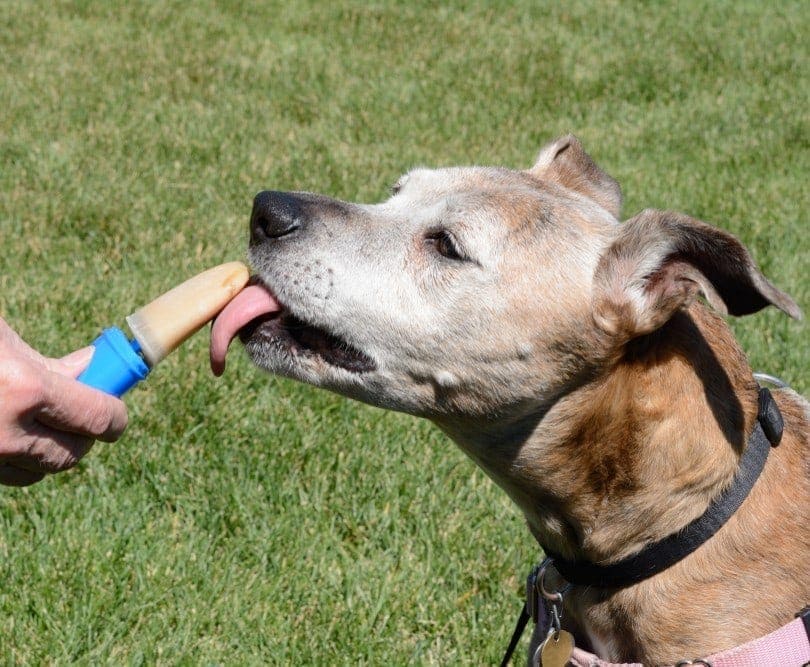
You can try offering your dog ice to lick or chew. It could be made of water or a tastier liquid, such as no-salt chicken broth. Remember that chewing large ice cubes could damage your dog’s teeth or pose a choking hazard. Consider shavings or small cubes instead.
If you would really like to treat your pooch to an ice cream treat, there are several companies that make ice cream specifically for dogs! But be careful with portion sizes.
Another option is to make your dog a frozen smoothie from safe fruits and vegetables, such as berries, bananas, and cucumbers. Use caution about adding yogurt or other dairy products to the smoothie; most dogs don’t have the proper enzymes to digest lactose. Eating dairy products too often can cause digestive issues. The best type of yogurt to use is low fat, plain Greek yogurt.
How Many Treats Should Your Dog Eat?
No matter how healthy, no treat contains all the nutrients your dog needs to stay healthy. Most of your dog’s daily calories should come from a nutritionally balanced, canine-specific diet. Commercial dog food must contain minimum levels of all the necessary nutrients your dog needs to thrive.
If you want to offer your dog treats of any type, limit them to no more than 10% of the total daily calories. The number of calories your dog should eat daily varies by size, age, and activity level. Your vet can help you figure out the recommended amount.
You can adjust your dog’s daily food totals to allow for any treats you want to offer. In addition to commercial treats, you can offer safe human foods such as:
- Green beans
- Carrots
- Berries
- Cooked meat
- Cooked eggs
- Whole grains like brown rice

Conclusion
While coconut ice cream may seem like a good alternative for dogs that struggle to digest dairy products, it is not a healthy option. High-fat coconut milk products like ice cream can cause complications like pancreatitis and obesity. It’s best to feed your dog a balanced diet and consider more nutritious options for treats or frozen goodies.
Related Reads:
Get Hepper In Your Inbox


Pet care tips from our vets and experts, straight to your inbox.
You may opt-out at any time. View our Privacy Policy for more information.
A lifelong lover of all creatures great and small, Elizabeth got her first cat at 5 years old and at 14, she started working for her local veterinarian. After spending more than 20 years working as a veterinary nurse, Elizabeth decided to step away to become a stay-at-home parent to her daughter. Now, she is excited to share her knowledge with our pet parents. Elizabeth lives in Iowa with her family, including her two fur kids, Linnard, a husky mix and Algernon, the worldʻs most patient cat. When not writing, she enjoys reading, watching soccer, and spending time outdoors with her family.
Join the conversation
Ask a question, share your story, or send private feedback.