Hepper is reader-supported. When you buy via links on our site, we may earn an affiliate commission at no cost to you. Learn more.
Can Dogs Drink Soy Milk? Is Soy Milk Safe for Dogs?
In this article
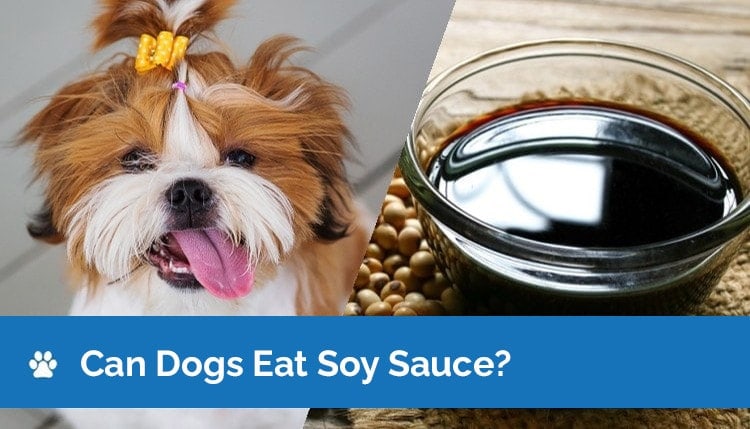
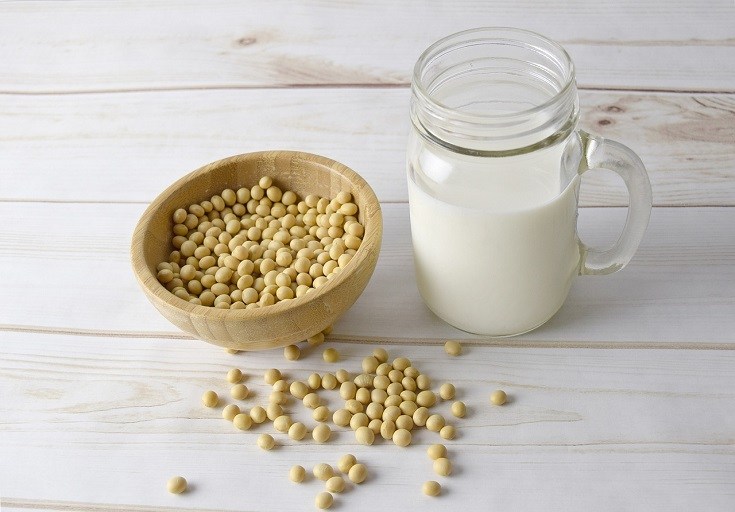
Ah, the ever-debatable soy plant for dog health—is it good for them? Is it bad? Well, the answer here is that most healthy, allergy-free dogs can enjoy soy milk with no problem — in moderation. However, while soy milk is non-toxic, every dog has risks of food sensitivities. Some dogs, just like humans, process soy differently in their system. So, while one dog may drink it with no real side effects, another may have irritating consequences.
Apart from the potential of allergies, soy milk has a lot to offer, like vitamins, minerals, and protein. Ultimately, it will be up to pet parents to let dogs try out a taste.

Soy Milk for Dog Health
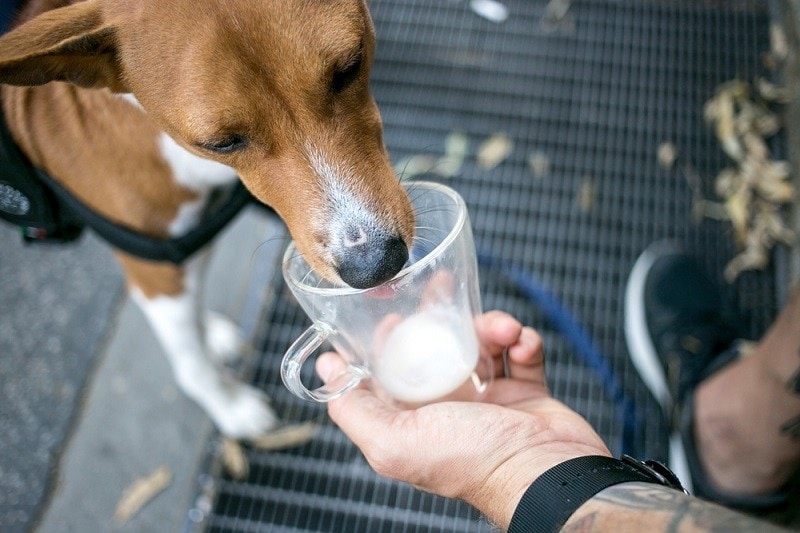
The majority of dogs (who aren’t allergic) can handle a bit of soy milk and even enjoy it! After all, it contains no lactose like cow’s milk. If your dog likes the taste, offering them a fresh serving here and there won’t hurt them at all. In fact, soy milk comes with a fair share of nutritional value.
In addition to soy milk, your pup can also enjoy other soy-based goods like yogurt and tofu. With these choices, you should go light on that, too. But these foods in moderation are safe—even beneficial—for most canines.
Soy Is a Terrific Source of:
But when it comes to soy milk, it has a few other ingredients that may not be the healthiest for your pup.
Types of Soy Milk
There are different blends of soy milk to choose from. First, the label “sweetened” or “unsweetened” will be on each container. Sweetened blends contain cane sugar, artificial sweetener, or fructose. Unsweetened formulas leave out the extra sugar, but it may be less appealing for your dog.
Sweetened soy milk can have some downfalls, like aiding in tooth decay and causing weight gain. If your dog loves the sweetened version and turns their nose up to unsweetened versions, make sure to limit their intake.
Common soy milk flavors are chocolate or vanilla. Chocolate is highly toxic to dogs, and you should never give it to them—no matter how much they beg you with their puppy dog eyes.
Why Your Dog Should Go Light on Soy Milk
Soy milk is just that—a derivative of the plant itself. If dogs have a bad reaction to this ingredient in dog food, the same goes for the milk. Soy milk has a lot of fat, and it’s pretty high in calories. In a single serving of soy milk, the average caloric value is 130 calories, leading to quick weight gain if you offer it a lot.
Also, be very mindful of the ingredients. Some soy milk contains a component called xylitol, which is an artificial sweetener that is toxic to dogs.
It can cause extremely adverse reactions if they ingest it, even in small amounts. Side effects include:
So, if you choose to let your dog sip on soy, do a quick sweep of the ingredient label to make sure it’s safe.
Soy Allergies in Dogs
Sometimes, it can take a while to detect a food allergy. Often it’s because food allergies trigger mild symptoms that can go unnoticed for some time. You may see your dog scratching more than usual and not think much about it at first.
But if skin changes are significant, you may want to pay attention to what else is going on with them. The protein in soy products causes an adverse reaction, like hypersensitivity to the ingredient. When they ingest soy, especially over long periods, they can have chronic problems.
When soy is broken down into smaller particles during processing, the body may not recognize it. In turn, your dog’s system tries to combat the food, resulting in unwanted reactions.
Typical symptoms due to soy allergies include:
If you notice your dog is acting differently or showing visible irritation, they may suffer. If they do, you should steer clear of soy products altogether—including soy milk. Even in small doses, it irritates sensitive pooches.
Soy Milk and Dogs: Final Thoughts
For most happy, health, allergy-free pups, they can enjoy a few refreshing gulps of soy milk from time to time. Just remember the risk of allergies and watch out for any signs of irritation. Try to steer clear of sweetened milk if you can so your dog doesn’t pack on the pounds. Also, chocolate soy milk is a no-no!
If you keep these factors in mind, your pooch can indulge on special occasions without significant health concerns. Cheers!
Related Reads:
Featured Image Credit: rawpixel.com, Pxhere
Get Hepper In Your Inbox


Pet care tips from our vets and experts, straight to your inbox.
You may opt-out at any time. View our Privacy Policy for more information.

Nicole is a lover of animals of all sizes but is especially fascinated with the feline variety. She’s the proud mom of Baby, a Burmese, and works every day so he can relax in the sunshine or by the fire. She’s always had a cat in her home and has spent countless days with others, observing behaviors and softening up even the grouchiest of the lot. Nicole wants to share her kitty expertise with you so you and your cat can live happy, healthy, and care-free.
Join the conversation
Ask a question, share your story, or send private feedback.