Hepper is reader-supported. When you buy via links on our site, we may earn an affiliate commission at no cost to you. Learn more.
Are Human Vitamins Dangerous for Dogs? Vet Reviewed Facts & FAQ


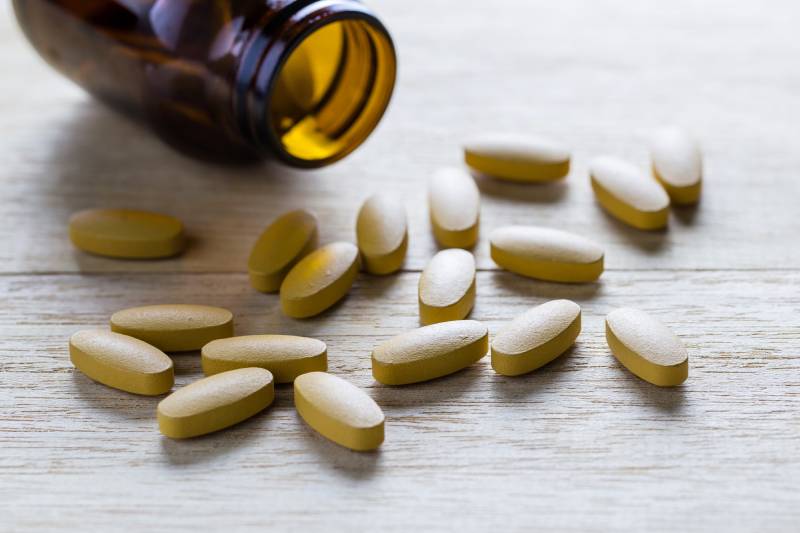
If you’re like many adult Americans, the chances are you take a multivitamin or vitamin supplement. Doctors sometimes caution against it because of the risk of overdosing on certain nutrients. Besides, if you eat a healthy diet, you generally don’t need to take anything extra. The same advice applies to your dog.
Even though canines share 84% of our DNA, that doesn’t mean our pets can eat the same things we do.1 Chocolate and raisins are classic examples supporting this fact. If your vet has prescribed dietary supplements for your dog, don’t pull anything out of your medicine cabinet. Human vitamins are not suitable for your pup and can be dangerous.

What Are Human Vitamins?
Vitamins and dietary supplements are big businesses in the United States, with sales reaching roughly $39.8 billion annually between 2018 and 2022. People usually take vitamins to make up for deficiencies in their diet
You can find vitamins sold as complete multivitamins, single nutrients, and complexes for specific needs. Manufacturers typically recommend storing them in a cool, dry place that is out of reach for children and pets. That’s especially true for flavored products, like gummies.
How Are Vitamins Given to Pets?
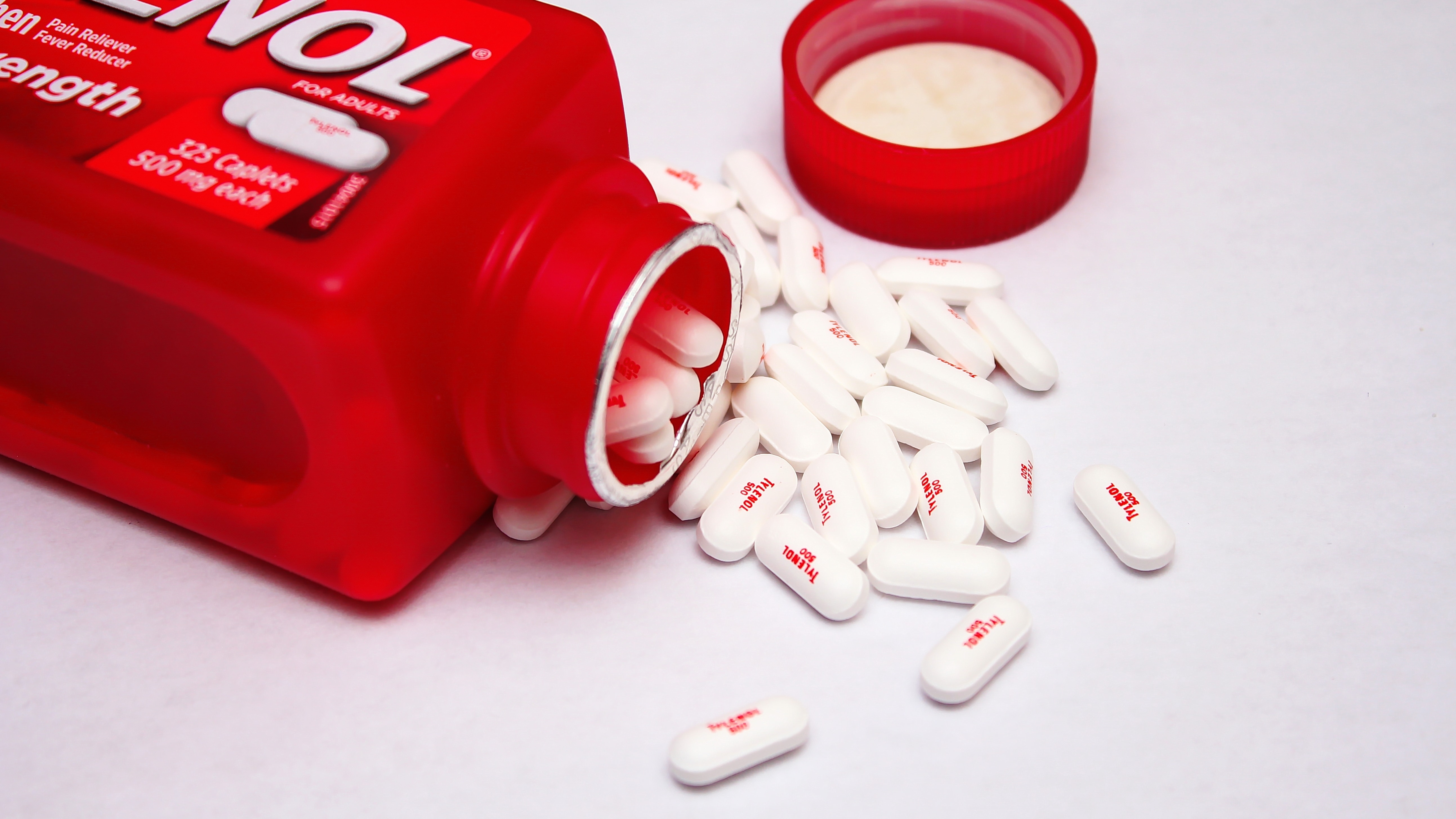
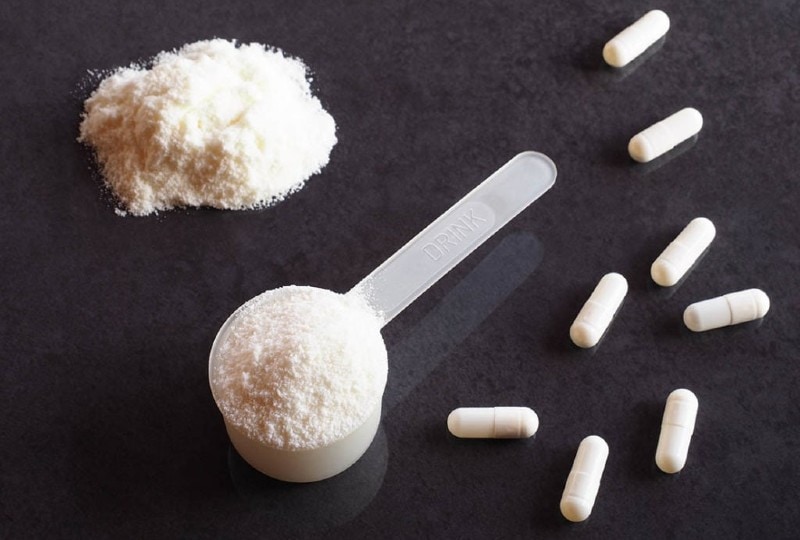
Human vitamins come in just about any form, from tablets to capsules to liquid. The same applies to pet vitamins. Powders or liquids that you can add to your dog’s food are more convenient than trying to get your pup to swallow a pill for most pet guardians.
Vitamins include a suggested serving size. It may involve one or more doses. Manufacturers often split the amount if it’s a relatively large dose or to reduce the chances of an upset stomach. The latter is one reason why many product labels include instructions to take them with food. The same cautions apply to dogs with pet vitamins.
What Happens if Your Pet Misses a Dose?
You should only be giving vitamins to your dog if your vet recommends it. Even then, you must ensure that they are given vitamins for pets specifically and not humans. Most times, dogs are getting all the essential vitamins and nutrients they need from a complete and balanced commercial diet.
However, if your vet has prescribed vitamins for your pet, you don’t need to worry much about missing a dose. If you miss a dose, give your pet the medication as soon as possible. However, if it is closer to the normal time that you administer them, skip the dose and proceed to a normal schedule. If you ever have any concerns, be sure to call your vet’s office and ask for instructions.
Potential Side Effects of Human Vitamins
Human vitamins are inappropriate for pets for several reasons, starting with the dosage. For example, dogs need only 379 Rg/d (retinol equivalents) of vitamin A daily. Adult males should get 625 Rg/d. Canine and human dietary needs differ. While dogs can synthesize vitamin C in their livers, we cannot and must include foods in our diet to meet the RDA.
Vitamin D3 is particularly toxic to dogs. However, the signs often vary, depending on the nutrient and dose. Signs of excessive ingestion include:
Excessive vitamin D3 can also cause rapid heart rate and fatigue. Vitamin A can lead to tremors, lameness, and even death. It’s worth noting that many vitamins include other ingredients, such as minerals and herbal supplements. Some are equally as potentially dangerous for your pup, including iron and alpha lipoic acid.

Frequently Asked Questions (FAQs)
What Vitamins Are Particularly Dangerous for Dogs?
The fat-soluble vitamins are especially harmful since they can build up in your dog’s body. However, vitamin C can also cause unintended consequences if given too much. The risk exists that it may bind with calcium and form oxalate crystals. These compounds can lead to urinary stones and more serious side effects.
Can’t I Just Cut a Vitamin in Half to Make It Safe for My Pet?
Cutting a pill in half doesn’t make it any safer for your dog. You can’t be sure of the concentration of the nutrients in either half. It may also make it more likely to cause stomach distress by exposing the contents of the vitamin to your pup’s mucous membranes in its mouth.
What Is the Treatment for Accidental Ingestion?
It really depends on what and how many your dog ate. If a single vitamin tablet has been eaten it is unlikely to cause a problem. If they have eaten a whole tub then treatment may be needed. Contact your veterinarian for guidance. Additional support may be necessary, depending on your pup’s symptoms.
Conclusion
A dog fed a commercial diet probably won’t need extra vitamins. However, sometimes it is appropriate, such as for pets with particular illnesses. You should never give your pup human vitamins unless under the instructions and supervision of your vet. Many products may contain other toxic ingredients and nutrients in dosages unsafe for your pet.
Sources
Featured Image Credit: NT_Studio, Shutterstock
Get Hepper In Your Inbox


Pet care tips from our vets and experts, straight to your inbox.
You may opt-out at any time. View our Privacy Policy for more information.
Chris is an experienced pet writer specializing in science topics, with a particular passion for health and the environment. She has been a writer for over 15 years and lives with her husband and three cats in Michigan.
Beyond writing about cats and dogs, Chris loves to learn about wine. She has WSET 1 and 2 certifications and is currently pursuing her Certified Wine Specialist Award (CSW).
Join the conversation
Ask a question, share your story, or send private feedback.