Hepper is reader-supported. When you buy via links on our site, we may earn an affiliate commission at no cost to you. Learn more.
Can Dogs Eat Bell Peppers? Red, Yellow, or Green (Vet-Verified)


In this article
If you’re a dog owner, you probably already know that dogs will eat just about anything. If food drops on the floor, your dog is likely to be right there and ready to pick it up. But not everything we eat as humans is good for dogs.
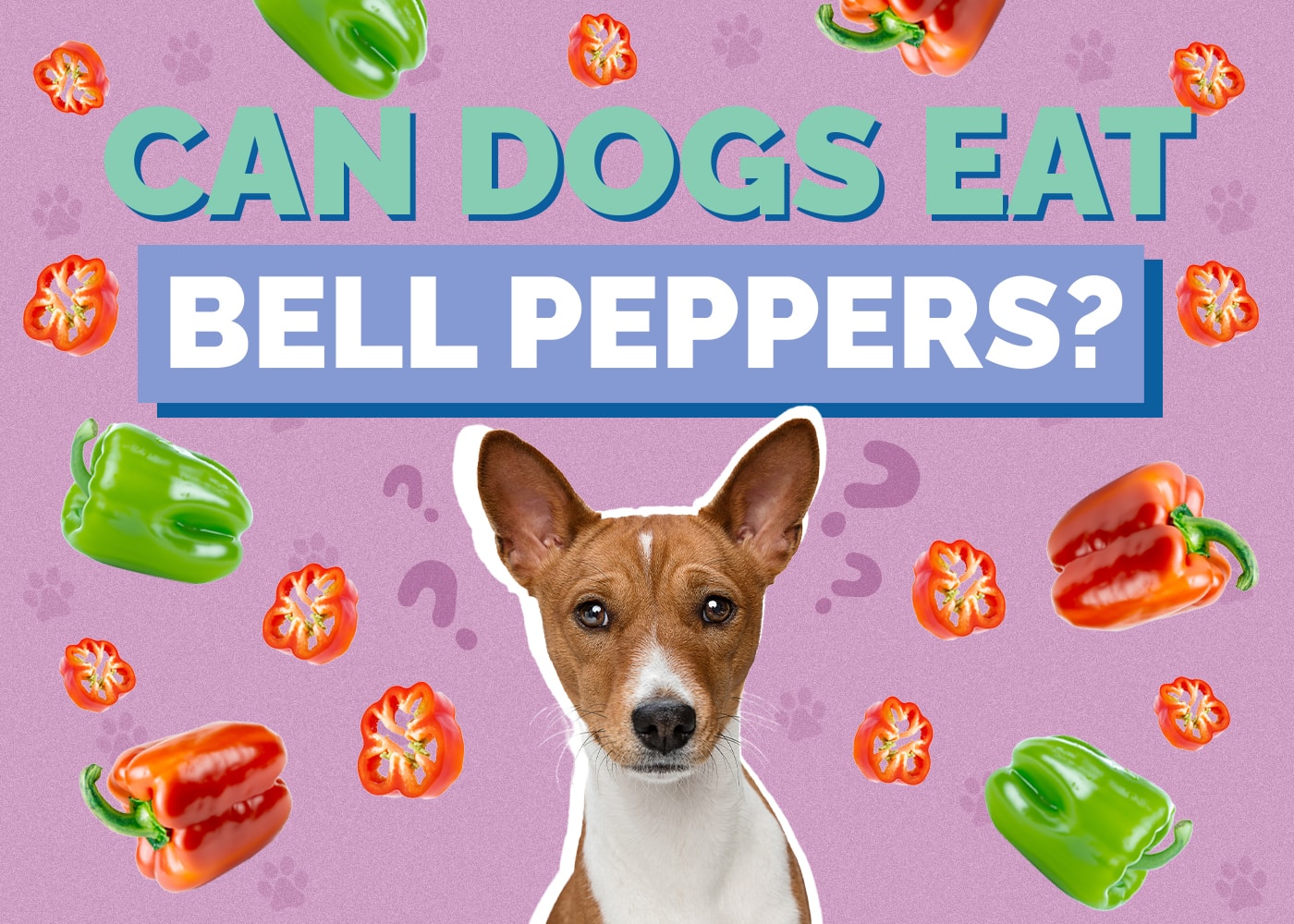
Even some of the healthy foods that us humans eat aren’t safe for dogs to eat, such as onions and garlic. So, are bell peppers safe for dogs? We’ve done the research and have found that sweet bell peppers of all colors are safe to feed dogs, albeit with exceptions. Here’s what you need to know.

The Health Benefits of Bell Peppers for Dogs
Dogs can benefit from the vitamins, minerals, phytonutrients, and antioxidants in bell peppers. Sweet peppers also contain essential nutrients, such as vitamins A, B6, and C, and beta carotene.
These nutrients are known to help keep a dog’s immune system strong and can improve the health of their nails, teeth, and coat.1 Bell peppers are not a replacement for balanced commercial diets, but they can be a low-calorie source of supplemental nutrients when fed in moderation. Sweet bell peppers of all colors have nutritional benefits, but the red ones are powerhouses of nutrition that owners should consider feeding themselves and their dogs above other color options.
Red peppers have been on the vine longer than green, yellow, or orange peppers, which means they have more time to absorb nutrients from their environment. But don’t let color dictate whether to share a few slices of bell pepper with your dog. They all contain fiber, water, and nutrients that your dog will benefit from overall.

The Exceptions to Keep in Mind
Sweet bell peppers and red peppers are safe for dogs to eat. But the same can’t necessarily be said for spicy peppers. Dogs can eat a little bit of a spicy pepper without experiencing any side effects. But spicy peppers contain a compound called capsaicin that can irritate a dog’s digestive system. If a dog eats too much of a spicy pepper, they may experience signs like diarrhea, indigestion, and dehydration. Some dogs may also paw at their face or show signs of oral discomfort because capsaicin can irritate the eyes and mouth. Therefore, it’s a good idea to stick with the sweet stuff and avoid feeding your dog any spicy peppers.
Bell pepper skins can also be tough for dogs to digest. Feeding them just a slice or two shouldn’t cause any problems. But if you plan to add half a bell pepper to your dog’s food, consider steaming the pepper first. This will soften the skin up and make the food easier for your dog to digest overall. Be sure to remove the stem, core, and seeds before feeding bell pepper to your dog, as these tougher parts are harder to digest and may cause mild stomach upset or pose a small choking risk for toy breeds. You should never feed your dog any peppers that have been cooked with garlic, onions, or spices, so keep the fajitas to yourself and focus on plain peppers for your dog. Avoid peppers cooked in oils or high-fat sauces as well, since excessive fat can trigger gastrointestinal upset or, in susceptible dogs, pancreatitis.

Serving Suggestions
Many dogs will happily eat bell pepper raw, but some aren’t so keen on the idea. If you’re trying to feed your dog bell pepper to improve their health and replace less healthy treats, you may have to try a few different serving ideas before you find one that your dog actually enjoys:
Steaming is the best way to soften bell peppers for dogs because it gently breaks down the skin without reducing nutrients or adding fat. Plain baking at a low temperature is another safe option, as long as no oils, seasonings, or browned edges are introduced.
Your dog may even have a color preference when it comes to bell peppers. After all, they do have slightly different textures and flavors. So, give every color a try and see which your pooch seems to like the best.

Final Thoughts
We think bell peppers are awesome! They’re tasty and full of nutrition and add tons of lively color to any dish. But your dog may or may not feel the same way. The best way to know whether bell peppers are right for your dog’s diet is to start offering them in small amounts. They’ll either take to it right away or after a few feeding attempts, or they’ll simply decline every offer you make them.
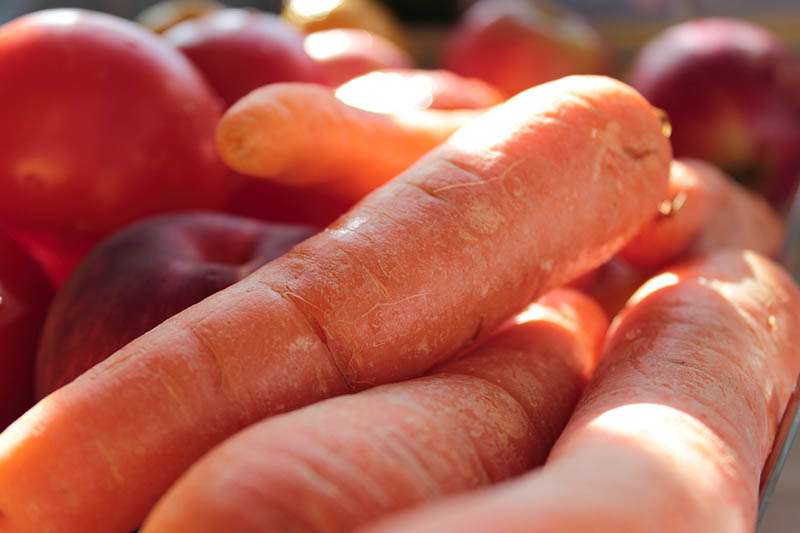
Let your dog decide for themselves whether to eat bell peppers! There are many other low-calorie and high-nutrient snacks that you can offer your dog instead, such as carrots and bananas. Always introduce new foods gradually and monitor for any signs of digestive upset, especially in dogs with sensitive stomachs or underlying health conditions. What do you think about feeding bell peppers to dogs? Let us know your opinion below.
Related Reads:
Sources
Featured Image Credit: Pickpik
Get Hepper In Your Inbox


Pet care tips from our vets and experts, straight to your inbox.
You may opt-out at any time. View our Privacy Policy for more information.
Nicole is a lover of animals of all sizes but is especially fascinated with the feline variety. She’s the proud mom of Baby, a Burmese, and works every day so he can relax in the sunshine or by the fire. She’s always had a cat in her home and has spent countless days with others, observing behaviors and softening up even the grouchiest of the lot. Nicole wants to share her kitty expertise with you so you and your cat can live happy, healthy, and care-free.
Join the conversation
Ask a question, share your story, or send private feedback.