Hepper is reader-supported. When you buy via links on our site, we may earn an affiliate commission at no cost to you. Learn more.
Can Dogs Eat Golden Berries? Vet Approved Health Concerns Reviewed



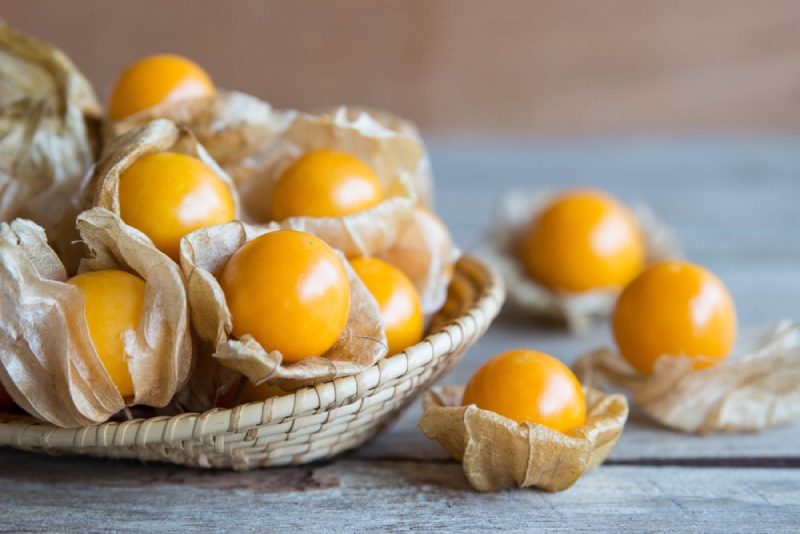
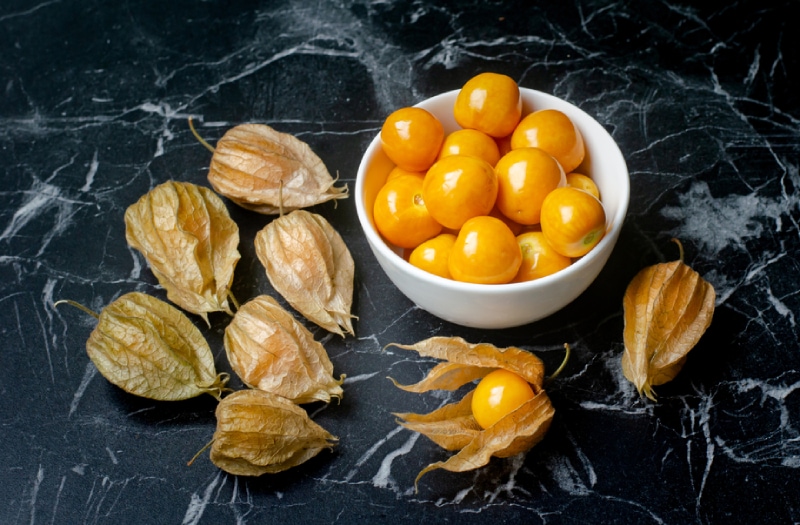
Golden berries—also known by various names including Cape gooseberries, husk cherries, and Peruvian groundcherries—are small, yellow-orange fruits wrapped in thin husks with a paper-like texture. These little berries are bursting with nutrients, but are they safe for dogs to eat? In short, fully ripened golden berries without any husks stems, or leaves are okay for dogs as long as they don’t eat too many.
However, the full answer is a little more complex, and there are risks involved in feeding golden berries to dogs, so read on to find out more about why it’s important to exercise caution.

Are Golden Berries Harmful to Dogs?
If you only feed your dog a few fresh, washed, fully ripe golden berries without the husks, this is fine. However, unripened golden berries are not safe for dogs because they contain a toxic compound called solanine, which is present in foods from the nightshade family, including tomatoes and potatoes.
Signs of solanine toxicity include diarrhea, vomiting, hypersalivation, weakness, loss of appetite, pupil dilation, confusion, and a slow heart rate.
Furthermore, the parts of the plant that golden berries grow on, including the stems, flowers, and leaves, as well as the thin husks that surround the berries, are also toxic, so all of these must be removed before your dog eats golden berries. Ripe golden berries will be fully yellow-orange and won’t have any green areas.
One more thing to take into account is that golden berries can present a choking hazard, so consider cutting them into smaller pieces to reduce this risk.
How Many Golden Berries Can Dogs Eat?
Golden berries are a source of carotenoids, vitamin C, vitamin A, vitamin K, and vitamin E among other nutrients. That said, dogs shouldn’t eat too many of them, as too much of any kind of fruit can cause an upset stomach. In addition, fruit contains sugar, which can cause dogs to gain weight if they eat too much of it.
If you do decide to offer your dog ripe golden berries, it’s best to stick to feeding just a few (in fresh form only) as a treat. The same goes for any type of fruit you offer. As a general rule, up to 10% of your dog’s diet can consist of treats. The other 90% should consist of a complete, balanced food formula.
Which Fruits Can Dogs Eat?
Several fruits are safe for dogs, including various berries, and several fruits are good sources of vitamins (like vitamin C) and antioxidants that could benefit your dog.
That said, precautions should always be taken, like removing seeds, pits, stones, leaves, and rinds to prevent choking or toxicity. Moreover, fruit should always be cut up into appropriately-sized pieces for your dog to safely swallow.
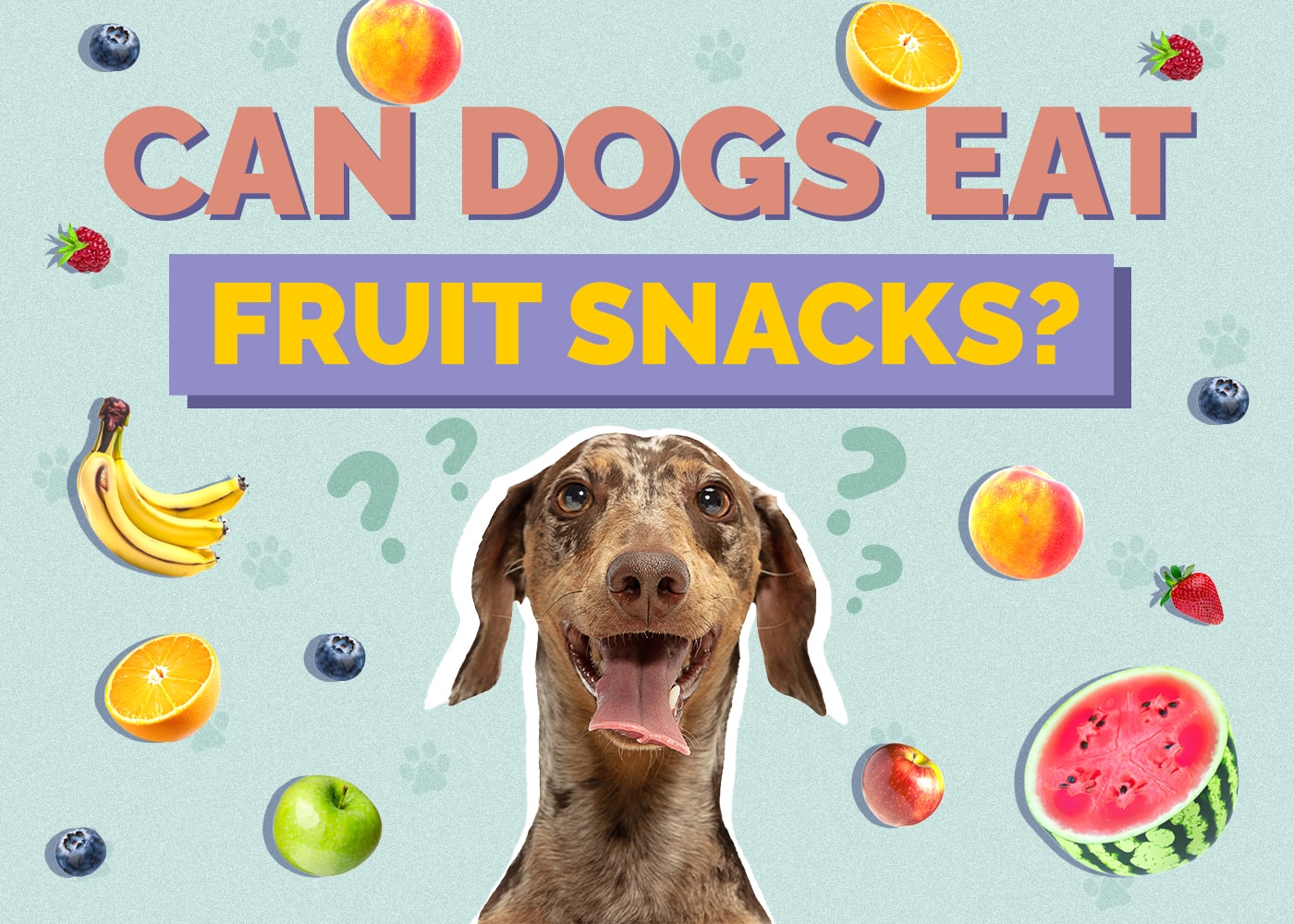
Finally, bear in mind that some fruits contain compounds that are toxic in large amounts. One example is raspberries, which contain xylitol. This is another reason why you should always limit the amount of fruit your dog eats. If these precautions are taken, the following fruits make good snacks for dogs:
- Bananas
- Blueberries
- Strawberries
- Cranberries
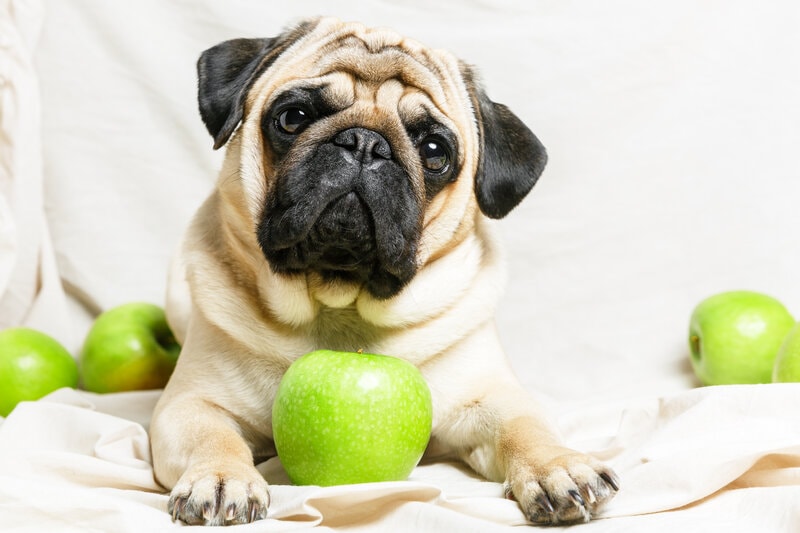
- Apples
- Watermelon
- Blackberries
- Raspberries
- Cantaloupe
- Mango
- Honeydew
- Peaches
- Pineapple
Unsafe Fruits for Dogs
Some fruits are unsafe for dogs due to the presence of toxic compounds. These include:
- Cherries (the flesh is okay, but the pits contain cyanide, as do the leaves and stems)
- Unripe tomatoes (the tomato plant’s stems and leaves are also toxic)
- Avocado (these contain persin and are high in fat)
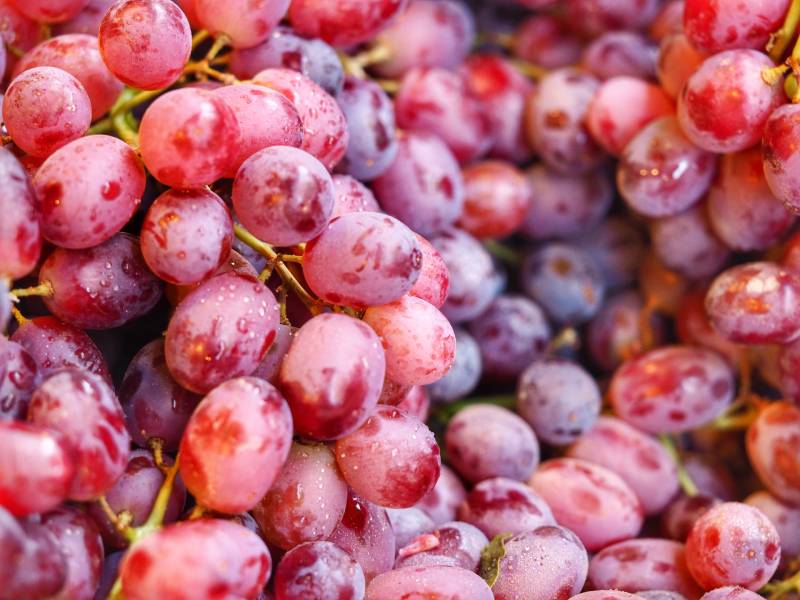
- Grapes and raisins (these can cause kidney failure in dogs)
What Does a Healthy Dog’s Diet Look Like?
Dogs are omnivorous animals, meaning they can eat both meat and plant matter. They require six essential nutrients at appropriate levels: proteins, fats, minerals, vitamins, carbohydrates, and, of course, water.
High-quality commercial dog food brands formulate complete and balanced recipes that offer all the nutrients dogs need, meaning you don’t need to supplement their diet with other foods (like fruits and vegetables) unless you want to offer them as occasional treats. Many brands include a selection of fruits and vegetables in their recipes.
Every dog has different dietary needs, and these depend on various factors like flavor preferences, age, and your dog’s health status. For example, a puppy should eat dog food made for puppies because this is specially formulated to meet their developmental needs. Another example: If your dog has a specific health issue, like kidney problems, your vet may recommend a special diet that supports the kidneys.
Weight management is one of the biggest considerations when it comes to your dog’s health. It’s easier than you might think to overfeed your dog, so it’s prudent to adhere to the daily amount guidelines on the food packet or your vet’s recommendation. Providing fresh water at all times encourages your dog to stay hydrated.

Final Thoughts
So, while golden berries in themselves aren’t dangerous for dogs when ripe and fed in moderation, unripe golden berries are unsafe because they contain solanine, which can cause toxicity.
In addition, dogs should never be allowed to eat the other parts of a golden berry plant, which are the flowers, leaves, stems, and husks. If your dog has managed to eat unripe golden berries or another part of the golden berry plant, please let your vet know.
Sources
https://www.petmd.com/dog/nutrition/which-fruits-can-dogs-eat
https://www.healthline.com/nutrition/golden-berries#side-effects
https://www.justanswer.com/dog-health/g3na6-dogs-eat-golden-berries-dog-ate-70g-dried.html
https://www.akc.org/expert-advice/nutrition/fruits-vegetables-dogs-can-and-cant-eat/
https://www.nutritionix.com/i/sunbelle/golden-berries/5c905d86a5b20ec50136484c
Featured Image Credit: Luis Echeverri Urrea, Shutterstock
Get Hepper In Your Inbox


Pet care tips from our vets and experts, straight to your inbox.
You may opt-out at any time. View our Privacy Policy for more information.
Kit Copson is a freelance writer and lifelong animal lover with a strong interest in animal care. She has parented various furry beings over the years and is currently a proud cat mom of two—one skittish but adorable Domestic Shorthair and very chilled (unless hungry) Siamese and a —and dog mom of one—an adopted Bichon Poodle cross. When not writing about or spending time with pets, Kit can be found doodling in her sketchpad, reading, or more often than not, drinking tea.
Join the conversation
Ask a question, share your story, or send private feedback.