Hepper is reader-supported. When you buy via links on our site, we may earn an affiliate commission at no cost to you. Learn more.
Can Dogs Eat Crackers? Vet-Reviewed Nutrition Facts & FAQ


In this article
Crackers make a quick, satisfying snack for humans, and they seem to be the perfect size for a doggie treat. You may have noticed your pup staring at you longingly as you eat your snack and wondered if it was safe to share.
But can dogs eat crackers? Are crackers safe and appropriate for dogs to eat? What about crackers with ingredients like seeds?
They may seem like a great snack for your pup, but there are some important things to consider before offering your dog a cracker. We’ll fill you in on everything you need to know.

Should Dogs Eat Crackers?
Dogs can eat crackers, but that doesn’t mean they should. For one thing, feeding dogs people food instead of the food specially formulated for them can have unpleasant or even harmful effects.
Dogs eating food made for people can cause all sorts of health problems, like stomach upset, food intolerance, and in case of excess of empty calories, obesity, that can predispose some dogs to heart disease and joint and skeletal issues.1 Dog food is specifically formulated and contains all the required vitamins and minerals that your dog needs to stay healthy. If you feed your dog snacks with no real nutritional value—like crackers—your pup might not eat enough of their own food. This can cause your dog’s overall health to suffer.
The opposite can also happen. Your dog might gobble up all the crackers you feed them and eat all of their dog food, too. The empty calories from the crackers along with the fat and calories from their food can cause weight gain. This is especially noticeable with small dogs, where gaining an extra pound or two has a big effect on their overall body mass.
One or two crackers every once in a while won’t hurt your dog or affect their diet. However, crackers don’t offer nutritional value to your dog to justify feeding it to them regularly.
Why Are Crackers Unhealthy for Dogs?
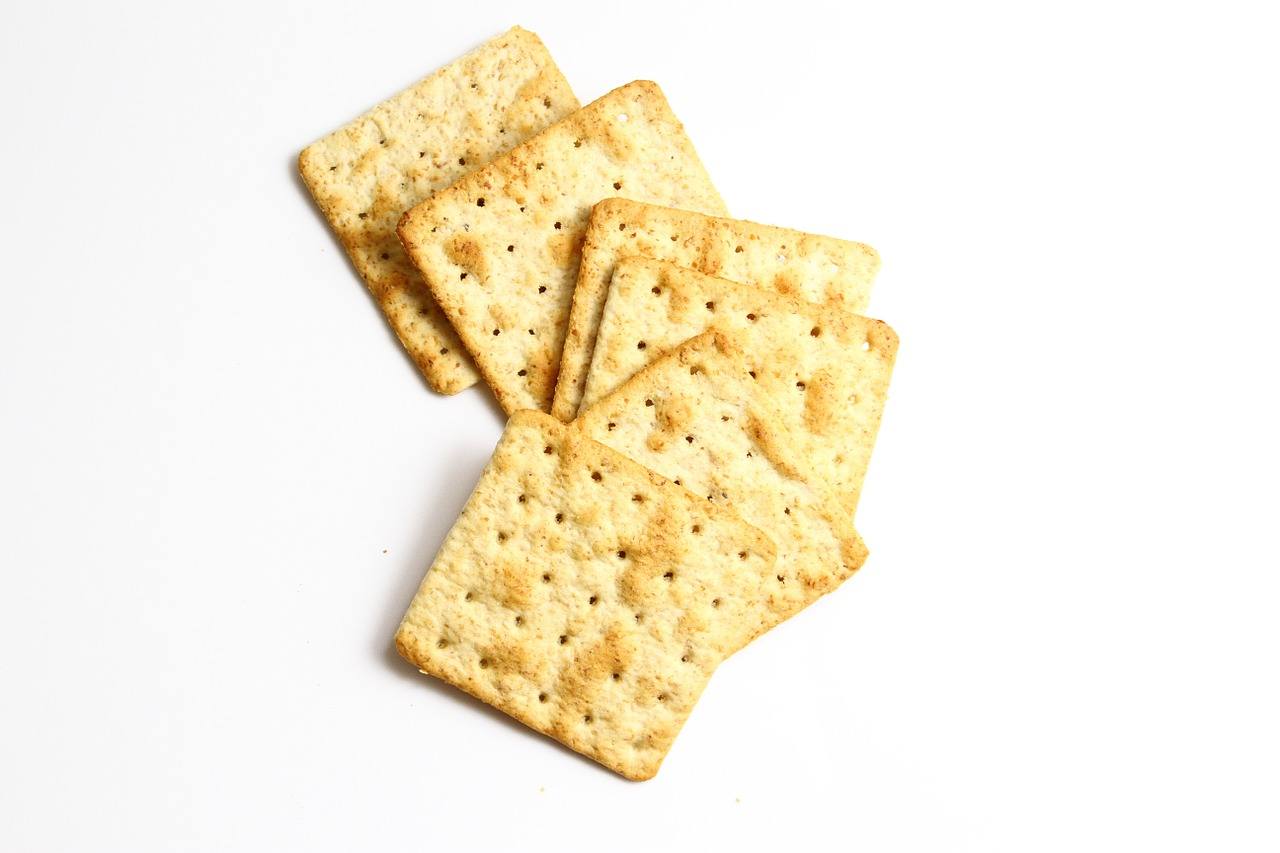
Crackers are made primarily from flour, which is a type of refined grain. Refined grains, unlike whole grains, may have most of their vitamins and minerals removed.
Crackers also tend to be high in sodium. Compared to humans, dogs don’t need much sodium in their diets. They also don’t seek out salty flavors as we do. Since dog food is specially formulated to contain the correct amount of sodium dogs need, feeding them lots of salty crackers, especially in toy and small breeds, can be bad for them.
There is such a thing as too much salt for dogs. It’s called sodium chloride poisoning, and it can cause vomiting, diarrhea, decreased appetite, excessive thirst or urination, sluggishness, tremors, seizures, and coma. If your toy breed dog shares a box of crackers with you, then they run the risk of suffering from too much sodium. Although it’s fairly unlikely that eating crackers would lead to salt poisoning, as dogs tolerate sodium quite well if they have access to fresh water, and they would need to eat quite a few crackers, probably hundreds, it will depend on their body size, amount of sodium per cracker, and amount of eaten crackers, but it's better to be safe than sorry.
Some crackers also contain ingredients that are harmful to dogs, such as garlic and onion. Garlic and onion powder at doses of 15-30 grams/kg of bodyweight can damage your pup’s red blood cells, which causes anemia. The amount of powder is generally very low, and most dogs would again need to eat quite a few crackers to be at risk of toxicity. Be sure to check the ingredients before letting your dog have any crackers that might contain garlic or onion. However, eating a few crackers is unlikely to cause any serious ill effects in your dog.
What About Unsalted Crackers?
Unsalted crackers may seem like a good way around the too-much-sodium problem, but even they don’t make a good treat. They have a moderate number of calories, so they can cause weight gain if you feed your pup too many crackers too often, and they do not offer much nutritional benefit.
What About Crackers with Seeds?
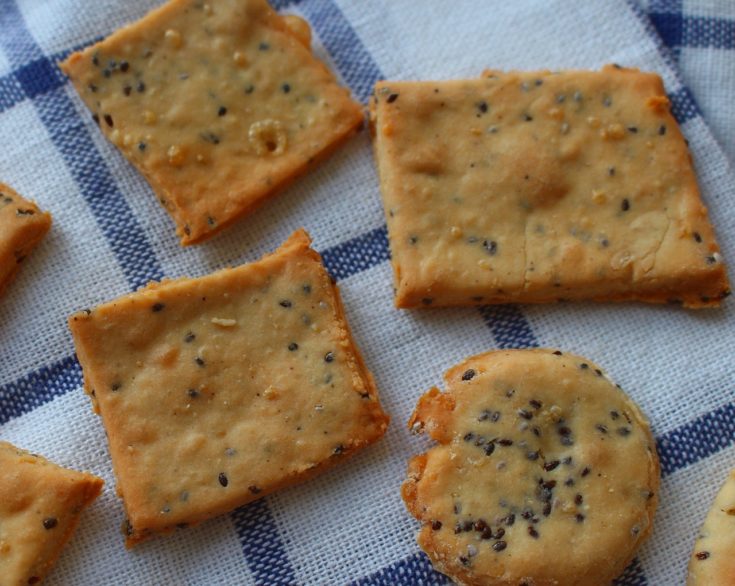
Not all crackers are made the same, and some contain different types of seeds. Dogs can benefit from a small amount of certain types of seeds in their diet when prepared and offered appropriately. Most seeds can be a choking hazard or may contain mold that creates dangerous toxins that can make dogs very ill. Speak to your vet before you consider adding any seeds to your dog’s diet so that they can point you toward the safe ones and inform you of any risks.
Amaranth and quinoa are two ancient pseudograins. Amaranth contains nine amino acids, which makes it a good protein source, but there is limited info on the safety of amaranth for dogs, so speak to your vet first. The same applies to quinoa, as it contains saponins and oxalates, meaning it can cause digestive issues and may not be appropriate for all dogs, especially ones with urinary stone issues.
If you enjoy keto-friendly crackers with chia seeds, these are a type of seed that is good for dogs. Chia seeds contain fiber and omega fatty acids, but there are certain precautions and risks to be aware of first. Hemp seeds are another type of seed that may provide some benefits for dogs.
Sesame seeds are a common seed added to crackers that are rich in fat and may cause a stomach upset in some dogs, although it’s not considered toxic for dogs. Pumpkin and sunflower seeds both have antioxidants and are good for dogs. Pumpkin seeds are especially high in zinc, which helps support a healthy immune system.
Even healthy foods like seeds can be problematic if you’re feeding them to your dog too much. Always be mindful of any seeds, as they pose a choking hazard for dogs, and remember they are fatty and may lead to an upset stomach. Seeds have some health benefits, but they can’t take the place of the balanced nutrition of high-quality pet food. Be sure to feed even healthy, seeded crackers sparingly.
What About Graham Crackers and Other Sweet Crackers?
Dogs, like people, can have a sweet tooth. Graham crackers and other sweet crackers are high in carbohydrates and sugar, which may appeal to your dog. However, these types of crackers aren’t that good for them.
Excess sugar can cause health problems in some dogs, and too many carbs are not appropriate for patients suffering with diabetes. Aside from a possibility of an upset stomach if too much was ingested, it may predispose some dogs to obesity due to excess calories, which carries a long list of health issues.
In addition to the sugar, graham crackers and others like them contain too much sodium for dogs, and some may contain chocolate that is toxic for dogs. The best thing to do is just to avoid feeding these types of crackers to your dog.

Bottom Line
Crackers may be fine as an occasional treat for your dog as long as they don’t contain onions, garlic, chocolate or lots of sugar. You shouldn’t feed your dog too many crackers or feed them regularly because they don’t have any nutritional value for your dog. The sodium content in crackers can also be harmful to small and toy dog breeds, so feeding only one or two at a time is best. Consult with your vet before adding new treats to your dog’s diet, particularly if they are suffering from underlying health issues or are on long term medication.
Related Read:
Featured Image Credit: Pixabay
Get Hepper In Your Inbox


Pet care tips from our vets and experts, straight to your inbox.
You may opt-out at any time. View our Privacy Policy for more information.
Nicole is a lover of animals of all sizes but is especially fascinated with the feline variety. She’s the proud mom of Baby, a Burmese, and works every day so he can relax in the sunshine or by the fire. She’s always had a cat in her home and has spent countless days with others, observing behaviors and softening up even the grouchiest of the lot. Nicole wants to share her kitty expertise with you so you and your cat can live happy, healthy, and care-free.
Join the conversation
Ask a question, share your story, or send private feedback.