Hepper is reader-supported. When you buy via links on our site, we may earn an affiliate commission at no cost to you. Learn more.
Can Dogs Eat Cookies? Vet-Approved Nutrition Facts & Info



In this article
Some of our dear dogs think it’s their sole responsibility to watch us like a hawk as we bake up a batch of cookies. And if your back is turned and they happen to snatch a freshly baked cookie off the counter top, or your helpful toddler decides to grant your dog’s wish by dropping a chunk of cookie on the floor, should you be worried?
If you’re trying to figure out if cookies are safe for dogs, the short answer is: while most cookies do not contain anything beneficial for your dog, some may contain ingredients that could be toxic in large quantities. While no cookie actually contains anything beneficial for your dog, some may contain ingredients that could be toxic in large quantities.
Here’s what you need to know about cookies and dogs.

Cookie Ingredients
Most cookies contain ingredients like butter, sugar, and flour. While none of these are dangerous or toxic for your dog to eat, they aren't exactly healthy for them either. Excessive consumption of safe-to-eat cookies along with increased caloric input without enough exercise can lead to an overweight dog.
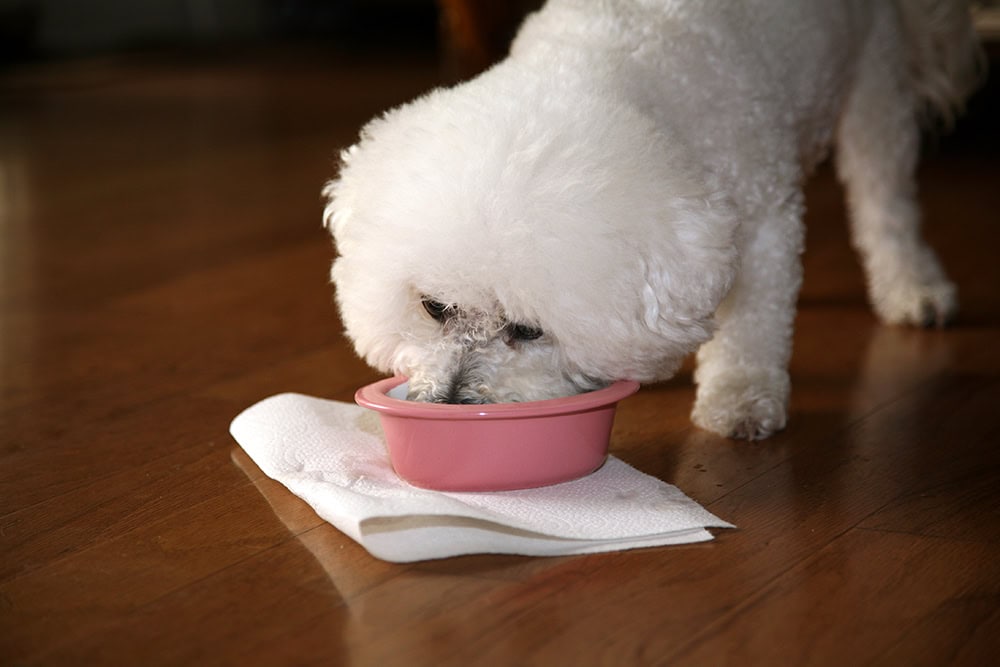
Some Cookie Ingredients That Can be Toxic to Dogs
While some cookies don’t contain any ingredients that are inherently harmful to dogs, others do. Some of the most popular cookie ingredients can be poisonous to your dog.
Toxic ingredients to look out for include:
- Chocolate
- Raisins
- Nutmeg
- Macadamia nuts
- Xylitol
This isn’t an exhaustive list, and if your dog has eaten a cookie containing other ingredients, you can check to see if it’s toxic using the Pet Poison Helpline’s list of poisons. Please note that raw cookie dough (of any mix) is very toxic for dogs and the ingestion of raw cookie dough should be considered a medical emergency.
What to Look Out for if Your Dog Has Eaten a Cookie

Our dogs are usually pretty resilient when it comes to digesting something they shouldn’t have. If your dog has only eaten a small piece of plain cookie, then their digestive system will probably process it just fine. But you should keep a very close eye on your dog and call your vet if they show any of the signs below:
- Diarrhea
- Rapid, shallow breathing
- Seizures
- Restlessness
- Tremors
- Increased urination
- Vomiting
If your dog has eaten a cookie containing any of the toxic ingredients we’ve listed above, then call your vet immediately.
Cookies and Diabetic Dogs
If your diabetic dog has snatched a sugary cookie off the counter or been fed one by an unsuspecting guest, it’s best to call your vet and ask their advice about the additional sugar your dog has eaten.
The Risk With Raw Cookie Dough
The ingestion of raw cookie dough, in any amount by your dog should be considered a medical emergency. This is because the rising agent added to dough (yeast) naturally results in a chemical reaction that produces alcohol (in the form of ethanol). Alcohol is extremely toxic for dogs, cats, and almost all domestic pets. Therefore, if your dog ingests raw cookie dough, they are essentially at risk for alcohol poisoning, which is life threatening.
How to Stop Your Dog From Eating Cookies
If your dog is on a mission to get their paws on those tasty cookies, you may need to take some action to make sure that your cookies stay as far away from your canine’s mouth as possible!
If you’re cooling cookies on the counter, try to keep the door closed, or make sure your dog is in another part of the house. Never leave cookies on the counter unattended if there’s any chance that your dog might dash in there when you’re not looking.
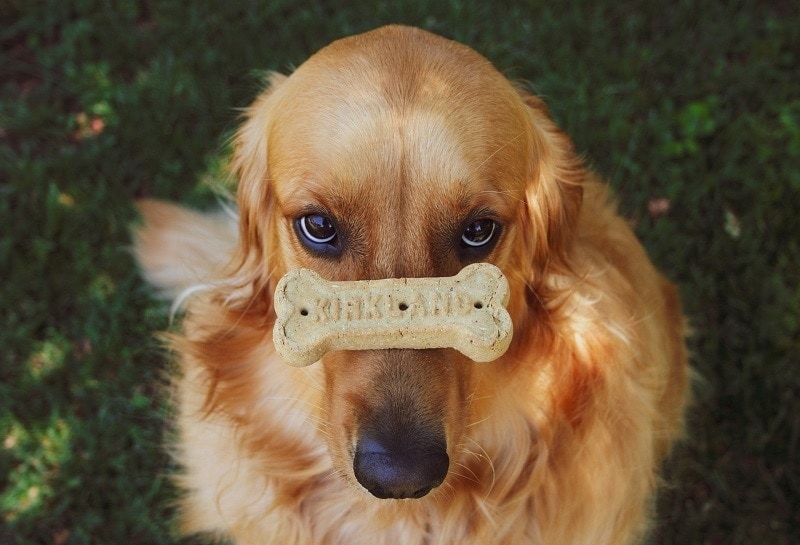
Keep cooled cookies in an airtight container, far away from your dog’s reach. High shelves in the pantry, on top of the refrigerator, or in a cupboard that your dog can’t access are all safer places than leaving cookies on the counter under a napkin or tea towel.
Dog-Safe Cookies
If your dog gives you those puppy-dog eyes when you’re baking or eating a cookie, the good news is that you can bake them a dog-safe alternative that they can eat at the same time!
You can make easy cookies for your dog using the following ingredients:
Mix all the ingredients well before rolling out the dough to a thickness of around ½ inch. Cut the dough into strips, or use shaped cookie cutters.
Place the strips or shapes on a baking tray, and bake at 350°F (around 175°C) for 20-25 minutes.
Once cooled, let your dog try one and see what they think! You can keep these in an airtight container for around a week or pop some into the freezer and defrost as needed.

Wrapping It Up
Sadly for dogs, cookies don’t contain any beneficial ingredients for them. You should never intentionally feed your dog any type of cookie. Some cookies do contain ingredients that can be toxic for dogs, like chocolate, raisins, and macadamia nuts. If your dog eats a cookie containing a toxic ingredient, we recommend calling your vet and asking for their advice.
Depending on how many cookies your dog ate, your vet may ask you to monitor them at home or bring them into the veterinary surgery for treatment.
It’s always best to keep cookies well out of reach of your dog, as well as warn kids and visitors that your dog shouldn’t be fed cookies, no matter how cute they look!
The good news for dogs that love cookies is that you can make them their very own, dog-friendly cookies using some easy to buy ingredients.
That way, you can all enjoy sitting down to eat some cookies together, without worrying that your dog is eating something they shouldn’t!
Related Reads:
Featured Image Credit: Pezibear, Pixabay
Get Hepper In Your Inbox


Pet care tips from our vets and experts, straight to your inbox.
You may opt-out at any time. View our Privacy Policy for more information.
Emma is a freelance writer, specializing in writing about pets, outdoor pursuits, and the environment. Originally from the UK, she has lived in Costa Rica and New Zealand before moving to a smallholding in Spain with her husband, their 4-year-old daughter, and their dogs, cats, horses, and poultry. When she's not writing, Emma can be found taking her dogs for walks in the rolling fields around their home...and usually, at least some of the cats come along, too! Emma is passionate about rescuing animals and providing them with a new life after being abandoned or abused. As well as their own four rescue dogs, she also fosters dogs for re-homing, providing them with love and training while searching for their forever homes.
Join the conversation
Ask a question, share your story, or send private feedback.