Hepper is reader-supported. When you buy via links on our site, we may earn an affiliate commission at no cost to you. Learn more.
Can Dogs Eat Grapefruit? Vet-Reviewed Facts & Safety Guide



In this article
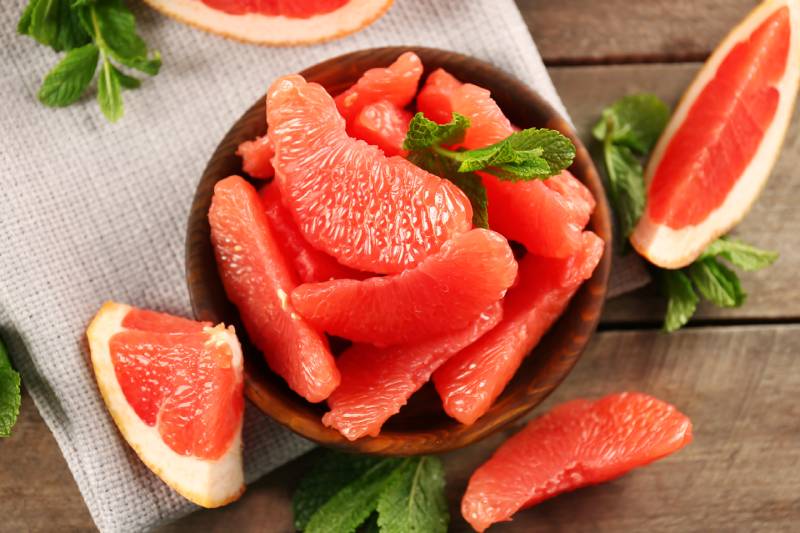
It’s clear that grapefruit is great for humans, but what about dogs? The fleshy part of the fruit in itself is okay, although not great for dogs to eat. Grapefruit’s high acid and sugar content can make ingesting even one or two segments tough on canine tummies.
Grapefruit rinds and other parts of the plant are toxic and should be avoided, as consumption can lead to problems such as vomiting, diarrhea, depression, and dermatitis, according to the ASPCA.1 Ultimately, there’s little benefit in giving grapefruit to dogs and a chance that it could make them sick. Many simply don’t like the fruit’s tart taste.
If your dog eats a few peeled grapefruit segments, there’s likely nothing to worry about. Watch your dog carefully and contact your veterinarian if your buddy starts showing signs such as stomach trouble or lethargy. However, call your veterinarian if your dog gets into the trash and devours a bunch of grapefruit peels; don’t wait for signs to develop before reaching out.

Are There Any Nutritional Benefits to Feeding Dogs Grapefruit?
Grapefruit has long been a human health food staple, known for its delicious, slightly tart taste and several nutritional benefits. It’s low in calories and packed with nutrients such as vitamin C, potassium, and beta-carotene, which are important for humans and dogs alike.
But grapefruit isn’t a healthy canine treat, as it often causes dogs to have tummy problems due to its high acid content. Many dogs simply don’t like the taste of the fruit. Because it may make your pet sick, there’s no reason to encourage your buddy to eat grapefruit, particularly when dogs get all the necessary vitamins and minerals through their regular food.
What Happens if Dogs Eat Grapefruit?
Some dogs can consume a few peeled grapefruit segments and be just fine. However others can develop difficulties after eating grapefruit and other citrus products. Vomiting and diarrhea are the most common signs. Grapefruit rinds are a different story. They contain essential oils and compounds called psoralens, which are toxic to dogs.
What Should I Do if My Dog Eats Grapefruit Peels?
Separate your pet from whatever they’ve managed to get into (often the trash), so they can’t eat anything else problematic. Put your pet somewhere to safely hang out while you determine what happened. Determine how much grapefruit or grapefruit peel your companion ate and approximately how long ago. Take a few minutes to evaluate your pet and take note of any physical signs they may be showing, then give your veterinarian a call for guidance.

What Are Some Healthy Alternatives to Grapefruit?
Dogs should always get most of their nutrients from their regular kibble, wet, or fresh food. Commercial choices that adhere to the guidelines published by the American Association of Feed Control Officials should include all the nutrients dogs need to thrive in the right amounts. And by feeding your pet the right portion of commercial food, you can ensure they maintain a healthy weight, which is fundamental for good canine health.
Even healthy snacks should be limited to no more than 10% of your pet’s diet. Tiny pieces of fruits, such as apples, blueberries, and bananas, make great occasional snacks for most dogs. Make sure to peel bananas before letting your dog dig in, and cut the fruit into pet-sized sections to prevent a large piece from becoming stuck in your dog’s throat. Some dogs enjoy vegetables such as bell peppers, green beans, and carrots, which can be served either raw or cooked. Cooked veggies should be salt and oil-free and can be prepared by steaming, baking, or boiling them.
However, if your dog is a diabetic or suffers from digestive issues or pancreatitis, it’s important to consult with your veterinarian about the best diet and snacks for them.
Conclusion
Grapefruit flesh isn’t toxic to dogs but is extremely acidic and often causes gastrointestinal upset. Grapefruit rinds, seeds, and pith, on the other hand, are toxic, so make sure to keep your fruit bowl somewhere your dog can’t get to! Contact your veterinarian immediately if your dog eats grapefruit peels or snacks on the fruit and starts having tummy trouble.
Several tasty alternatives, including apples, bananas, and strawberries, don’t run such a high risk of causing illness in dogs. Dogs should get all their nutrients from pet food, but fruit and vegetables can be served as occasional treats in most cases.
See Also:
Sources
https://www.akc.org/expert-advice/nutrition/fruits-vegetables-dogs-can-and-cant-eat/
https://www.akc.org/expert-advice/nutrition/can-dogs-eat-bell-peppers/
https://www.akc.org/expert-advice/nutrition/can-dogs-have-green-beans/
https://www.akc.org/expert-advice/nutrition/can-dogs-eat-carrots/
https://www.petmd.com/dog/nutrition/which-fruits-can-dogs-eat
Featured Image Credit: Couleur, Pixabay
Get Hepper In Your Inbox


Pet care tips from our vets and experts, straight to your inbox.
You may opt-out at any time. View our Privacy Policy for more information.
Lorre Luther a reformed lawyer from the United States, she moved to the Netherlands to follow her dream and become a writer. Currently living in Rotterdam, Lorre enjoys traveling and reveling in the astonishing beauty of our planet. As an animal lover, Lorre is convinced that cats are smarter than humans.
Join the conversation
Ask a question, share your story, or send private feedback.