Hepper is reader-supported. When you buy via links on our site, we may earn an affiliate commission at no cost to you. Learn more.
Can Dogs Eat Mochi? Ingredients & Nutrition Explained



In this article
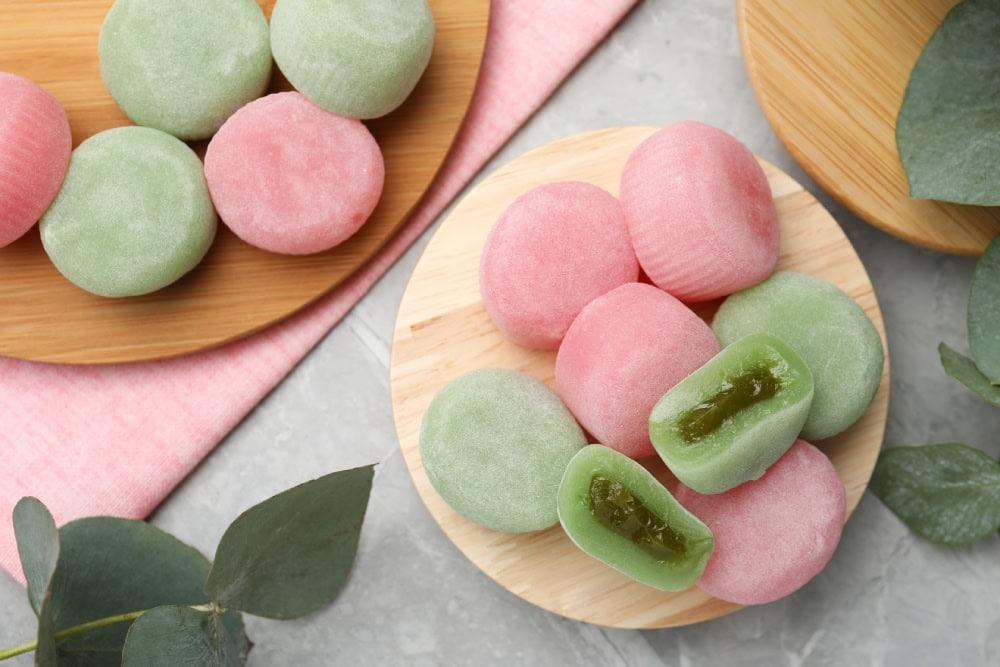
Most people think of mochi as delicious, chewy bun-like rice cakes traditionally served during New Year's celebrations in Japan. But it's a simple mix of rice, water, sugar, and salt that can be used in sweet and savory dishes. The sweet versions of the treat have become popular around the world. Plain mochi probably won't hurt your pet, but the staple has salt and sugar, which aren't good for dogs.
So, while one nibble of unseasoned mochi probably won't result in a veterinary emergency, it's not a healthy canine treat. Sweet mochi treats usually contain entirely too much sugar and fat for dogs to digest comfortably. Savory mochi snacks and their accompanying dipping sauces often include ingredients toxic to dogs, such as onions, chives, and garlic.

Wait, I Thought Mochi Was Sweet!
It can be, but it's not always! It's best to think of mochi as a versatile cereal base for cooking; it’s like bread dough but made with rice instead of wheat.
Cooked mochi on its own is okay for dogs. While flour, water, milk, and eggs might not individually be problematic, the minute you add a bit of chocolate to your cake mix, the entire situation changes, as chocolate is highly toxic to dogs. And, of course, dogs should never eat raw yeast dough as it can ferment and cause bloat, which can be fatal in large breeds.
To determine whether or not your dog can safely consume a specific mochi dish, you'll need to evaluate the product's individual ingredients.
Common Toxic Ingredients
To keep your dog safe, avoid allowing them to snack on mochi that contains ingredients that aren't great for canine health, such as:
Salt
When consumed in excess, this nutritional staple can cause sodium poisoning. Signs that a dog has eaten too much salt include vomiting, seizures, and tremors. Avoid allowing your pet to eat salty snacks such as potato chips and pretzels; the frequent consumption of these high-sodium foods can increase canine blood pressure and aggravate heart disease.

Sugar
Fresh fruit generally contains a good amount of fructose, but bananas, apples, and watermelon are fine for dogs to snack on in moderation. However, too much sugar can contribute to the development of several canine health problems, including obesity and diabetes. Meals that are overloaded with sugar and fat can also trigger pancreatitis, which is a painful condition that requires urgent treatment.
Chocolate
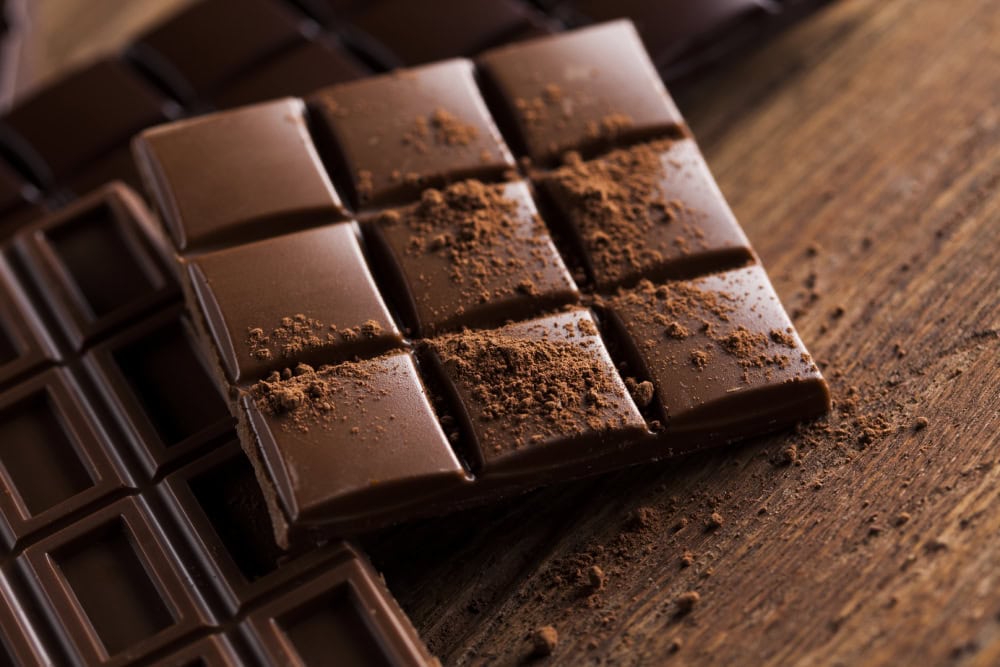
Chocolate is toxic to dogs, even in small amounts. Dogs' bodies don't process the caffeine and theobromine in chocolate as efficiently as ours do, so their systems quickly become overwhelmed by the physical effects caused by these substances. Signs of chocolate poisoning include vomiting, diarrhea, panting, accelerated heart rate, and tremors. Seizures and death can occur in severe cases. Dark chocolate and cacao beans tend to be the most problematic for pets.
Raisins and Grapes
Some mochi recipes include raisins or grapes, but raisins and grapes are toxic to dogs. Consumption of even small amounts of these products can cause kidney failure, which can lead to death. There’ve been reports of dogs becoming seriously ill after eating one or two grapes or raisins. Reach out to your veterinarian immediately if your dog ingests even a small amount of anything containing grapes or raisins.
Onions, Garlic, Leeks, and Chives
These delicious flavor enhancers are extremely toxic to dogs. Dried products such as garlic salt, powdered garlic, and onion powder tend to be more potent and, therefore, hazardous to dogs. Just ⅓ cup of diced onions or ⅓ tablespoon of onion powder can cause toxicity in a 30-pound dog. Avoid giving your pet any amount of these products or dishes containing them.

Fat, Sugar, and Salt
If you remove all the outright toxic products from mochi, it's still human food, which means it's not designed to meet canine dietary needs. Dogs that consume too much salt, fat, and sugar are at heightened risk for developing conditions such as obesity, diabetes, and pancreatitis.

Conclusion
While basic, unflavored mochi doesn't contain anything toxic to dogs, several dishes featuring this versatile rice-based staple feature ingredients and flavor enhancers that can harm your pup. Sweet mochi treats often have too much sugar, salt, and fat for dogs to consume safely, and savory options sometimes feature ingredients such as onions and garlic, which are toxic to dogs in small quantities. If you choose to give your pet a bit of unseasoned mochi, remember to cut it into small bite-size pieces to prevent your pet from choking.
Featured Image Credit: JumpStory
Get Hepper In Your Inbox


Pet care tips from our vets and experts, straight to your inbox.
You may opt-out at any time. View our Privacy Policy for more information.
Lorre Luther a reformed lawyer from the United States, she moved to the Netherlands to follow her dream and become a writer. Currently living in Rotterdam, Lorre enjoys traveling and reveling in the astonishing beauty of our planet. As an animal lover, Lorre is convinced that cats are smarter than humans.
Join the conversation
Ask a question, share your story, or send private feedback.