Hepper is reader-supported. When you buy via links on our site, we may earn an affiliate commission at no cost to you. Learn more.
Can Dogs Eat Gum? Is Gum Safe for Dogs?
In this article
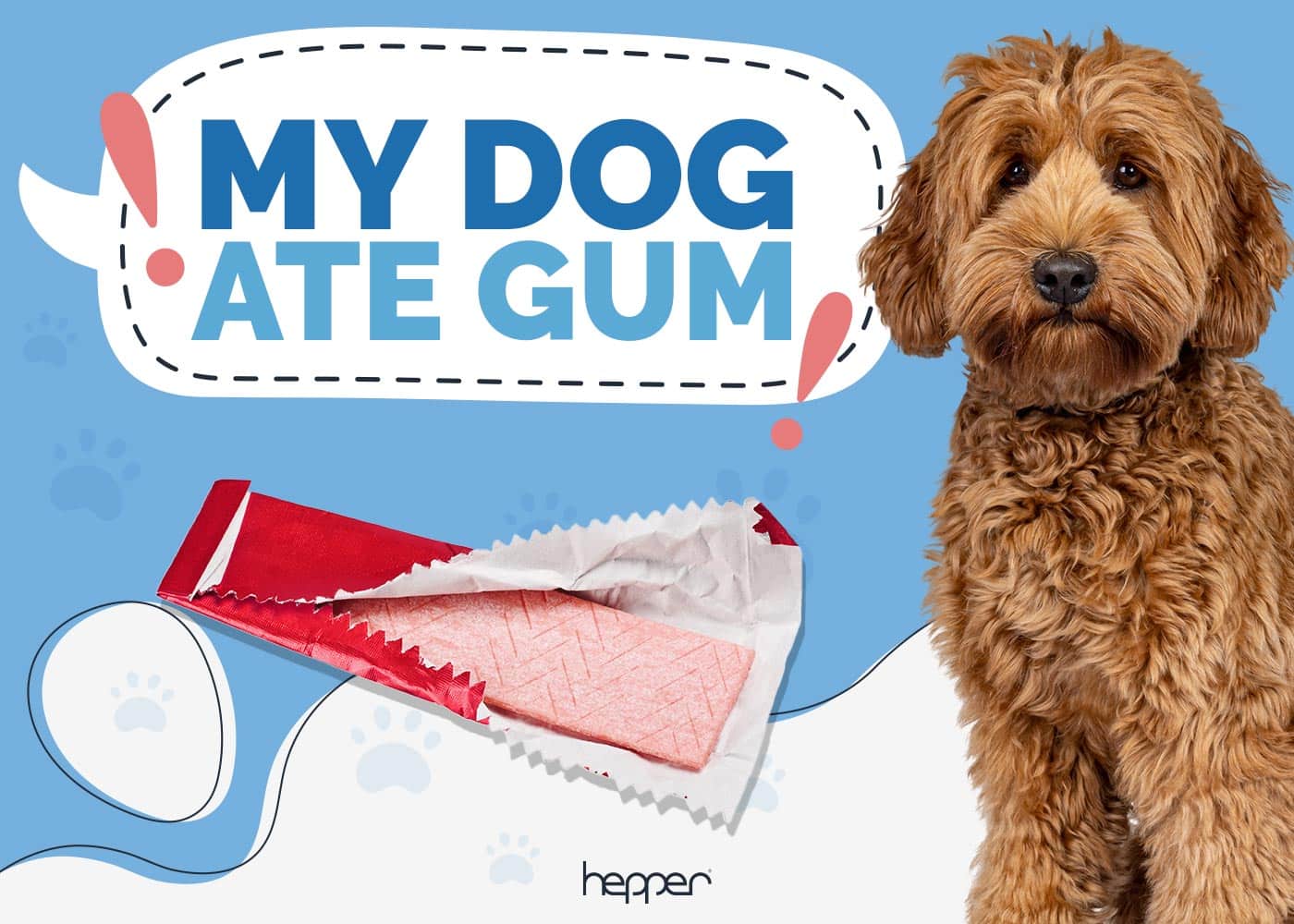
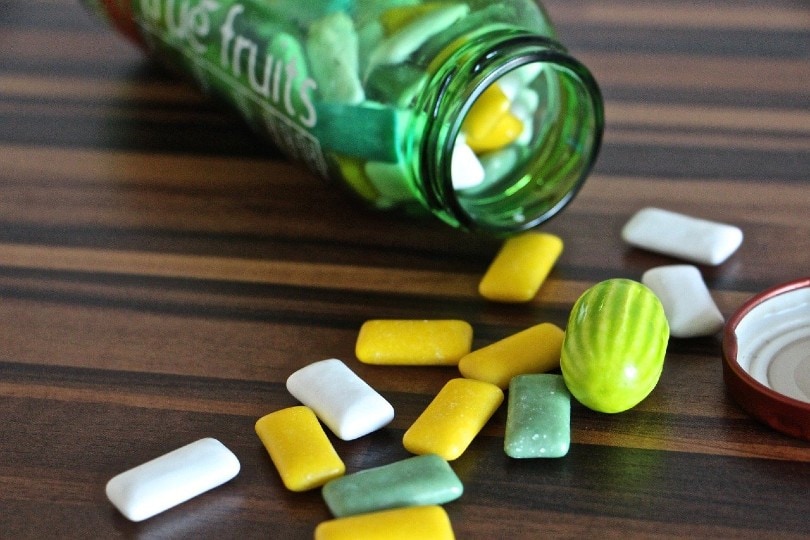
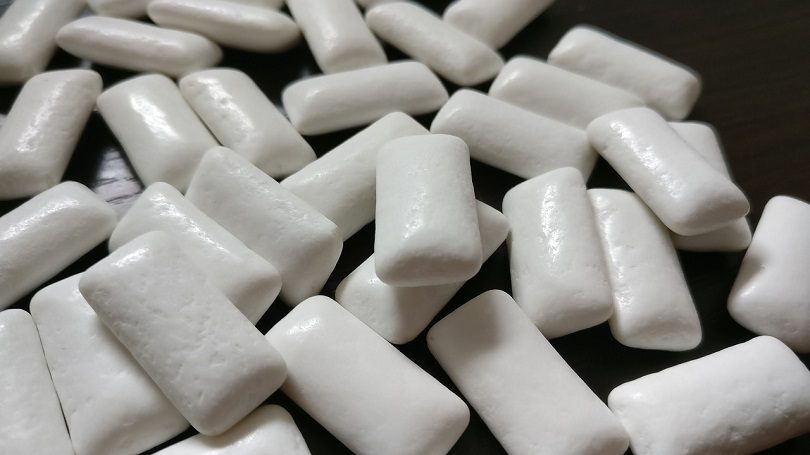
You became suspicious when your dog was being a little too quiet. When you tracked them down, you discovered that they’d eaten your brand-new pack of Juicy Fruit gum.
Should you panic? Is gum safe for dogs, or do you have a trip to the emergency room in your immediate future?
As it turns out, it largely depends on the gum. However, eating gum is never a good thing, so you should be on high alert regardless.

Is Gum Safe for Dogs?
Gum is never good for dogs, but you need to immediately read the label to determine if you have a small problem on your hands or a full-scale emergency.
The main thing you’re looking for is xylitol. Xylitol is an artificial sweetener that can kill dogs in even tiny doses, so you want to make sure the gum doesn’t contain it. It can cause low blood sugar, seizures, liver failure, and death, so take it seriously.
Fortunately, relatively few gums contain xylitol these days. It’s mainly limited to sugar-free gums, but some sugar-free options use sorbitol, aspartame, or mannitol instead. These aren’t good for your dog but they won’t kill them either. That doesn’t mean you’re out of the woods, though.
If your dog eats a large amount of gum, it can cause an intestinal blockage. That can be equally fatal, so don’t disregard it.
How Can I Tell If My Dog Has an Intestinal Blockage?
Intestinal blockages can occur if your dog eats something small and smooth enough to pass through their throat and stomach without causing a problem — like a wad of gum, for example.
However, once that foreign object makes its way to the intestines, it can stick to the walls and prevent food from passing through, eventually causing a fatal rupture.
Here are the symptoms that you should look out for if you’re afraid that your dog might have an intestinal blockage:
If you’ve noticed any of those symptoms, you should contact your vet immediately. They’ll give you advice on what to do or advise you to bring your dog into the clinic.
Also, if you notice that there’s gum sticking out of your dog’s rectum, don’t pull it out. This can cause severe damage to their intestines, so let the vet handle it.

What Should I Do If My Dog Ate Xylitol?
If you notice that the ingredients list includes xylitol, you need to spring into action immediately. The longer you wait, the worse your dog’s chances of survival become. It takes as little as 10 minutes for xylitol to start taking effects, so don’t dawdle.
If you’re certain that your dog ate the gum, you should skip the phone call to the doctor or poison control and just take your dog to the emergency vet. This necessitates a trip to the 24-hour clinic if your regular vet isn’t available. Take the package of gum with you so the vet knows what they’re dealing with.
Before you leave home, rub corn or maple syrup on your dog’s gums to raise their blood sugar. This will buy you time but it’s not a cure, so you still need to head down to your vet’s office.
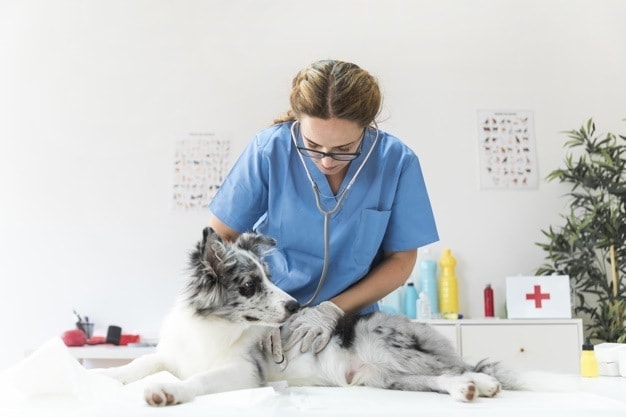
The vet may do a variety of things, depending on how much xylitol your dog ate and what symptoms they’re showing. They might induce vomiting, or they may give your dog an IV containing sugar and drugs to protect their liver.
Regardless, you should expect that your dog will have to spend a few days at the vet’s for monitoring. This will be an expensive problem, but the good news is that most dogs recover fully if the problem is treated quickly enough.
How Do I Prevent My Dog From Eating Gum?
Obviously, it’s vastly preferable to keep your dog from eating gum in the first place than it is to treat them for ingesting a pack of Wrigley’s. Fortunately, there are a few common-sense things you can do to prevent ingestion.
One thing that you can do is never buy gum containing Xylitol. This won’t help prevent blockages, but at least you know that you won’t have any poisonous gum in the house.
Don’t leave the gum out where your dog can get it either. If you keep it in a cabinet, make sure the cabinet is high off the ground. If you leave it in your purse or bag, don’t leave the bag on the floor (this also prevents your dog from eating your driver’s license or making off with your keys).
Be careful with chewed gum as well. Throw it away when you’re finished rather than putting it in a wrapper and stuffing it in your pocket. If you have kids in the house, make sure they know to dispose of their gum properly rather than be careless with it.
You should also teach your dog the “leave it” command. This may not stop them from eating gum that they find, but it should at least help you get them away from it quickly if you drop a stick or two.

What’s the Verdict? Is Gum Safe for Dogs?
You should never give your dog gum. Not all gum is life-threatening, but any gum with xylitol in it can kill your dog in no time at all.
Even if the gum is xylitol-free, it can still cause a potentially fatal bowel obstruction. As a result, you should keep all gum in the house in a place where your dog can’t get it.
Luckily, you can still read your pup the comics that come with your pack of Bazooka Joe.
Featured Image Credit: Tabeajaichhalt, Pixabay
Get Hepper In Your Inbox


Pet care tips from our vets and experts, straight to your inbox.
You may opt-out at any time. View our Privacy Policy for more information.

Nicole is a lover of animals of all sizes but is especially fascinated with the feline variety. She’s the proud mom of Baby, a Burmese, and works every day so he can relax in the sunshine or by the fire. She’s always had a cat in her home and has spent countless days with others, observing behaviors and softening up even the grouchiest of the lot. Nicole wants to share her kitty expertise with you so you and your cat can live happy, healthy, and care-free.
Join the conversation
Ask a question, share your story, or send private feedback.