Hepper is reader-supported. When you buy via links on our site, we may earn an affiliate commission at no cost to you. Learn more.
Can Dogs Eat Xanthan Gum? Vet-Reviewed Facts & FAQ


In this article
If you’ve ever read the ingredients on your dog’s food, you’ve likely noticed xanthan gum listed. Xanthan gum is safe for dogs for the most part, as long as it is eaten in moderation. Here, we take a look at xanthan gum in more detail and explain what it’s used for and whether it’s a necessary ingredient in your dog’s food.

What Exactly Is Xanthan Gum?
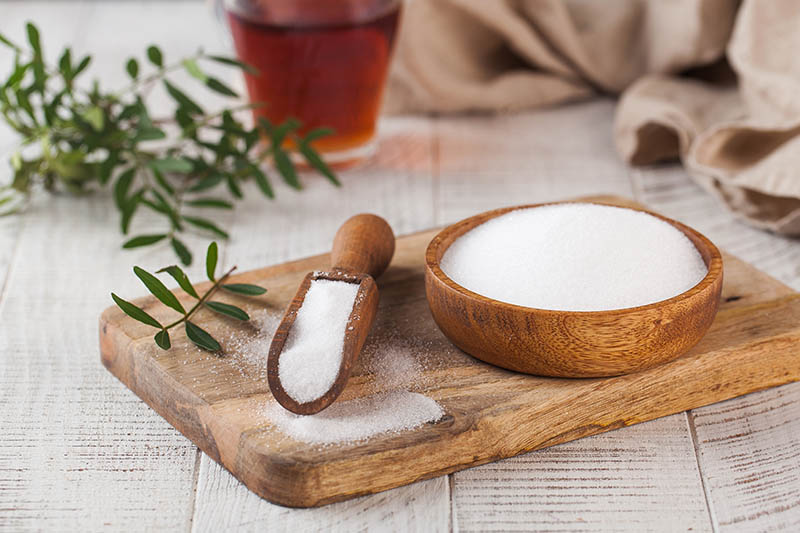
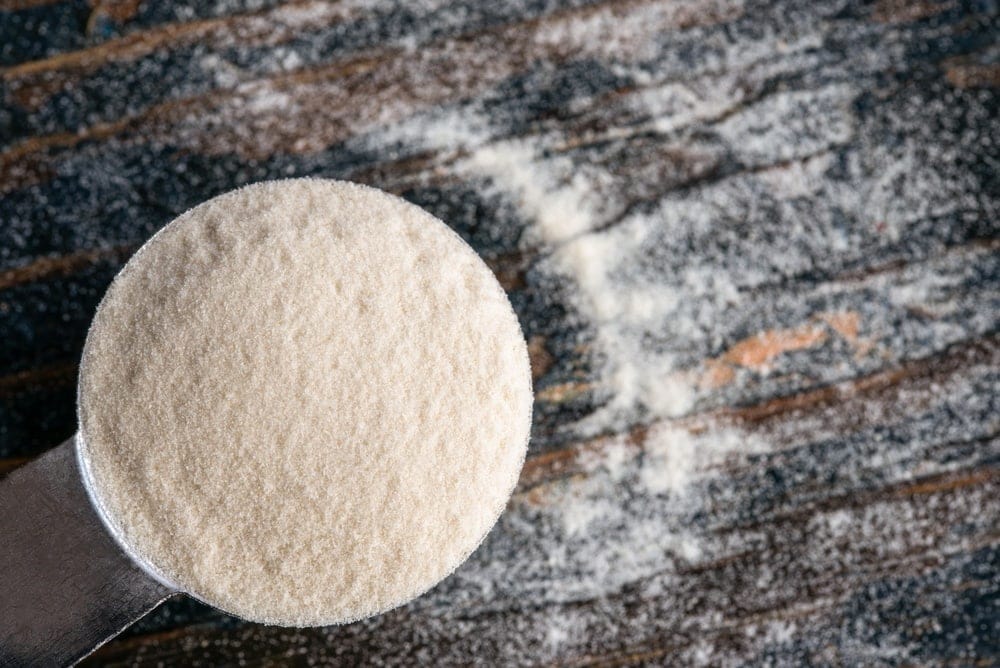
Xanthan gum is made with sugar fermented by the bacteria Xanthomonas campestris. The fermented sugar creates a gooey substance that becomes solid when alcohol is added. From here, it is dried and turned into a powder.
It’s a relatively common ingredient because when xanthan gum is added to a liquid, it makes a gluey yet stable product once fully combined. It’s a multipurpose ingredient because it can thicken products and make them shelf stable.
It’s used in everything from foods like salad dressing, ice cream, and toothpaste to paint and even toilet cleaners.
Why Is Xanthan Gum Used in Dog Food?
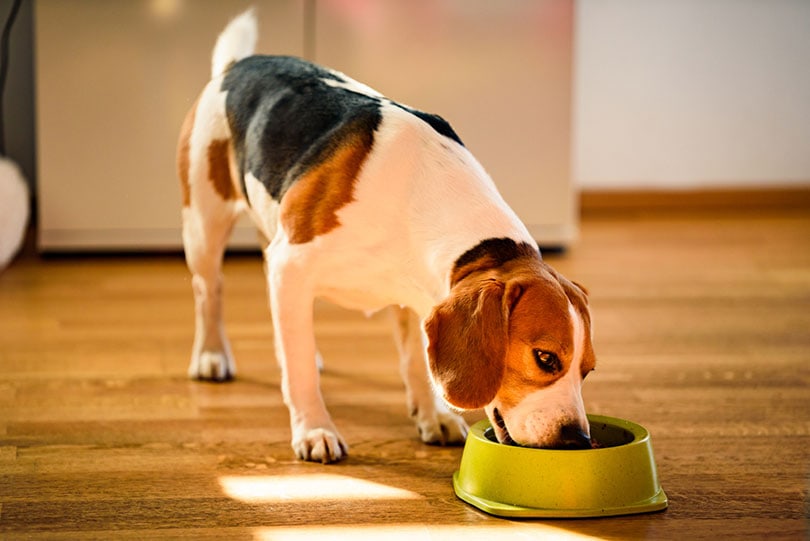
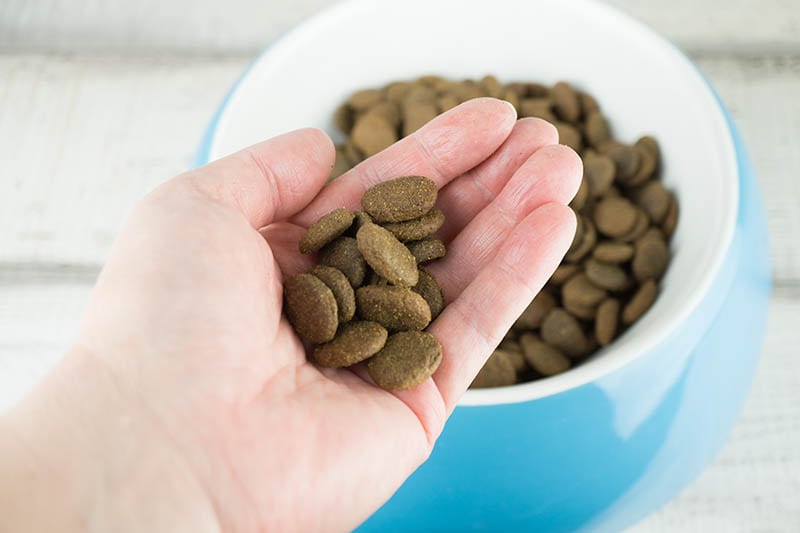
Xanthan gum is most commonly used in wet or canned dog food, as it helps thicken it and keep it shelf stable, which means it helps keep the ingredients from separating. It’s a cost-effective way to ensure that the food maintains consistency and has a creamy texture.
It’s considered an additive rather than a key ingredient that makes up the food. This also means it doesn’t necessarily provide any real nutritional value. Beyond preventing the food from separating, it’s used to make the food look attractive, which is really more for our benefit than our dogs.
Is Xanthan Gum Bad for Dogs?
Xanthan gum isn’t bad for dogs unless they eat too much, and it will likely cause digestive issues like stomach upset. But your dog would need to eat a massive amount of xanthan gum to reach that point. Pet food manufacturers never put enough in their pet food for this to happen.
If your dog consumed pure xanthan gum, they might suffer from diarrhea and vomiting. They will likely be fine once it’s out of their system, but see your vet if your dog exhibits any of the following signs:
- Ongoing vomiting and diarrhea
- Signs of increasing discomfort
- Blood in the stool or vomit
- Weakness
- Collapse
That said, most people don’t typically have powdered xanthan gum lying around, and it doesn’t taste great, so it’s unlikely that your dog will eat a large amount of it.
For the most part, xanthan gum is not bad for dogs, but some dog parents would prefer there not to be any additives in their dog’s food.
Does Xanthan Gum Have Any Benefits?
Yes, it does, for some dogs, particularly diabetic ones. Xanthan gum helps reduce blood sugar levels, which has the additional benefit of decreased cholesterol.
There is also the chance of weight loss because xanthan gum creates a sense of fullness in the stomach and slows digestion. That said, it needs to be consumed in large amounts for that to truly work.

Is Xanthan Gum Anything Like Xylitol?
Some people confuse xanthan with xylitol, so let’s set the record straight. Xylitol is a natural sweetener that is not related to xanthan gum. Many human products, mostly diet ones, contain xylitol to replace white sugar.
Xylitol is toxic to dogs! Within 10 to 15 minutes of ingesting anything with xylitol, a dog’s blood sugar dangerously plummets, and they can experience acute liver failure.
There’s no relation between xanthan gum and xylitol. But it’s good to know that you should avoid xylitol at all costs!
It would be best if you didn’t keep anything with xylitol in the house, even for yourself, if you own a dog. The last thing that you want is for your dog to get into your food.
Is It Okay to Give Your Dog Food With Xanthan Gum?
This is entirely up to you. Xanthan gum is not dangerous unless your dog eats copious amounts of it. While it doesn’t hurt your dog, it doesn’t necessarily benefit them either. But if your dog has been eating the same food for a while and there have been no ill effects, it should be fine.
If you’re still concerned, speak to your vet; they can direct you to different foods that don’t contain xanthan gum. Plenty of pet food manufacturers don’t use xanthan or any other additives if you’re interested in that.


Conclusion
Xanthan gum is an additive that works to bind pet food together and keep it from going bad while it sits on a shelf. Most wet dog foods contain xanthan gum, but not all. If you don’t want your dog to eat ingredients like these, always read the labels and research anything you’re unfamiliar with.
Also, speak to your vet if you are looking for more information. Keeping your dog in the best health is one of your priorities as a pet owner.
See also:
Get Hepper In Your Inbox


Pet care tips from our vets and experts, straight to your inbox.
You may opt-out at any time. View our Privacy Policy for more information.
Kathryn was a librarian in a previous lifetime and is currently a writer about all things animals. When she was a child, she hoped to work in zoos or with wildlife in some way, thanks to her strong love for animals. Unfortunately, she's not strong in the sciences, so she fills her days with researching and writing about all kinds of animals and spends time playing with her adorable but terribly mischievous tabby cat, Bella. Kathryn is hoping to add to her family in the near future – maybe another cat and a dog.
Join the conversation
Ask a question, share your story, or send private feedback.