Hepper is reader-supported. When you buy via links on our site, we may earn an affiliate commission at no cost to you. Learn more.
Can Dogs Eat Jujube? Vet Approved Nutritional Facts & FAQ


In this article
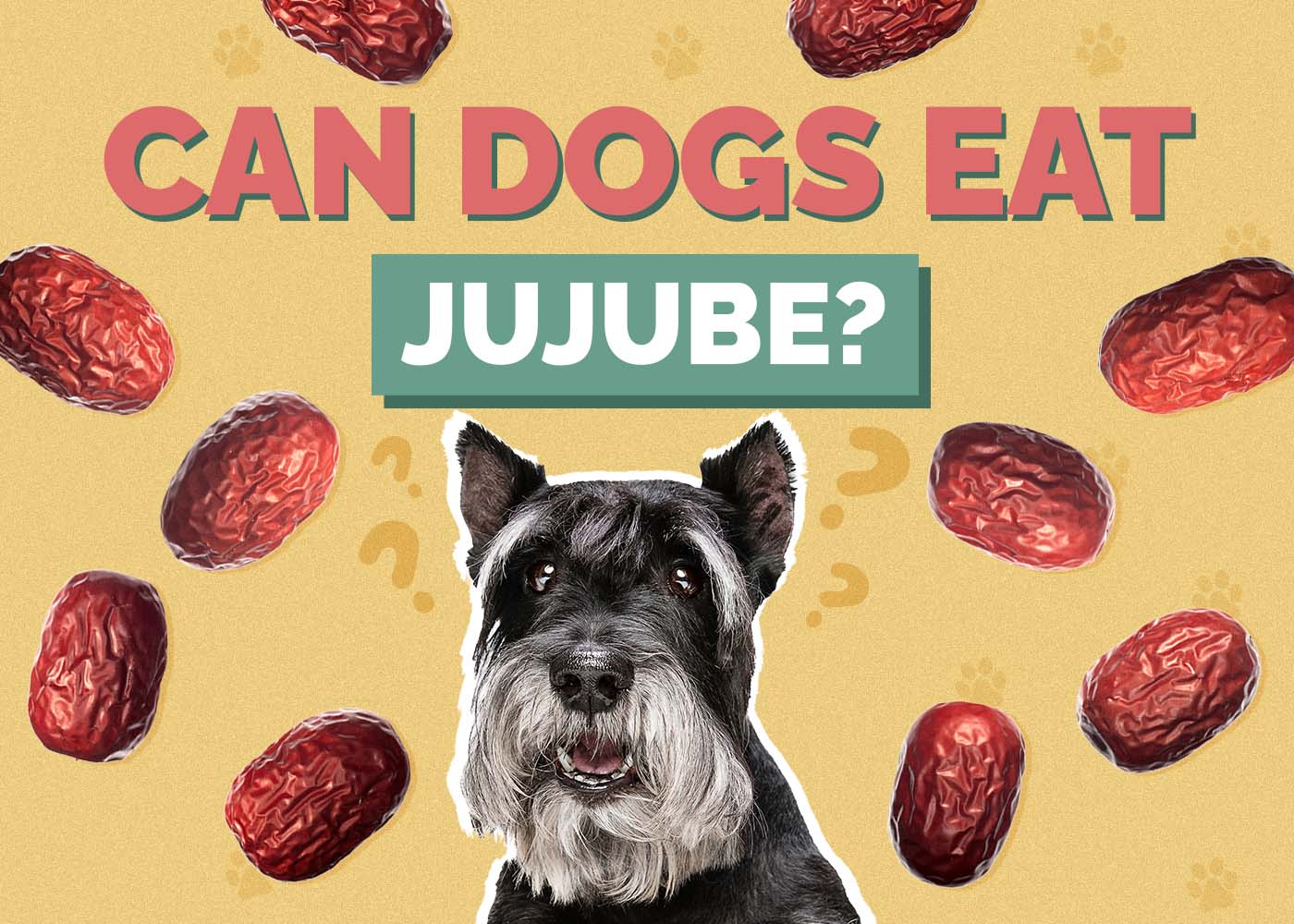
Like many dog owners, you might be looking for new treats you can safely feed your dog. So, it might have crossed your mind if dogs can eat jujube fruit. Dogs can eat jujube as a treat, but, like with most sweet fruits, it should never become part of their regular diet. Although you have to be careful how often you feed it to your pup, we’ll discuss the benefits and risks of serving jujube.

Is the Jujube Fruit Healthy?
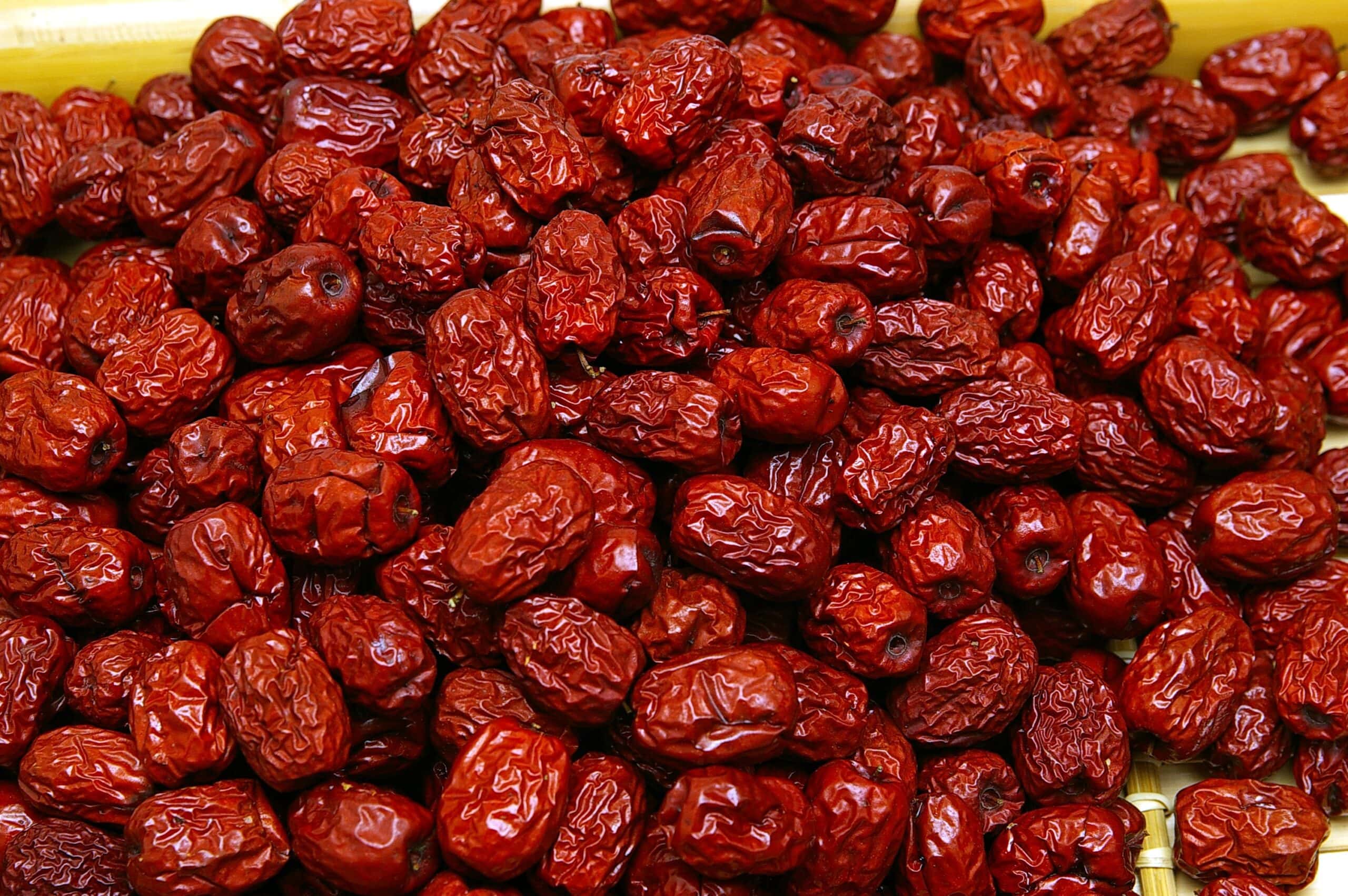
Jujubes are also called Chinese or red dates and are native to Southern Asia. They’re sweet and can be eaten fresh or dried; when fresh, they’re high in fiber and antioxidants and low in calories. They also contain calcium, potassium, iron, and vitamins A, B, and C.
They are considered a superfood for humans, contain two seeds and a chewy pit, and turn purple or dark red when ripe. They can also look slightly wrinkled and have a chewy texture; many people have compared their taste to apples.
Humans sometimes use them to decrease anxiety and improve sleep. However, their effects on dogs have not been thoroughly researched, and you should avoid giving them to your pet without talking to your veterinarian.
Risks of Eating Jujubes
Fruit is generally a safe treat for dogs, but you have to be aware that fructose or any sugar can become dangerous if too much is consumed. Jujubes are especially high in sugar when dried, and excess sugar in your dog’s diet can cause digestive issues. Long-term, it can also lead to your dog putting on weight, increasing their risk of joint problems and diabetes.
Additionally, you must remove the seeds and pit from the fruit, and keep your dog away from the plant; they are toxic and can cause respiratory failure. Even if a pit isn’t toxic, it should always be removed from fruit before you serve it to your dog since it can cause an obstruction, fracture your dog’s teeth, or cause choking.

How to Safely Serve Jujubes to Your Dog
First, the fruit you serve your dog must be fresh and ripe, as unripe fruit can cause stomach issues. Ripe fruit also tastes better. While the flesh of the jujube fruit is safe, the pit and seeds are not, and should be removed.
Cut the fruit into bite-sized pieces so they don't pose a choking hazard and serve it in moderation; even if they aren’t dried, three fruits contain around 79 calories, which is pretty high for a treat. Around one or two occasionally is enough, and you should avoid jujube if your dog is overweight or has any health issues.
What Happens if Your Dog Eats a Toxic Part?
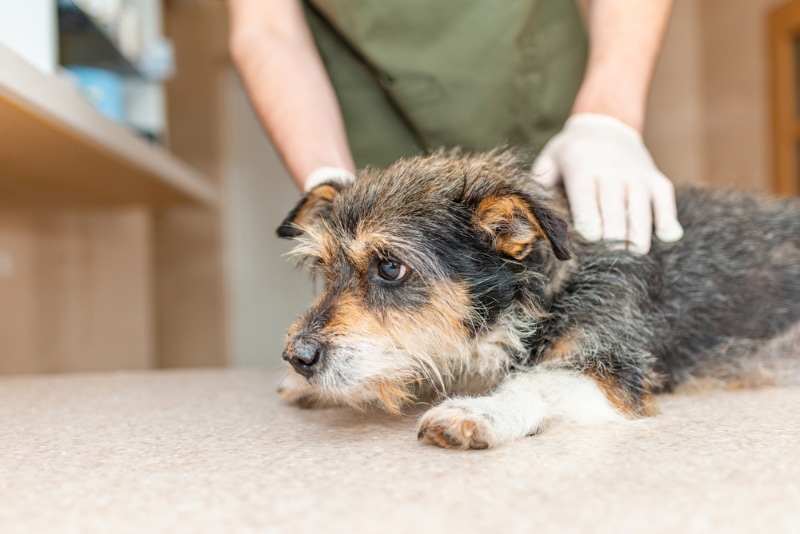
Dogs have a reputation for eating first and regretting their decision later, so if you witness your dog eating the seeds or the plant, take them to the veterinarian. Take note of how much they ate and when, because it will help your vet with the treatment.
Signs to be on the lookout for that indicate your dog has eaten something toxic include:
It’s important to keep the toxic parts away from your dog, but you’re unlikely to have a plant growing in your yard unless you live in a western state with a dry climate. Most of the jujube plants in the United States are grown in Texas.
What Other Food Can Your Dog Eat?
If you’ve decided that jujubes aren’t for you, there are plenty of other fruits you can offer your dog, including the following:
- Apples
- Bananas
- Blueberries
- Raspberries
- Strawberries
Don't forget that grapes are toxic to dogs.
It’s important to remember that moderation is essential, even with healthy treats. Treats should only make up 10% of your dog’s total intake, with the rest coming from their regular diet. If you’re ever unsure if your dog can eat something, especially if they suffer from a health problem, speak to your vet before making any changes to their diet.
Conclusion
Dogs can enjoy jujube fruit in moderation. They can only eat the fruit's flesh, while the seeds, pit, and plant should be avoided since they are toxic or harmful to dogs. Fresh jujube is better than dried; it is more nutritious and lower in sugar. It should not be served to your dog if they are overweight or suffering from a health condition like diabetes.
Sources
Featured Image Credit: JumpStory
Get Hepper In Your Inbox


Pet care tips from our vets and experts, straight to your inbox.
You may opt-out at any time. View our Privacy Policy for more information.
Kerry-Ann lives in Scotland and wishes her garden was bigger so she could have her very own Highland cow. But her dogs probably wouldn’t like that very much. She has a La Chon called Harry who was poorly with a liver shunt when he was a puppy. It wasn't likely he would make it into adulthood, which was difficult, but he beat the odds and is a healthy old man now. She also has a Pug called Maddie who is a big foodie. She’s small, sassy, and every day she finds a new way to mess with her brother.
When she isn’t writing you can find Kerry-Ann going for long walks when the weather isn't bad, reading, or watching cartoons when she should be tidying her house. She would one day like to be a tourist in her own country and travel through the Highlands with her family.
Join the conversation
Ask a question, share your story, or send private feedback.