Hepper is reader-supported. When you buy via links on our site, we may earn an affiliate commission at no cost to you. Learn more.
Can Dogs Eat Apricots? Vet-Approved Nutrition Facts



Even well-trained dogs can be rascals about untended food. They’ll dig into anything left on the counter, and the fruit bowl is no exception. When you find bits of apricot by their side, you’ll be left wide-eyed and wondering if it was safe for them to fire down that hunk of fruit. Thankfully, apricots are safe for dogs to eat, provided they don’t swallow the pit.

Can Dogs Eat Apricots?
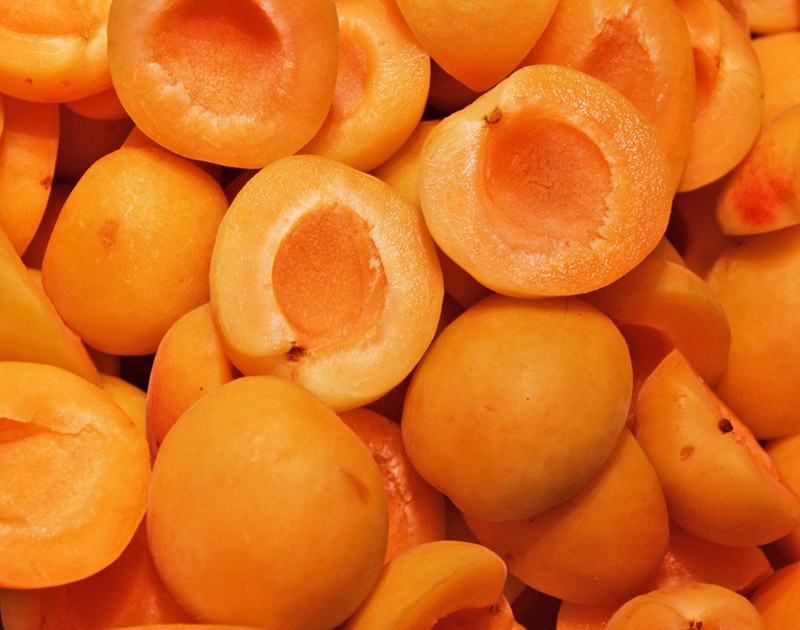
Among all the fruits dogs can eat, fresh apricots are a sound option full of vital nutrients and antioxidants to battle free radicals. They’re exceptional for eye health, offering a high amount of beta-carotene, which dogs will convert into vitamin A. Fiber is abundant for digestive health, while loads of potassium promote proper nerve and muscle function.
Apricots consist of over 85% water, with the rest being primarily carbohydrates in the form of simple sugars. Dogs can easily digest the apricot’s sucrose, a disaccharide of glucose and fructose. Like other stone fruits in the Prunus genus, apricots rank low on the glycemic index, indicating a minor impact on blood sugar levels.
How Many Apricots Can My Dog Eat?
Apricots can be relatively healthy for dogs. Like any fruit, they should only be a sparingly given treat making up no more than 10% of your dog’s daily caloric intake. Small breeds should only eat roughly ¼ - ⅓ an apricot daily, while larger dogs can eat a whole fruit sans pit.

Dangers of Apricots for Dogs
While the sweet fleshy bulk of the apricot is healthy and easy to eat, the pit is never okay for any animal or person to eat. Not only a choking hazard, but the apricot pit also contains amygdalin, a potentially lethal compound that forms cyanide when it combines with gut enzymes following ingestion.
Amygdalin is common to various parts of other stone fruit plants in the Prunus genus. Cherries, peaches, nectarines, and plums share similarly toxic pits. Signs of cyanide poisoning in dogs can include:
- Hyperventilation and accelerated heart rate
- Drooling
- Watery eyes
- Bright red mucous membranes shifting to blue
- Inappropriate evacuation
- Nausea and vomiting
- Muscle spasms and seizures
- Collapse
Urgent treatment is crucial, as dogs can die within several minutes of displaying signs. Antidotes to detoxify the body include sodium nitrite, dimethylaminophenol, and sodium thiosulfate.
Packaged and Canned Apricots
While apricots fresh from the tree don’t present any health concerns beyond the cyanide-creating pit, twigs, and leaves, canned and dried apricots can be unhealthy for a dog.
Added sugars and syrups in packaged apricots can defeat any benefits your pet could receive from the raw fruit. Dogs don’t digest processed sugar and will often experience an upset stomach. The buildup of undigested sugar allows for detrimental gut bacteria colonies, causing vomiting, diarrhea, and general discomfort. In excess over a long period, sugar can result in being overweight and inspire more severe conditions, such as diabetes or arthritis
Always double-check the ingredients before tossing a piece of apricot to your dog to ensure it won’t disagree with them. Then, consider the format. A slice of easy-to-chew raw apricot will provide some nutrition and antioxidants to your dog. But if you offer a tough dried apricot, they could be ingesting added chemicals and extra calories. Dehydrated apricots might be safe if they are cut into small enough pieces and have been processed without the addition of preservatives, such as sulfur dioxide.
Tips for Feeding Your Dog Apricots
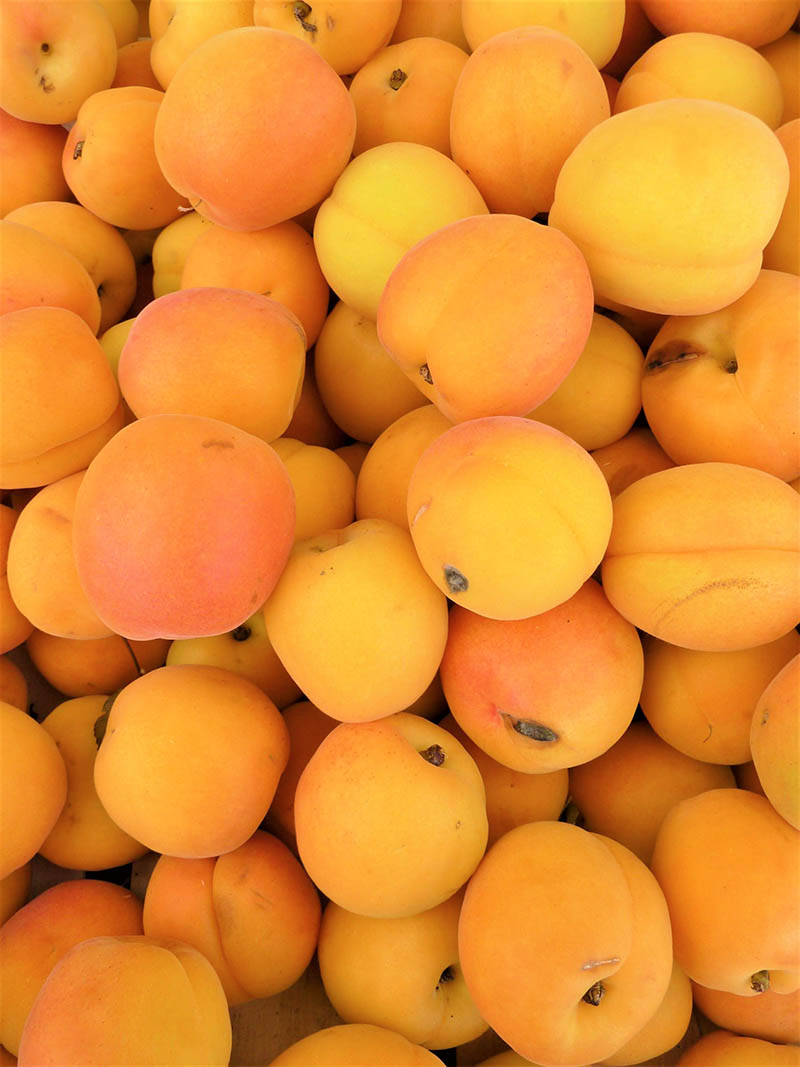
As carbohydrates are an essential energy source for a dog, apricots can fit into a healthy daily diet. Proper preparation is critical to prevent any adverse effects. Here are a few tips for safely serving your dog:
Wash fresh fruit well before serving
Cut up the fruit into manageable pieces
Discard the pit, leaves, and stems
Avoid dried apricots that may contain chemical preservatives
Check ingredients on packaged apricots to avoid artificial additives and extra sugar
Many worry about the sugar content in apricots and the implications for diabetes. When feeding your dog, remember that the primary risks are consuming too many calories and not getting enough exercise. While you should limit the amount of fruit you give your dog, there’s no need to worry about the effect of the occasional apricot on your dog’s weight.
Final Thoughts
Feeding your dog a few pieces of apricot is perfectly fine and can even be a go-to treat you can feel good about giving as a reward if your dog enjoys it. We can’t make any assumptions about what is and isn’t appropriate for our pets. Too often, owners apply their standards and offer different foods without considering their dog’s unique health needs. Always investigate the contents and benefits of new additions like apricots to the diet, and pay attention to your dog to see how they respond.
Get Hepper In Your Inbox


Pet care tips from our vets and experts, straight to your inbox.
You may opt-out at any time. View our Privacy Policy for more information.
Nicole is a lover of animals of all sizes but is especially fascinated with the feline variety. She’s the proud mom of Baby, a Burmese, and works every day so he can relax in the sunshine or by the fire. She’s always had a cat in her home and has spent countless days with others, observing behaviors and softening up even the grouchiest of the lot. Nicole wants to share her kitty expertise with you so you and your cat can live happy, healthy, and care-free.
Join the conversation
Ask a question, share your story, or send private feedback.