Hepper is reader-supported. When you buy via links on our site, we may earn an affiliate commission at no cost to you. Learn more.
10 Ingredients to Avoid in Dog Food: Vet-Approved Facts & FAQ



Many pet owners tend to not read the ingredient labels on their pets' food. But more people are starting to become more aware of what should and shouldn’t be in dog food. They’re opting for higher-quality food and shying away from ingredients that aren’t doing dogs any favors.
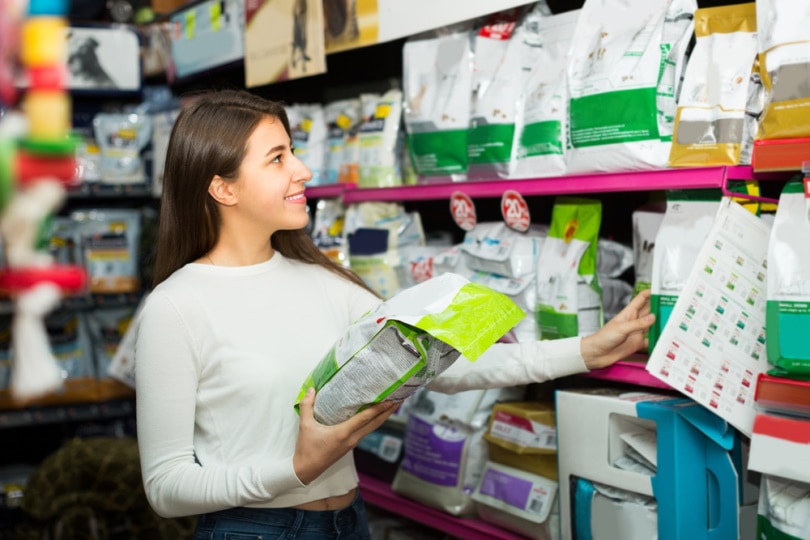
Looking at the dog food label can sometimes tell you what’s a high-quality ingredient, but other times, it can be difficult to decipher the words or understand what shouldn’t be there at all.
Here, we go over 10 ingredients that don’t belong in dog food, and we also briefly cover “good” ingredients.

The 10 Dog Food Ingredients to Avoid
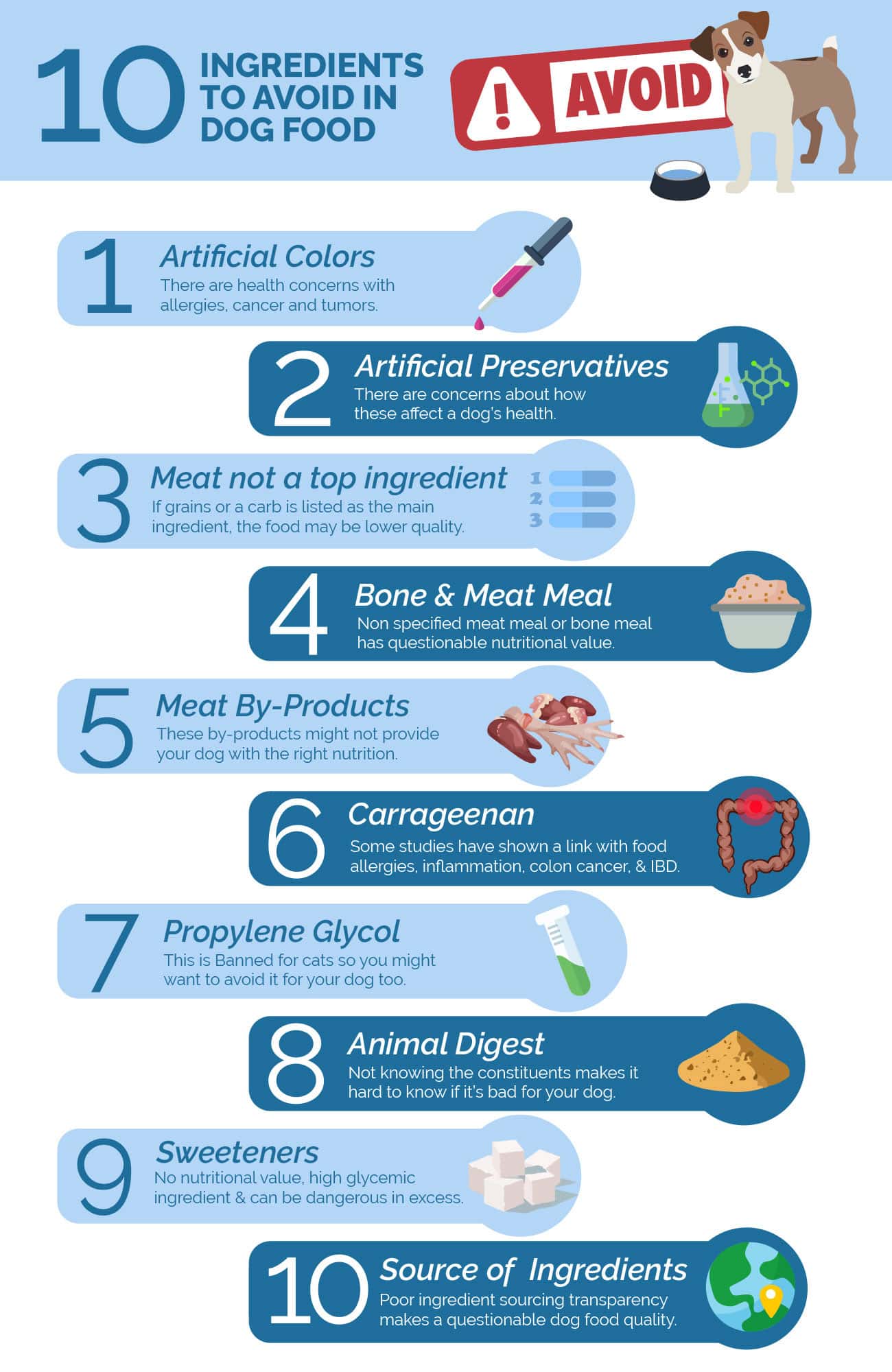
1. Artificial Colors
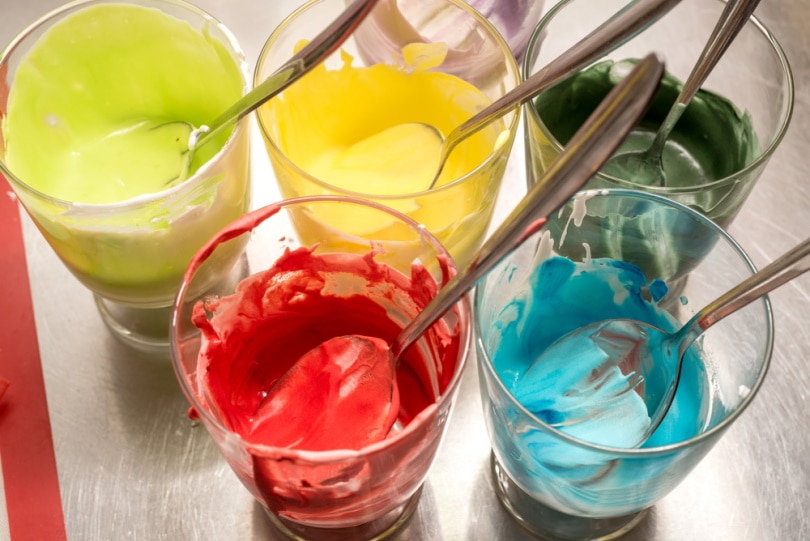
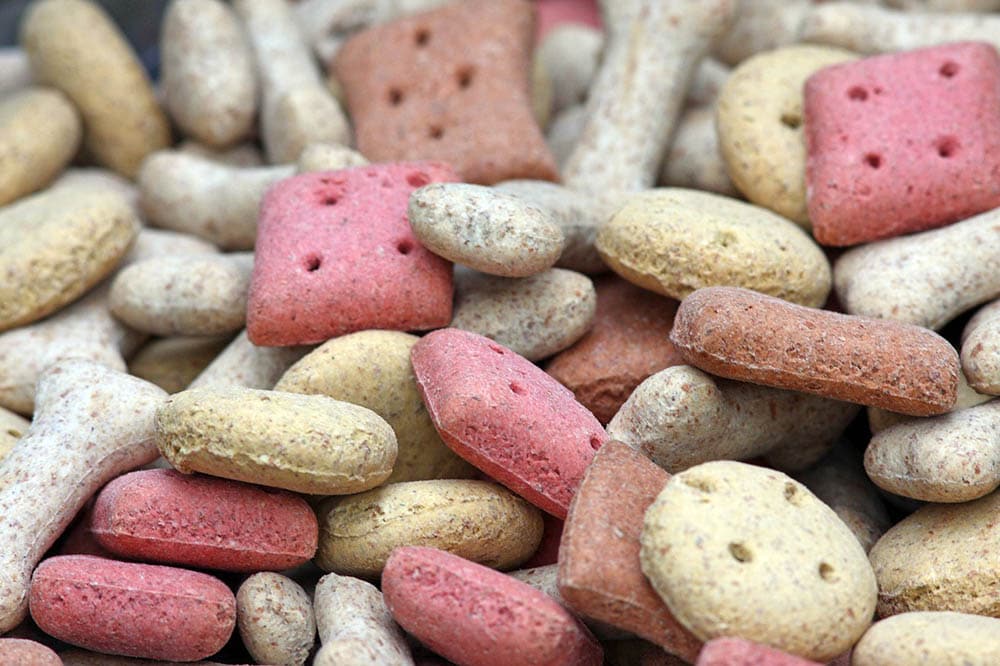
Adding artificial color to pet food has been a practice used for decades. All it does is make the food look prettier for us dog owners. Obviously, dogs don’t care how the food looks — just how it smells and tastes.
However, there are health concerns associated with artificial food coloring, including tumors, allergies, and cancer. That said, there is currently no conclusive evidence that artificial food dyes cause cancer, and it’s not a guarantee that your dog will develop allergies because of artificial colors in their food. If you don’t want to worry about it, though, avoid pet food that contains Blue 2, Red 3, Red 40, Yellow 5, Yellow 6, and caramel color.
2. Artificial Preservatives
Preserving dog food is essential because you don’t want the food going rancid too quickly.
Artificial preservatives are what most pet food manufacturers use. The most common ones are ethoxyquin, butylated hydroxytoluene (BHT), butylated hydroxyanisole (BHA), propyl gallate, and tertiary butylhydroquinone (TBHQ). They are all quite effective, but there are concerns about how these ingredients might affect a dog's health.
3. Meat Not Included Among the First Ingredients
The best dog food has named meat among the first few ingredients. The order in which the ingredients appear tells you how much of it is in the food by weight. If grains or a carb is listed as the main ingredient, the food may be of lower quality.
If meat is listed second or third but is otherwise surrounded by carbs, it means the food gets more nutrition from carbohydrates than meat.
Carbs are necessary for your dog’s health, but you don’t want your dog to have a diet heavier in carbs than protein. So, aim for food that lists whole meat as the first ingredient.
4. Bone and Meat Meal
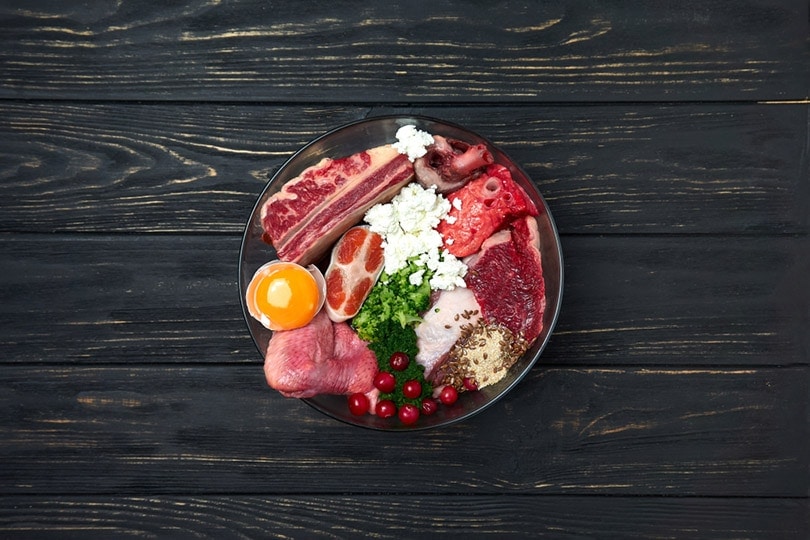
This ingredient does depend on the kind of food that you’re purchasing. High-quality dog food is more likely to have a high-quality meal. But bargain-type dog food will more likely use meals with questionable nutritional value.
When whole meat is used in dog food, much of the weight of the meat is composed of water, which evaporates when cooked. Meals have the water removed before cooking, so it’s a much higher concentration of protein.
But when you purchase cheap dog food that contains the generic title of “meat meal” or “bone meal,” there’s no way to tell if it’s good quality or not. Meat and bone meals don’t even tell you what animal they came from, let alone what went into them.
The final verdict is if you know that you’re purchasing high-quality dog food containing poultry or a named meal, it’s usually safe. Otherwise, avoid any food that says it has a nonspecified meat meal or bone meal.
5. Meat By-Products
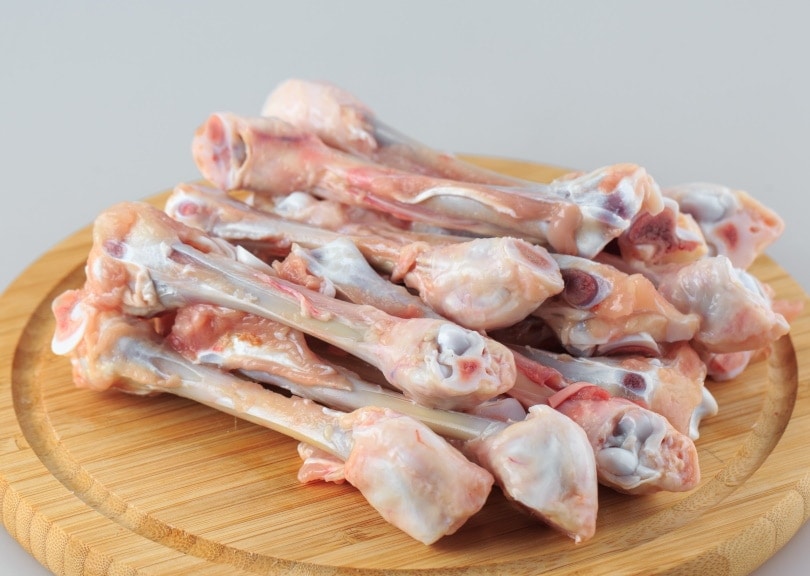
Most named by-products, such as chicken by-products, can be healthy additions to your dog’s food. These are just the bits and pieces that come from an animal when the meat has been removed. These can include things like bones, tendons, and organ meats, which might not sound too appetizing to us but will provide your dog with nutrients.
But if the by-product isn’t named and you see “meat by-product” or “animal by-product” on the label instead, you don’t know what you’re getting, especially if there aren’t any other whole meats listed. This may mean that these by-products won’t provide your dog with the right nutrition.
6. Carrageenan
Carrageenan is extracted from red seaweed and is used as a thickener, most typically in wet dog food. A few studies have shown a link between this ingredient and inflammation, colon cancer, food allergies, and IBD.
The FDA has approved carrageenan for now, but more studies are being done on this ingredient. If you’re worried, you can avoid this ingredient in the meantime.
7. Propylene Glycol
Propylene glycol is a moistening agent that can be found in some dry dog foods with a crumbly texture, as well as certain soft dog treats. While the FDA has deemed propylene glycol safe in small amounts, it’s not recommended in large and frequent amounts. It has been banned in cat food because cats have a more adverse reaction to it. While it might be okay for dogs, you might still want to avoid it.
8. Animal Digest
Animal digest isn’t necessarily bad for dogs but not knowing the constituents makes it hard to know for sure. It is used to increase the aroma and flavor of food.
Animal digest is made by using clean meat that is broken down through enzymes, acid, or heat, and turned into a powder or liquid to spray. It does not include things like feathers, horns, hooves, teeth, and hair.
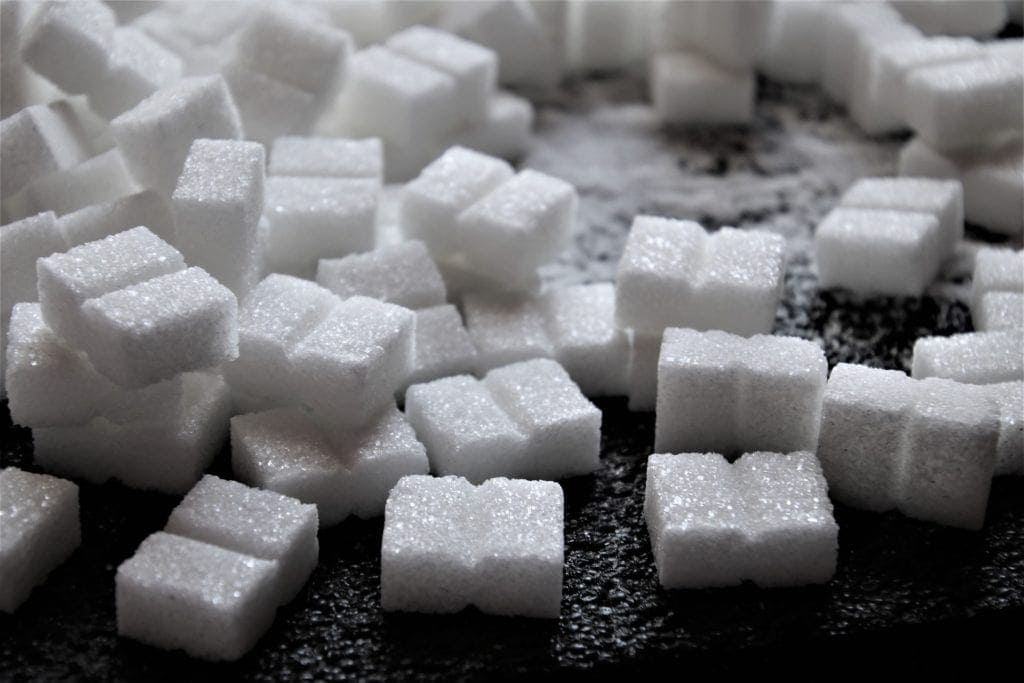
9. Sweeteners
Adding sweeteners, artificial or otherwise, to pet food is unnecessary. Some manufacturers add corn syrup, which adds no nutritional value to your dog’s food. It’s a high glycemic ingredient that isn’t good or needed for dogs.
Artificial sweeteners of any kind, such as saccharin, aspartame, and sucralose, can be dangerous for dogs in large amounts. Xylitol, in particular, is quite toxic for dogs.
10. Sourcing
This isn’t an ingredient, but it’s about ingredients in general. If dog food companies aren’t transparent about where they source their ingredients, they might be bringing in ingredients from cheap manufacturers in other parts of the world.
Locally sourced food is best. You’re not only supporting your local farmers, but you’re also generally guaranteed higher-quality ingredients, which are found in many higher-quality dog foods.
The manufacturing standards in the U.S., Canada, Europe, and Australia are much higher than in many other countries. So, if your dog food doesn’t offer any information on where the ingredients came from, try to find a food that does.
Picking the Right Dog Food
Now that you know what to avoid, here are a few tips on what to look for.
Grains
Grain-free food is all the rage but isn’t a good thing for all dogs. Unless your dog has a sensitivity to grains and your vet has specifically advised you to put your dog on a grain-free diet, grains are actually healthy additions to dog food.
Limited Ingredients
Most dog food manufacturers know the right balance of vitamins and minerals, which is why so many ingredient lists seem to be long.
Limited-ingredient foods are typically meant for dogs with food allergies and intolerances. If you’re in doubt about what’s in a dog food, chat with your vet, as they can help you decipher a few of those longer-named ingredients.

Food Allergens
The most common sources of food allergies in dogs tend to be proteins. Beef, chicken, dairy, and eggs are the most common ones.
Meat First
Remember, you want to see meat sources (and named ones, such as chicken meal or deboned chicken) listed within the first three ingredients, preferably in the number-one spot.
Your Dog
Your dog needs food specifically for their needs.
You need to keep the following things in mind when shopping for dog food:
Also, speak to your vet, especially if your dog has any health issues. They can help you find dog food suitable for your dog.
Optimize the benefits of your dog's diet with our calorie calculator here.
Final Thoughts
As a general rule, the cheaper the dog food, the cheaper the ingredients. Still, you don’t have to break the bank to get food that will be nutritionally balanced and contain the right ingredients.
Now you know more about what should and shouldn’t be on the ingredient list when you read a dog food label. If you care about what you put into your body, it’s probably important to you to know about what goes into your dog’s.
See Also:
Featured Image Credit: LADO, Shutterstock
Get Hepper In Your Inbox


Pet care tips from our vets and experts, straight to your inbox.
You may opt-out at any time. View our Privacy Policy for more information.
Kathryn was a librarian in a previous lifetime and is currently a writer about all things animals. When she was a child, she hoped to work in zoos or with wildlife in some way, thanks to her strong love for animals. Unfortunately, she's not strong in the sciences, so she fills her days with researching and writing about all kinds of animals and spends time playing with her adorable but terribly mischievous tabby cat, Bella. Kathryn is hoping to add to her family in the near future – maybe another cat and a dog.
Join the conversation
Ask a question, share your story, or send private feedback.