Hepper blog

Search our database of over 9,984 posts with up-to-date information from our experts and veterinarians.

Hepper is reader-supported. When you buy via links on our site, we may earn an affiliate commission at no cost to you. Learn more.

Can Dogs Eat Peas? Nutrition Facts & FAQ
By Nicole Cosgrove
Share
Ask us a question in the comments
can dogs eat peas graphic 2

If your dog is like most, they probably snatch up any food that they can find, whether it's a meal you leave out for them or a scrap of food that you drop on the kitchen floor while making dinner for your human family members. The bottom line is that they're typically not too picky when it comes to what’s on their menu. Most dogs even enjoy eating vegetables, like carrots, as snacks or along with their meals. In fact, many commercial dog food companies include vegetables in their formulas.

This is not to say that dogs should eat every piece of product they come across, of course. After all, foods like onions are toxic to dogs and can even be deadly. But can dogs eat peas? Are peas safe for dogs? The short answer is yes! However, there are certain instances when a dog should not eat peas. Here is everything you need to know about feeding your dog peas.

Why Are Peas OK for Dogs?

While green peas should not be a major part of your dog's diet, there is no reason that they cannot enjoy a few as a snack or as a small part of their meal. Peas contain vitamins and minerals that dogs can benefit from. These little green gems are full of vitamins A, C, and K and are a great source of fiber to help keep your pup’s digestive system working well.

Peas are also a great source of antioxidants that work to protect the immune system. Peas are not typically a choking hazard, although they can get stuck in small dogs' throats if they are not well-cooked. They are also easy to cook and serve, making them a nutritious and healthy snack that is convenient to offer dogs at snack time.
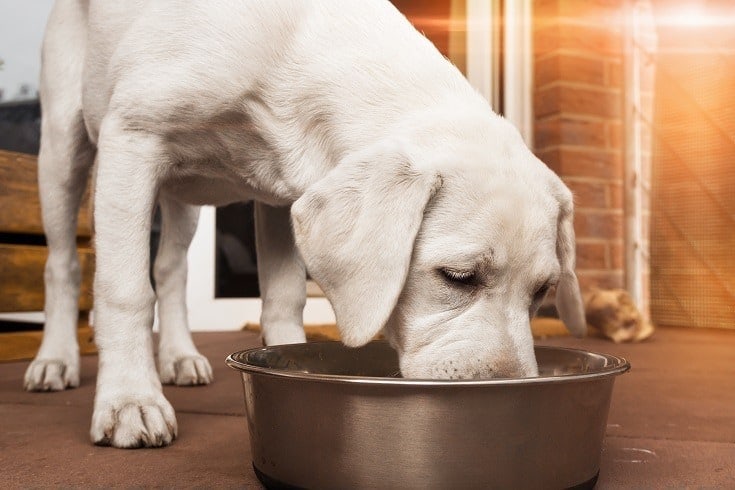
White Dog Eating
Image By: manushot, Shutterstock

When Are Peas Dangerous for Dogs?

Peas are high in purines, which is not safe for dogs suffering from leishmaniasis. In this case, peas should be avoided altogether. Purines can also cause the development of kidney stones, especially if a dog is already susceptible to kidney problems. In this case, peas should be offered on a limited basis, if at all. Canned peas should be avoided for all dogs because they tend to be high in sodium, which can dehydrate your dog and cause poisoning, and result in symptoms such as vomiting, diarrhea, and even seizures. Otherwise, peas seem to be safe for dogs in general.

How Can Peas Be Fed to Dogs?

Peas should always be shelled before they are cooked and prepared for dogs to minimize the risk of choking and to ensure proper digestion. Peas should be cooked thoroughly until they are soft because chances are that your dog will not chew them to prepare them for digestion. Thoroughly cooked peas will more easily break down in the stomach and digest easily. You can mix a small handful of peas in with your dog’s food at mealtime, use them as treats during training sessions, or simply offer a couple up at snack time. Here are other feeding options to consider.

  • Make a Pea Spread. Blend a cup of peas up with a little chicken broth to make an easy spread that can be put on treats or crackers at snack time. It can also be mixed in with dry food to soften it a little for older dogs.
  • Bake Crackers. Mix a cup of oats, ½ cup of pureed peas, an egg, and a tablespoon of ground flaxseed, and let the mixture sit for 15 minutes. Then, roll the mixture into small balls and bake the balls for about 10 minutes in the oven until they become firm.
  • Freeze Cubes. Blend a few peas with peanut butter, roll the mixture into balls, and freeze the balls overnight to create the perfect treat for a hot summer day.

Peas can also be used to hide the medication that you need to give your dog. Just mush peas around the pill and offer it up as a treat. Chances are that your dog will not have any problem accepting it.
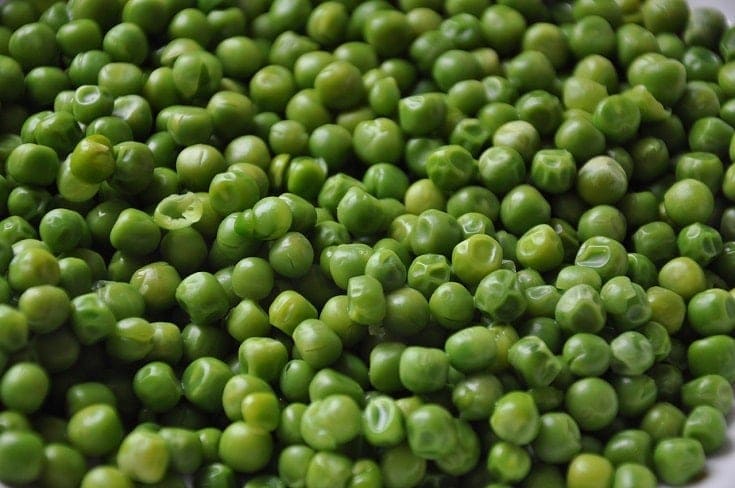
Peas
Image By: wantul, Pixabay

Final Thoughts

Green peas can be a healthy addition to most dogs' diets, and they are affordable too! Any time you cook peas up for yourself, add a few extras to share with your pooch. If you are concerned about whether your pooch has kidney issues to worry about, consult your veterinarian before deciding to add peas to their diet. Are you planning to start feeding your dog peas? Why or why not? We want to hear from you in our comments section below.


Featured Image Credit: Matthias Böckel, Pixabay

Get Hepper In Your Inbox

Pet care tips from our vets and experts, straight to your inbox.

List

Select all that apply.

You may opt-out at any time. View our Privacy Policy for more information.

Nicole Cosgrove
Authored by

Nicole Cosgrove

Join the conversation

Ask a question, share your story, or send private feedback.
Rate this post
Required to post. Only our editors see your rating.
Who should see this?

A human reviews every comment before it appears. Your email is never published.

Picked to go with this article

Can Dogs Eat Sugar Snap Peas? Nutrition Facts & Guide

Can Dogs Eat Sugar Snap Peas? Nutrition Facts & Guide

Maybe you came home from the farmer’s market with a glut of fresh sugar snap peas, and even though they are delicious, you can only eat so many! What about fee…

Nicole Cosgrove
By Nicole Cosgrove ·
Does My Dog Need Vegetables to Stay Healthy? What You Should Know!

Does My Dog Need Vegetables to Stay Healthy? What You Should Know!

It's pretty rare to see a dog crunching on lettuce or getting a carrot stick as a treat. Dogs are known for having voracious appetites, but mostly for protein-…

Nicole Cosgrove
By Nicole Cosgrove ·
Can Dogs Eat Chickpeas? Vet-Reviewed Info on Garbanzo Beans, Hummus & More

Can Dogs Eat Chickpeas? Vet-Reviewed Info on Garbanzo Beans, Hummus & More

Chickpeas are a fiber-rich source of protein that are part of the legume family. They are popular in Indian, Moroccan, and other cuisines. Chickpeas can be saf…

Nicole Cosgrove
By Nicole Cosgrove ·
Can Dogs Eat Pears? Are Pears Safe for Dogs?

Can Dogs Eat Pears? Are Pears Safe for Dogs?

Since dogs are omnivores, eating foods such as spinach, apples, and squash is good for them. Dogs can also safely eat pears, which is excellent for them becaus…

Nicole Cosgrove
By Nicole Cosgrove ·

Keep reading

More stories you might like

Can Dogs Eat Green Beans? Nutrition Facts & Risks

Green beans are a great addition to a healthy, balanced diet and a delicious addition too! But can your dog eat green beans? Are green beans safe for dogs? The…

Nicole Cosgrove
By Nicole Cosgrove ·
Can Dogs Eat Green Beans? Nutrition Facts & Risks

Can Dogs Eat Peaches? Nutrition Facts & Benefits

Can dogs eat peaches? The short answer is yes! Peaches are not only safe but can be a tasty, healthy treat for your dog. However, before you start running to t…

Nicole Cosgrove
By Nicole Cosgrove ·
Can Dogs Eat Peaches? Nutrition Facts & Benefits

Can Dogs Eat Asparagus? Vet-Approved Health & Safety Facts

Like us, dogs need their diet to be diverse and balanced to keep them healthy and fit. Many dog owners need clarification on what to feed their canine companio…

Jana Blagojevic
By Jana Blagojevic ·
Can Dogs Eat Asparagus? Vet-Approved Health & Safety Facts

Can Dogs Eat Brown Rice? Nutrition Facts & Safety Guide

Like most dog owners, you likely feed your furry family member a commercial dry or wet food during mealtime. Not only is it convenient, but it is also nutritio…

Nicole Cosgrove
By Nicole Cosgrove ·
Can Dogs Eat Brown Rice? Nutrition Facts & Safety Guide

Can Dogs Eat Brussels Sprouts? Vet-Reviewed Nutrition Facts & Risks

Despite their polarizing flavor, Brussels Sprouts are a staple of many fall and winter dinners! Dogs can eat Brussels sprouts safely, as long as a few precauti…

Beth Crane
By Beth Crane ·
Can Dogs Eat Brussels Sprouts? Vet-Reviewed Nutrition Facts & Risks

Can Dogs Eat Parsley? Vet-Approved Nutrition Facts & Safety Guide

Parsley is a popular herb because it lends a subtle flavor to soup and salads and serves as a garnish on many dishes. There are different varieties of parsley,…

Nicole Cosgrove
By Nicole Cosgrove ·
Can Dogs Eat Parsley? Vet-Approved Nutrition Facts & Safety Guide

Can Dogs Eat Tomatoes? Nutrition Facts & Safety Guide

Tomatoes are common ingredients in many cuisines around the world. If you are a dog owner, you may have wondered whether these fruits are safe for your furry f…

Nicole Cosgrove
By Nicole Cosgrove ·
Can Dogs Eat Tomatoes? Nutrition Facts & Safety Guide

Can Dogs Eat Pistachios? Nutrition Facts & Safety Guide

Most dogs will gobble up anything, even if it's something that's—well—inedible. When it comes to dogs indulging in human food, most pet owners know the risks a…

Nicole Cosgrove
By Nicole Cosgrove ·
Can Dogs Eat Pistachios? Nutrition Facts & Safety Guide