Hepper is reader-supported. When you buy via links on our site, we may earn an affiliate commission at no cost to you. Learn more.
Can Dogs Eat Blackberries? Health & Nutrition Facts

In this article
If you have blackberries around your home and you are wondering if it’s ok to feed them to your dog, the short answer is yes. It is perfectly safe to feed your pet a few blackberries, and it will even receive some nutritional benefits from them. However, there are a few things to consider before shelling out too many, and we're going to cover the pros and cons of feeding your dog blackberries right now.
Join us while we look at the nutritional value and health benefits your pet will receive from eating blackberries, as well as any possible dangers that you should know about to help you feel good about what you are feeding your pet.

Are blackberries bad for my dog?
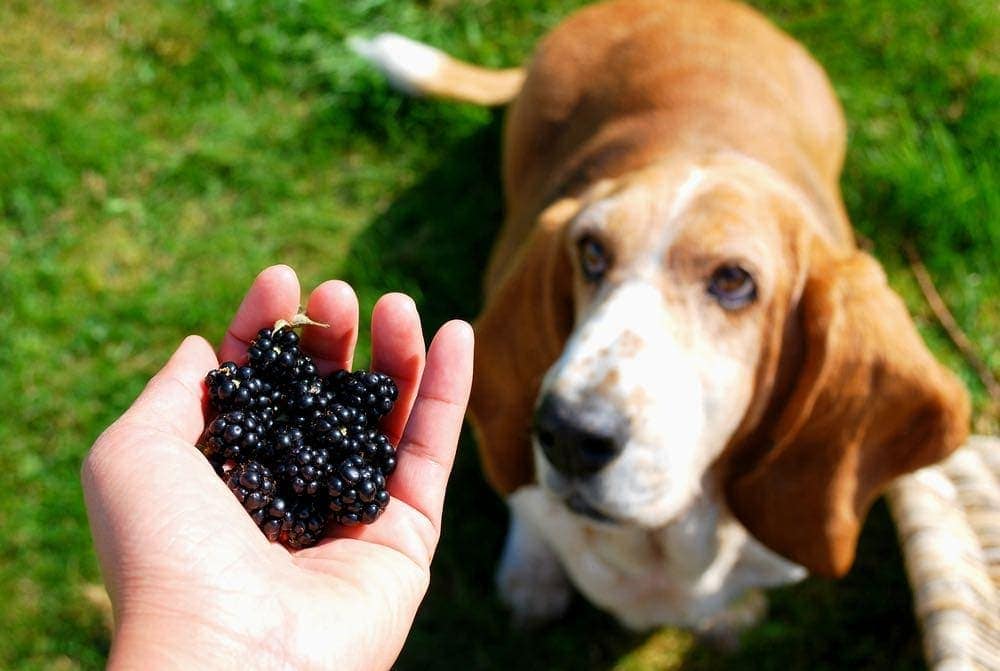
Blackberries do contain the harmful ingredient Xylitol which can be deadly to dogs. However, there is only a tiny amount, and your dog will not be able to eat enough to cause any problems. There are a few issues that you might need to watch out for, though, before you make blackberries a regular part of your pet’s diet, including diarrhea, vomiting, and an upset digestive system.
Your dog’s gastrointestinal tract is extremely sensitive, and almost anything can throw it off balance, which includes too many blackberries. When the digestive system is not balanced, your pet can get diarrhea, gas, and loose stools. In more extreme cases, they can get an upset stomach, which can cause belching and bad breath, and vomiting may occur.
We recommend feeding your pet no more than a handful of blackberries per day. Less until you know your pet's digestive system can handle it.
Are blackberries good for my dog?
Here are a few ways blackberries make an excellent treat for your dog.
- Blackberries are low in calories. At a time when dog obesity is on the rise and pet foods, especially treats, are contain more and more sugar and fats, it’s important to find and supply your pet with a low-calorie treat. There are only 62 calories in a full cup of blackberries, so there are practically none in a handful.
- Blackberries are low in sugar. Sugar leads to tooth decay and other health problems that you can avoid by watching how much sugar they consume. Not only are blackberries low in sugar, they also only contain natural sugar, and none of the processed sugars we find in other treats.
- Blackberries are high in fiber. Fiber helps to regulate your pet’s digestive system and can prevent constipation as well as diarrhea. It also helps your pet feel full longer, so they don’t eat as much.
- Blackberries are high in vitamins A, B, C, E, and K. These vitamins help your pet build a strong immune system, increase energy, encourage growth, reduce inflammation, and more. All these vitamins are on the American Kennel Clubs list of the seven vitamins your dog needs to stay healthy.
- Blackberries contain omega fatty acids. Omega fatty acids can help with brain and eye development when your dog is a puppy, and they continue to help when your dog is older by helping to provide a soft and shiny coat. Omega fats also help with joint pain, and they can reduce swelling.
How do I feed blackberries to my dog?
We recommend starting slow with a few blackberries at a time to make sure your pets' digestive system can handle them. Once they are used to the new food, you can give them more, but make sure you are following the 10% rule. The 10% rule states that no more than 10% of your dog’s total daily calories should come from treats. This rule makes sure that 90% of your pet’s dietary calories are from well-balanced dog food that provides your pet with complete nutrition.
Since blackberries are so low in calories, the 10% rule will allow you to give them quite a bit. However, you can also make DIY treats to add some variety to the way you serve blackberries. We found this great recipe over at the American Kennel Club that we would like to share with you.
Blackberry Biscuit Treats
Here is the recipe for Blackberry Biscuit Treats as it appears on the American Kennel Club website.
Ingredients
- 4 cups almond flour
- ½ cup blackberries
- ¾ cup flax meal
- ¼ cup extra virgin olive oil
- One cup of water
- One egg
Instructions
Preheat your oven to 350 degrees
Cover a baking sheet with parchment paper
In mixing bowl, mix all ingredients until they form a thick dough
Use a rolling pin to roll the dough to a thickness of ¼ inch
Use a cookie cutter to cut out small treats
Place biscuits on cookie sheet approx. 1 inch apart
Bake for thirty minutes, or until golden brown
Remove from oven and let cool
Store in a dry, airtight container


Final Thoughts
Blackberries are a healthy alternative to most commercially bought dog treats. They have plenty of vitamins, antioxidants, and omega fats to help keep your pet healthy with a soft, shiny coat. There is a small amount of Xylitol in many types of berries, so you do not want to get carried away and give them blackberries. There's also a slight danger it can upset your pet’s delicate digestive system, especially at first, so it’s important to start slow with only two or three blackberries at a time. Once you are sure there are no negative reactions, you can give larger amounts.
We hope you have enjoyed reading over our look into the safety and health benefits of blackberries and have learned something new about this amazing fruit. If it has helped you, and you think you’ll try out the recipe we have provided, please share this guide to feeding your dog blackberries on Facebook and Twitter.
See Also:
Featured Image Credit: Pixabay
Get Hepper In Your Inbox


Pet care tips from our vets and experts, straight to your inbox.
You may opt-out at any time. View our Privacy Policy for more information.

Nicole is a lover of animals of all sizes but is especially fascinated with the feline variety. She’s the proud mom of Baby, a Burmese, and works every day so he can relax in the sunshine or by the fire. She’s always had a cat in her home and has spent countless days with others, observing behaviors and softening up even the grouchiest of the lot. Nicole wants to share her kitty expertise with you so you and your cat can live happy, healthy, and care-free.
Join the conversation
Ask a question, share your story, or send private feedback.