Hepper blog

Search our database of over 9,984 posts with up-to-date information from our experts and veterinarians.

Hepper is reader-supported. When you buy via links on our site, we may earn an affiliate commission at no cost to you. Learn more.

Can Dogs Eat Brussels Sprouts? Vet-Reviewed Nutrition Facts & Risks

By Beth Crane · Reviewed & fact-checked by Dr. Karyn KanowskiVet Approved
Dr. Karyn Kanowski
Reviewed & Fact-Checked byDr. Karyn KanowskiVeterinarian
Karyn has lived in the UK for the past 10 years after moving from Queensland, Australia. In 2010, she graduated from The University of Queensland School of Veterinary Science, and also holds a Bachelor’s degree in Zoology. Karyn is passionate about using evidence, experience, and owner collaboration to provide the best solutions for pets, and believes in making reliable information about animal health accessible to all. She shares her home with 5 cats, 4 dogs, and 1 husband, and when she is not practising as a veterinary surgeon, she spends her time writing, gardening, and cleaning up pet hair!View authorThe information is current and up-to-date in accordance with the latest veterinarian research. Read about our vets
Share
Can Dogs Eat Brussels Sprouts

In this article

Despite their polarizing flavor, Brussels Sprouts are a staple of many fall and winter dinners! Dogs can eat Brussels sprouts safely, as long as a few precautions are taken, and they're cooked plain. They even have some health benefits, which we'll explore, and possible dangers you should look out for.

Are Brussels Sprouts Healthy for My Dog?

Brussels Sprouts are cruciferous vegetables that can provide a healthy dose of vitamins and minerals if fed in moderation, provided they are not cooked with anything dangerous, like onions or garlic. They contain some other not-so-beneficial substances that we'll cover below, but some of the benefits that a couple of sprouts can give your dog are:

  • Vitamin A: Vitamin A is an essential vitamin that dogs need from their diet. Vitamin A can help support vision in dogs, keep their immune systems healthy, support healthy bone growth, and help with cellular reproduction. One Brussels sprout contains a modest 7.22 micrograms of vitamin A. A cup (around 88 grams) contains 33.4 micrograms of vitamin A, and adult dogs need around 379 micrograms daily to stay healthy.
  • Vitamin C: Vitamin C is a useful vitamin that acts as an antioxidant, eliminating harmful free radicals in your dog's body that cause oxidative damage to cells. A cup of Brussels Sprouts contains around 74.8 mcg of vitamin C, but, unlike humans, dogs can also synthesize it in their livers, so there isn't a specific recommended amount.
  • Vitamin B1: Vitamin B1 (or Thiamin) is essential for a dog's metabolic processes. Vitamin B1 helps your dog use energy and metabolize carbohydrates and also plays a part in your dog's neuron activation. A cup of Brussels Sprouts contains 0.122 mcg of B1, providing double the recommended 0.56 mcg daily dose for dogs.
  • Vitamin B6: Vitamin B6 is an important vitamin that plays a role in your dog's bodily processes. Vitamin B6 supports healthy red blood cell production and nervous system function, helps your dog generate and use glucose (energy), regulates hormones and immune response, and helps activate certain genes. That is one useful vitamin! One cup of Brussels Sprouts provides 0.193 mcg of vitamin B6, and dogs should have around 0.4 mcg daily to stay healthy.
  • Vitamin K: Vitamin K is important to help your dog's blood clot properly. A cup of Brussels Sprouts contains 158 mcg of vitamin K, and the recommended daily intake for dogs should be 0.41 mcg.

Sprouts also contain lots of fiber that can help your dog’s digestion and stool quality. Sprouts are also a good source of potassium for dogs, which supports nerve and muscle impulses in the body. A cup of Brussels Sprouts contains a whopping 342 mcg of potassium, and dogs only need a gram a day!

cocker spaniel dog eating
Photo Credit: O_Lypa, Shutterstock

The Risks of Giving Your Dog Brussels Sprouts

While there are benefits to giving your dog some Brussels Sprouts, you need to be aware of the risks. Too many Brussels Sprouts all at once can cause your dog serious discomfort; they have a reputation for causing gas for a reason!

They contain a high amount of sugar called raffinose (also found in beans). This complex sugar cannot be completely digested, so it passes into the intestine, where bacteria also breaks down food. This produces the smelly gas we associate with sprouts; even a small amount can make your dog clear the room! However, trapped wind can be extremely painful, so if you notice your dog looking bloated after eating Brussels sprouts, you may end up needing to contact your vet for help.

Too many sprouts can cause digestive upset such as diarrhea alongside flatulence, but sprouts shouldn't cause any other effects if served plain, and in small amounts. If you're concerned that your dog seems uncomfortable, you should contact your veterinarian; otherwise, you can rest assured that discomfort and flatulence are the only side effects your dog can get from eating plain Brussels Sprouts, as they're non-toxic.

How Many Brussels Sprouts Can My Dog Eat?

There isn't a recommended guideline for how many Brussels Sprouts your dog can eat, but it's safe to say you should only feed them as an occasional treat. You should notify your veterinarian first if you plan to give your dog new foods, such as Brussels Sprouts, especially if your dog has any health concerns.

A small serving of around three Brussels Sprouts is enough for your dog to reap the health benefits without risking too much digestive upset in most cases, but always start off by introducing a small portion first to gauge your dog's reaction!
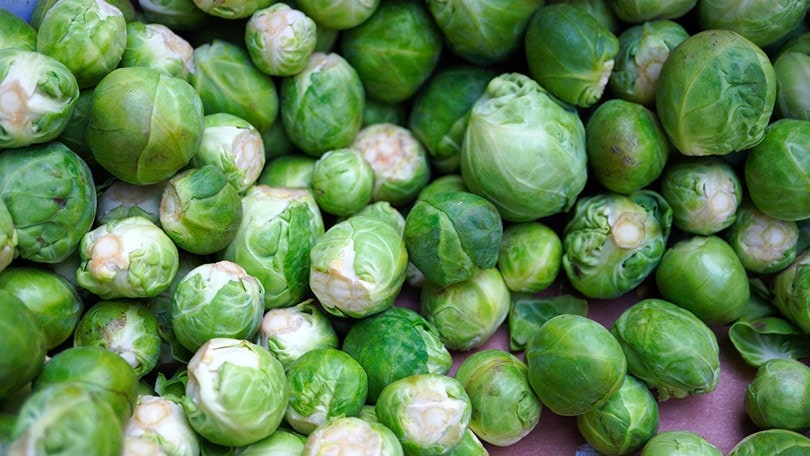
close up of brussels sprouts
Photo Credit: matthiasboeckel, Pixabay

How Can I Safely Prepare Brussels Sprouts for My Dog?

You should cook Brussels Sprouts before giving them to your pup, as they'll be too hard to digest if given raw. Brussels Sprouts can be boiled, steamed, or baked; steaming is the best way to prepare them for your dog since they retain the most nutrients. Make sure you only serve Brussels Sprouts to your dog if they're plain and unseasoned.

Many people enjoy their Brussels sprouts cooked with butter and bacon, presumably because this stops them tasting of sprouts and makes them taste of butter and bacon! But this tasty modification should never be served to your dog as it will likely cause digestive problems such as diarrhea and vomiting due to the higher fat content. This is particularly important for dogs on a diet or those with health problems such as pancreatitis.

Never serve your dog Brussels Sprouts if they have been cooked with onions or garlic, as these allium plants are toxic to dogs even in small amounts and can cause serious illness if ingested.

Cutting the Brussels Sprouts into bite-sized quarters can prevent choking (particularly in smaller dogs). Make sure to wash the spouts thoroughly before cooking them for your pup, and don't serve the tough stems if you have them.

Final Thoughts

Brussels Sprouts are a healthy treat for your dog in moderation, and they provide several vitamins and minerals. Cooking a few Brussels Sprouts as a treat can benefit your dog as long as they are plain, but avoid giving them too many because Brussels Sprouts contain sugar that causes lots of gas!

Too many sprouts can cause excessive flatulence, digestive upset, and diarrhea, and sticking to around three per serving maximum is best. Always confirm that any new foods are okay to give to your dog before serving them since they may be unsuitable for dogs with certain medical conditions.

Sources

Featured Photo Credit By: Free-Photos, Pixabay

Get Hepper In Your Inbox

Pet care tips from our vets and experts, straight to your inbox.

List

Select all that apply.

You may opt-out at any time. View our Privacy Policy for more information.

Beth Crane
Authored by

Beth Crane

Join the conversation

Ask a question, share your story, or send private feedback.

Rate this post
Required to post. Only our editors see your rating.
Who should see this?

A human reviews every comment before it appears. Your email is never published.

Picked to go with this article

Can Dogs Eat Cabbage? Vet Approved Facts & FAQ

Can Dogs Eat Cabbage? Vet Approved Facts & FAQ

Do you often find your dog staring at you as you eat your dinner? It can be hard to resist such an expression, so you may be tempted to save a little treat for…

Nicole Cosgrove
By Nicole Cosgrove ·
Can Dogs Eat Asparagus? Vet-Approved Health & Safety Facts

Can Dogs Eat Asparagus? Vet-Approved Health & Safety Facts

Like us, dogs need their diet to be diverse and balanced to keep them healthy and fit. Many dog owners need clarification on what to feed their canine companio…

Jana Blagojevic
By Jana Blagojevic ·
Can Dogs Eat Artichokes? Vet-Reviewed Benefits, Risks, & FAQs

Can Dogs Eat Artichokes? Vet-Reviewed Benefits, Risks, & FAQs

The artichoke is a popular plant that people love to consume due to its nutritional benefits, including a high fiber content, vitamins, and minerals. Artichoke…

Visnja Radosavljevic
By Visnja Radosavljevic ·
Can Dogs Eat Radishes? Vet-Reviewed Facts & Suggestions

Can Dogs Eat Radishes? Vet-Reviewed Facts & Suggestions

Some dog owners prefer to feed strictly kibble diets, while others swear by home-cooked meals with fish and meat. In any case, to keep our furry buds well-fed…

Nicole Cosgrove
By Nicole Cosgrove ·

Keep reading

More stories you might like

Can Dogs Eat Sauerkraut? Health & Nutrition Facts

For those of you with an adventurous eater that you just found in the pantry looking guilty, here’s the short answer: yes, dogs can eat sauerkraut. But should…

Nicole Cosgrove
By Nicole Cosgrove ·
Can Dogs Eat Sauerkraut? Health & Nutrition Facts

Can Dogs Eat Tomatoes? Nutrition Facts & Safety Guide

Tomatoes are common ingredients in many cuisines around the world. If you are a dog owner, you may have wondered whether these fruits are safe for your furry f…

Nicole Cosgrove
By Nicole Cosgrove ·
Can Dogs Eat Tomatoes? Nutrition Facts & Safety Guide

Can Dogs Eat Blackberries? Health & Nutrition Facts

If you have blackberries around your home and you are wondering if it’s ok to feed them to your dog, the short answer is yes. It is perfectly safe to feed your…

Nicole Cosgrove
By Nicole Cosgrove ·
Can Dogs Eat Blackberries? Health & Nutrition Facts

Can Dogs Eat Berries? Vet-Reviewed Nutrition Facts & Safety Guide

Your furry friends are more than just pets; they are part of the family, so their nutrition and health should be a top priority. As pet parents, it is normal t…

Nicole Cosgrove
By Nicole Cosgrove ·
Can Dogs Eat Berries? Vet-Reviewed Nutrition Facts & Safety Guide

Progressive Retinal Atrophy in Dogs: Signs, Causes & Treatment

If you’re like most dog fanatics, the day you adopt a puppy or adult dog is one of your happiest, most exciting, and most emotional days. The last thing on you…

Gregory Iacono
By Gregory Iacono ·
Progressive Retinal Atrophy in Dogs: Signs, Causes & Treatment

Is Great Wolf Lodge Pet Friendly? 2026 Policy & Requirements

Are you planning a trip to one of the Great Wolf Lodge’s locations but unsure if they are pet-friendly? Knowing the facts before you go is essential in ensurin…

Rachel Giordano
By Rachel Giordano ·
Is Great Wolf Lodge Pet Friendly? 2026 Policy & Requirements

Is Meijer Pet Friendly? 2026 Policy, Requirements & FAQ

Have you ever considered taking your furry friend to your local Meijer store? If so, this guide will shed some light on Meijer’s pet policy for the current yea…

Nicole Cosgrove
By Nicole Cosgrove ·
Is Meijer Pet Friendly? 2026 Policy, Requirements & FAQ