Hepper is reader-supported. When you buy via links on our site, we may earn an affiliate commission at no cost to you. Learn more.
Can Dogs Eat Pringles? Vet Reviewed Health & Safety Facts



In this article
Pringles are a popular snack for humans. However, they can be quite dangerous for dogs. As with humans, these snacks are better eaten in moderation, and some flavors should be avoided entirely.
Pringles are one of the best-selling chip brands in America, meaning it is very likely that you have some in your house. If your dog got into these, it could be dangerous for your furry friend.
Pringles aren’t necessarily toxic for dogs, though some of their flavors can be. The biggest concern when a dog eats Pringles is the high fat content, sodium, and even some spices. While one chip may not hurt your dog, you should avoid giving them regularly. The high amount of fat is terrible for your dog, and the sodium can potentially poison them if ingested in high enough quantities.
Hopefully, your dog has only had a pringle or two, however, if they get the whole tube and contents you should check with your veterinarian if they need to be seen. The seasonings, as well as the fat levels, can be dangerous for certain dogs. For example, the sour cream and onion flavor is potentially toxic, as anything that contains onion, garlic, and too much salt is potentially dangerous.

What If My Dog Ate Too Many Pringles?
If your dog ate too many Pringles, they could show a couple of signs that you need to take them to the vet. If there’s a possibility that your dog ingested either garlic or onion let your vet know the quantities. Here are some signs that your dog may show if you need to take them to the vet:
- Vomiting
- Diarrhea
- Lethargy
- Dehydration (from the vomiting)
- Seizures
If your dog shows any of these signs, especially if they have a seizure, you need to take them to the vet. Sodium poisoning and garlic/onion ingestion can cause severe consequences in extreme cases. Most dogs would need to eat a lot of Pringles to become poisoned.
When you take your dog to the vet, they will first help with controlling the seizures if they’re present. They will also evaluate your dog’s health status, and discuss if further testing or treatment is required.
Monitoring will likely occur, meaning you’ll either have to monitor them at home or leave your pet at the vet overnight or for a few days. The monitoring will ensure they don’t have any worse symptoms, such as vomiting, and to ensure they keep eating and drinking.

Why Can My Dog Not Have Pringles?
Essentially, it’s because of the content that makes up the Pringles. Sure, with plain Pringles, giving them one or two should be fine. However, the high salt and fat content is extremely unhealthy for your dog. Not only is the salt and fat content dangerous, but some seasonings can also be dangerous. Even a little onion or garlic powder can be toxic to a small dog. If you have Pringles in the house, especially sour cream and onion flavored, keep them somewhere safe, perhaps high up in the pantry or a storage box made for chips.
Too much salt causes sodium toxicosis, which can be very dangerous. The ingestion of 2 to 3g salt/kg will result in showing clinical signs. A 30g portion of plain Pringles contains 152 mg of sodium. This illness can significantly harm your dog, making them stop eating and drinking and causing vomiting and diarrhea but is not likely from eating a few Pringles.

What About Potatoes?
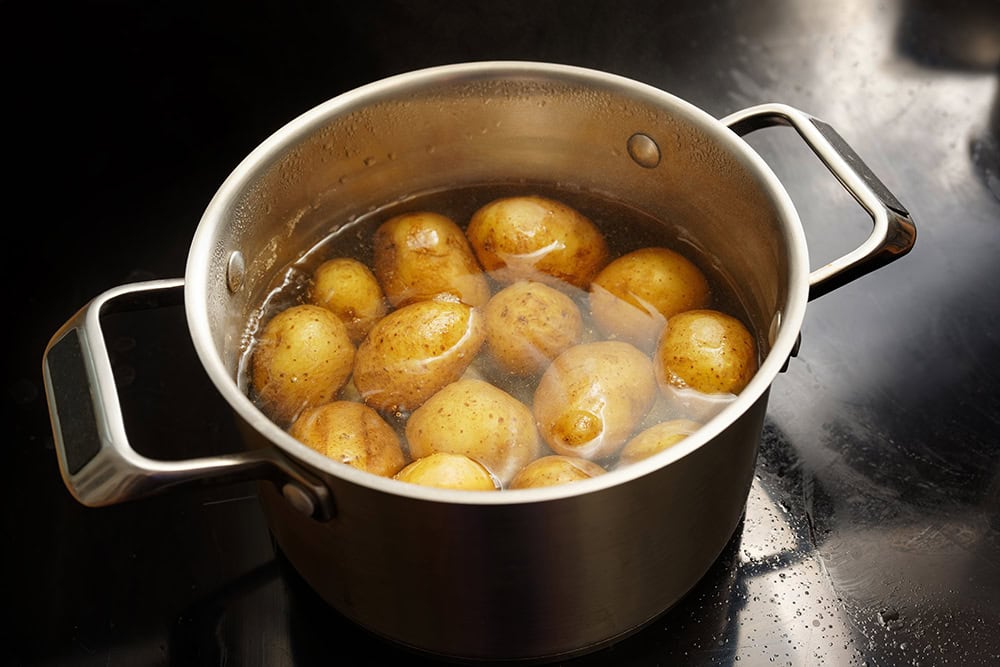
You do not want to include green potatoes in your dog’s diet. However, other kinds of potatoes may work. The first thing you need to do is ensure that it’s cooked. Raw potatoes are very unhealthy for dogs as they contain a compound called solanine, which is toxic.
Cooking the potatoes ensures that the solanine is lessened. Also, the only kinds of potatoes that are safe for dogs to ingest are white and sweet potatoes. Again, make sure they’re cooked before giving them to your dog. These potatoes should be fed in moderation alongside other food or as a rare treat.

Conclusion
While Pringles are a yummy snack for humans, it’s a different story for dogs. A combination of the high salt and fat content and the dangerous flavors cause danger to your furry friend. If you have Pringles in your house alongside your dog, make sure they’re in a place they can’t reach or in a box that they can’t access.
Get Hepper In Your Inbox


Pet care tips from our vets and experts, straight to your inbox.
You may opt-out at any time. View our Privacy Policy for more information.
Kristin is passionate about helping pet parents create a fulfilling life with their pets by informing them on the latest scientific research and helping them choose the best products for their pets. She currently resides in Tennessee with four dogs, three cats, two fish, and a lizard, though she has dreams of owning chickens one-day!
Join the conversation
Ask a question, share your story, or send private feedback.