Hepper is reader-supported. When you buy via links on our site, we may earn an affiliate commission at no cost to you. Learn more.
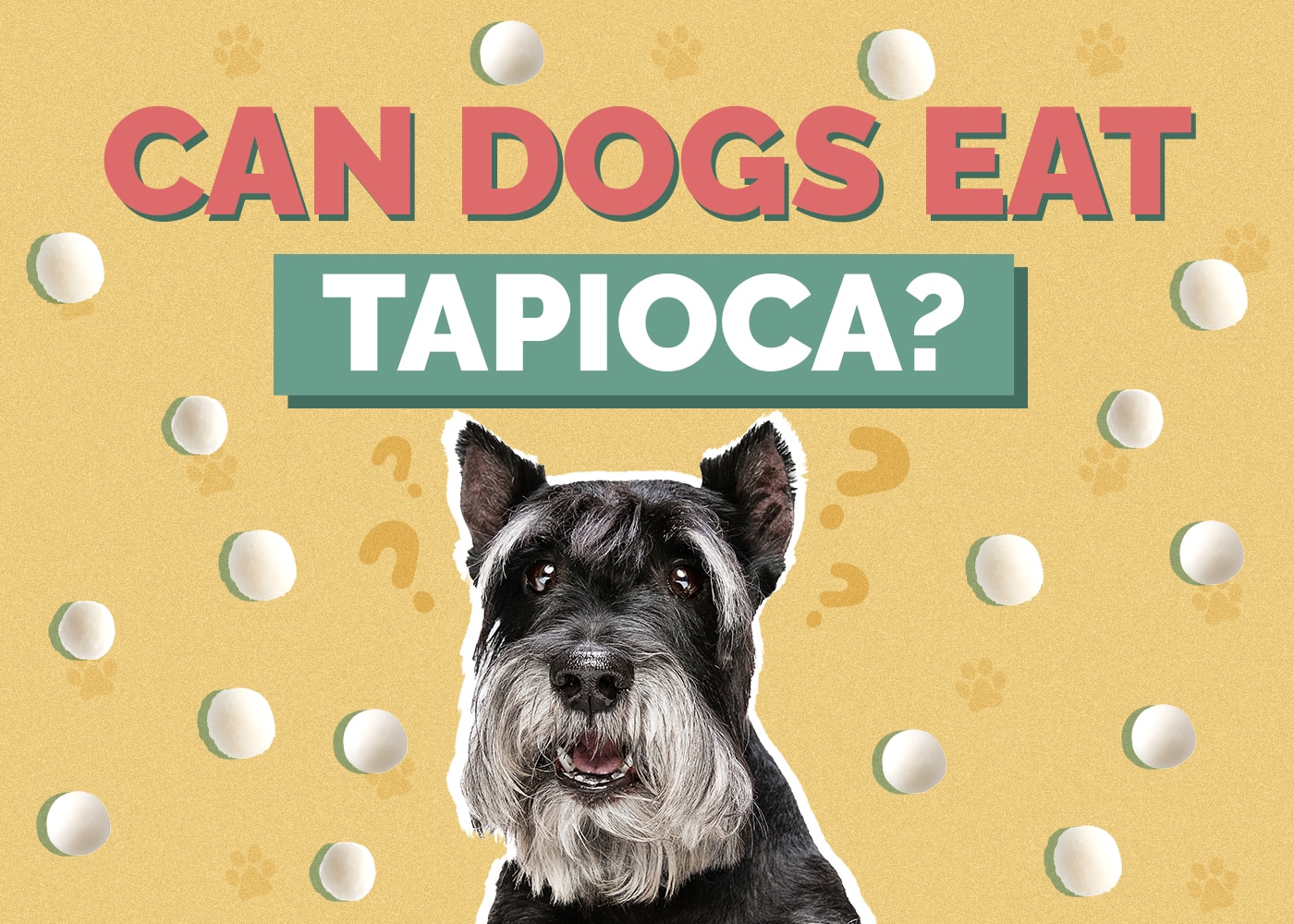
Can Dogs Eat Tapioca? Vet-Reviewed Benefits & Risks


In this article
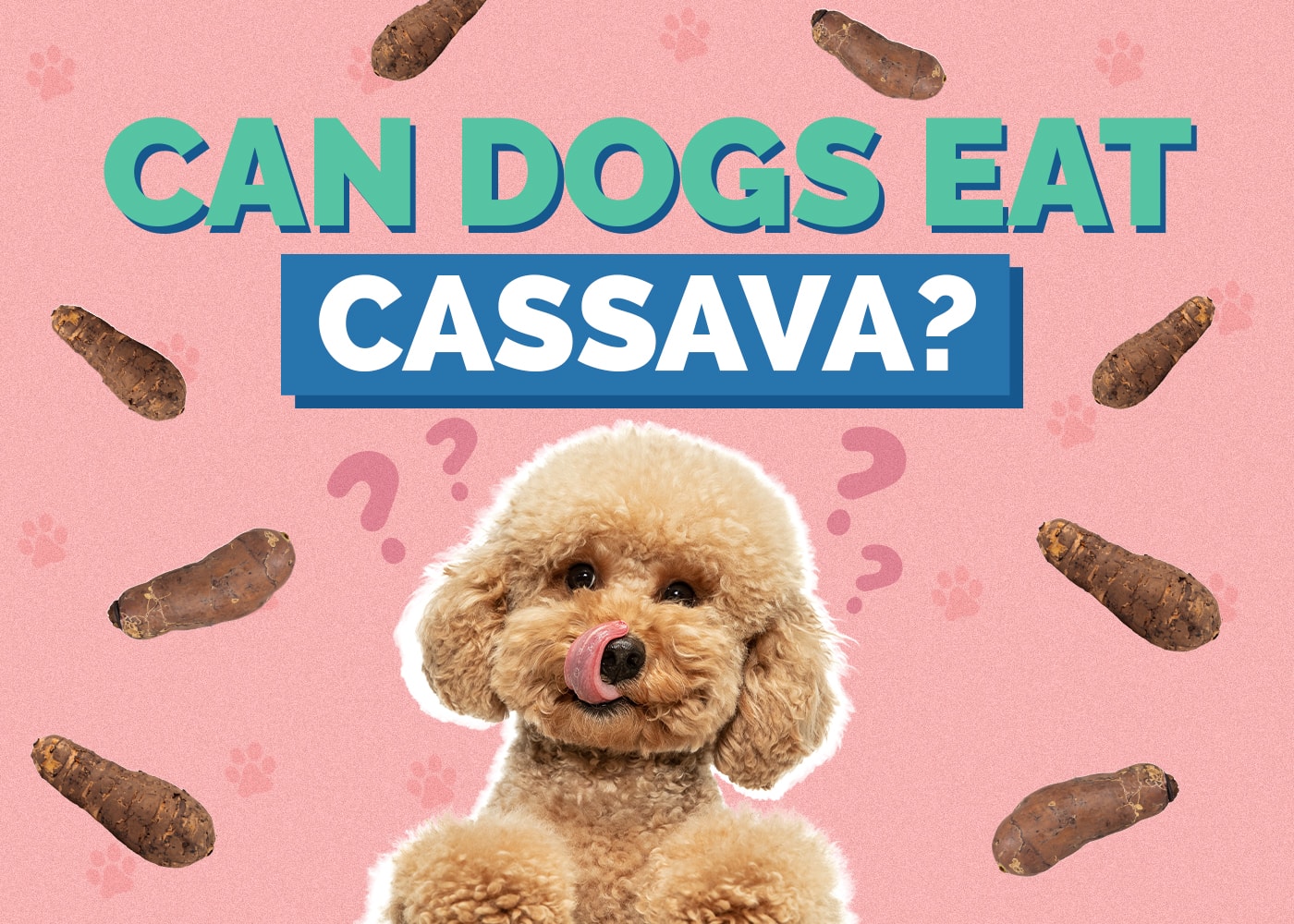
Tapioca comes from the root of the cassava plant, which originates in Brazil. It's commonly eaten by humans and is considered healthy because it's gluten-free and contains no fat or cholesterol. It is also safe for dogs to eat small amounts, and may be given as a food topper on top of a dog’s wet or dry food. As well as being a potentially tasty treat for your best friend, it may also improve bone density, cardiovascular health, and energy levels.
However, large amounts of tapioca can be toxic, and even moderate amounts may evoke an allergic response so some caution is recommended.

What Is Tapioca?
Tapioca is a starch that is extracted from the root of the cassava plant. It is processed to remove toxin cyanogenic glycosides and typically served as tapioca pudding, tapioca starch, or milled into flour and used as a gluten-free alternative. It is also used to make pearls that are used in bubble tea and similar drinks. It can be found in some dog foods, especially grain-free recipes, but it is largely lacking in minerals so is generally considered a filler.

Is It Safe for Dogs?
Tapioca is toxic to dogs, as it is to humans, when raw. It needs to be cooked to remove the toxins before consumption. Once cooked, it is considered safe for dogs, as long as it is fed in moderation. However, some dogs may show allergic reactions and sensitivities to the food if it is fed in too large quantities.

The 3 Health Benefits of Tapioca
Although tapioca is comparatively low in vitamins and minerals, compared to higher-quality ingredients, it is gluten-free and can prove to be a good source of vitamins and minerals in certain dogs. In particular, it offers the following health benefits.
1. Good Bone Health
Dogs need calcium to support bone health. Most dogs get calcium from milk and dairy products that are found in their food, but for dogs that are lactose intolerant, other sources need to be found. Tapioca contains calcium but does not contain lactose. Combining it with another lactose-free ingredient like coconut milk can help improve bone health in dogs that cannot consume dairy.

2. Good Cardiovascular Health
Tapioca is free from saturated fats while containing iron and manganese. Iron and manganese are good for the heart, while saturated fats may be bad for the heart, so this combination means that a small amount of tapioca can be very beneficial for your dog’s cardiovascular health.
3. Improved Energy
Cassava root contains a good amount of carbohydrates, which are converted by the body into energy. Your dog needs energy for exercise, including runs and walks, but also needs decent energy levels to get through the day. A small amount of tapioca may help an energetic dog and further improve the energy levels of other dogs.

The 3 Health Risks of Tapioca
Although tapioca does have certain health benefits for dogs, it isn’t completely free of risks. Some potential risks of tapioca for dogs include:
1. Allergies
Although rare, some dogs can be allergic to tapioca. In this case, your dog will exhibit allergic reactions which can range from swelling and puffy eyes to skin irritation and even respiratory difficulties. Introduce the food gradually and stop feeding it immediately if your dog shows signs of an allergic reaction.

2. Obesity
Tapioca is high in carbohydrates and low in fiber. Low dietary fiber can cause constipation or diarrhea. And food that is low in fiber may not satiate your dog’s appetite so they will eat more. Because tapioca is high in carbohydrates, eating more of it can lead to your dog putting on weight and potentially becoming overweight. Obesity causes similar problems in dogs as it does in humans, and these can shorten the life of your pup. Only feed in moderation.
3. Toxic Additives
Pure tapioca that has been cooked or prepared to remove toxins is generally considered safe for dogs, but foods like tapioca pudding or other tapioca treats designed for humans generally contain additives to make the food more appealing. Additives like xylitol and other artificial sweeteners can be especially bad for dogs, with a relatively small amount proving toxic in most cases. Avoid feeding processed tapioca goods to your dog.

How To Feed Tapioca to Dogs
The most common way to feed tapioca to dogs is to find a food that uses tapioca starch or tapioca as a general ingredient. However, it is possible to feed other sources of tapioca. Avoid tapioca that has been processed for human consumption and may contain toxic additives like xylitol. Try putting a small amount on top of your dog’s food and monitor them to look for signs of allergic reaction.

Conclusion
Tapioca is a starch extract that comes from the root of the cassava plant, which originates in Brazil. It is eaten by humans and is also found in dog foods, where it is used as a gluten-free filler most commonly in grain-free recipes. It is considered safe for dogs to eat in small quantities and may provide some health benefits, especially for dogs that are gluten or lactose intolerant. But it should not be fed in too large a volume because it can be toxic and may elicit allergic reactions in some dogs.
Get Hepper In Your Inbox


Pet care tips from our vets and experts, straight to your inbox.
You may opt-out at any time. View our Privacy Policy for more information.
Nicole is a lover of animals of all sizes but is especially fascinated with the feline variety. She’s the proud mom of Baby, a Burmese, and works every day so he can relax in the sunshine or by the fire. She’s always had a cat in her home and has spent countless days with others, observing behaviors and softening up even the grouchiest of the lot. Nicole wants to share her kitty expertise with you so you and your cat can live happy, healthy, and care-free.
Join the conversation
Ask a question, share your story, or send private feedback.