Hepper is reader-supported. When you buy via links on our site, we may earn an affiliate commission at no cost to you. Learn more.
Can Dogs Eat Roast Beef? (Vet Reviewed Facts)

In this article
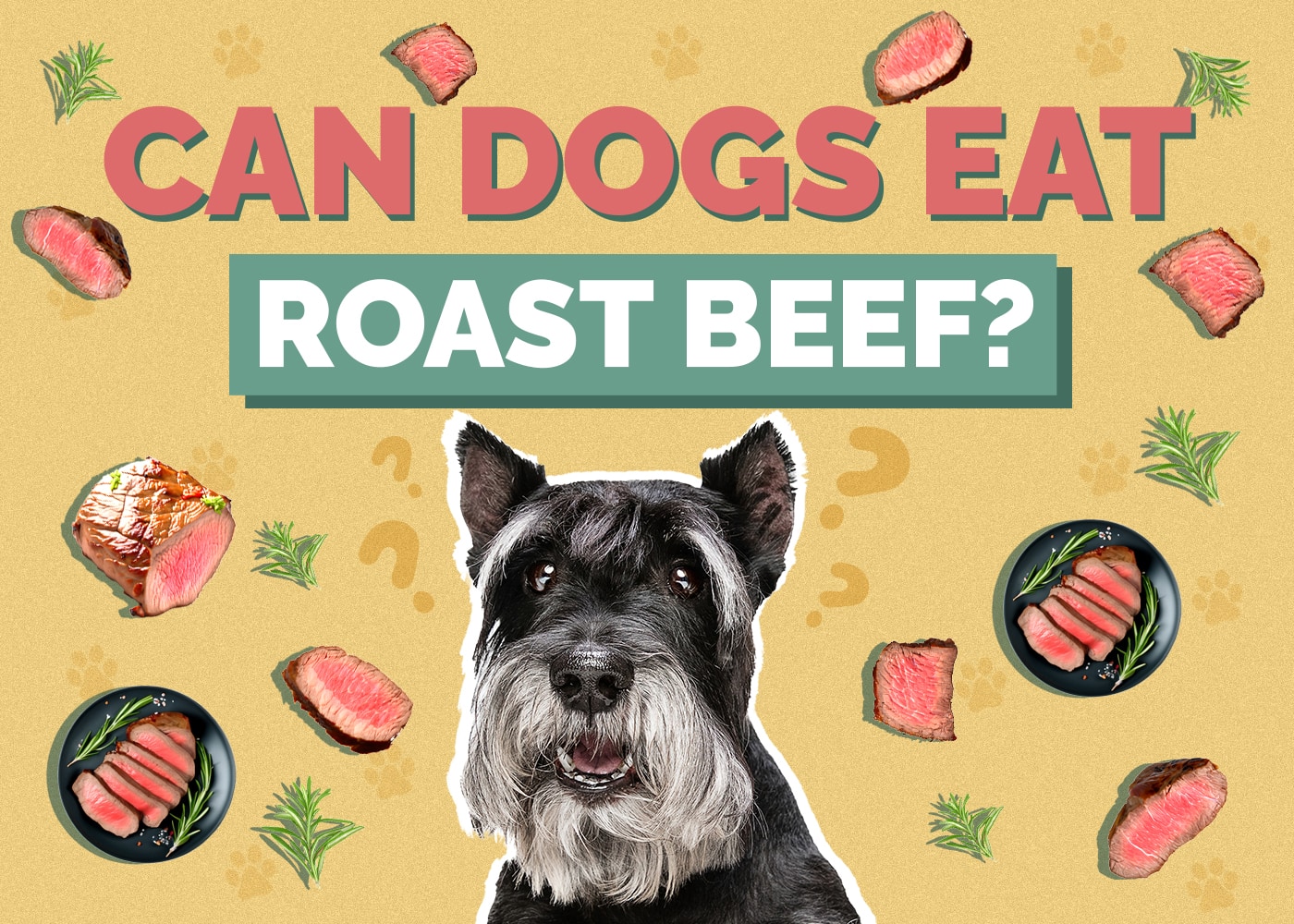
Have you ever roasted beef in your oven and found your dogs hovering around, eager for a few slices? The smell of roast beef is strong and irresistible and brings the whole family together in anticipation of dinner. We know from our dog’s kibble that beef is an animal protein that is commonly used for nutrition and flavor, but are dogs allowed to eat it roasted as a tasty snack alongside the rest of the family? The answer is yes but in moderation.
Roast beef is safe and healthy for dogs to eat as long as it’s free from seasoning. It is a great snack but cannot make up your dog’s daily diet because to be nutritionally complete, they need fats and carbohydrates, too. Good quality dog food provides your dog with a nutritionally balanced diet for the life stage they’re in while feeding your dog a meat diet only can lead to nutritional deficiencies.

The Benefits of Roast Beef
Roast beef is an excellent snack for your dog to enjoy occasionally, as it has many health benefits. A few of these benefits are mentioned below.
Roast beef is high in protein and full of amino acids, which are essential for dogs. It is what fuels their bodies to work the way it’s designed to. Without protein, your dog’s coat would become dull and brittle, and their hair would begin to fall out. Their skin would become dry and develop sores.
A dog’s whole body needs amino acids for the development, production, management, and regulation of hormones, enzymes, metabolism, tissues, antibodies, reproduction, and organ function. It also supports the immune system, helping your dog’s body fight off infections.
Roast beef also contains vitamins B12 and B6. Vitamin B12 is vital for a strong immune system, cell regeneration, DNA production, energy, and good digestion. Vitamin B6 is essential for the functioning of your dog’s nervous system and hormone regulation.
Zinc is a nutrient found in roast beef that also contributes to your dog’s healthy coat and skin, boosts their immune system, keeps their eyesight sharp, and maintains healthy brain function so that your dog can continue to learn new tricks and remember their old ones.
Roasting your dog’s beef is a great way to feed meat to your dog because it has been cooked under high temperatures, which kills any bacteria that could otherwise harm your dog. Roast beef is a much safer option than giving your dog raw meat.

The Risks of Roast Beef
We’ve discussed the health benefits of allowing your dog to eat roast beef, but let’s look at some of the risks involved.
High In Saturated Fats
Beef, along with other red meats, is high in saturated fats. Although your dog needs fats in their diet for energy, flavor, and the absorption of some vitamins, you shouldn’t feed them the fat from your roast beef.
Giving your dog the fat from your roast beef can lead to pancreatitis. Pancreatitis is life-threatening and can be caused by eating a highly fatty helping of food. It’s a dangerous condition because the enzymes that the pancreas releases are activated at the wrong time, which causes inflammation and severe pain.
Dogs with pancreatitis will likely hunch their backs, vomit, lose their appetite, have diarrhea, become dehydrated, and experience weakness and fever. If you see signs of pancreatitis, you need to urgently take your dog to the vet.
Your dog can also gain unhealthy weight by consuming too much fatty beef and can become obese. Beef fat is high in calories and shouldn’t be given to your dog.
Beef Allergy
Dogs can be allergic to ingredients in their food. Most commonly, they’re allergic to animal protein, which can be chicken, lamb, fish, or beef. Dogs become allergic to certain proteins because their immune systems are sensitive and see the protein as a threat to the body. The immune system’s attack on the protein triggers an allergic reaction in your dog.
If your dog struggles with hair loss, skin infections, ear infections, vomiting, diarrhea, wheezing, coughing, gas, hives, and inflammation, they may have a food allergy. Before feeding your dog roast beef, make sure they’re not allergic to beef. Your vet will do tests and put your dog on an elimination diet to be able to diagnose them with a beef allergy if they have one. They’ll be able to recommend a safe diet for your dog that doesn’t contain beef.

Seasoning and Sauces
One of the biggest risks around giving your dog roast beef is the seasoning or sauces that are often used on the beef during its preparation. You should never give your dog store-bought roast beef for this very reason—you don’t know what other ingredients or seasoning they’ve added to the beef.
When cooking roast beef yourself, don’t add seasoning or sauces, as these can upset your dog’s stomach. Too much salt can make your dog dehydrated and sick. Other ingredients, such as garlic and onions, are toxic to dogs and can damage their red blood cells. Although seasoning tastes good to humans, it’s not necessary for your dog.
Too Hot
Giving your dog roast beef right out of the oven will give them instant gratification but at a dangerous cost. Roast beef cooks under high temperatures, and when it’s ready to be removed from the oven, it’s very hot. If you don’t allow the roast beef to cool before giving some to your dog, they’re going to burn their tongues. Dogs often gobble up their food so quickly that they might not realize how hot the food is until damage has already been done.
Can I Give My Dog Raw Beef?
Many people like the idea of feeding their dogs raw meat because that’s the diet their ancestors had. However, dogs have evolved so much from their wild ancestors over the past millennia that their nutritional needs have changed, and their stomachs no longer digest food the same way. Although raw meat, such as beef, is consumed by wolves, it isn’t recommended for domesticated dogs.
Eating raw beef is dangerous because it could have bacteria, such as Salmonella, E.coli, and Listeria monocytogenes, on it. These bacteria can cause food poisoning in your dog. While this is enough reason for concern, another risk is that your dog may become a carrier of these bacteria and make other people and dogs sick, too. Roasting your dog’s beef kills the bacteria and reduces the risk of becoming sick from these bacteria.

Can I Give My Dog the Bone?
You shouldn’t give your dog bones, regardless of whether they’re cooked or not. You may have grown up with your parents giving your childhood dog bones from their meat, but it is not safe.
Bones are often hard, but dogs are determined animals that don’t tend to give up on a challenge. They’ll continue to chew on the bone until they’re able to eat it. Unfortunately, this dedication can lead to broken teeth that will require treatment from the vet.
Some bones, often ones that have been cooked, can be brittle and break apart as your dog chews on them. These fragmented bones have sharp edges that can pierce your dog’s tongue, gums, cheek, or palate. These cuts are painful and may result in your dog starving itself until the pain eases up.
Some bones have a terrible way of lodging themselves into different areas of the mouth and teeth of your dog. This can cause your dog to panic, scratch at their face, and struggle to eat or drink. You probably won’t be able to remove it from your dog’s mouth yourself, and they’ll likely need to be sedated by the vet to get it out.
Bones can cause choking or an obstruction in your dog’s digestive tract. A gastrointestinal obstruction occurs when the bone doesn’t pass through the digestive tract and becomes stuck. This is a serious problem that will require medical attention immediately because your dog won’t be able to eat or drink anything, and it can cause damage to the intestines around it.

Conclusion
Dogs can eat roast beef as long as it’s free from seasoning and sauces, as these can upset their stomachs or be toxic to them. You should only give roast beef to your dog occasionally because it’s high in saturated fats that aren’t good for your dog in large quantities. However, the high protein, vitamins, and minerals that beef contains are beneficial to your dog. Raw beef isn’t recommended, but feeding your dog cooked roast beef that has cooled is a tasty snack that your dog will love.
Related Read:
Featured Image By: vitals, Shutterstock
Get Hepper In Your Inbox


Pet care tips from our vets and experts, straight to your inbox.
You may opt-out at any time. View our Privacy Policy for more information.
Keri-Beth is from South Africa and is a freelance writer who specializes in the pet niche. She has grown up with a range of pets, volunteered at countless pet shelters, and is highly passionate about pet care. Currently, Keri-Beth is raising two dogs - Benji, the Golden Cocker Spaniel, and Gracie, the Boerboel. With so much information out there, Keri-Beth has made it her mission to make pet care as easy and straightforward as possible.
In her spare time, Keri-Beth enjoys camping, photography, and spending time with her husband, who is a professional drummer. She not only has a heart for pets but people too.
Join the conversation
Ask a question, share your story, or send private feedback.