Hepper is reader-supported. When you buy via links on our site, we may earn an affiliate commission at no cost to you. Learn more.
Can Dogs Eat Turkey? Is Turkey Safe for Dogs?
In this article
Turkey is a very common ingredient in many types of dog food, but have you ever wondered if it is okay to give your dog some of the turkey off of your plate? Maybe at Christmas or a piece from your turkey sandwich?
Is turkey safe for your dog to eat? The short answer is a cautious yes! Turkey is healthy and safe for your dog but with a few warnings.

Healthy Turkey
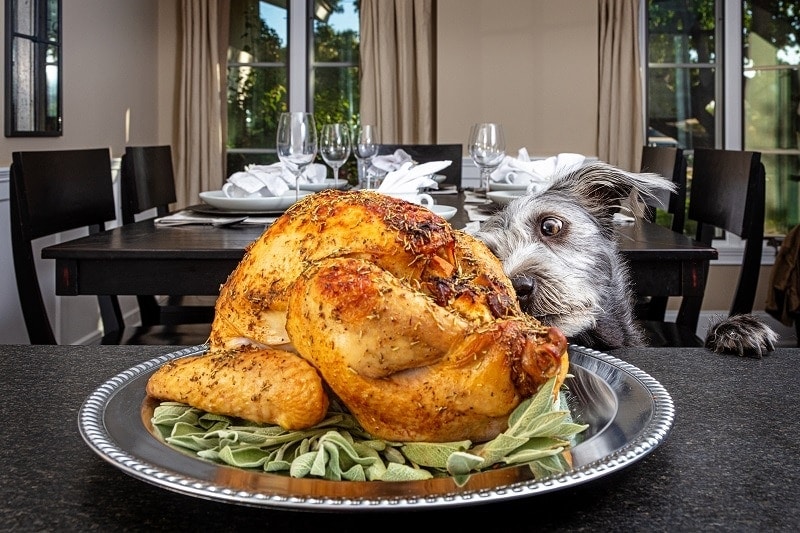
The turkey is a large bird that comes from North America and is raised on farms as well as caught in the wild. It is a white meat that is famous for providing us with a Thanksgiving and Christmas Day feast and is commonly eaten in sandwiches.
Turkey is high in protein, niacin, selenium, zinc, phosphorus, vitamins B6, and B12 and is high in fat content unless it’s skinless.
Some of the health benefits of turkey include:
In general, it is clear that turkey is a delicious and highly beneficial food source for us humans, but what about dogs?
Turkey and Your Dog
While turkey is healthy for people, does it have any of the same benefits for your dog? To some degree, it does:
Lobster is generally good for your dog with enough essential vitamins and minerals that your dog needs, but there is a downside to giving lobster to your dog.
The Downside for Dogs
We’ve established that turkey has many health benefits for dogs, but what about the risks? There are some issues that need to be taken into consideration before giving your dog turkey from your plate.
Turkey Skin
Turkey's skin is one of the unhealthier parts of the turkey. It has the highest fat content, and it tends to have a concentration of seasonings, which can cause stomach upset or lead to pancreatitis. This is a serious condition that leads to death if left untreated and can be brought upon by food with high-fat content.
Ingredients and Seasonings
The turkey you typically prepare for yourself is usually full of ingredients such as onions or shallots, butter, sauces, and seasonings. Onions and garlic are toxic for your dog, so if you plan on giving your dog some turkey, you need to cook it plain. Avoid adding seasonings or ingredients such as oil, butter, or anything in the onion family.
The added ingredients commonly found with turkey dinners, such as stuffing and gravy, should also be avoided. Both gravy and stuffing are full of fat and usually contain some of the same ingredients already mentioned. Again, these ingredients are toxic and can lead to pancreatitis or stomach issues.
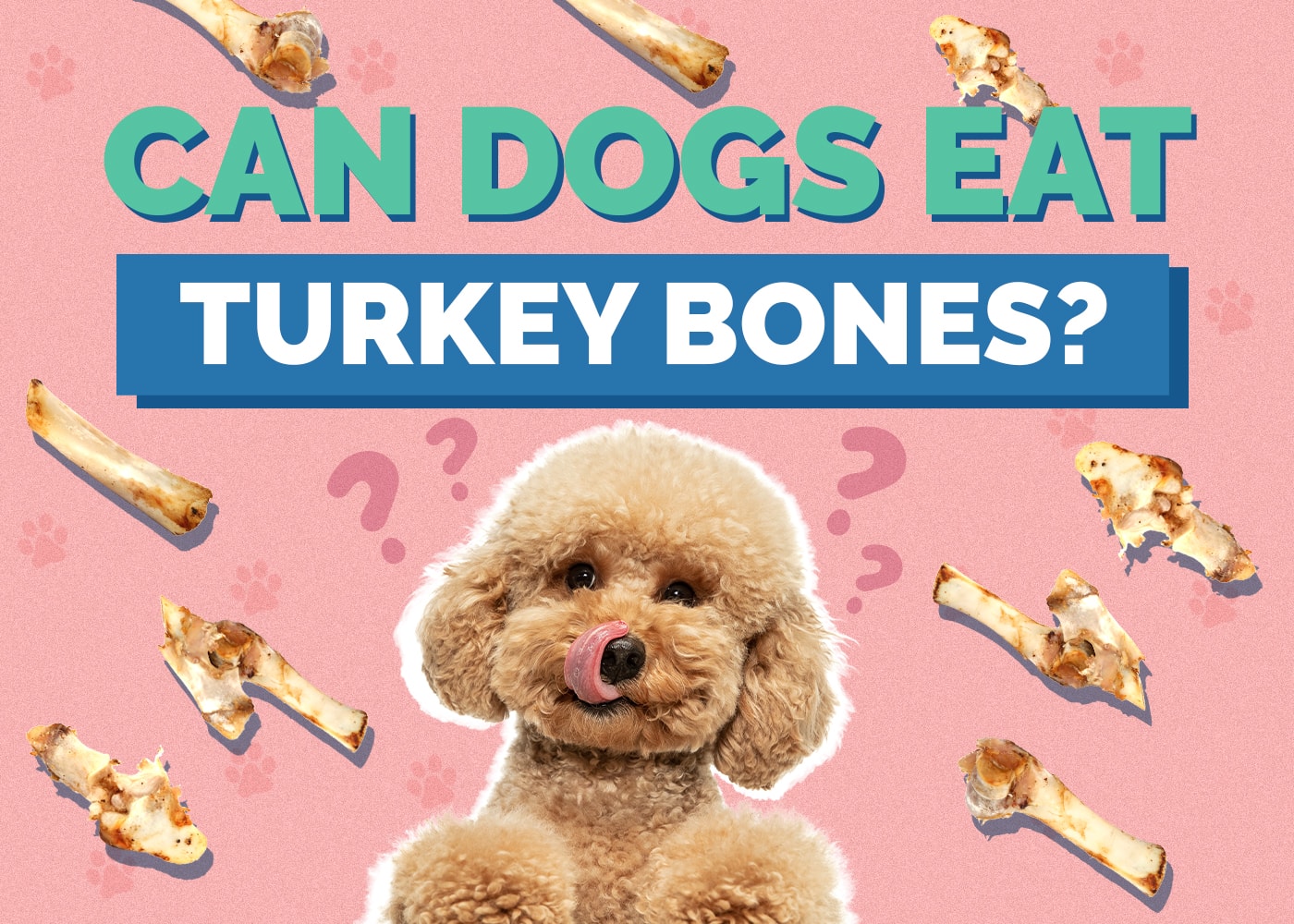
Turkey Bones
Veterinarians caution against bones for your dog, and this includes turkey bones. Bones from poultry, which includes chicken and turkey, are quite brittle, particularly when they’ve been cooked, and are also small in size.
Some of the injuries that may occur if you allow your dog to chew on turkey bones include:
- Choking
- Injuries to the gums, mouth, and tongue
- Broken teeth
- Blockages in digestive and intestinal tracts
- Fragments from bones can pierce the intestines and stomach lining
- Rectal bleeding and constipation
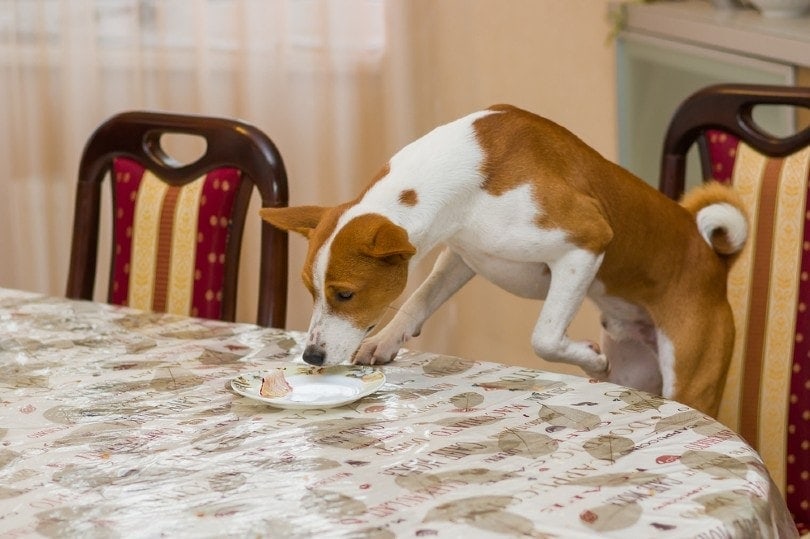
In some cases, emergency surgery may have to be performed, so it’s better to be safe than sorry and keep those turkey bones away from your dog. Be sure to clean up any bones on the counters or on plates before your dog manages to snatch one.
Quantity of Turkey
You should not give your dog a large amount of cooked turkey at one time and discuss adding turkey to your dog’s diet with your vet beforehand. If your dog suffers from any condition, such as obesity or diabetes, any changes in your dog’s diet should always include a conversation with your dog’s veterinarian.
Allergic Reaction
Dogs are prone to food allergies just like us humans, and while allergies to poultry are rare, it can happen. If this is the first time your dog has eaten turkey, you should only give him a tiny amount and watch for any signs of an allergic reaction for the next several hours.
These are some of the signs of an allergic reaction:
- Bald spots and itchy skin
- Excessive scratching and licking
- Hot spots
- Red and infected skin
- Stomach cramps and excess gas
- Diarrhea and vomiting
- Ear infections
If your dog seems okay after a few hours, then clearly, he has no issues with turkey but if he begins to exhibit any of these symptoms, see your vet as soon as possible.
Conclusion
Is turkey safe for your dog? In general, the answer is yes, just as long as you avoid the added ingredients and seasonings as well as the skin and the bones. Your best bet is to cook any turkey meant for your dog separately from any that you might be cooking for you and your family. This way, you can ensure that it doesn’t have any harmful seasonings and is safe for your dog to eat.
As already discussed, it’s important to talk to your vet before adding a new ingredient to your dog’s diet. Using small morsels of turkey as a treat should be fine, just as long as you avoid feeding your dog table scraps regularly. You might encounter a number of health conditions such as obesity, hip dysplasia, diabetes, and the already mentioned pancreatitis. As long as you are 100% sure that the turkey you’re giving your dog will be good for him, then adding a little to his diet with your vet’s blessing will be a healthy and yummy snack that your dog will appreciate.
Related Reads:
Featured Image Credit: upsyacqs, Pixabay
Get Hepper In Your Inbox


Pet care tips from our vets and experts, straight to your inbox.
You may opt-out at any time. View our Privacy Policy for more information.

Nicole is a lover of animals of all sizes but is especially fascinated with the feline variety. She’s the proud mom of Baby, a Burmese, and works every day so he can relax in the sunshine or by the fire. She’s always had a cat in her home and has spent countless days with others, observing behaviors and softening up even the grouchiest of the lot. Nicole wants to share her kitty expertise with you so you and your cat can live happy, healthy, and care-free.
Join the conversation
Ask a question, share your story, or send private feedback.