Hepper is reader-supported. When you buy via links on our site, we may earn an affiliate commission at no cost to you. Learn more.
Can Dogs Eat Lobster? Vet-Reviewed Facts & FAQ


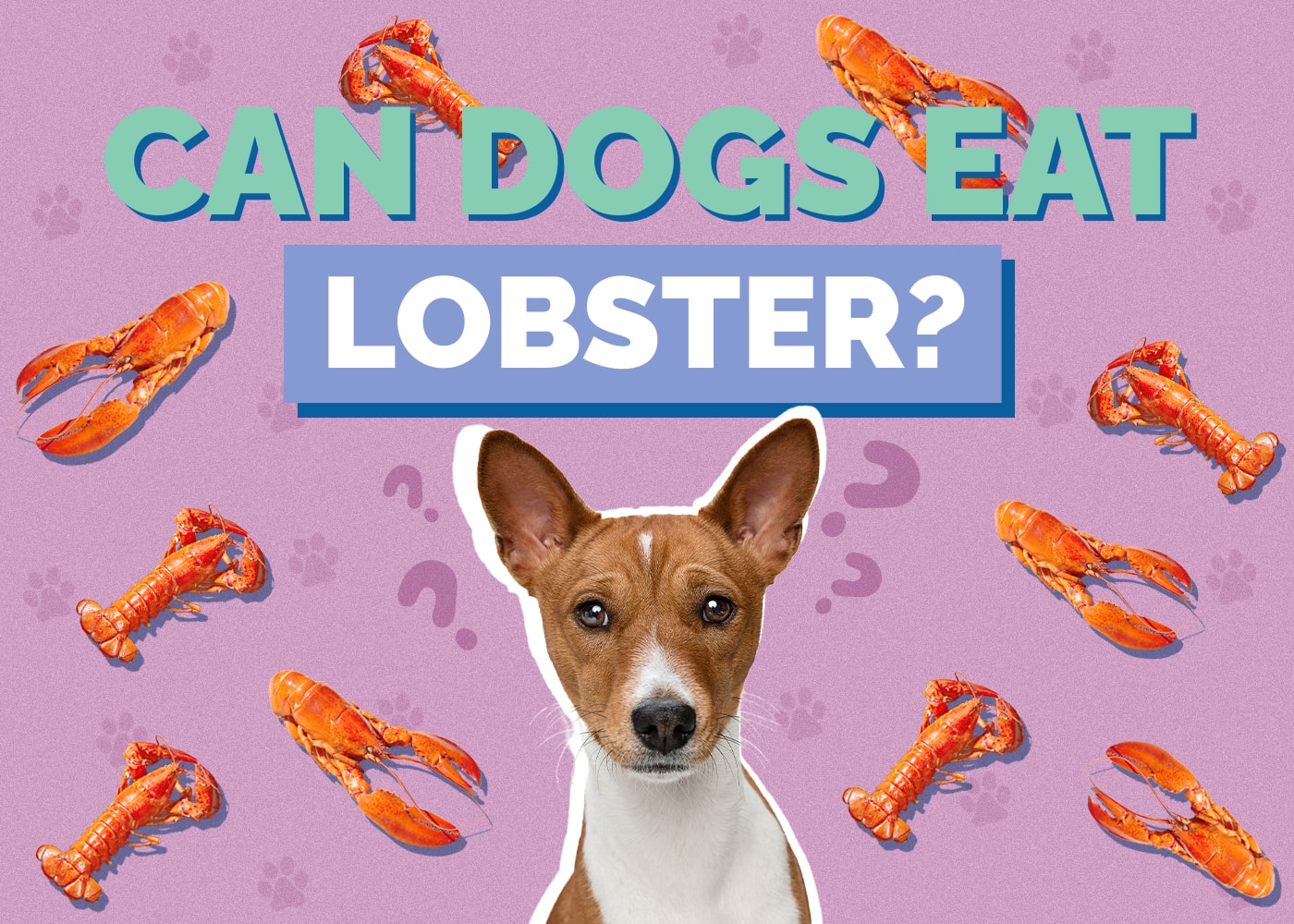
Do you enjoy the occasional lobster meal as a delicious and healthy delicacy? Does your dog look at you with longing when you partake of this special dish, and you’ve wondered if it would be okay to slip some lobster morsels to them?
Is lobster safe for dogs to eat? The short answer is a very cautious yes! Lobster, depending on its preparation, can be a safe and healthy occasional treat for some dogs. However, there are known risks and warnings.

Lobster 101
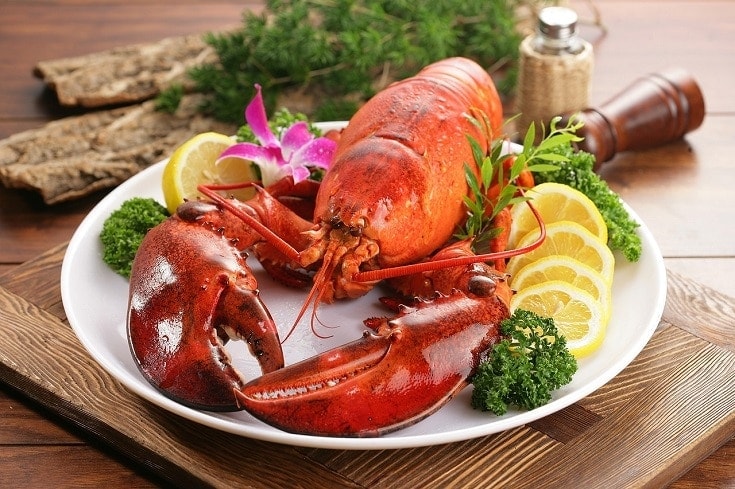
Lobster is a shellfish known for being expensive to prepare and eat and is used in a wide variety of dishes.1 They are typically steamed or boiled and are consumed as the main meal dipped in butter or used in pasta, rice, salads, or sandwiches.
Lobster is high in protein and selenium as well as calcium, iron, copper, zinc, magnesium, phosphorus, omega-3, and vitamins A, E, and B12.
Some of the presumed health benefits of lobster can include:
Clearly, eating lobster is not only tasty but has several health benefits for humans. However, you should avoid lobster if you have any allergies to shellfish, and pregnant women should consider avoiding lobster since it can contain mercury.
Lobster and Your Dog
Does lobster have the same health benefits for dogs as it does for humans? To some degree, it may contain:
However, keep in mind that the amount of lobster meat that is safe to give a dog as an occasional treat is small and will not contain a significant amount of these ingredients. It should not be relied on as a source of nutrition for your dog. It’s only meant as a treat given in moderation and infrequently, while your dog’s complete and balanced diet, formulated in accordance with the AAFCO guidelines, will ensure your pooch is healthy.
There are no available recommendations on how much lobster meat is actually appropriate, safe, or may even be beneficial to dogs, so our recommendations lean towards caution. Speak to your vet if you are considering offering your dog lobster meat as a treat. There is a downside to giving lobster to your dog, as there are risks associated with this type of seafood.

The Downside for Dogs
Lobster may be tasty and healthy for people, and may be a safe small and occasional treat for dogs, but there are disadvantages and certain risks for dogs that need to be considered.
Raw Lobster
Never offer your dog raw lobster. There are harmful bacteria and parasites found in raw lobster, so it is recommended to only give your dog thoroughly cooked lobster. The best method is to boil, steam, or broil the lobster until it is properly cooked without any added ingredients or seasonings.
Allergies
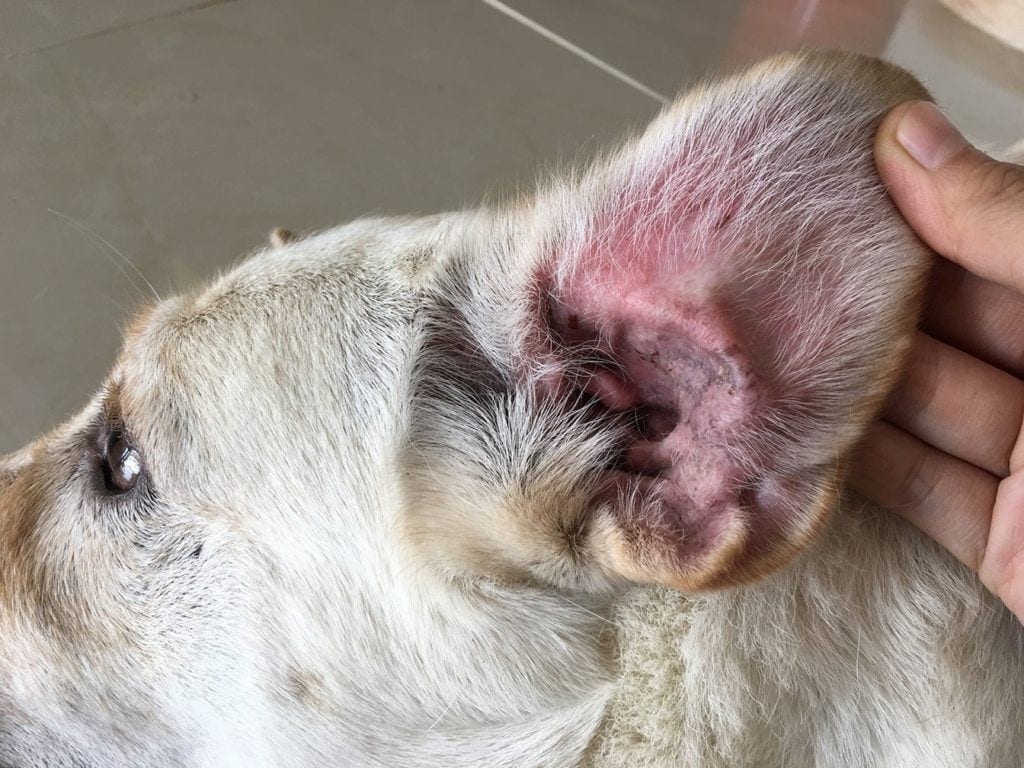
Dogs, just like people, can have food allergies and could even be allergic to shellfish. There is no available information on lobster or other shellfish allergies in dogs, as it’s a very uncommon food source for them, but that does not mean it cannot happen. When you give your dog lobster for the first time, you should only give them a tiny amount to start and observe them for a minimum of 24–48 hours for an adverse reaction. In some cases, this may take days to develop.
Usual signs of an allergic reaction could include:
If your dog appears to be okay after several days, you can rest assured that they probably aren't allergic to lobster. If they start exhibiting any of these signs, take them to your vet immediately. However, not being allergic to lobster does not mean you should feed them large amounts of it. It’s just not appropriate or deemed safe.
A foreign food protein, such as lobster, can also cause severe and rapid immediate allergic reactions, called anaphylactic reactions, although this is more commonly seen with insect bites or certain medications. This can be life-threatening if breathing is affected and prompt treatment is not started in time.
Some of the common signs of anaphylaxis in dogs include:
Sodium
While lobster does have many healthy vitamins and minerals, it is also full of sodium. Too much salt will make your dog very thirsty. Salt is composed of sodium chloride. If there is no fresh water and your dog eats a significant amount of salt, in excess of 2 grams per kilogram of body weight, this will lead to signs of salt toxicosis.
There are 486 milligrams of sodium per 100 grams of plain, unseasoned cooked lobster, according to the USDA, meaning the chance of your dog experiencing salt toxicosis is slim, as long as you are only offering a small amount of cooked lobster meat. However, a large amount of salty lobster in a small dog may certainly lead to increased thirst and gastrointestinal signs.

Cholesterol and Fat
Lobster may have beneficial aspects, as it’s low in saturated fats and contains polyunsaturated fats, such as omega-3s. However, it also has some cholesterol. Frequent and high-fat food ingestion in some dogs can lead to stomach upset and pancreatitis. Pancreatitis is an inflammation of the pancreas and can sometimes result in a life-threatening illness. However, how much fat in the diet is actually considered high enough to cause this and what the exact connection is with pancreatitis remains under scrutiny and ongoing research.
Obese dogs have been found to have high blood cholesterol and fat levels. Again, the amount of fat in a small piece of lobster is unlikely to cause a significant issue in most dogs, unless they are suffering from sensitive digestion and are prone to pancreatitis, in which case this is best avoided. Speak to your vet to see whether lobster should be offered as a small and occasional treat for your pooch.
Added Ingredients
Avoid adding any extra seasonings to your dog’s lobster. Onions, garlic, and even butter are not good for your dog, with the first two being toxic to dogs, and should not be cooked with the lobster you give to your dog. Depending on the amount they have eaten and your dog’s size, the garlic and onions, especially when used as concentrates for cooking, pose an even greater risk and may cause signs of toxicity.
Lobster Shells
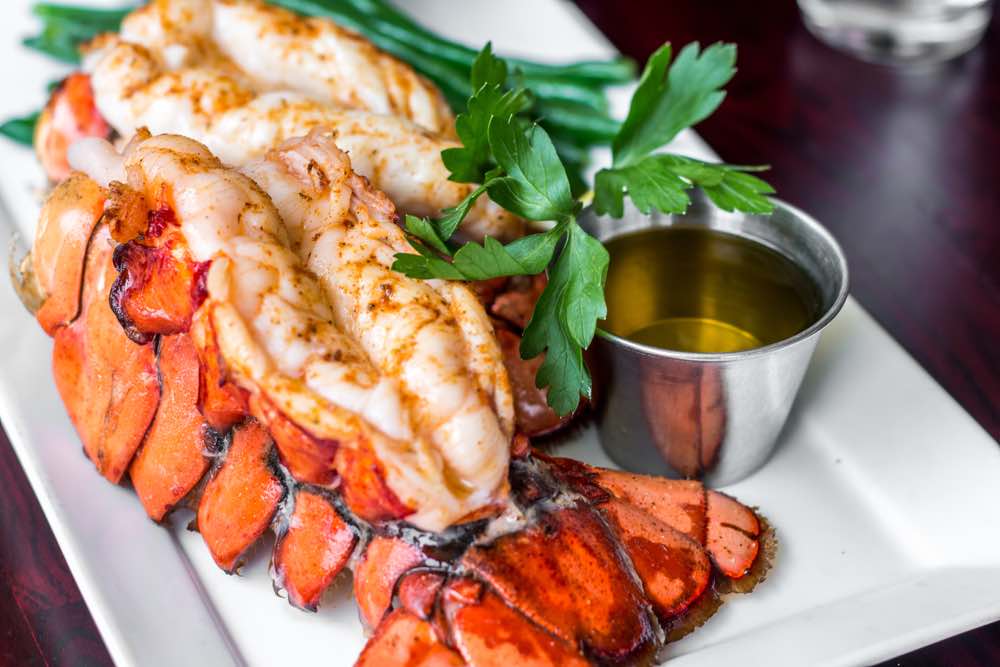
The one part of the lobster you should absolutely avoid is the lobster shell. The shell can be hard and can turn into small, sharp pieces that could injure your dog’s gums, mouth, and teeth. The shards of the lobster shell, when swallowed, could cause damage all the way down. They can potentially injure your dog’s esophagus, or cause damage to their gastrointestinal tract. If you suspect your dog has chewed and swallowed any lobster shell, give your vets a call for advice.
Mercury
All seafood, including lobster, can contain a quantity of mercury, copper, cadmium, and other heavy metals that would prove very dangerous for your dog in large amounts or with chronic exposure over time with small amounts.
Signs of organic mercury poisoning include:
Again, if you are worried that your dog has eaten too much lobster or other seafood that carries a risk of heavy metal contamination, or has been having it too often as part of their diet, potentially exposing them to significant levels of mercury, take them to the vet immediately. Unfortunately, mercury poisoning doesn’t always exhibit signs straight away, and it may take weeks or months after exposure for toxicity to become apparent. Puppies and young dogs are particularly at risk.

Conclusion
So, can you feed your dog lobster? The short answer is, yes, you can give your dog a small amount of cooked lobster meat, sparingly and only on special occasions, after consulting with your vet. But there are quite a few potential issues around it. Therefore, if you want to play it 100% safe, it's best to avoid giving lobster to your dog. Lobsters do seem to provide a number of health benefits in most humans, but not at levels that are significant or safe for your dog, and most of the ingredients that are crucial for your dog’s health can be found in their usual diet.
Anytime you decide to add anything new to your dog’s diet, you should absolutely discuss it with your vet first. It is always better to be safe than sorry. Giving your dog lobster as an occasional small treat, as long as they’re not allergic or prone to stomach upset, of course, should be fine. Feeding your dog a lobster as a meal, however, is definitely not recommended. Therefore, while eating your lobster, perhaps keep it for yourself and think about your dog’s health and well-being as more important than giving in to your dog’s puppy-dog eyes.
Get Hepper In Your Inbox


Pet care tips from our vets and experts, straight to your inbox.
You may opt-out at any time. View our Privacy Policy for more information.
Nicole is a lover of animals of all sizes but is especially fascinated with the feline variety. She’s the proud mom of Baby, a Burmese, and works every day so he can relax in the sunshine or by the fire. She’s always had a cat in her home and has spent countless days with others, observing behaviors and softening up even the grouchiest of the lot. Nicole wants to share her kitty expertise with you so you and your cat can live happy, healthy, and care-free.
Join the conversation
Ask a question, share your story, or send private feedback.