Hepper is reader-supported. When you buy via links on our site, we may earn an affiliate commission at no cost to you. Learn more.
Can Dogs Eat Sugar? Vet Approved Nutritional Health & Safety Guide


In this article
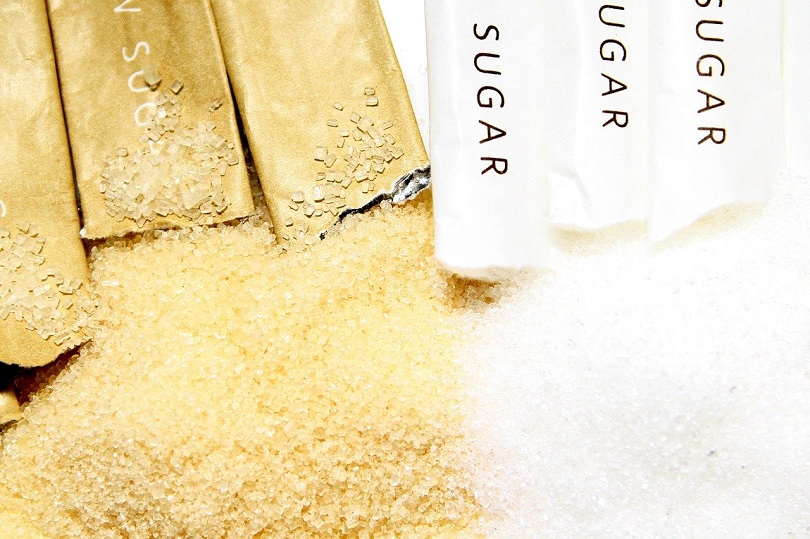
We all know the face. That adorable, sad, begging look your pup has learned to master when there is something tasty in the vicinity. Have you ever noticed that the face gets turned up to megawatt status when there is sugar involved? So, the big question to answer is whether dogs can eat sugar? Or even more to the point, is it safe for them? The quick answer is yes, dogs can technically eat some types of sugar, but it’s not necessarily good for them, depending on the amount. The full answer depends on what you think of when someone says sugar.
Complex carbohydrates are an energy source and are a part of a dog’s diet in varying amounts, but raw or refined simple sugars should be avoided, as they are unhealthy for dogs.
With the quick answer out of the way, we want to dive into the longer answer, which is not as simple. Remember, there are many forms of sugar, and some should be avoided at all costs as they are toxic to dogs.
If you have ever wondered about the effects of sugar on your dog, we have your answers.

Your Dog and Sugar
As mentioned, there are many forms of sugar. While some are okay for your dog to eat, since sugars are carbohydrates, which are a part of their diet, others should not be given. That being said, even the “safe” types should only be fed to your pooch in moderation as part of their treats. Excess sugar is unhealthy for your dog. To get a better idea of the different types of sugar, let’s look at them below.
Granulated Sugar
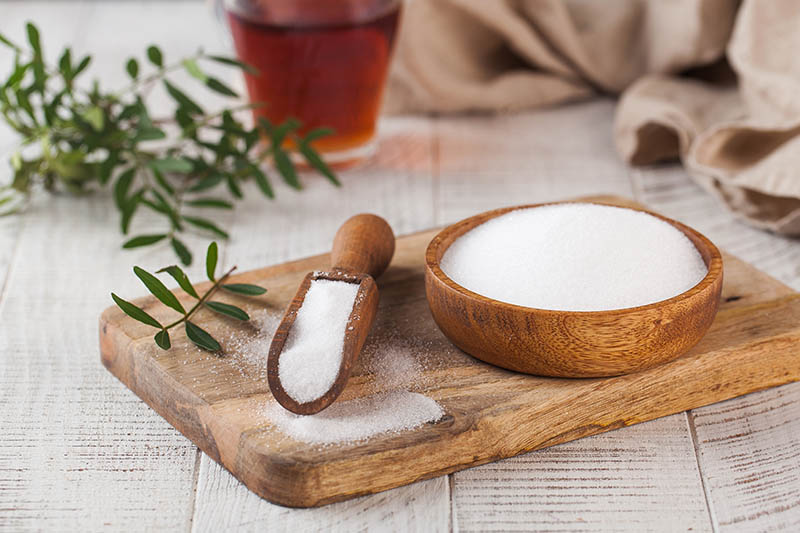
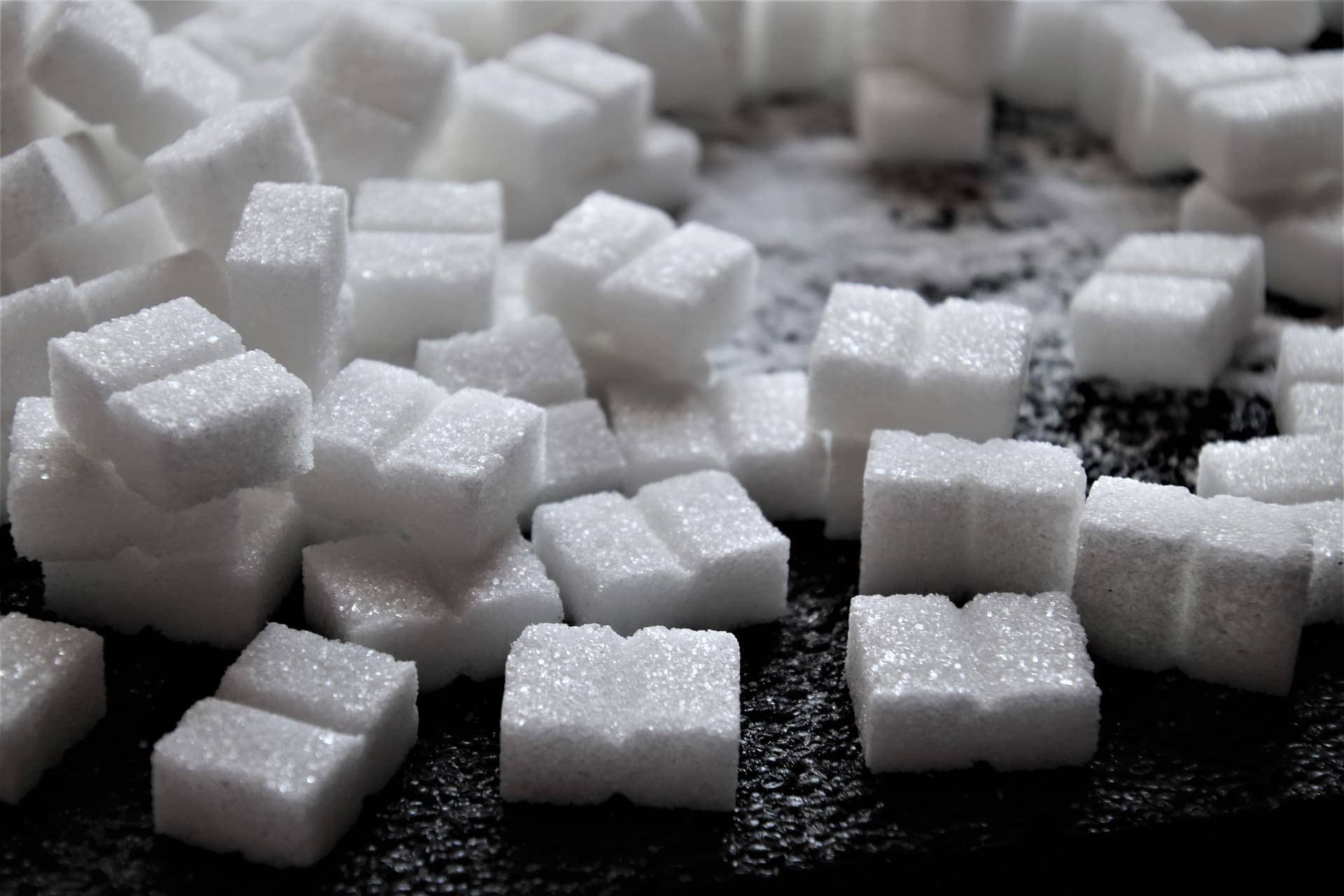
This is the most common type of sugar. Otherwise known as white or regular sugar, this is the sweetener used most often in food and beverages.1 Its chemical name is sucrose, and it’s made up of glucose and fructose. You will find it in recipes like cookies, brownies, and cakes. You also find it in soft drinks, coffee, and candy. Other forms of this type of sugar include brown, raw, and liquid, but those are all used for more or less the same thing.
Dogs can have this form of sugar on a limited basis as part of certain food products, but not in a raw or refined form. For example, many dog foods contain varying levels of sugar. It is also not uncommon to find sugar in dog treats that are given to canines regularly.
Granulated sugar2 itself is not toxic for your pet, but it is certainly unhealthy. Giving them too much or too often can cause various health problems (that we will discuss later). Moderation is also important. The point is, although granulated sugar is not toxic to your dog, it’s rarely served up in its raw form and carries no health benefits. Many other ingredients that are commonly found with sugar can have additional devastating effects.
Artificial Sweeteners
Many pet parents are wary of giving their pooch sugars, so they mistakenly opt for “sugar-free” treats or even artificial sweeteners instead. Unfortunately, this is right up there with feeding your pet chocolate. First off, snacks and treats that are described as “sugar-free” are using another type of ingredient to add a sweet taste to their recipes. This is in the form of artificial sweeteners.
The most common fake sugar is Xylitol3, and it can have a deadly effect on your pet. Your dog’s pancreas releases insulin into the bloodstream to control their blood sugar levels. When your pup consumes the Xylitol, it quickly absorbs into the bloodstream, imitating sugar and indicating to the pancreas that it needs more insulin, when it actually doesn’t.
The rapid increase of insulin causes a decrease in blood sugar in your pet. When this happens, your pet becomes hypoglycemic (has low blood sugar), which can cause vomiting, weakness, loss of coordination, trembling, inability to walk or stand, and seizures. It can even lead to liver failure. Xylitol poisoning can be fatal if not treated right away.
This is important to keep in mind for the well-being of your pet. Products that are “sugar-free” or “diet” both are likely to contain this toxic ingredient. You are better off giving your pet a small amount of granulated sugar or none at all.
Fructose
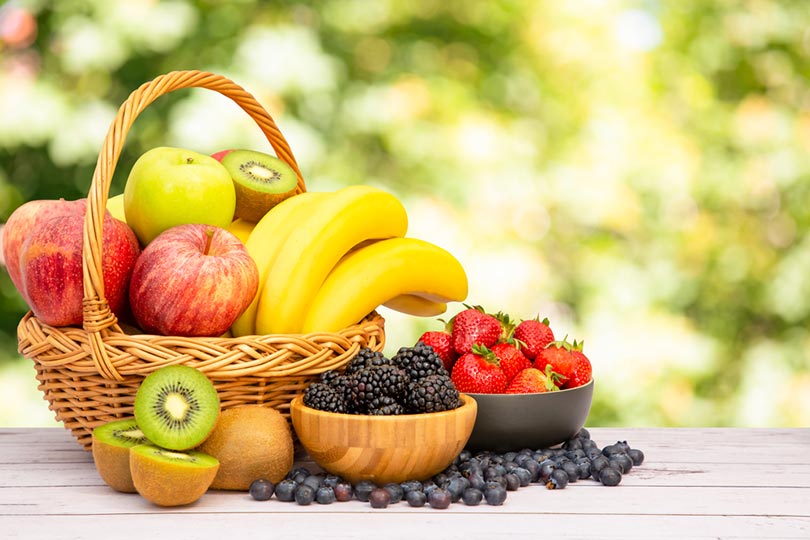
This last type of sugar is what is referred to as “naturally occurring sugar.” Fructose is behind the sweetness you taste in fruits, vegetables, and some grains. Your dog uses them for quick boosts of energy. Fructose is considered a simple carb, and it’s part of a well-rounded canine diet.
Keep in mind, just like sugar in chocolate, there are fruits and other plant-based foods your dog cannot have such as grapes and macadamia nuts. Of course, chocolate is not safe for dogs anyway. What’s more, high fructose corn syrup is not healthy for your pet. This brings us to our next topic…
Your Dog’s Sugar Diet
To quickly recap, artificial sweeteners (Xylitol) are toxic to your pet and should not be fed to them at all. Granulated sugar can be given as part of dog treats in moderation, while complex carbohydrates and fructose are a part of your pet’s diet (again, only within healthy limits).
As you know, granulated sugar or sucrose is the processed form of sugar cane that is composed of glucose and fructose, while fructose is the natural sweetener found in fruits. The digestive process will break sucrose down into glucose and fructose. These are simple sugars that give your dog a temporary energy boost but otherwise have no real nutritional value. Their excess can cause stomach upset in dogs, alongside other long-term health concerns.
Complex carbohydrates from dog food, on the other hand, will release glucose more slowly, as they need to be digested first. They provide a source of energy for your pooch, like protein and fat, and they can possibly even help with digestion due to the fiber content from some carbohydrate sources. This is especially important for active and working dogs.
Nutritional Guidelines
The AAFCO regulates the required nutritional guidelines for canines. According to their chart, there is no minimum daily carbohydrate requirement. The reason for this is that carbohydrates are always readily available in canine diets. Although carbs can be beneficial, they are not necessarily required, especially for adult dogs and non-reproducing dogs. Your dog gets the majority of their energy from protein and fat. Carbs are not essential to their diet, though they can help with energy. Dogs are considered omnivores, based on most recent research, and they have evolved and developed traits that allow them to digest and use carbohydrates as a source of energy.
According to the Clinical Nutrition Service at Tufts University, canines generally do not need carbohydrates unless they are pregnant or nursing, but still, there are some benefits of carbohydrates when moderately added to their diet. Complex carbohydrates provide a source of energy, and depending on the origin, can also provide nutrients such as fiber, antioxidants, essential fatty acids, vitamins, and minerals, with their added benefits.
The amount of carbs in dog food varies quite a lot, and the average manufacturer uses between 30% and 70% carbohydrates in their dry dog food formulas. However, if food contains low levels of carbohydrates, this should be supplemented with a higher protein content.
So, if sugar, even in its naturally energy-producing form, is not required, why is it abundant in your store-bought products? It’s an affordable filler, easily accessible, has a long shelf life, and most of our modern “kibble” formulas would not be possible without it. Carbohydrates also provide certain benefits when added in moderation.

Health Consequences of Too Much Sugar
Unfortunately, excess sugar can come with serious health concerns, as well. Too much sugar, whether in granulated or fructose form, will cause your pet issues that range from an upset stomach to debilitating illnesses.
Below, let’s take a look at the health concerns associated with the more acceptable (and edible) canine sugars.
- Upset Stomach: Eating too much sugar, whether cane or fruit, can cause your pet to have stomach issues. Signs such as diarrhea, vomiting, stomach pain, gas, and nausea are all common when they have indulged more than they should. This typically happens due to an imbalance in their digestive system.
- Dental Issues: Like us, too much sugar over a prolonged period of time can possibly cause issues with teeth. Excess sugar can give your dog cavities, rotting teeth, and even the eventual loss of them, although there are other factors involved in the formation of cavities. Luckily, this is not very common in dogs, as their diet contains less sugar than ours. Even too much fructose can have the same effect. This is because the bacteria in the mouth turn the sugar into acid. The acid then eats away at the enamel on your pet’s teeth, causing issues.
- Weight Gain: Sugary snacks and treats, along with too many carbohydrates, cause weight gain in canines. This is especially true of older dogs or those that are not as active for one reason or another. As we already talked about, carbs are a popular ingredient in many dog foods. This has led to a spike in canine obesity. Carrying too many pounds has its health risks including joint pain, heart problems, and breathing issues.
- Diabetes: Another issue associated with too much sugar and weight gain in people is diabetes, while canine diabetes is a little bit different. There isn’t enough evidence to say that eating sugary diets in dogs leads to diabetes, but it certainly leads to obesity, which is a recognized risk factor for diabetes. This is a serious health problem that is caused by the pancreas not creating enough insulin to counteract blood sugar levels.
- “Sugar” Poisoning: Although we mentioned talking about the “edible” forms of sugar, we wanted to go over toxicity as the last issue. Fake sugar like Xylitol can cause hypoglycemia, seizures, liver failure, and even death if not treated, depending on the eaten amount.

Final Thoughts
As part of dog treats or food, moderate amounts of sugar are not harmful to your pet, although they may do just fine without it. In the right form and in appropriate amounts, sugar can give them a burst of energy and may have some additional health benefits. On the other hand, too much sugar can have serious consequences. So, what is the best route to take? In our opinion, you are better off staying away from granulated sugars. The drawbacks are considerable, not to mention, the foods that sugar is associated with can be harmful.
If you want to indulge your pet’s sweet tooth, stick with safe fruits. As mentioned, not all fruits should be fed to your pup, but apples, bananas, and pears, appropriately sliced and prepared (without core and seeds for apples and pears, and without banana skins) are all acceptable occasional treats that your dog will love. We hope you have enjoyed this overview of sugar, and whether or not it is safe to feed your pet.
See also:
Sources
Featured Image Credit: feelphotoz, Pixabay
Get Hepper In Your Inbox


Pet care tips from our vets and experts, straight to your inbox.
You may opt-out at any time. View our Privacy Policy for more information.
Nicole is the proud mom of Rosa, a New Zealand Huntaway, and Baby, a Burmese cat. Originally from Canada, Nicole now lives on a lush forest property with her Kiwi husband in New Zealand. Nicole has a strong love for all animals and has experience caring for all types of dogs, from Yorkies to Great Danes. Nicole even worked as a dog sitter during her travels through South America and cared for stray pups — something she holds close to her heart. With a degree in Education and a love for writing, Nicole aims to share her and others' expert knowledge with pet lovers worldwide with Hepper.
Join the conversation
Ask a question, share your story, or send private feedback.