Hepper is reader-supported. When you buy via links on our site, we may earn an affiliate commission at no cost to you. Learn more.
Can Dogs Smell Cervical Cancer? What You Need to Know

Cervical cancer is a type of cancer that affects the cervix, which is the lower part of the uterus that connects to the vagina. Cervical cancer can be treated effectively if diagnosis and management are done early. Unfortunately, detecting cervical cancer in its early stages can be difficult.
Dogs, using odor detection with their superior sense of smell, are able to detect even the earliest stages of cervical cancer—which can significantly aid in its early detection. Researchers continuously finding ways to train dogs to utilize this canine gift for further development in the field of cancer treatment.

How Do Dogs Smell Cancer?
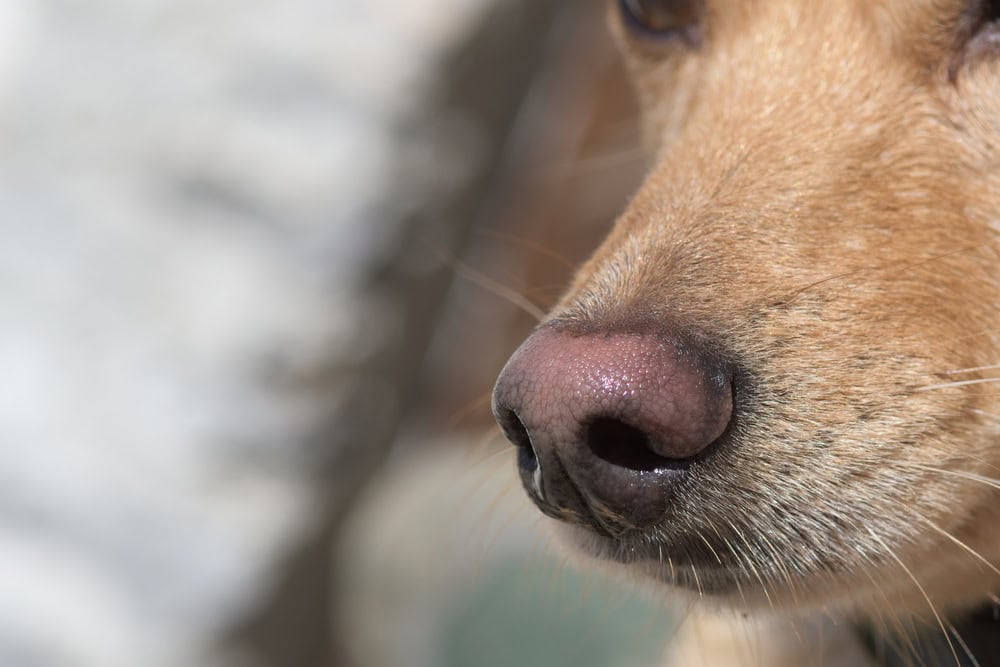
Dogs have a superior sense of smell compared to us humans. They have roughly 10,000 times more olfactory receptors than humans, allowing them to detect certain odors at the smallest of concentrations. Through odor detection, they are able to sniff out volatile organic compounds (VOC)¹ released by cancer cells, allowing them to detect out various types of cancer, including cervical cancer. These VOCs can be detected through a person’s breath, urine, sweat, and even their blood, and have a distinct odor signature compared to those of healthy cells.
How Do Dogs React When They Smell Cervical Cancer?
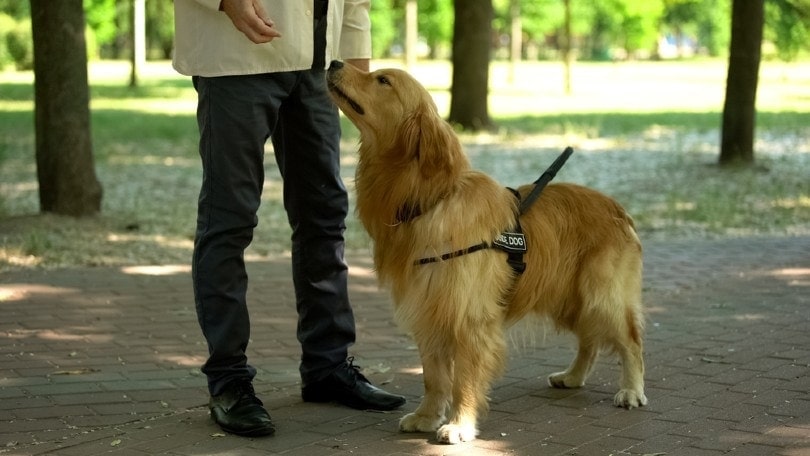
Dogs specifically trained to detect cancer when presented with samples of bodily fluid, such as urine, stool, saliva, and even blood, can simply point out if they detect cancer in the specimen or not. They may point, bark, or exhibit any behavior to signal their handlers that they are detecting cancer, and this is done through specific training.
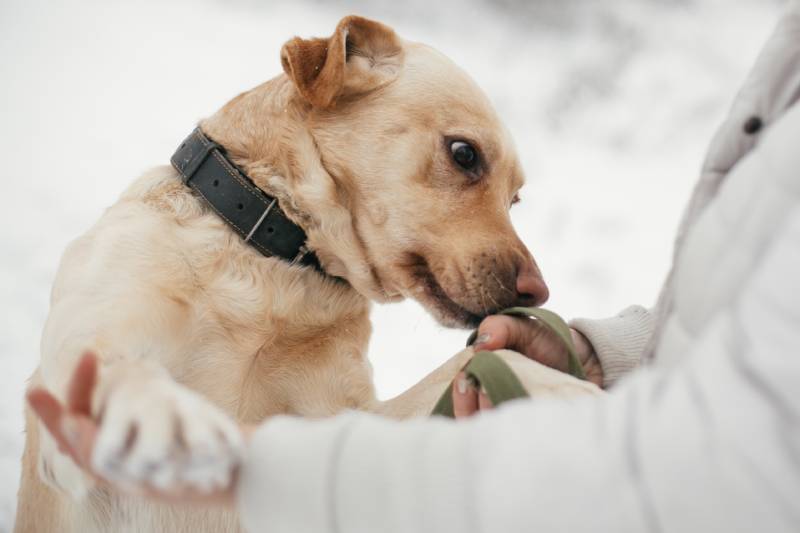
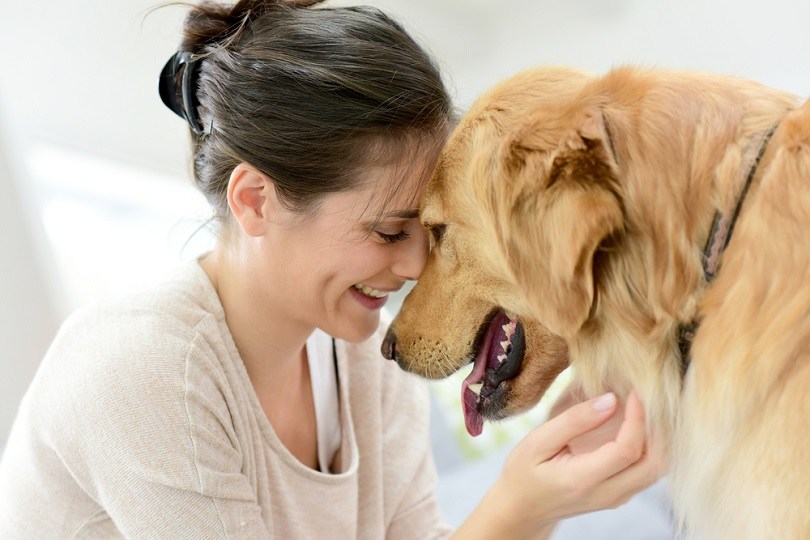
Dogs who are not specifically trained for cancer detection can still react in various ways to signal that they are smelling or detecting something. Because all dogs have different personalities and unique behaviors, they may react in a variety of ways when smelling cancer. For example, they may paw at or intently look at the site of cancer, such as an individual’s breasts if they detect breast cancer, skin if they detect skin cancer, or the abdomen or core if they detect cervical cancer. They can also exhibit changes in behavior, such as increased whining and barking, as well as increased display of affection and clinginess if they detect changes in odor signatures that indicate cancer.
Changes in odor signatures can also result in change in a person’s behavior as a response to the illness. Because dogs share an emotional connection with their owners, aside from a change in smell, they may also sense changes in an person’s normal behavior and demeanor as a result of the cancer symptoms they’re exhibiting. When detecting hese factors, dogs may also show increased affection, clinginess, and even displays of unusual barking and whining.
In most cases, cancer may not be the first thing that comes to mind when observing these reactions from our dogs. It is important to understand the normal behaviors of our dogs and seek consult to rule out other possibilities of these changes in their behavior. If the behavior or tendencies exhibited by your dog excessively persist, it would be best to seek consult, as your dog may be trying to tell you something.


Training Dogs to Smell Cervical Cancer
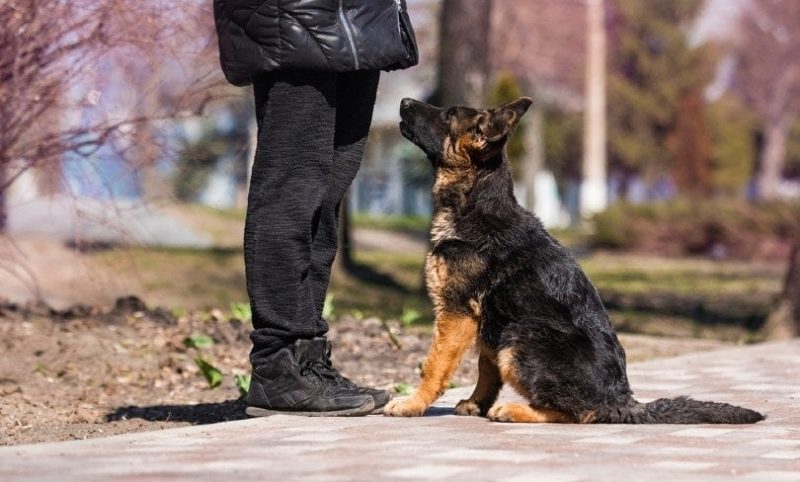
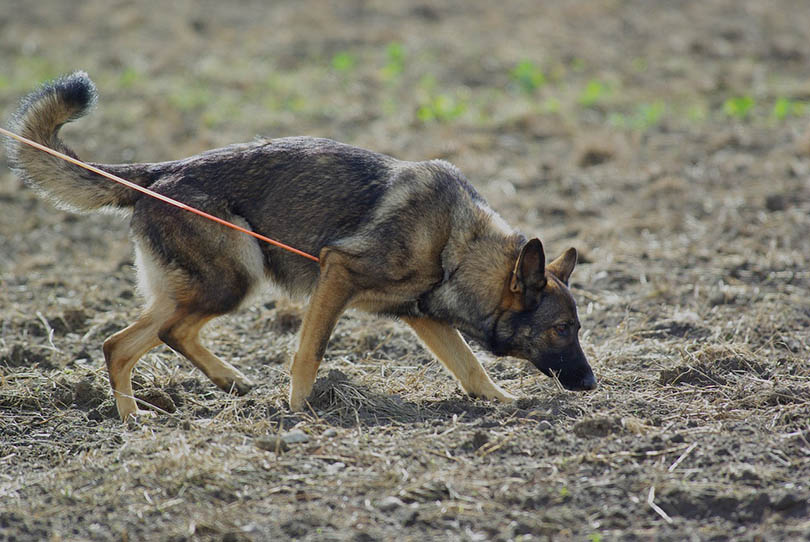
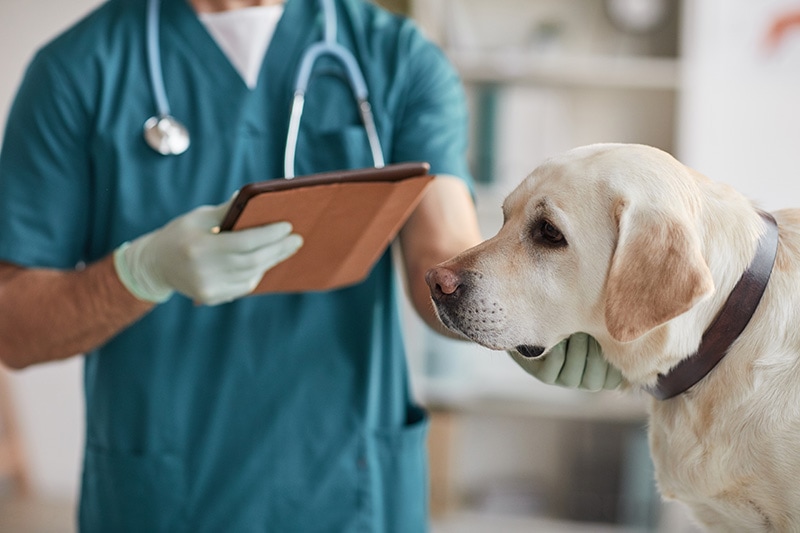
Like a dog trained to work in an airport to detect drugs and explosives, dogs can also be trained to detect cancer in specimens. Using dog sniffers as a tool in detecting cancer¹ in its early stages would greatly help research and development, as this is considered quick and non-invasive. This type of training is called scent detection training and involves teaching a dog to associate a certain odor signature with a reward, in this case, the VOCs released by cancer cells. While all dogs have a superior sense of smell, certain breeds, such as Beagles, Labradors, and German Shepherds are more adept to this type of training.
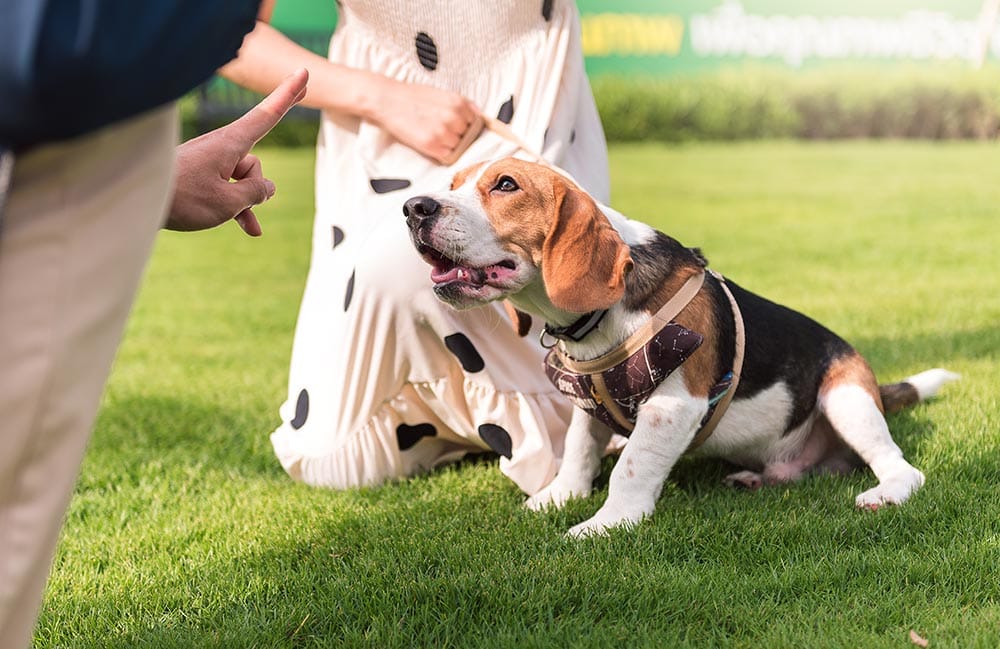
Training dogs to detect cancer usually begins at a young age, when a dog’s learning potential is at its highest. They are exposed to various scents from fluid samples and are given rewards when the cancer specimen is identified. This allows them to create an association of good behavior with the detecting of the VOCs of cancer, by earning them a reward in the process.
Dog sniffers as a tool for detection are currently being utilized, but it is still undergoing continuous research and training. While dogs are indeed able to detect cancer, further research and development is still required to detect different types of cancer with higher accuracy.
What Other Types of Cancer Can Dogs Detect?
Other than cervical cancer, dogs can detect other types of cancer, such as ovarian, colorectal, and lung cancer. Dogs are able to detect VOCs¹ of these other types of cancer, even if they are specifically trained to detect only one type of cancer.
Cases of ovarian cancer¹ and prostate cancer are reported to be detected with both blood and urine samples, while cases of lung cancer¹ have been detected by dogs when presented with nothing but individuals’ breath samples—showing high accuracy when compared to breath samples of healthy lungs. Cases of colorectal cancer¹ have been detected based on stool samples. Stool samples with traces of VOCs have also been detected in comparison with non-cancerous colorectal conditions. There are also reported cases of dogs detecting melanoma and breast cancer by detecting odor signatures from the individual’s skin.

In Conclusion
Dogs have a heightened sense of smell that allows them to detect unique odor signatures released by cancer cells. This allows them to detect various types of cancer, such as cervical cancer, which can aid in early detection that usually goes undetected. Dogs can be specifically trained to detect cervical cancer, and can also incidentally signal their owners through unique behaviors.
Although much research is still required, canine odor detection of cervical cancer is a useful, quick, and non-invasive method that can aid in the detection of cervical cancer.
Featured Image Credit: gemphoto, Shutterstock
Get Hepper In Your Inbox


Pet care tips from our vets and experts, straight to your inbox.
You may opt-out at any time. View our Privacy Policy for more information.

Nicole is a lover of animals of all sizes but is especially fascinated with the feline variety. She’s the proud mom of Baby, a Burmese, and works every day so he can relax in the sunshine or by the fire. She’s always had a cat in her home and has spent countless days with others, observing behaviors and softening up even the grouchiest of the lot. Nicole wants to share her kitty expertise with you so you and your cat can live happy, healthy, and care-free.
Join the conversation
Ask a question, share your story, or send private feedback.