Hepper is reader-supported. When you buy via links on our site, we may earn an affiliate commission at no cost to you. Learn more.
What Breed of Dog Can Smell Cancer? Vet Reviewed Info


In this article
Dogs have long been known to use their noses to benefit humans. They have a place in human medicine, serving the community for decades as service dogs for those with additional needs and as assistance dogs for those with disabilities. Dogs can detect seizures before they happen and smell changes in blood sugar to prevent diabetic crashes. But can they detect cancer? Studies have been conducted on multiple breeds of dogs, and research suggests that they can smell cancer in a few ways, but breed-specific research hasn’t been undertaken.

Which Breeds Can Smell Cancer?
All breeds can theoretically learn to detect cancer from hundreds of other smells in the human body. This learning is possible because all dogs have an incredible sense of smell; scent information is taken into the nose and travels to the brain, where it’s processed. However, dogs trained for scent detection must focus on and recognize particular smells. They need to differentiate them from other scents and know when to alert and let their owner know that cancer may be present.
Some dogs might be better at this than others, including those with an enhanced sense of smell. Bloodhounds have up to 300 million olfactory receptors in their nose and other physical traits, such as facial wrinkles, that help retain scent particles.
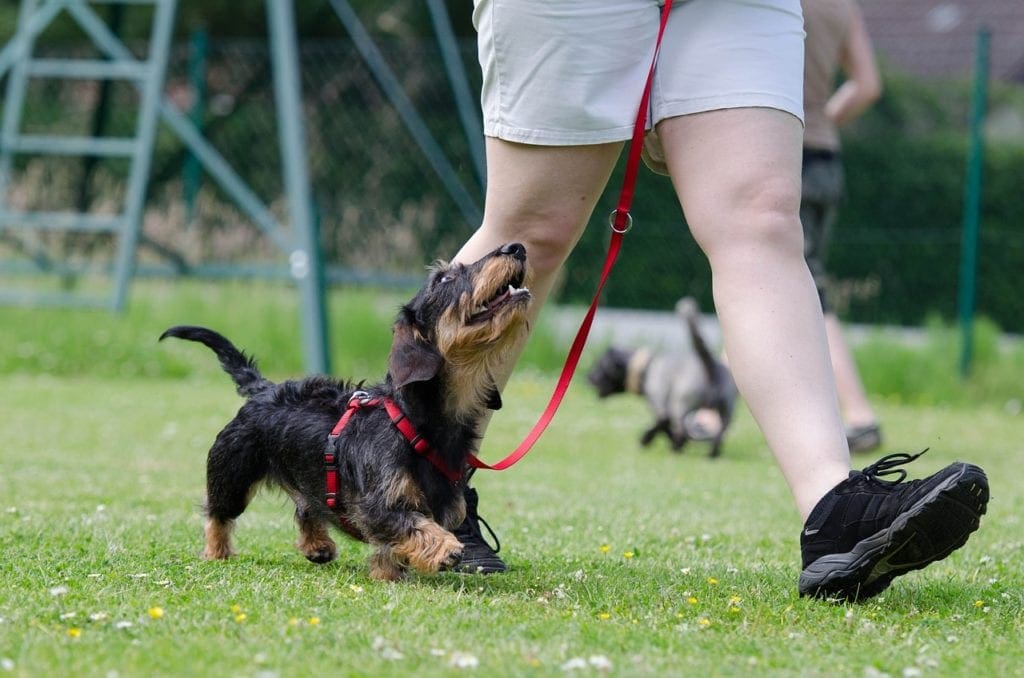
These dogs still need discipline, focus, and trainability to identify and recognize cancer and provide an alert. As a result, the dogs recorded as detecting cancer have been from various breeds, including Labradors, Dachshunds, and Australian Shepherds.
How Do Dogs Detect Cancer?
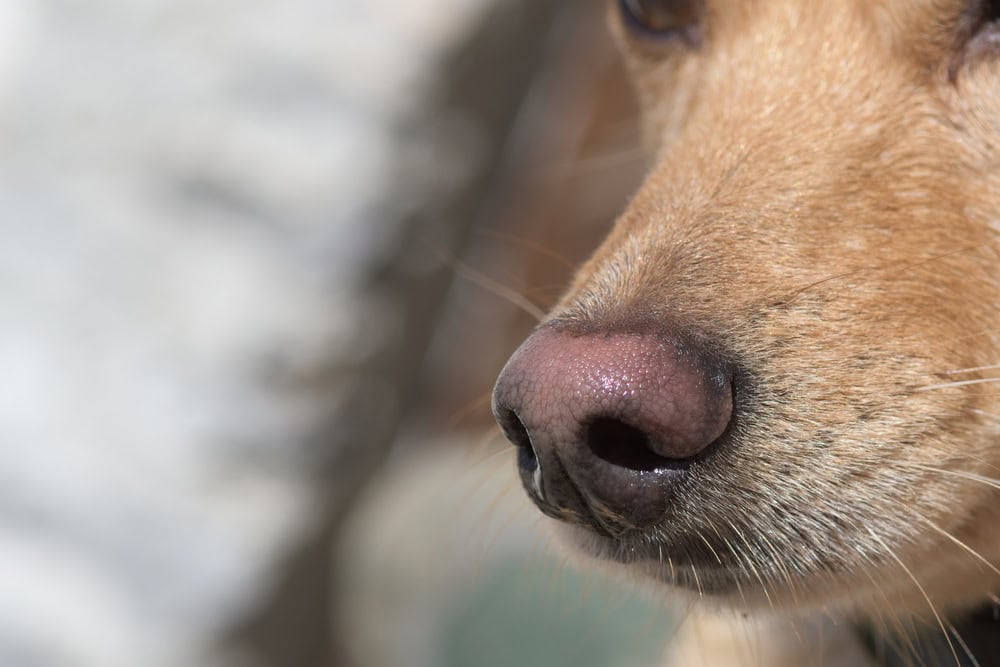
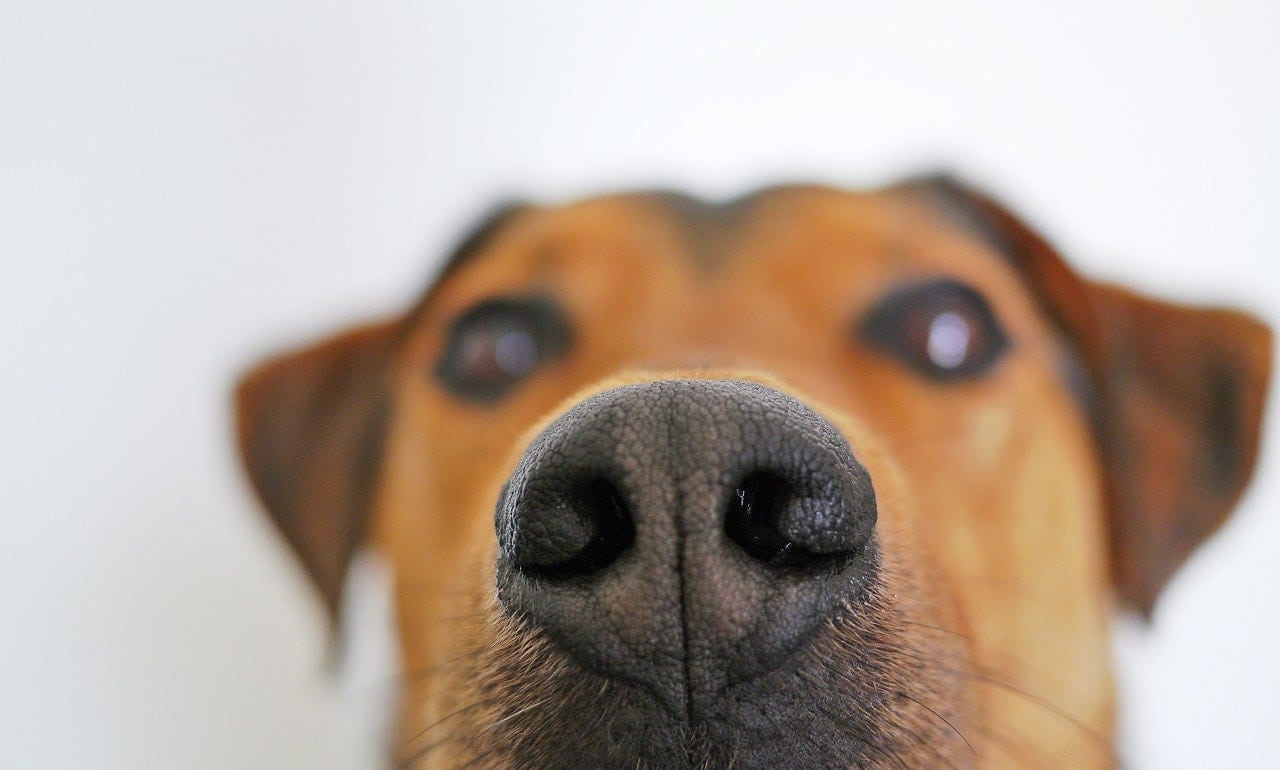
When dogs detect cancer, they use their powerful noses to identify volatile organic compounds (VOCs) associated with malignant cells. A dog’s nose is between thousands to tens of thousands of times more sensitive than a human’s nose! Cancer cells have specific odors caused by compounds they contain, known as volatile organic compounds (VOCs), which are released into the body. Dogs are trained to identify these and alert their owners.
Dogs can smell cancer directly, such as smelling a melanoma (aggressive skin cancer), or via waste products the body produces. Studies have included different breeds of dogs in testing, which revealed that they could detect some cancers to a high degree of accuracy under controlled conditions (reported ranges vary widely by study). These dogs could detect cancer in the urine, on the breath of patients, and from other waste products by smell alone. The smell of cancer can intensify as it progresses; humans can often detect this if a patient is suffering from late-stage cancer, but dogs can detect cancer even in its early stages.
Training To Alert: How Dogs Recognize Cancer
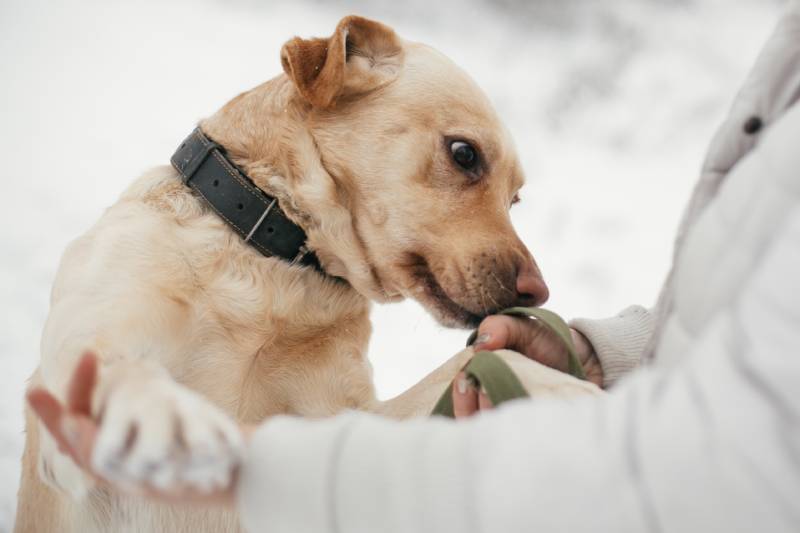
Most dogs are naturally in-tune with their owners, including being intuitive about their health. There have been cases of dogs detecting cancer in their owners with no training, alerting them that something is wrong, though these reports are anecdotal. One more famous case involved a woman with ovarian cancer whose dog didn’t stop staring at and nudging her stomach before hiding. She went for an exam at her doctor’s office, and they found the stage-three ovarian cancer she wasn’t aware of.
Cancer research centers like Penn Vet use different technologies to teach and test dogs to detect cancer. The dogs are introduced to the smell of a cancer sample, rewarded, and taken to sniff different smells in scent banks. These banks will contain cancer samples, among other scents. The researchers and trainers instruct the dogs to identify the cancer samples and reward them for correct identification.
In one study by Penn Vet, the cancer detection dogs take a final test using a large scent wheel containing many samples, including one cancer sample. Researchers rewarded the dogs once they correctly identified the sample and alerted the researchers, such as by sitting. This wheel contained one sample of malignant cancer, benign (non-dangerous) cancers, other non-cancerous tissue samples, and random items as distractions. Penn Vet has reported that the dogs correctly identified the malignant sample with approximately 90% accuracy.
Other experiments have used live patients to detect cancer; the dogs smelled the breath and bodily fluids of lung and breast cancer patients to test how accurate their detection and alerting were.
What Types of Cancer Can Dogs Smell?
Research and anecdotal evidence have shown that dogs can detect several types of cancer. Dogs detect cancer in humans with a degree of accuracy that varies by study design and cancer type, including:
- Breast and lung cancers by smelling the breath
- Bladder and prostate cancers by smelling urine
- Colorectal cancers by smelling breath and stool
- Ovarian tumors by smelling tissue and blood samples
- Cervical cancers by smelling tissue samples
How Do Dogs Act When They Smell Cancer?
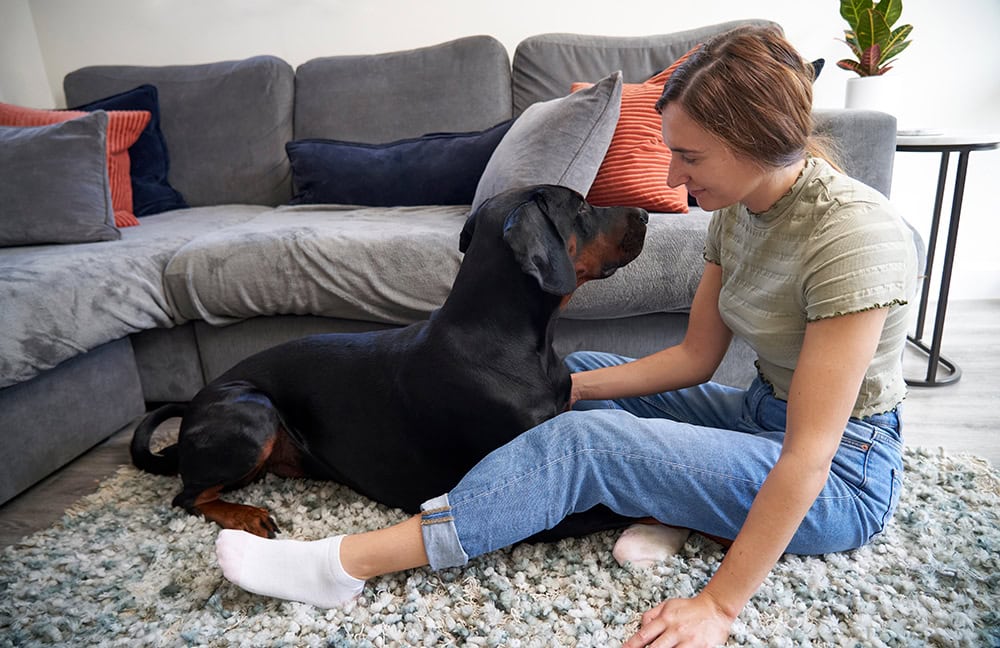
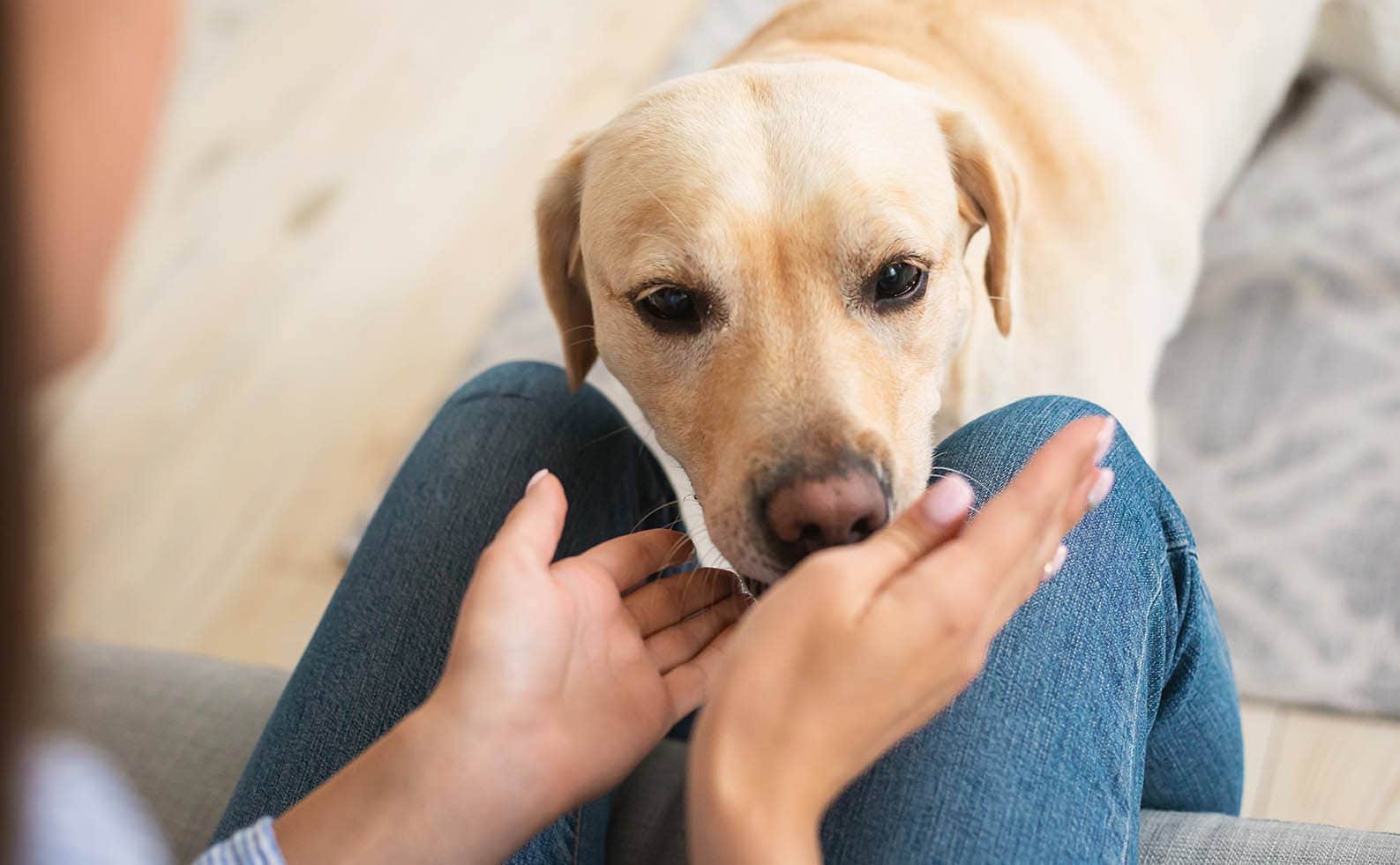
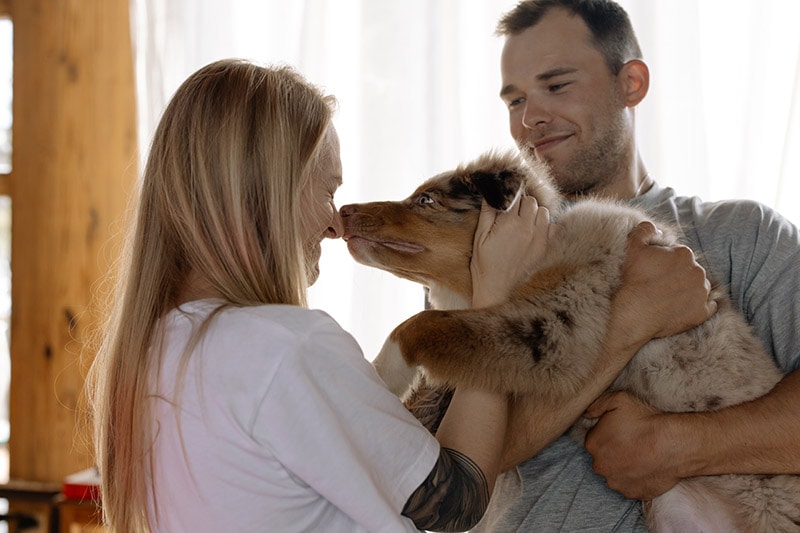
A difference in its owner’s smell can be alarming to a dog, but there’ll be differences in behavior depending on whether the dog is trained to detect cancer. Dogs not trained to detect cancer have been reported to relentlessly bother their owners by licking, nudging, or staring at certain parts of their bodies to alert them that something’s changed. This is usually done with such persistence that their owners finally relent and seek medical evaluation.
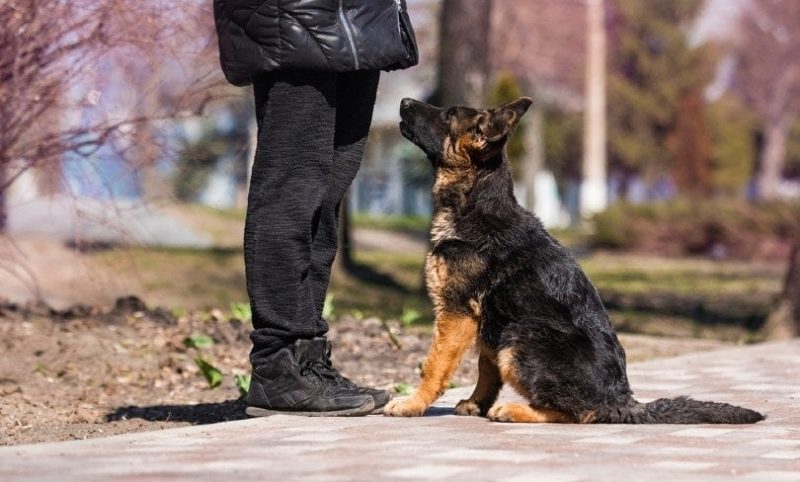
Trained dogs often explore several samples or individuals and alert their trainers by performing an action or getting into position when they detect cancer-associated odors. This is similar to other alert dogs, such as those that find drugs or cadavers. Sitting and lying down are common positions trained dogs will get into to alert, giving a clear signal to researchers during controlled testing.
Can Dogs Detect Cancer in Other Dogs?
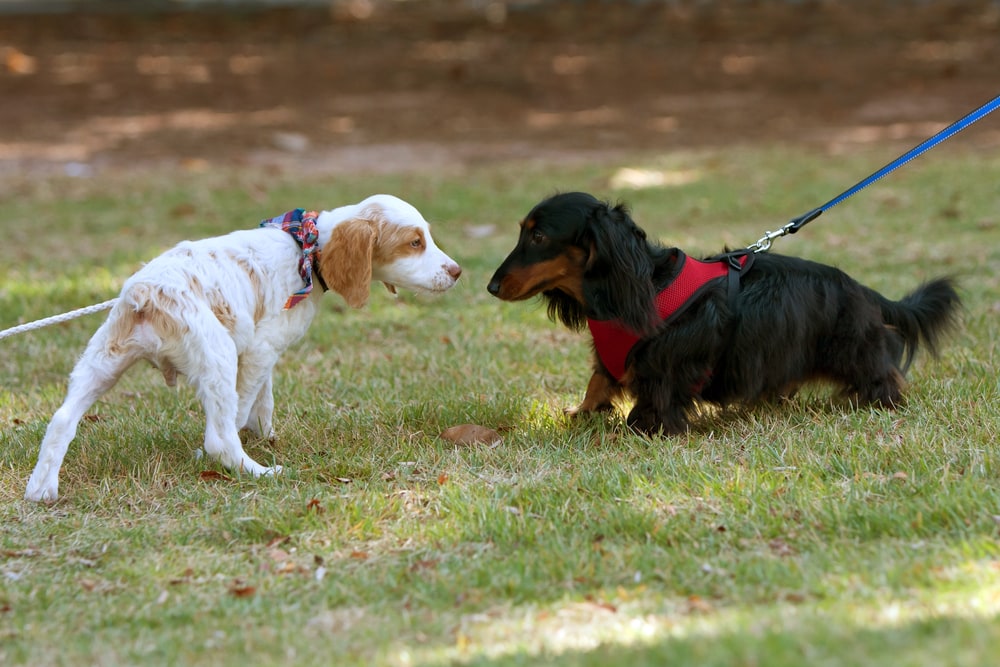
Dogs can detect cancer in other dogs, but scientific evidence is limited compared to human studies. Studies have shown that dogs sometimes detect cancer in their canine companions, but there are limits to the study that don’t consider canine body language and behavior. Dogs use their complex sense of smell to communicate with one another in incredibly subtle but informative ways. They’re up close and personal, sniffing each other all the time and reading different signals in the form of language that we can’t understand.
It's almost guaranteed that they can recognize a difference in smell or notice new lumps or bumps, potentially sooner than the dog's owner can. Sometimes this can result in obsessive licking, biting, or bothering of a lump or area on the dog suffering from cancer. If this happens, separating the dog from others is recommended until the problem area is checked. Excessive licking and biting can cause soreness on the skin and even cause sores, increasing the chance of infection.

Final Thoughts
Dogs are intelligent and intuitive creatures that are often very in tune with their owners. Because of the mounting evidence to support the theory that dogs can detect cancer in humans, research has been ongoing to hone this process to see how it can apply in human medicine.
The ability to detect cancer in this way should be possible for any dog, but there have been some breeds that have been found to be particularly responsive to the type of training needed to perfect this skill, including Labradors, Dachshunds, and Australian Shepherds.
While it’s unlikely that doctors will welcome dogs into the exam room, technology based on canine noses is being developed. If it works, this could mean earlier detection of cancer, leading to more lives saved.
Sources
Featured Image Credit: Prostock-studio, Shutterstock
Get Hepper In Your Inbox


Pet care tips from our vets and experts, straight to your inbox.
You may opt-out at any time. View our Privacy Policy for more information.
Nicole is a lover of animals of all sizes but is especially fascinated with the feline variety. She’s the proud mom of Baby, a Burmese, and works every day so he can relax in the sunshine or by the fire. She’s always had a cat in her home and has spent countless days with others, observing behaviors and softening up even the grouchiest of the lot. Nicole wants to share her kitty expertise with you so you and your cat can live happy, healthy, and care-free.
Join the conversation
Ask a question, share your story, or send private feedback.