Hepper is reader-supported. When you buy via links on our site, we may earn an affiliate commission at no cost to you. Learn more.
Can Ferrets Eat Cheese? Vet-Verified Nutrition Facts & Safety Guide



In this article
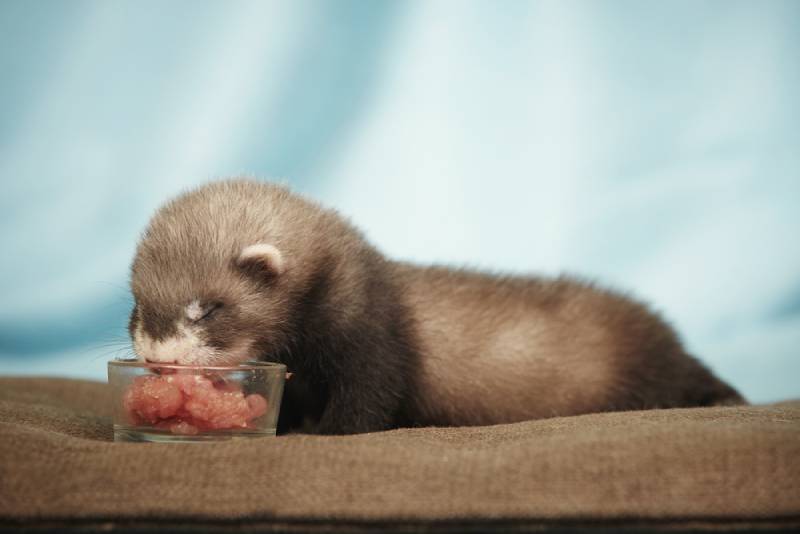
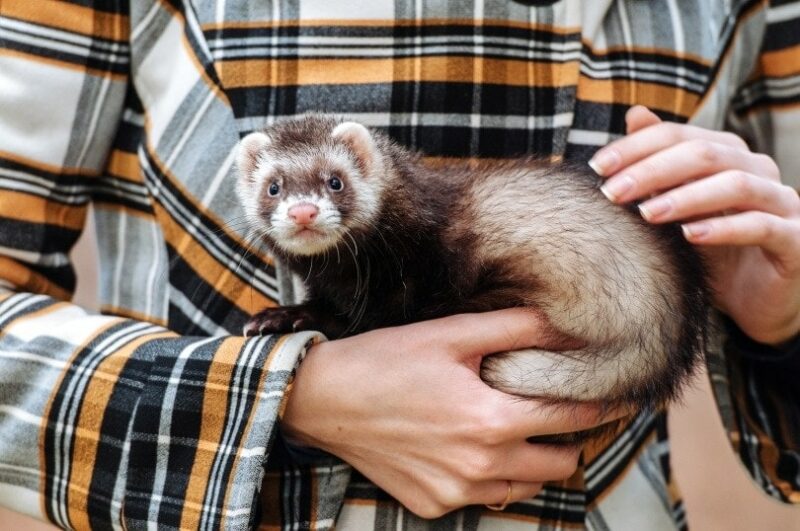
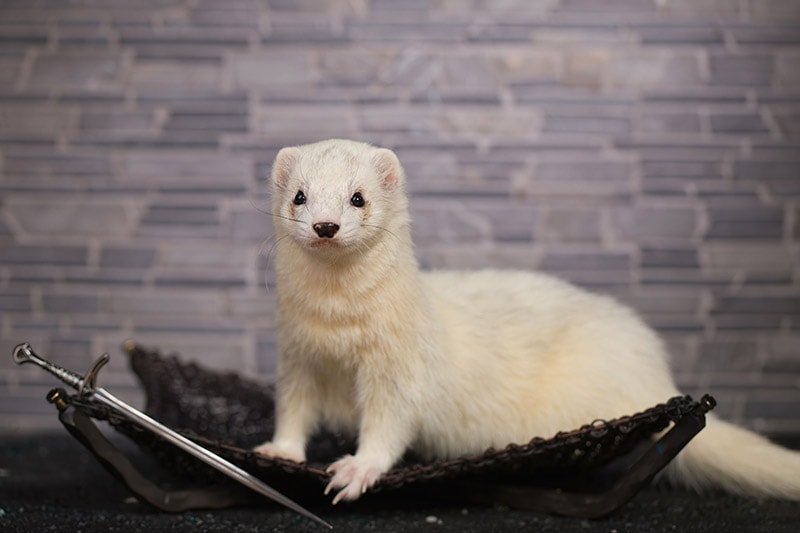
Ferrets are often compared to cats. They are just as cute, curious, and playful and even have similar dietary needs. However, ferrets may be more curious to try new foods, and some may take a particular liking to cheese. If this is your experience with your pet ferret, you may wonder if ferrets can eat cheese.
Ferrets are similar to cats in that they are obligate carnivores and don’t need dairy in their diet, but their digestive systems are even more hardwired to a meat-only diet. Therefore, cheese should be avoided in a ferret's diet since their digestive system is designed to process meat.

Can Ferrets Eat Cheese?
Ferrets cannot eat cheese. Even though cheese contains protein, ferrets, like cats, are strict carnivores, so their digestive system cannot process certain foods like cheese. Ferrets are naturally curious, so if they happen to nibble on a small piece of cheese, they will likely be ok, but you should never feed your ferret cheese as part of their diet or as a treat in large portions.
Why Is Cheese Bad for Ferrets?
Once they have been weaned, ferrets are lactose intolerant, so cheese and all other dairy items are unsuitable for their diet. Dairy products cannot be digested because they lack the digestive enzymes needed to break down lactose. Ferrets are obligate carnivores, so their digestive system is made only to process meat.
If you feed your ferret a lot of cheese, they may experience vomiting, diarrhea, fluctuating blood pressure, and even seizures. Diarrhea and vomiting can also lead to dehydration, which can cause further health issues such as heart or kidney failure.
What if My Ferret Ate Cheese?
Ferrets can be mischievous, and you should never underestimate their capacity to steal a piece of cheese that hasn’t been stored away properly. If your ferret managed to sneak a piece of cheese that perhaps fell off your cracker and onto the floor, there is likely no need to panic.
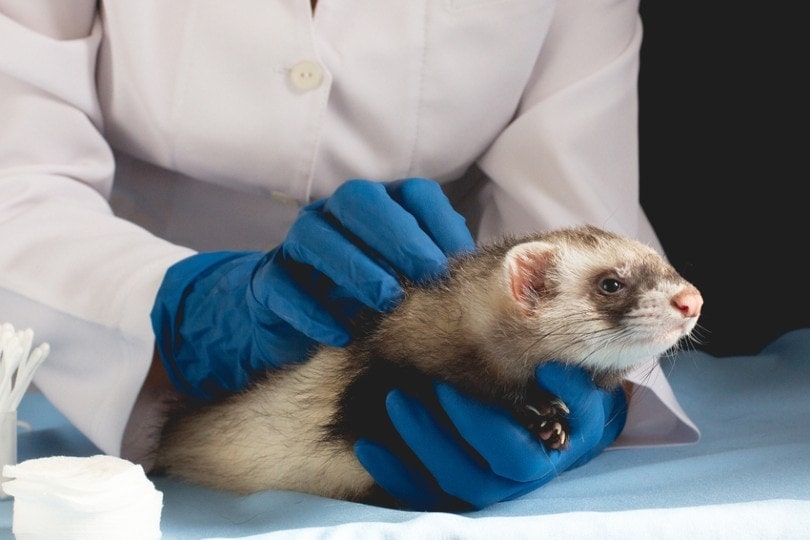
However, if your ferret consumes more than that, you must monitor them closely for signs of stomach issues for at least 2 days. If your ferret continues to eat and drink and there is no change in their usual behavior, they will likely be fine, but if they lose their appetite, seem different in any way, and are experiencing vomiting and diarrhea, you need to call your vet right away.
If you know that your ferret has eaten a large amount of cheese, contact your veterinarian as soon as possible.
Tips for Keeping Your Ferret Healthy
As obligate carnivores, ferrets require meat to maintain their health. A high-quality ferret diet needs to have between 34% and 60% protein and 10% to 15% fat. Ferrets cannot survive on a diet that contains more than 4% fiber. While cat food has occasionally been advocated for use in ferret meals, foods designed expressly for ferrets are more suitable and highly advised.
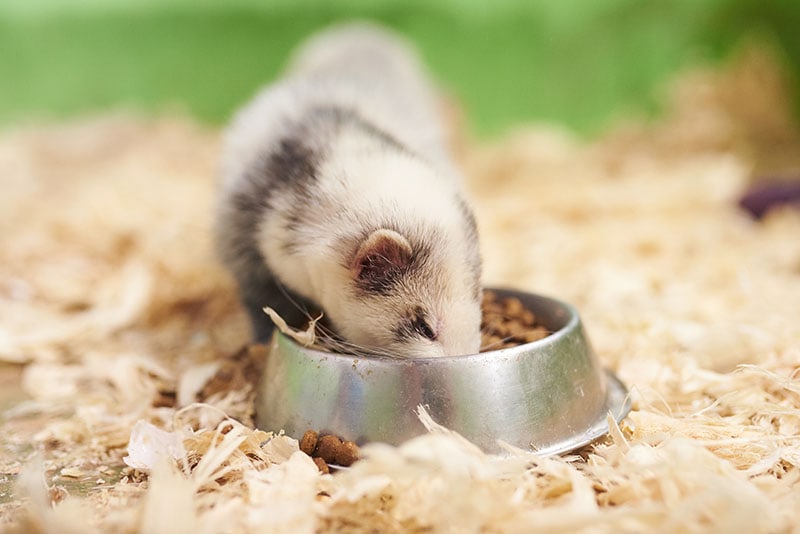
Ferrets have short intestines that quickly convert the protein and fat from meat into energy. As a result, they need to eat often because food only stays in their systems for a short time. You can weigh their recommended daily portion of food and place it in their dish so your ferret can nibble on it all day, but it is better to feed them at regular intervals throughout the day.
The best diet for your ferret can include the following:
- Commercial ferret nuggets: They contain all the nutrition your ferret requires and are available in most pet stores.
- Pastes and oils: These are popular with ferrets, especially as a training reward, and benefit their health. They should only be served occasionally, and you should consult your vet before offering them.
- No sugar or complex carbohydrates: Don't feed your ferret anything that contains sugar or meals that are high in complex carbs, such as fruits, vegetables, and dairy.
- Chicken or eggs: They can be cooked and served as treats.
- Fresh water: Ferrets can drink from bowls, but water bottles are best.
Conclusion
Ferrets are playful and affectionate pets that can also be very curious. If you have cheese on your plate, your ferret will likely be very interested in it but don't give in. It is best to keep cheese, and all other dairy, out of your ferret's diet because they cannot digest it properly, which can lead to stomach problems. If your curious pet has managed to sneak a bite, they will likely be okay but don't offer cheese as a regular treat. Maintaining a high-protein meat diet for your ferret is essential to keeping them happy and healthy.
See Also:
Sources
Featured Image Credit: HandmadePictures, Shutterstock
Get Hepper In Your Inbox


Pet care tips from our vets and experts, straight to your inbox.
You may opt-out at any time. View our Privacy Policy for more information.
Nicole is a lover of animals of all sizes but is especially fascinated with the feline variety. She’s the proud mom of Baby, a Burmese, and works every day so he can relax in the sunshine or by the fire. She’s always had a cat in her home and has spent countless days with others, observing behaviors and softening up even the grouchiest of the lot. Nicole wants to share her kitty expertise with you so you and your cat can live happy, healthy, and care-free.
Join the conversation
Ask a question, share your story, or send private feedback.