Hepper is reader-supported. When you buy via links on our site, we may earn an affiliate commission at no cost to you. Learn more.
Can Hamsters Eat Grapes? Vet-Approved Facts & FAQ


Feeding your hamster the proper diet ensures your pet gets all the nutrition they need to stay as healthy as possible. For the most part, you only need to give your hamster a healthy pelleted diet formulated for hamsters, Timothy hay, and small amounts of vegetables, herbs and fruits. They can also have the occasional treat in the form of a boiled egg or a mealworm (after all, who doesn’t love a nice treat?)
But not all vegetables and fruits will be safe or healthy for your tiny friend to consume. If you’re considering tossing a grape or two to your pet to supplement their diet, you need to know whether hamsters can safely eat this fruit and in what quantity.
So, can hamsters eat grapes? They can! Unlike many animals for whom grapes are toxic, this fruit is safe for hamsters. However, grapes are definitely only a once-in-a-while treat.

Health Benefits of Grapes
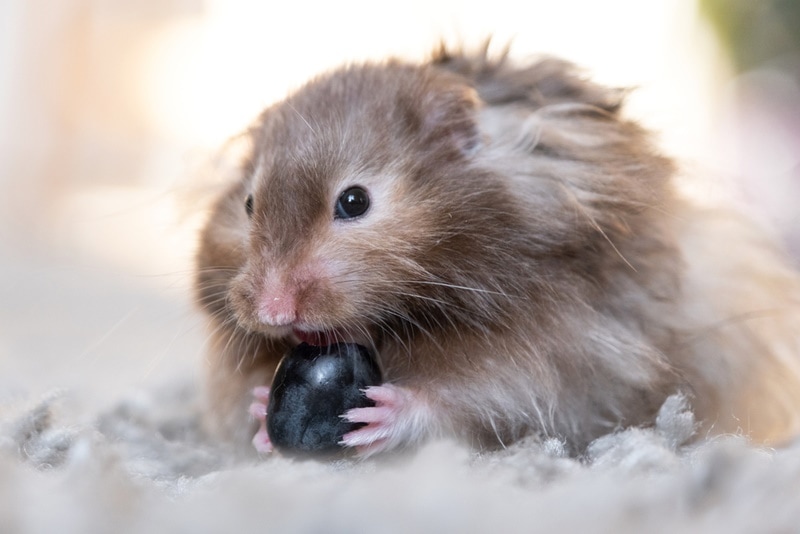
Grapes are a healthy snack for us, but how healthy are they for hamsters? Well, grapes are full of minerals, vitamins, and antioxidants, which are all vital to keeping your pet healthy. In particular, grapes are high in vitamin C and K.
Vitamin C is vital for hamsters as it is in all mammals, but unlike guinea pigs, hamsters can produce vitamin C from glucose, so they don’t need to be supplemented per se.1 However, vitamin C rich foods are always a good idea and grapes contain a lot more than just vitamin C. Grapes also contain vitamin K, which is key to helping blood clot and good reproductive health, as well as calcium and phosphorus, both of which are used to make the skeletal system stronger. On top of that, this fruit has a good amount of fiber, which is always beneficial in keeping the digestive system working as it should, and has a high water content, so if your little one isn’t drinking enough, they can stay better hydrated.
Are Grapes Healthy for My Hamster?
Despite all those health benefits, though, grapes aren’t the healthiest snack for your hamster. Why is that?
The big issue with grapes when it comes to hamsters is the large amount of sugar in them. Even feeding your pet a whole grape could cause diarrhea and gastrointestinal issues because of the high sugar content. And, of course, over time, too much sugar in the diet of a hamster can result in issues like weight gain and diabetes.
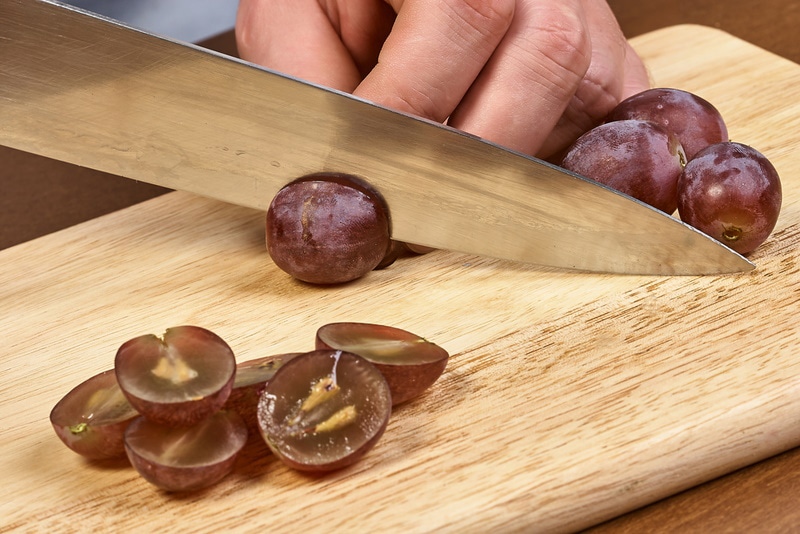
It's also important to remember that a food that’s small to us is giant to your hamster. So, serving your pet a whole grape is much too much for it. And giving your pet grapes with seeds is a definite no-no, as the seeds can be a choking risk!
Feeding Grapes Safely
Though grapes aren’t necessarily the healthiest of treats for hamsters, it’s still okay to give yours a bit of grape on occasion. But start with a very small amount the first time you feed your pet this fruit. New foods can cause a stomach upset, as the body isn’t used to digesting them.
Begin with only an eighth of a grape, then increase that to a quarter of a grape if all is well. Once your hamster is safely eating that quarter, you can give them that amount once a week. Keep in mind, though, that hamsters shouldn’t have more than a teaspoon of fruit a couple of times a week, so if you want to include other fruit in your pet’s diet, factor that limit in!
Frequently Asked Questions
You may still have some questions about hamsters, grapes, and feeding your pet fruit in general, so here are a few commonly asked questions.
What kind of grapes should my pet eat?
Hamsters can eat green and red grapes! Yours might prefer one kind to the other, so try giving them both.
Are grape skins okay for my hamster?
The grape's skin isn’t harmful to your pet, but if you have any concerns about your hamster consuming pesticides, you’ll want to stick with skinless grapes.
Are there types of hamsters that shouldn’t eat grapes?
Even though grapes aren’t toxic to hamsters, there are some hamsters that will be better off not consuming them. Both the Chinese Dwarf hamster and Campbell’s Dwarf hamster seem to be more likely to develop diabetes than other hamster breeds, so giving them foods high in sugar may trigger that. If you have one of these breeds, find a treat lower in sugar for your pet!
What fruits can hamsters eat?
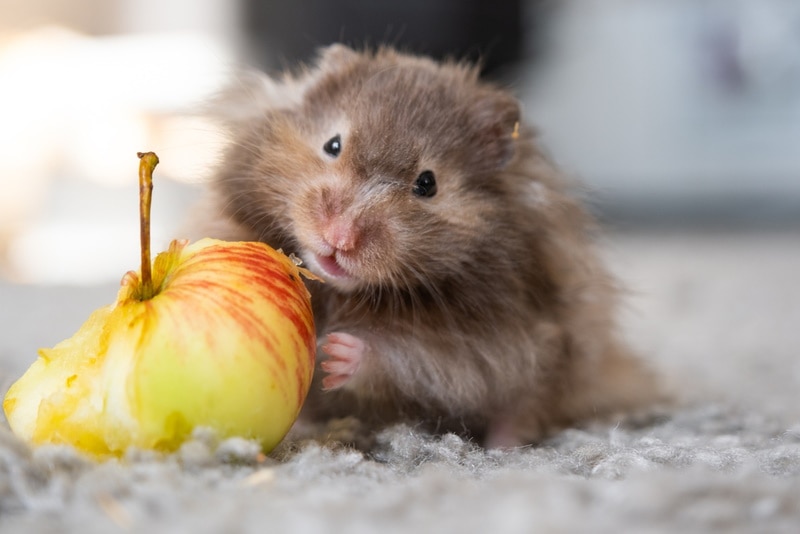
A few other fruits are safe for hamsters to consume, including apples (not the pips or skin), peaches, melons, and pears.
Summary
While grapes aren’t toxic to hamsters, they’re not the healthiest of treats to give them either. Grapes certainly have nutritional benefits, but the amount of sugar in them isn’t good for your pet’s health and outweighs much of the good. You can still give grapes to your pet on occasion, though; just limit how much you give them at once to avoid gastrointestinal upset. Your hamster will likely enjoy the sweet taste of grapes; just don’t overdo it!
Related Read:
Sources
https://www.petmd.com/exotic/nutrition/evr_ex_hm_what-can-hamsters-eat
https://www.chewy.com/oxbow-prime-cut-soft-lush-timothy-hay/dp/816118
https://justexotics.co.uk/pluginfile.php/667/mod_resource/content/1/Syrian%20Hamster%20Care%20JE.pdf
https://www.pdsa.org.uk/pet-help-and-advice/looking-after-your-pet/small-pets/your-hamsters-diet
Featured Image Credit: George Dolgikh, Shutterstock
Get Hepper In Your Inbox


Pet care tips from our vets and experts, straight to your inbox.
You may opt-out at any time. View our Privacy Policy for more information.
Misty Layne lives out in the woods in small-town Alabama with her two Siamese—Serafina and Jasper. She also has an array of stray cats, raccoons, and possums who like to call her front porch home. When she’s not writing about animals, you’ll find her writing poetry, stories, and film reviews (the animals are, by far, her favorite writing topic, though!). In her free time, Misty enjoys chilling with her cats, playing piano, watching indie and foreign films, photographing abandoned places, and catching up on her never-ending TBR list.
Join the conversation
Ask a question, share your story, or send private feedback.