Hepper is reader-supported. When you buy via links on our site, we may earn an affiliate commission at no cost to you. Learn more.
Can Dogs Get Sick from Humans? Our Vet Explains

In this article
Whenever your dog gets sick, it may be your first instinct to assume that you or your kids may have passed a “bug” to your dog. In human medicine, the influenza virus, the common cold, or even infectious agents that cause an upset stomach are often passed among people. However, there are not that many common diseases that you can pass to your dog that will cause them to get sick. While there are some, many parasites and viruses that infect humans are different strains or species that infect dogs. In this article, we’ll talk about some common things that many people wonder about passing to their dog.

Diseases Dogs Can Get from Humans & Vice Versa
Ringworm
Ringworm is not a worm at all,1 but a fungal infection. It will cause crusted, red-ringed lesions on the skin and can also affect the hair and nails. These lesions tend to be extremely itchy. Ringworm is very contagious and can be passed from you to your dog or vice versa. If your dog has crusted skin lesions and is itching, but no other animals or people in the house have similar signs, then it is likely not ringworm.
However, if multiple animals and people in the house all have itchy, crusted skin lesions, you should see your doctor to find out if you have ringworm. Ringworm can be treated in your dog by your veterinarian, but your family physician should prescribe the family different, human-appropriate medications.
MRSA
MRSA, or Methicillin-resistant Staphylococcus aureus, has become a problem for many people and hospitals. MRSA is a bacterial infection that is resistant to many common antibiotics. While healthy people are often treated successfully, those people with a compromised immune system are at risk for MRSA developing into a life-threatening condition. The same goes for dogs. If your dog comes in contact with MRSA, those who are immunocompromised are more likely to get sick.
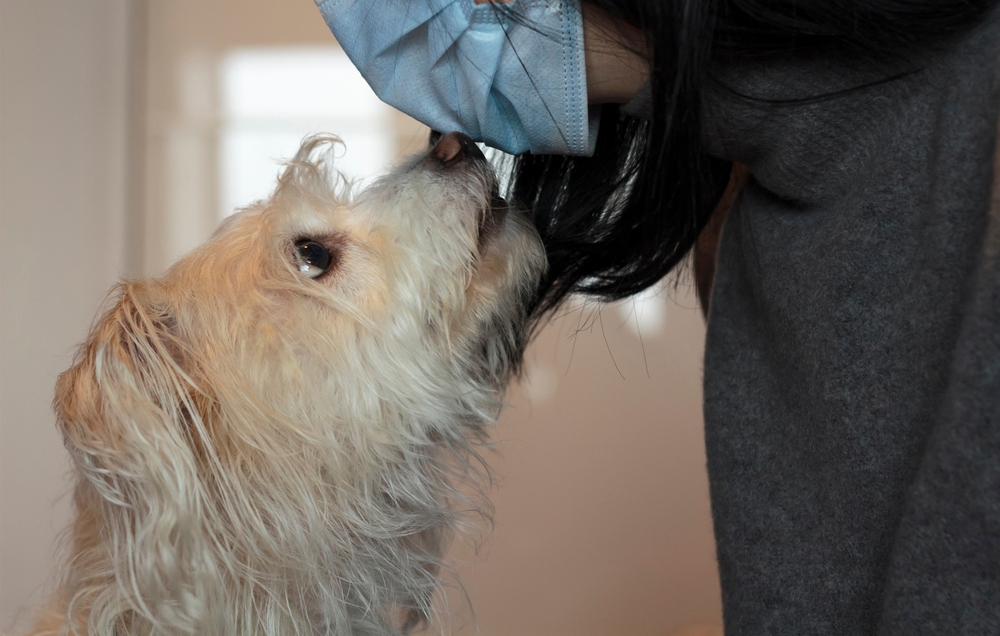
Dogs can contract MRSA from any direct contact with their owners, especially if your dog licks you. If your doctor has diagnosed you with MRSA, it’s best to keep your dogs isolated or even have a family member watch them while you undergo treatment. If your dog has been diagnosed with MRSA, great caution should be taken with any immunocompromised people in the house while they are being treated.
Leptospirosis
Leptospirosis is a highly contagious bacteria. It is considered a zoonotic disease and can absolutely pass from yourself to your dog and vice versa. Leptospirosis is most commonly carried in the urine of an infected animal. When another animal, such as your dog, comes into contact with this urine or other bodily fluids, they can contract this bacterium. It’s frequently found in water sources such as ponds, lakes and standing puddles in the yard. This is because the urine of infected animals will often wash into these areas of water. Unfortunately, children in the house may be a common source of spreading the infection due to putting their hands into everything, including their mouths, without washing their hands.
Leptospirosis can cause significant disease and even death. If you are diagnosed with leptospirosis, you need to take extreme caution around any other animals or people in the house. The same goes for your pet – if they have been diagnosed with leptospirosis, they should ideally be kept in an isolation area of the hospital until they have cleared the bacteria.

FAQ
What About Parasites/Worms/Fleas?
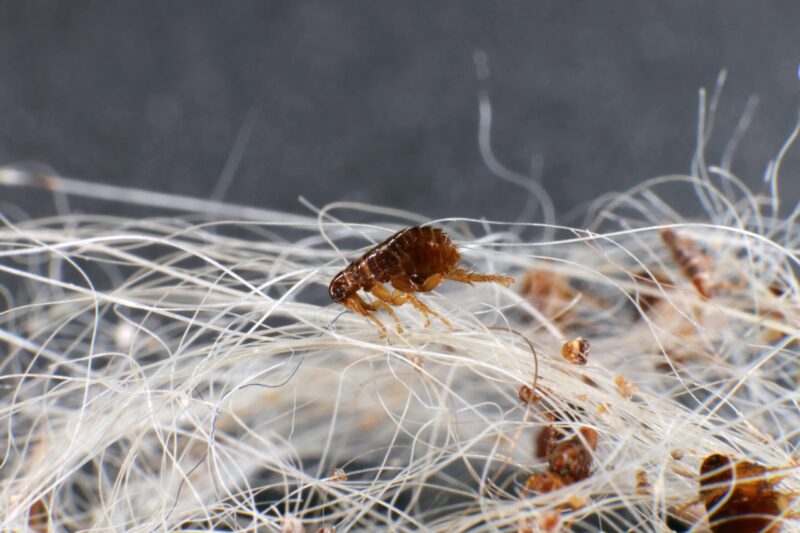
This is a tricky one! While there are some parasites that can be passed amongst species, many parasites are actually host species specific. Fleas, for instance, may be able to pass bacteria amongst species, but most can only live and breed on certain species. Pinworms in animals are often blamed for pinworm infections in humans. However, this is not the case. Don’t believe everything you hear.
If you get diagnosed with a parasite, your family physician may tell you that it was probably your dog. However, you are more likely to get these things from cross-contamination with food stuff or things your kids get into than your pup. Cases of humans passing parasites to their animals are few in developed countries. If you have recently traveled or have reason to believe you have any type of parasite, working with an infectious disease doctor for treatment and to determine your pet’s risk of contracting the same thing is recommended.
What About the Flu?
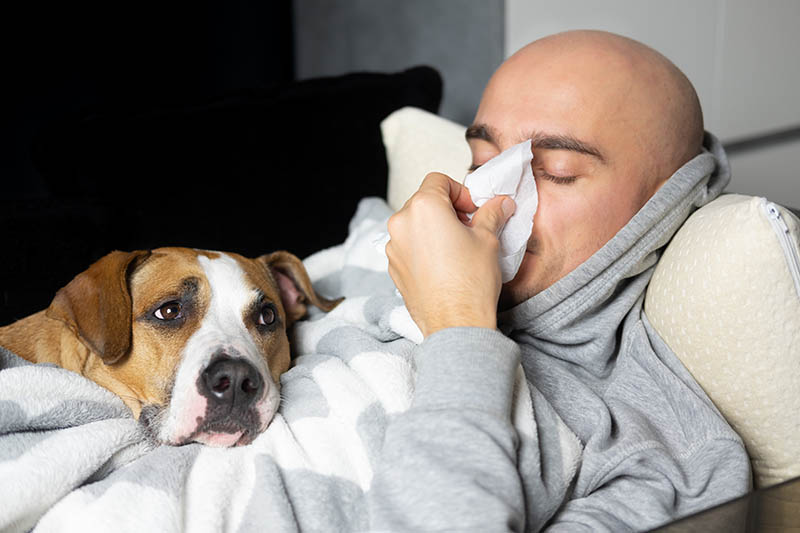
During cold and flu season, veterinarians commonly hear that owners are afraid they gave the flu to their dog, or their dog gave them the flu. The reality is that the strains of flu virus that can infect your dog are not able to be passed to you. However, dogs can contract some strains of human influenza (flu virus) from you.
Interestingly however, dogs don’t tend to become sick even after contracting a human flu virus. If your dog is diagnosed with the flu, it’s most likely a strain of canine influenza and your pup got it from another dog. So next time you have the flu and you really want your best friend there to snuggle with, rest assured that you are both probably safe.
Conclusion
While most people share their beds, homes, and food with their beloved pets, luckily there are not many diseases that your pets can get from you. Leptospirosis is highly contagious and infectious and can be passed from humans to pets and vice versa. While dogs can contract the human flu virus, it is not common for them to become clinically ill. Parasites can sometimes be passed amongst pets and humans, though most are host species specific. If you are diagnosed with any condition and share your home with one or multiple pets, it’s best to speak with your doctor and your veterinarian about any risk to the animals or other people in the house.
Sources
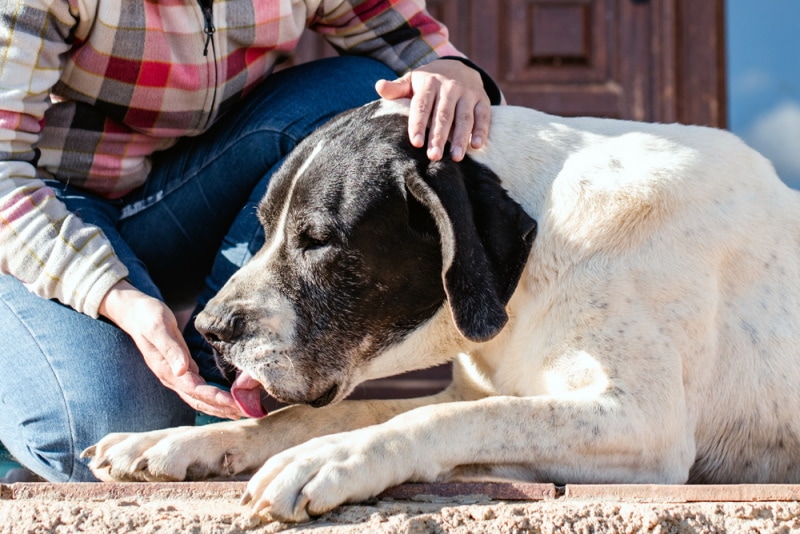
Featured Image Credit: Aleksey Boyko, Shutterstock
Get Hepper In Your Inbox


Pet care tips from our vets and experts, straight to your inbox.
You may opt-out at any time. View our Privacy Policy for more information.
Dr. Podlecki is a graduate of The Ohio State University College of Veterinary Medicine with more than 12 years of experience working with small animals in the US. Dr. Podlecki spent 10 years working almost exclusively in emergency and specialty medicine before transitioning to relief in general practice and the ER. She also owns her own veterinary consulting company (renewvetconsulting.com) that helps vet hospital improve their internal culture.
For as long as she can remember, Dr. Podlecki always wanted to be a veterinarian. It is her passion and she lives to help animals. She also owns her own consulting company (renewvetconsulting.com) which focuses on helping veterinary hospitals prioritize their staff to promote a healthier internal culture.
Education
Dr. Podlecki graduated from The Ohio State University College of Veterinary Medicine.
Experience
Dr. Podlecki has over 12 years of experience working in the USA with small animals. For more than 10 years, she worked almost exclusively in emergency and specialty medicine, before transitioning to relief in both general practice and ER.
Join the conversation
Ask a question, share your story, or send private feedback.