Hepper blog

Search our database of over 9,984 posts with up-to-date information from our experts and veterinarians.

Hepper is reader-supported. When you buy via links on our site, we may earn an affiliate commission at no cost to you. Learn more.

Can You Use Head & Shoulders on Dogs? Vet-Reviewed Safety & Risks

By Genevieve Dugal · Reviewed & fact-checked by Dr. Ashley DarbyVet Approved
Dr. Ashley Darby
Reviewed & Fact-Checked byDr. Ashley DarbyVeterinarian
Ash graduated from Sydney University in 2017 and has since worked in mixed and small animal emergency clinics and general practice. She grew up in South Africa and England before moving to Australia, and her passion for animals came from many childhood safaris in the Kruger National Park.View authorThe information is current and up-to-date in accordance with the latest veterinarian research. Read about our vets
Share
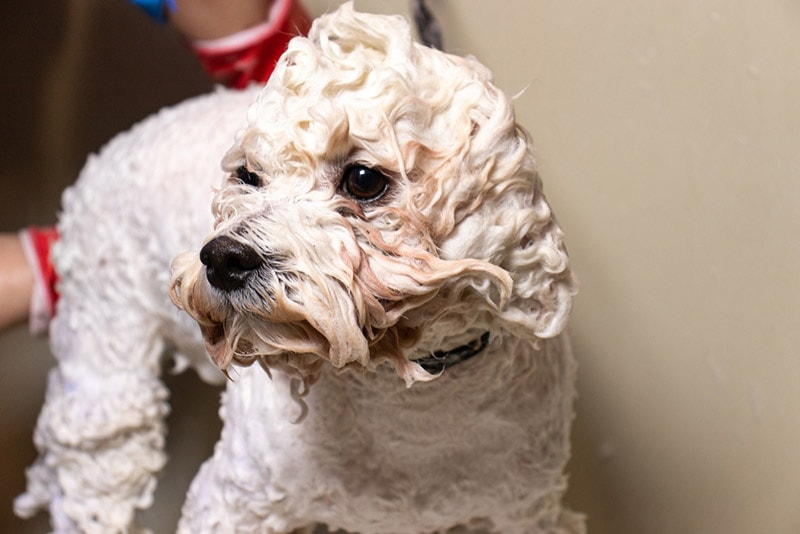
brichon frise dog getting a bath

Using Head & Shoulders on your beloved pup is not a wise choice, even though the origin of this idea is from old practices. It is true that in the past, some veterinarians recommended Head & Shoulders shampoo for dogs suffering from severe dandruff due to seborrhea. However, there are now better products available that treat dandruff while respecting the unique characteristics of dogs' skin.

Like any other human shampoo, Head & Shoulders can disrupt the delicate pH balance of your dog's sensitive skin, irritating it and causing rashes.

Let's discuss this topic in more detail.

hepper-dog-paw-divider 5

Is Head & Shoulders Bad for Dogs?

Head & Shoulders uses a blend of sodium lauryl sulfate and sodium laureth sulfate to gently cleanse hair and get rid of dirt. It also contains zinc pyrithione, which is the key active ingredient in preventing the dandruff-causing microbe, Malassezia globose, from irritating the human scalp.

The presence of this active ingredient likely explains why many vets recommended this shampoo for dogs suffering from severe dandruff problems. Today, though, there are veterinary products that are better suited to the coats and sensitive skin of our canine companions.

Cocamidopropyl betaine is one ingredient in Head & Shoulders that it is best to avoid when it comes to your pooch.  It can cause irritation to the skin and can be damaging if it gets in the eyes.

Since this shampoo must achieve the right human pH balance, sodium hydroxide and hydrochloric acid are in the final blend. All these ingredients may be great for human hair and scalp, but they’re less great for your pup's skin, mainly due to improper pH balance.
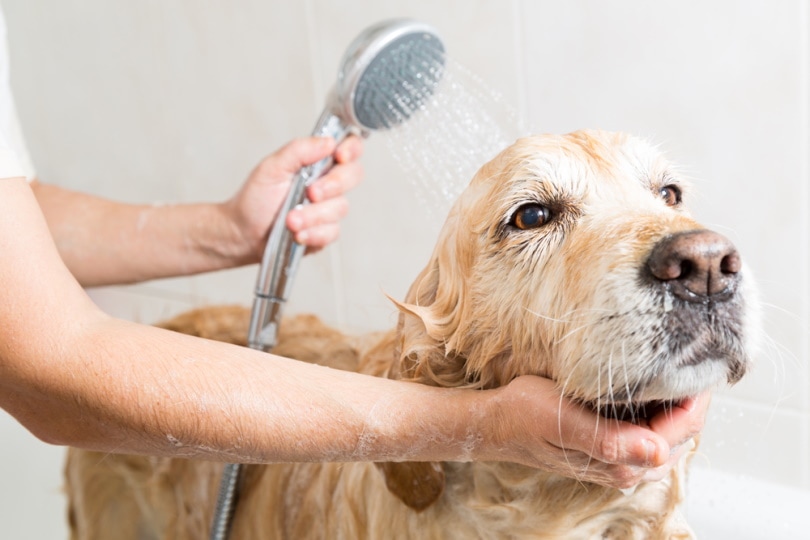
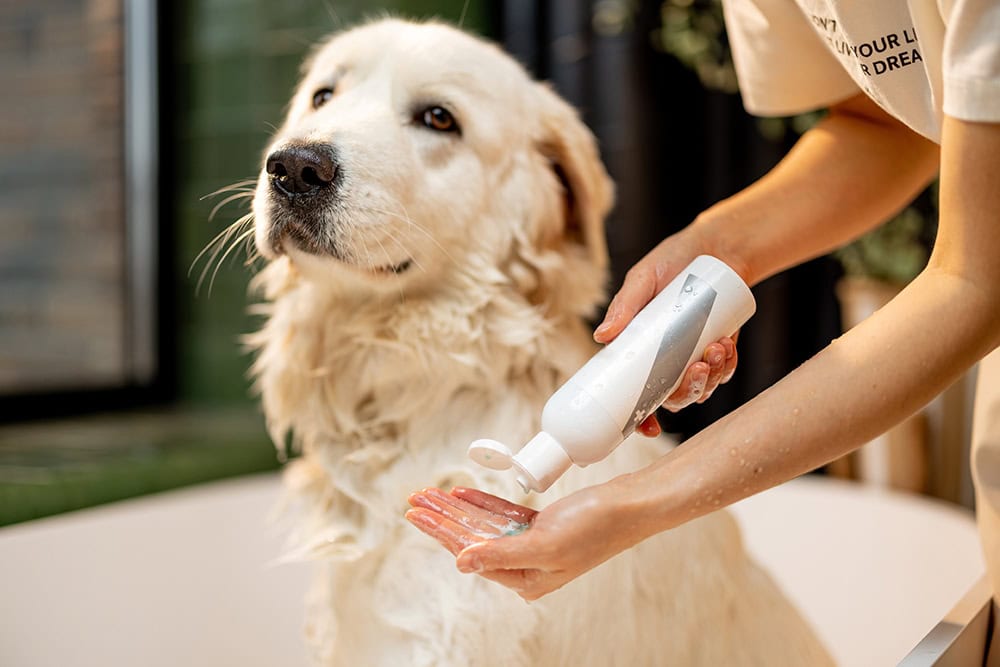
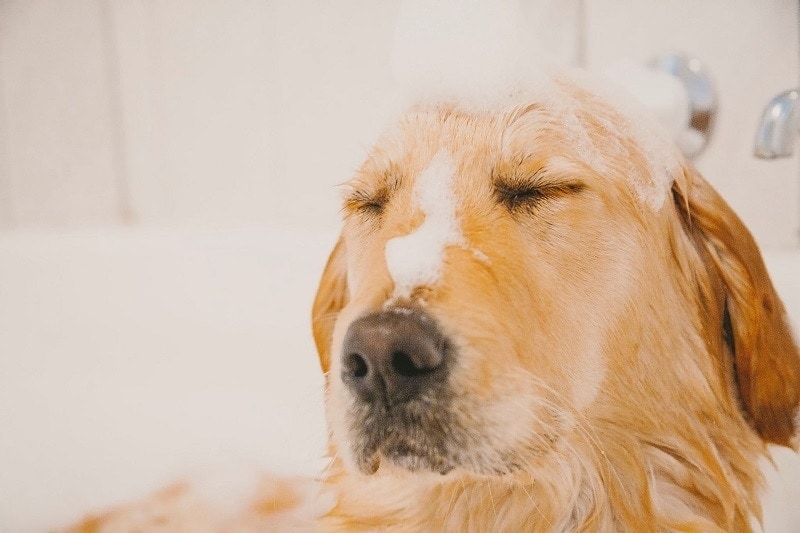
golden retriever dog having a bath
Image By: 135pixels, Shutterstock
hepper-dog-paw-divider 5

Why Can’t You Use Human Shampoos on Your Dog?

There are a few reasons that human shampoo is not recommended for use on canines.


1.Human Shampoos Disrupt the pH Balance of the Dog’s Skin

Both dog and human skin have a protective layer of cells called the acid mantle, which serves two main roles: to protect the skin against viruses and bacteria and to keep the body hydrated.

When we bathe, the acidic coat is washed away. This is why most soaps and shampoos contain specific ingredients to protect and moisturize the skin until the acid mantle renews itself naturally.

But to renew itself, the acid mantle needs a good balance between acidity and alkalinity: this is called pH balance. The normal pH balance for dogs is between 6.4 and 9.1, which is fairly neutral to basic. As for humans, the normal pH balance is between 5.5 and 7.2, which is more acidic to neutral.

So, what happens when you use your shampoo on your pup? A pH that’s too acidic can disrupt your dog's acid mantle, making their skin more vulnerable to germs, bacteria, and viruses. It can also make their skin dry and flaky, which can cause your dog to experience itching, intense scratching, pain, and rashes. The skin abrasions then open the way for even more bacteria to enter the skin through these wounds, leading to possible infections.


2. Human Shampoos Contain Chemicals That Are Too Harsh for Dogs’ Sensitive Skin

Dog skin is much more sensitive than ours. It only has about three to five layers of skin cells, while human skin has 10 to 15 levels! As a result, harsh chemicals found in human shampoos are more likely to irritate dogs' skin while stripping away their protective oils.


3. Human Shampoos Are Hard to Rinse Out Completely Due to Certain Ingredients

Human shampoos can be difficult to completely rinse out of your dog's coat due to certain ingredients. This can further irritate your dog's skin while leaving a sticky film on their coat.

Divider-Dog- New

What to Do When You Run Out of Dog Shampoo

If you find yourself in an emergency bathing situation and you're out of dog shampoo, washing your dog with a human substitute is possible. Good alternatives to dog shampoos are baby shampoo or in an emergency original Dawn dish soap. In any case, be careful not to splash your dog's eyes with these products, even though they are generally gentler than most other options on the market.

It’s worth noting that pH balance can vary based on breed, sex, color, time of year, and desexing status. meaning your pup may have more acidic skin than other dogs. That said, you can't be certain until they develop skin problems from using human shampoos, so it's best not to rely on this fact. Still, if this is a rare occurrence, your dog will likely be perfectly fine.
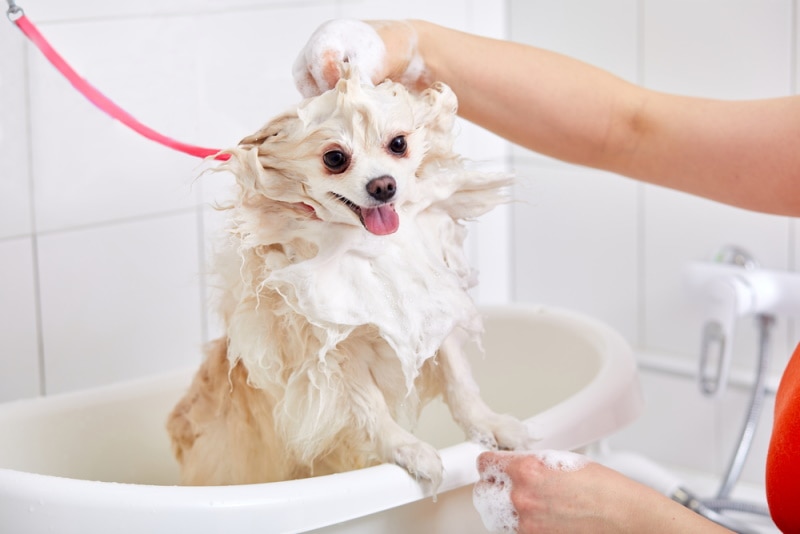
pomeranian dog taking a bath
Image Credit: Roman Chazov, Shutterstock

Tips for Keeping Your Dog’s Coat Healthy

If you don’t want to end up in a situation where you have to rely on human shampoo to bathe your dog, make sure to stock up on proper dog shampoos.

Here are other things that you can do to keep their coat and skin healthy:

  • Keep up with brushing sessions. These are necessary for removing all the dead hair, debris, dandruff, and other dirt from their coat and skin. These grooming sessions will also help you keep an eye on the appearance of their skin. This way, you will be able to quickly spot areas of flaky, dry skin or other possible skin problems.
  • Use flea prevention. All too often our dog’s coat becomes a breeding ground for these parasites which leads to rashes and itchy skin, along with hair loss and scabs because your pet is itching so frantically. Keeping your dog on a flea prevention will kill fleas before they have a chance to establish themselves on your dog and in your home.
  • Don’t bathe your dog too often. In general, it’s recommended to bathe dogs no more than once a week. This frequency may depend on your dog’s coat and lifestyle. For example, if they love to spend their time playing in the mud or going for long jogging sessions with you, they may need more weekly baths than other dogs. However, try to limit baths to a maximum of once a week, and use a conditioner after shampooing,  to prevent excessive skin drying and potential skin issues.
  • Ask your vet about using supplements for your dog’s skin and coat. Fatty acids like omega-3 and fish oil supplements can help maintain the suppleness and health of the skin and hair. However, it’s best to consult your vet for product recommendations before rushing to your local pet store and stocking up on just any product on sale. Premium diets often contain supplements for coat quality.
  • Keep your dog healthy. Your dog’s skin and hair coat can be a reflection of their general health. A dull coat could be caused by a poor diet or diseases. Some hormonal diseases like Cushing’s disease and an under-active thyroid gland have a direct effect on your dog’s coat, causing hair loss. Allergies are also a common cause of skin problems which can lead to skin infections and hair loss over time. Speak to your veterinarian if you have concerns about your dog’s skin and coat.

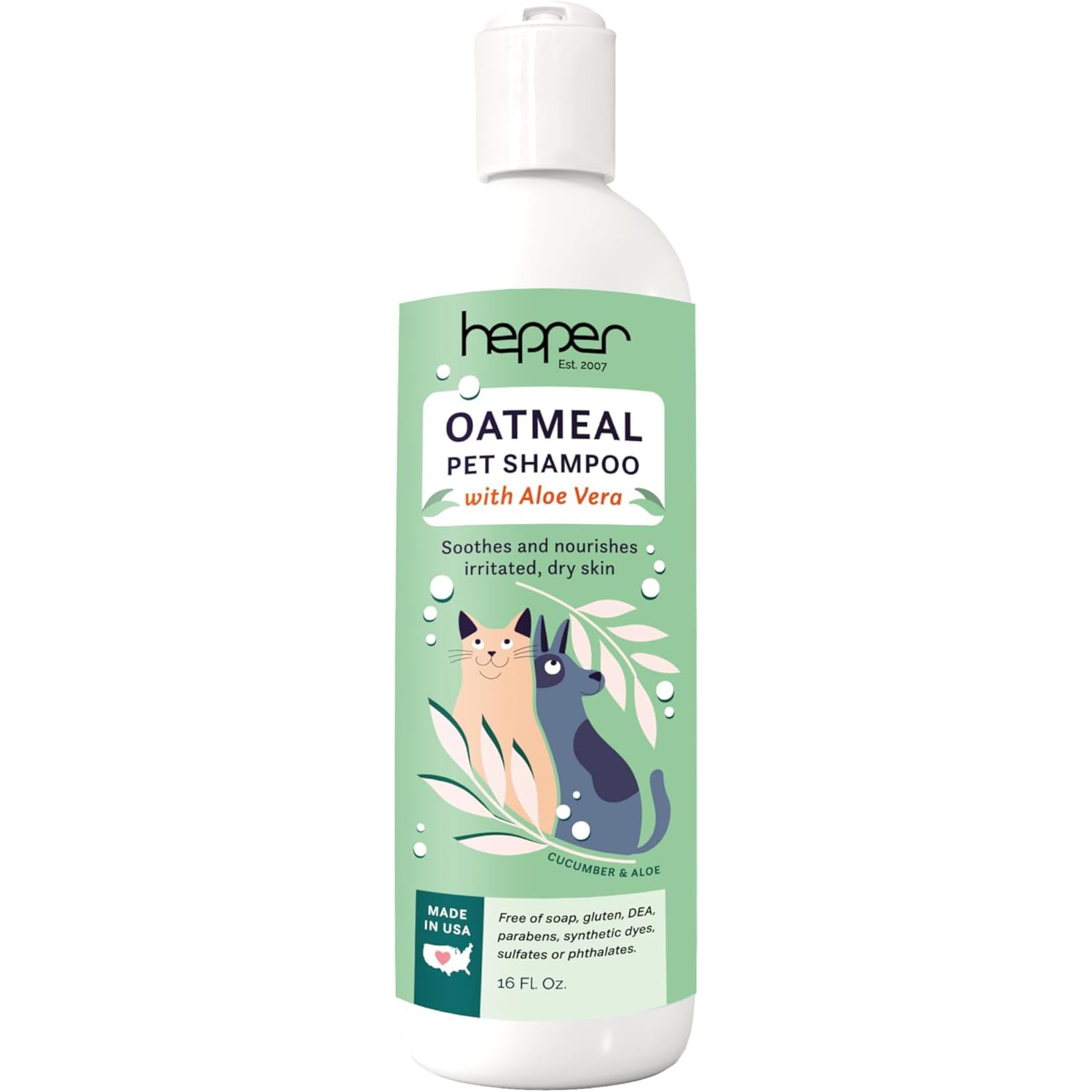
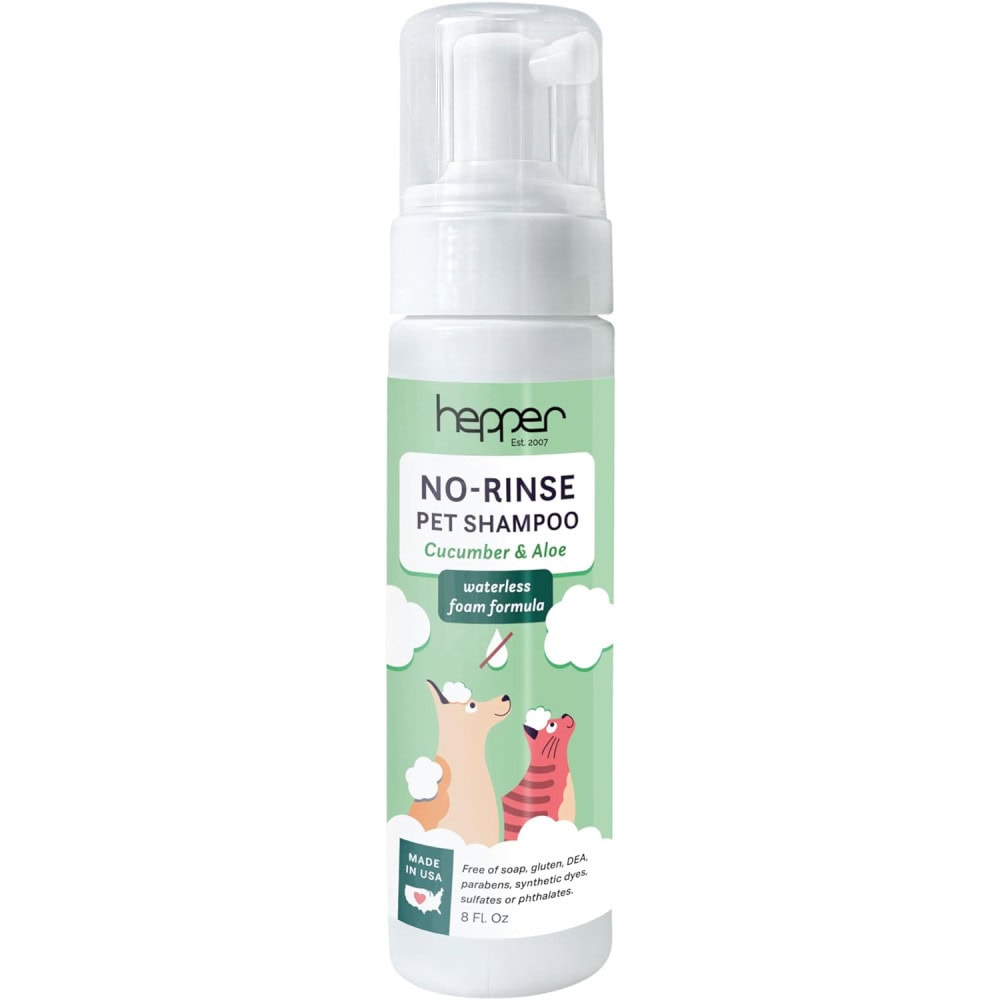
There are a lot of pet shampoos on the market, but not all of them will keep your pet's skin and coat happy and healthy. The Hepper Pet Shampoo products are pH balanced and made with natural, safe ingredients like soothing oatmeal and aloe vera. Our shampoos will keep your pet clean, smelling fresh, and fully moisturized! The hardest part is deciding whether to get to traditional shampoo or the rinse-free version! Here’s a quick guide to help you choose the right option for your pet’s next bath!

Image Product Details
Hepper Colloidal Oatmeal Pet Shampoo Hepper Colloidal Oatmeal Pet Shampoo
  • Safe for Dogs & Cats
  • Soothing Oatmeal
  • Lightly Scented
  • Hepper Waterless No Rinse Pet Shampoo Hepper Waterless No Rinse Pet Shampoo
  • Waterless cleaning
  • Natural ingredients & pH balanced
  • Fresh scent
  • hepper-dog-paw-divider2

    Bottom Line

    There are better products than Head & Shoulders for cleaning your dog. All shampoos designed for humans can disrupt the acid-base balance of your dog's skin and irritate their sensitive skin. If your dog has serious dandruff problems, it's better to call your veterinarian than to buy a shampoo designed to treat human scalps.

    That said, if you are in an emergency situation and are out of dog-friendly products, using a bit of baby shampoo on your pup won't hurt them—as long as it remains an occasional thing.

    Sources

    Featured Image Credit: Iriska16, Shutterstock

    Get Hepper In Your Inbox

    Pet care tips from our vets and experts, straight to your inbox.

    List

    Select all that apply.

    You may opt-out at any time. View our Privacy Policy for more information.

    Genevieve Dugal
    Authored by

    Genevieve Dugal

    Join the conversation

    Ask a question, share your story, or send private feedback.

    Rate this post
    Required to post. Only our editors see your rating.
    Who should see this?

    A human reviews every comment before it appears. Your email is never published.

    Picked to go with this article

    Can You Use Human Shampoo on Dogs? Vet-Approved Facts & Safety Guide

    Can You Use Human Shampoo on Dogs? Vet-Approved Facts & Safety Guide

    A quick trip down the aisle at the grocery store reveals that there is a bounty of shampoo options for all ages, genders, hair types, and personal preferences.…

    Brooke Bundy
    By Brooke Bundy ·
    5 Dog Shampoo Alternatives (Vet-Approved Options)

    5 Dog Shampoo Alternatives (Vet-Approved Options)

    No one likes a smelly dog. So, what do you do when you find yourself with a filthy, stinky dog and no pet shampoo on hand? Dog shampoo is specifically formulat…

    Nicole Cosgrove
    By Nicole Cosgrove ·
    How to Make DIY Dog Shampoo (3 Vet-Approved Recipes)

    How to Make DIY Dog Shampoo (3 Vet-Approved Recipes)

    Have you ever looked at the ingredients in dog shampoo? You aren’t the only one struggling to make sense of why so many things are needed just to get an effect…

    Nicole Cosgrove
    By Nicole Cosgrove ·
    Seborrhea in Dogs: Causes, Signs & Treatment (Vet Answer)

    Seborrhea in Dogs: Causes, Signs & Treatment (Vet Answer)

    Your dog has itchy, flaky skin and smells so bad you have to wash their blankets daily. At your vet appointment to get a handle on this scaly skin condition, y…

    Dr. Samantha Devine
    By Dr. Samantha Devine ·

    Keep reading

    More stories you might like

    Can Dogs Get Lice From Humans? 9 Vet-Reviewed Signs of Infection in a Dog

    Getting lice is one of those things that periodically happens to people. Lice are annoying and embarrassing while also being gross and itchy. One question that…

    Grant Piper
    By Grant Piper ·
    Can Dogs Get Lice From Humans? 9 Vet-Reviewed Signs of Infection in a Dog

    Does Palmolive Kill Fleas? Vet Reviewed Safety & Effectiveness

    Nobody likes it when fleas invade—not you or your pets. Not only do fleas cause lots of itchiness and annoyance, but they can also be deadly for some animals a…

    Misty Layne
    By Misty Layne ·
    Does Palmolive Kill Fleas? Vet Reviewed Safety & Effectiveness

    How to Treat Pit Bull Skin Problems: 7 Vet-Approved Ways

    American Pit Bulls, which include breeds like Staffordshire Terriers and American Bulldogs, can suffer from various skin problems. These can be caused by skin…

    Dr. Iulia Mihai
    By Dr. Iulia Mihai ·
    How to Treat Pit Bull Skin Problems: 7 Vet-Approved Ways

    Why Do Dogs Hate Baths? 5 Possible Reasons & Helpful Tips

    Every dog owner knows that bath time is not a favorite among all canines, but sometimes giving them one is necessary. From running and hiding to whining and sh…

    Rachel Giordano
    By Rachel Giordano ·
    Why Do Dogs Hate Baths? 5 Possible Reasons & Helpful Tips

    Benefits of Coconut Oil for Dogs: Vet Explains the Uses, Risks, & FAQ

    With millions of products, opinions, choices, and misinformation out there, it has become increasingly difficult to decide what is right for you and your dog.…

    Dr. Karyn Kanowski
    By Dr. Karyn Kanowski ·
    Benefits of Coconut Oil for Dogs: Vet Explains the Uses, Risks, & FAQ

    Dog Sprayed by a Skunk? Our Vet Explains What to Do

    Skunks are known for their majestic monochrome stripes, and also their foul stench! Skunks are feared the world over due to their accurate aim with their scent…

    Dr. Emma Chandley
    By Dr. Emma Chandley ·
    Dog Sprayed by a Skunk? Our Vet Explains What to Do

    How to Get Rid of Dog Smell Without a Bath - 7 Expert Tips

    If there's one element that can challenge an owner's love for their dog, it's the dog smell. Some dogs hate to bathe, and it can be a nightmare for a dog owner…

    Nicole Cosgrove
    By Nicole Cosgrove ·
    How to Get Rid of Dog Smell Without a Bath - 7 Expert Tips

    What to Feed a Dog With a Yeast Infection: Vet-Reviewed Guide

    If you have recently discovered that your dog has a yeast infection on their skin, between their toes, in their ears, or all over, you want to work diligently…

    Ashley Bates
    By Ashley Bates ·
    What to Feed a Dog With a Yeast Infection: Vet-Reviewed Guide