Hepper is reader-supported. When you buy via links on our site, we may earn an affiliate commission at no cost to you. Learn more.
Can Kittens Drink Dog Milk? Vet Approved Nutrition Facts & Advice


In this article
If you've just come across an abandoned kitten and you have a nursing dog at home, you may be wondering if kittens can consume dog milk. While a small amount of dog milk won’t hurt them, kittens should stick with milk from a lactating cat or formula specifically made for them.
Since dogs are omnivores and cats are obligate carnivores, the food eaten by nursing mothers from each species differs and determines the nutrients that make it into their breast milk. Kittens that rely only on dog milk won't receive the nutrients they require as tiny obligate carnivores.
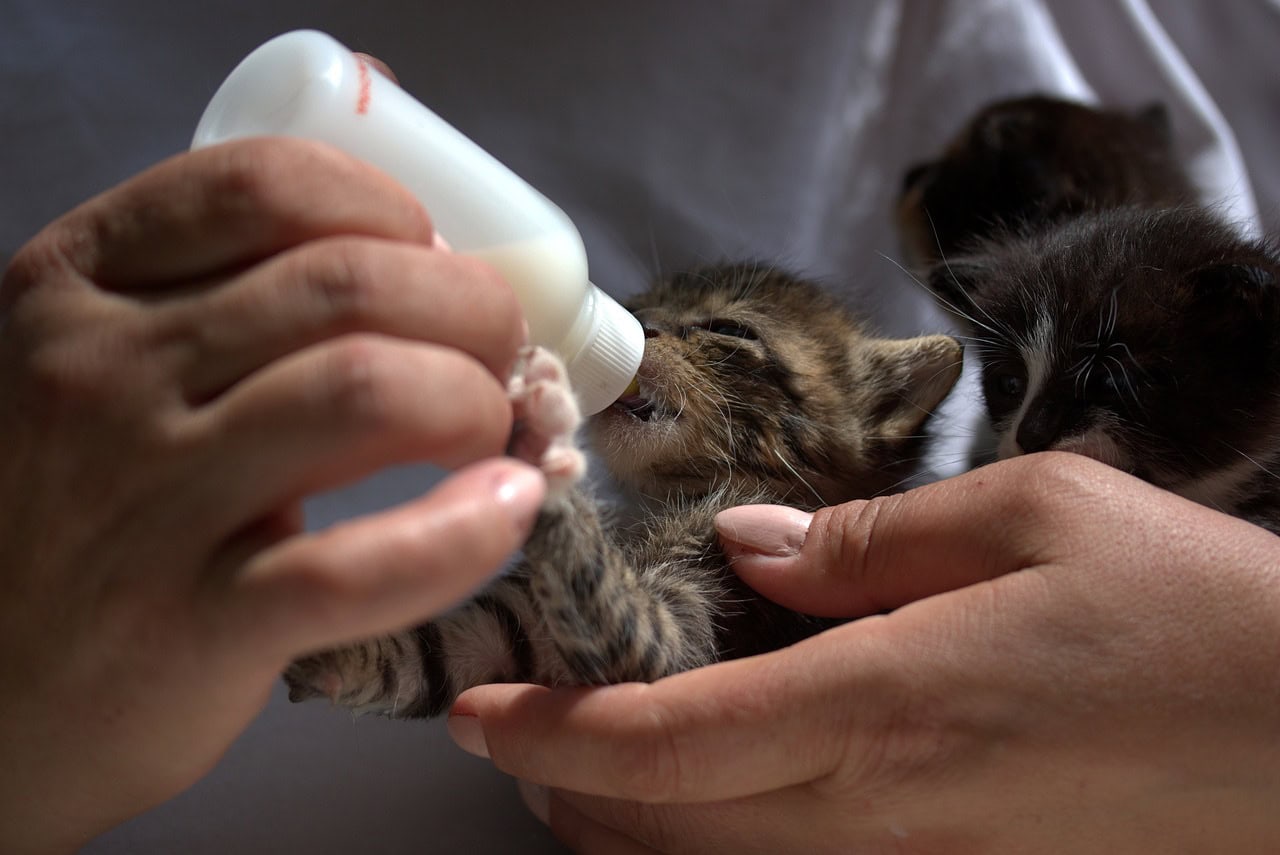
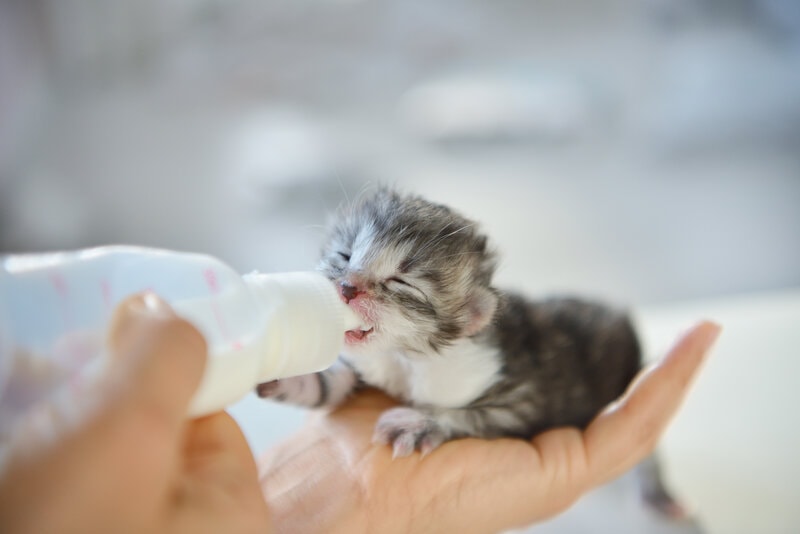
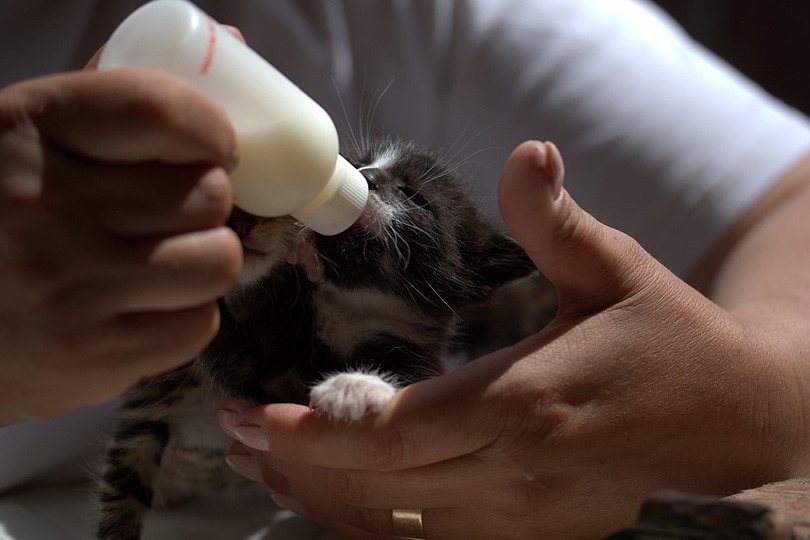
Kitten milk replacement products provide everything little cats need to grow into healthy adults if fresh cat milk isn't an option. Your veterinarian can provide guidance if you're having trouble selecting a product.

What Do Kittens Normally Eat and Drink?
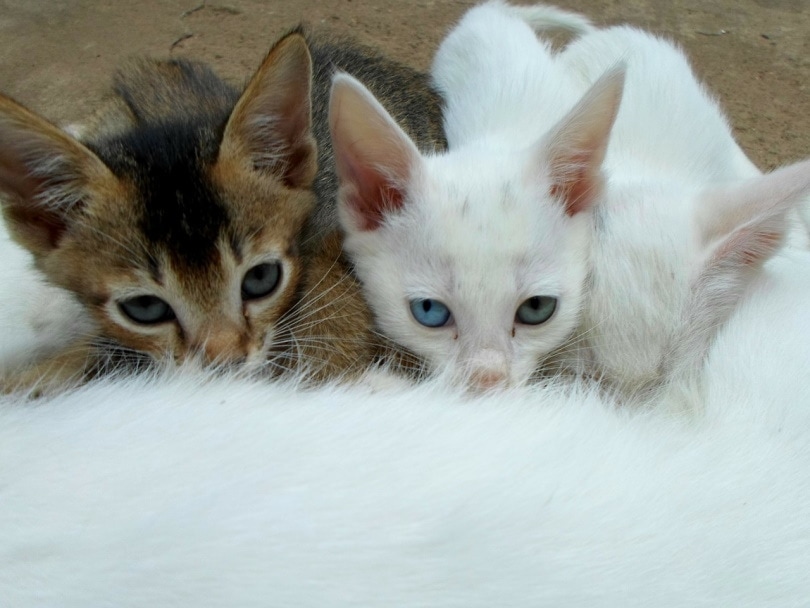
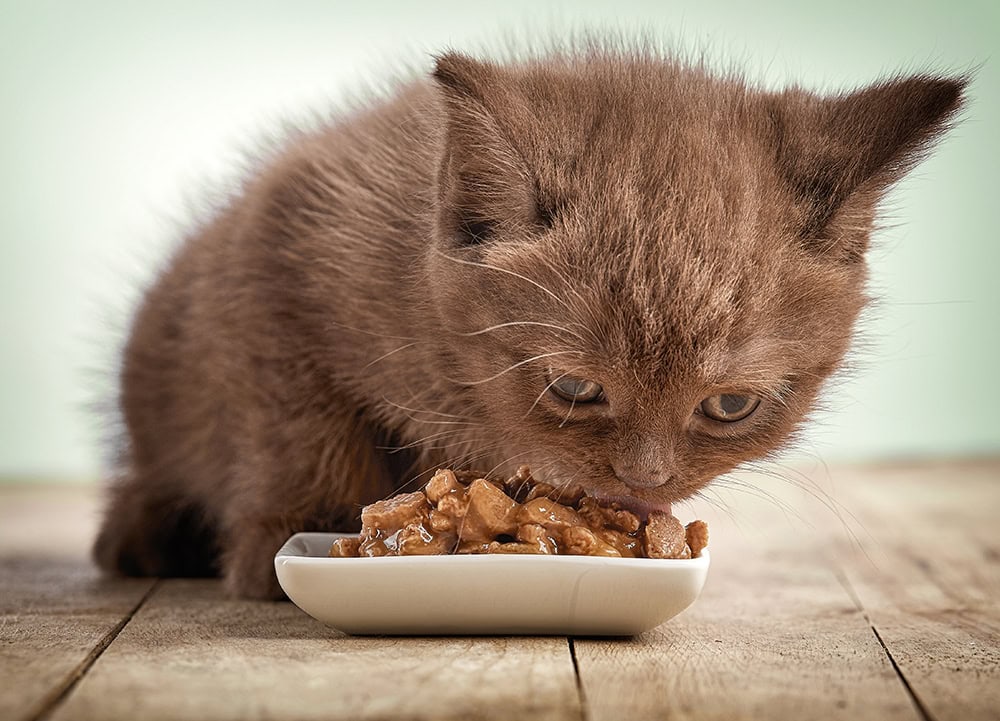
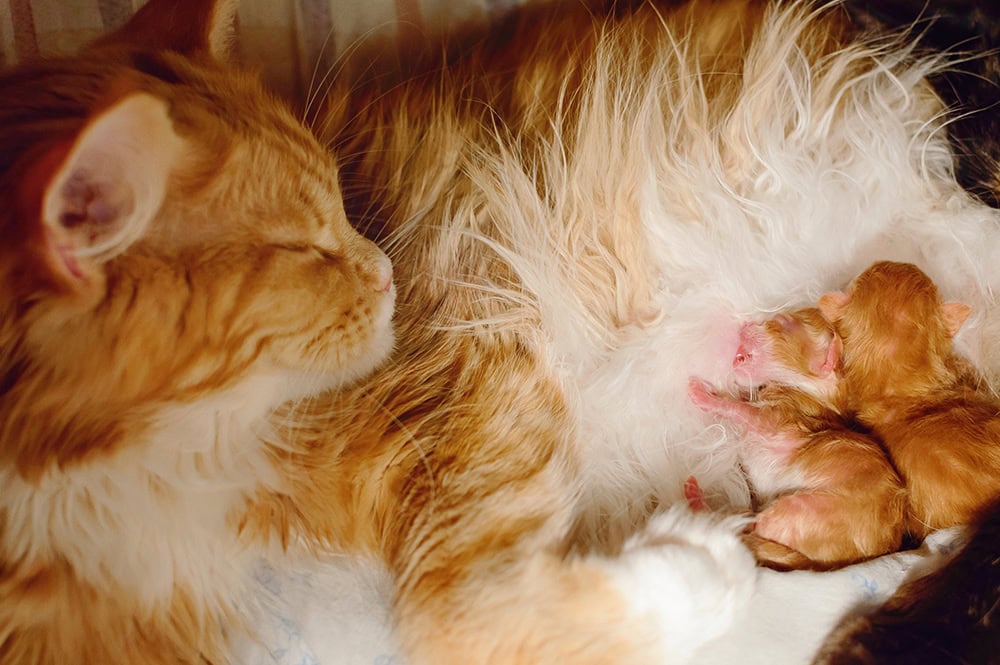
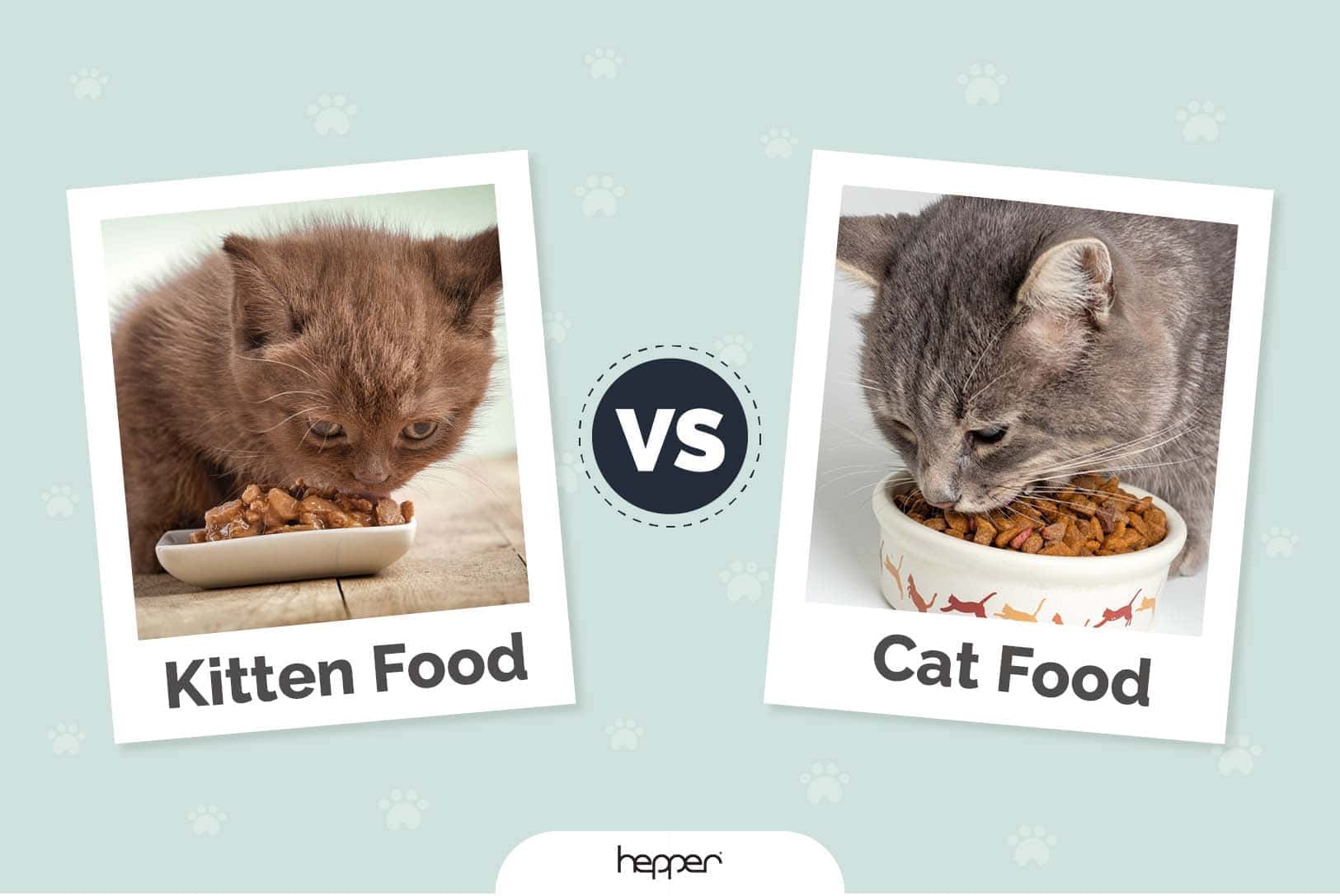
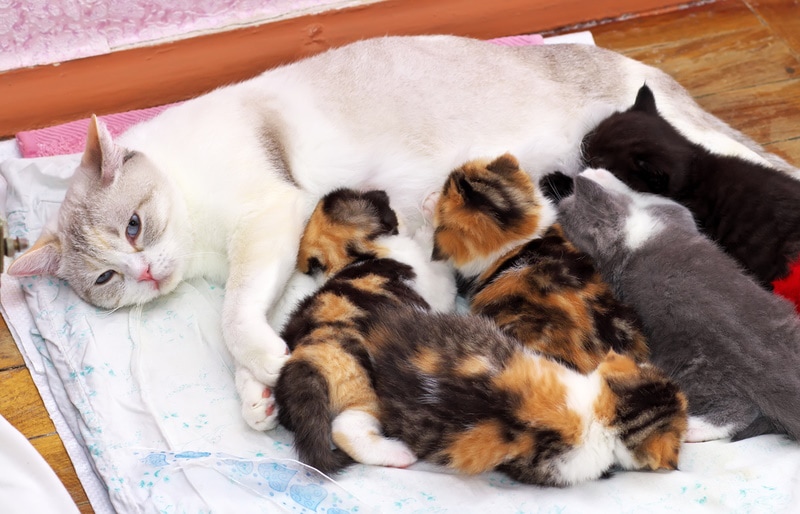
Under normal circumstances, kittens get everything they need from their mother's milk. They rely entirely on mom for food and hydration until they're around 4 or 5 weeks old and start trying out other food. Kittens need to be fed food made for baby cats when they first begin enjoying solid meals, as regular cat food doesn't have the right balance or amounts of nutrients.
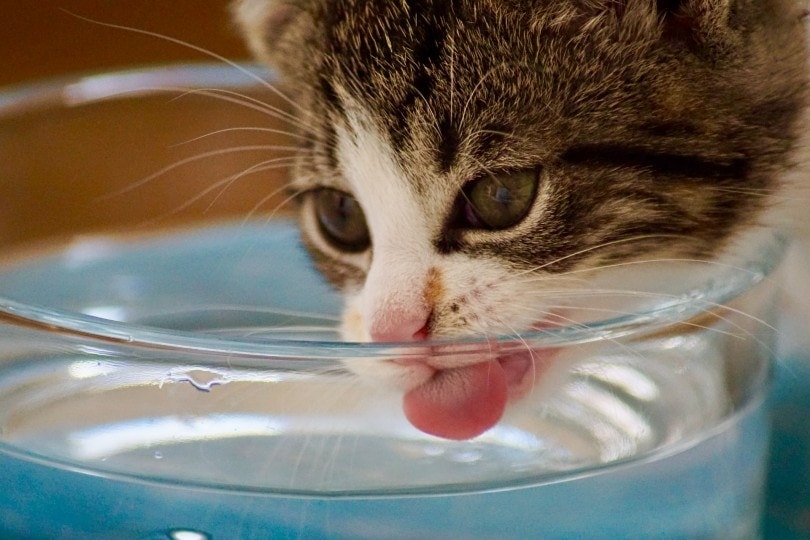
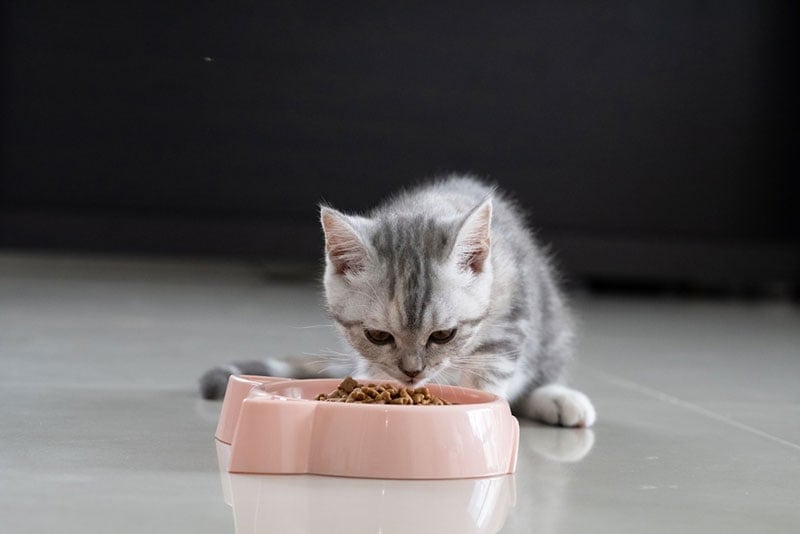
During the 5th and 6th weeks of the process, kittens can usually eat kibble that's been softened with either water or kitten formula. They can transition to solid food when they're about 7 or 8 weeks old. Kittens should always have access to fresh water once the weaning process begins.
Can Kittens Drink Human Milk?
No. Kittens really shouldn't drink human milk; it's higher in lactose than cat milk, which can lead to stomach problems, including diarrhea. Alternatives such as almond and soy milk cannot provide the right nutrients for optimal kitten growth and may contain additives and sweeteners that aren't great for growing cats.
Are Adult Cats Lactose Intolerant?
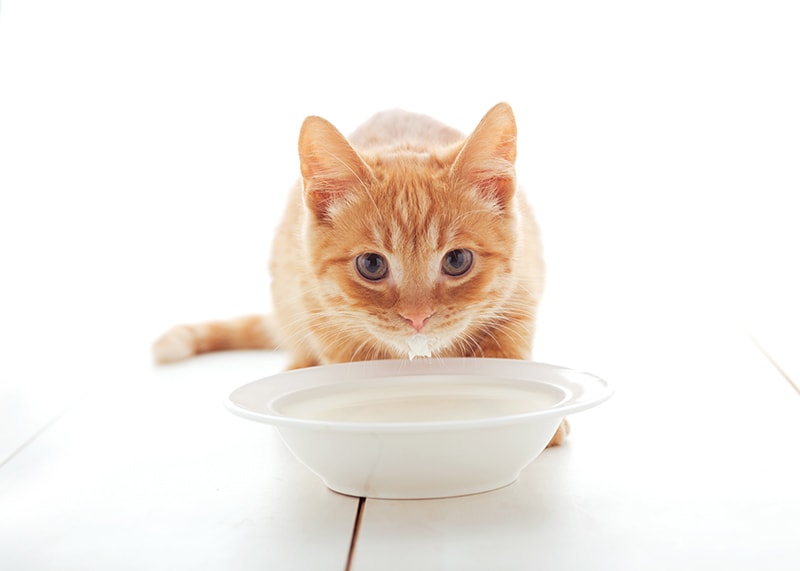
Some, but not all, cats are lactose intolerant, and those that are generally have difficulty digesting milk after reaching adulthood. They may throw up or have runny bowels after drinking milk. Because milk is so high in fat and calories, it's generally not a great idea to let even those cats that can handle it have too much of it.
Most healthy adult cats can safely enjoy treats, including a bit of milk, if it doesn’t make them sick. Some cats can eat small bits of hard cheese since it contains less lactose than regular milk. There are also special cat milks available designed to be easy on feline tummies.
FAQ
How Fast Do Kittens Usually Grow?
Kittens usually weigh about 3 or 4 ounces when they're first born. A weight gain of about 4 ounces a week is average. Kittens generally gain about 1 pound per month for their first half-year of life. Keeping track of kittens' weight as they age can provide critical information about their development.
Healthy newborn kittens are typically content, interested in nursing, and put on weight regularly. Most spend the first few weeks of life sleeping for long periods, and they generally start to become more active when they're around 4 weeks old.
How Often Do Newborn Kittens Need to Eat?
Kittens need to eat about every 1 or 2 hours to get the energy they need to grow. Most can go 2-3 hours between meals when they're about 3 weeks old. Remember that these are just general guidelines; some kittens having trouble gaining weight may benefit from more frequent feedings to help them put on a few ounces.
What About Keeping Kittens Warm and Helping Them Go to the Bathroom?
Keeping kittens warm is incredibly important. They're unable to regulate their temperatures until they're about 2 to 4 weeks old, so they need heat sources to keep them nice and warm until then. Soft, warm nests featuring blankets and other easy-to-launder bedding provide them with safe, comfortable places to spend their first few days and weeks of life.
Kittens cannot go to the bathroom on their own when they first arrive in the world. Their mothers lick their kittens clean after meals which also stimulates them to pee and poop. Gently rubbing your kitten's tummy and bottom with a wet, soft towel generally does the trick, but the mother should be able to handle the task if she’s healthy. Kittens are ready to use the litter box when they're around 3 or 4 weeks old.
Summary
Kittens do best when getting all their nutrients from their mothers' milk, but milk from a surrogate cat is a perfectly good alternative. Kittens should stick with either cat milk or high-quality replacement formulas since they have the nutrients they need to grow into healthy adult cats.
Cats and dogs have different nutritional needs. The milk female dogs produce is optimized for puppies, not for healthy kittens. Kittens generally need to be fed every few hours at first, and most are fully weaned by the time they're 8 weeks old.
Sources
Featured Image Credit:
Get Hepper In Your Inbox


Pet care tips from our vets and experts, straight to your inbox.
You may opt-out at any time. View our Privacy Policy for more information.
Lorre Luther a reformed lawyer from the United States, she moved to the Netherlands to follow her dream and become a writer. Currently living in Rotterdam, Lorre enjoys traveling and reveling in the astonishing beauty of our planet. As an animal lover, Lorre is convinced that cats are smarter than humans.
Join the conversation
Ask a question, share your story, or send private feedback.