Hepper is reader-supported. When you buy via links on our site, we may earn an affiliate commission at no cost to you. Learn more.
Can Kittens Drink Milk? Vet-Approved Facts & FAQ
In this article
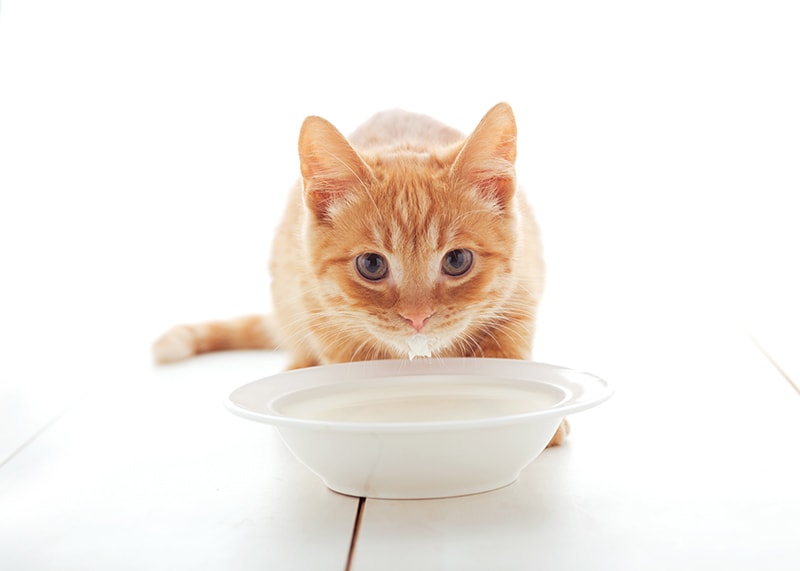
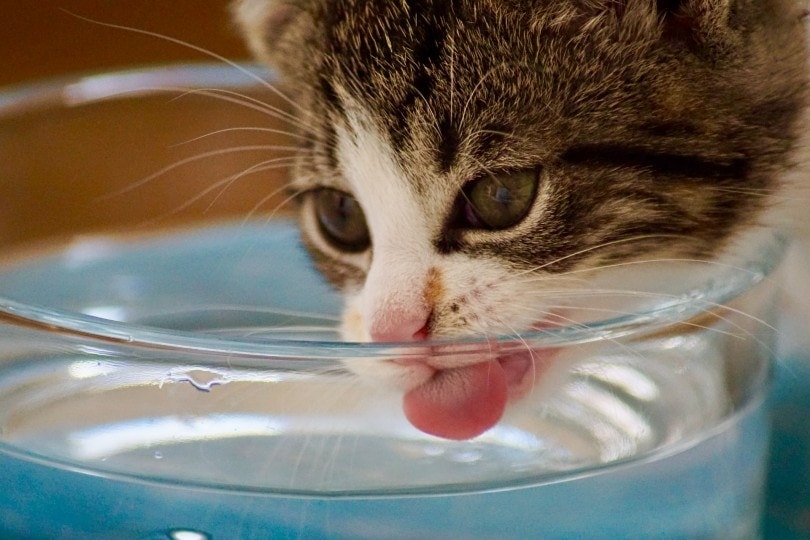
It’s understandable that many people think that giving milk to a kitten is okay. We have seen kittens drinking from a saucer of milk in many cartoons and movies. But how accurate is that?
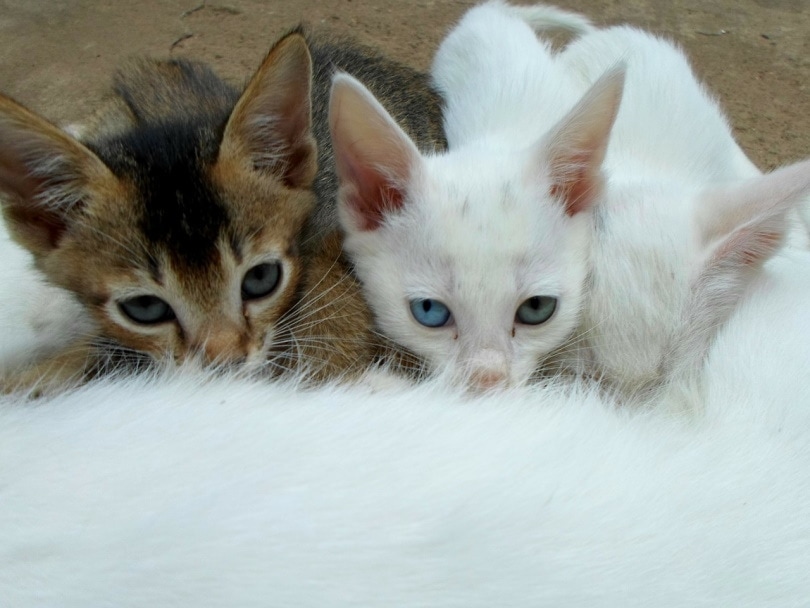
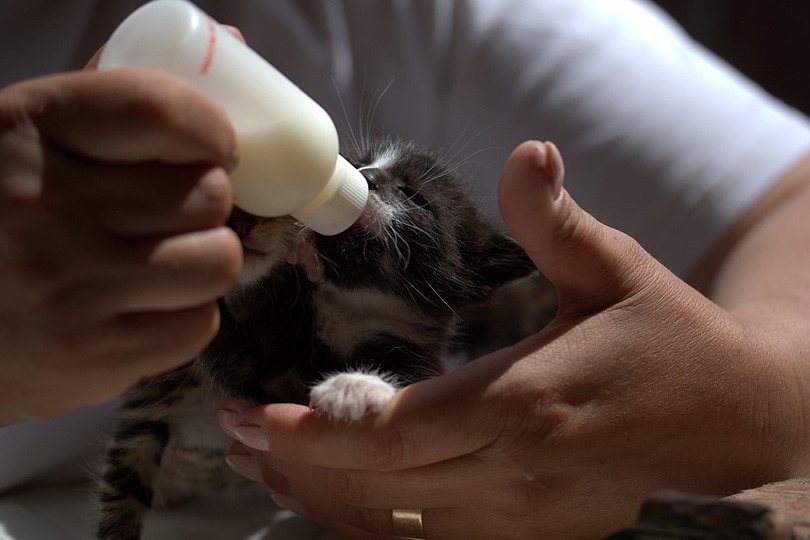
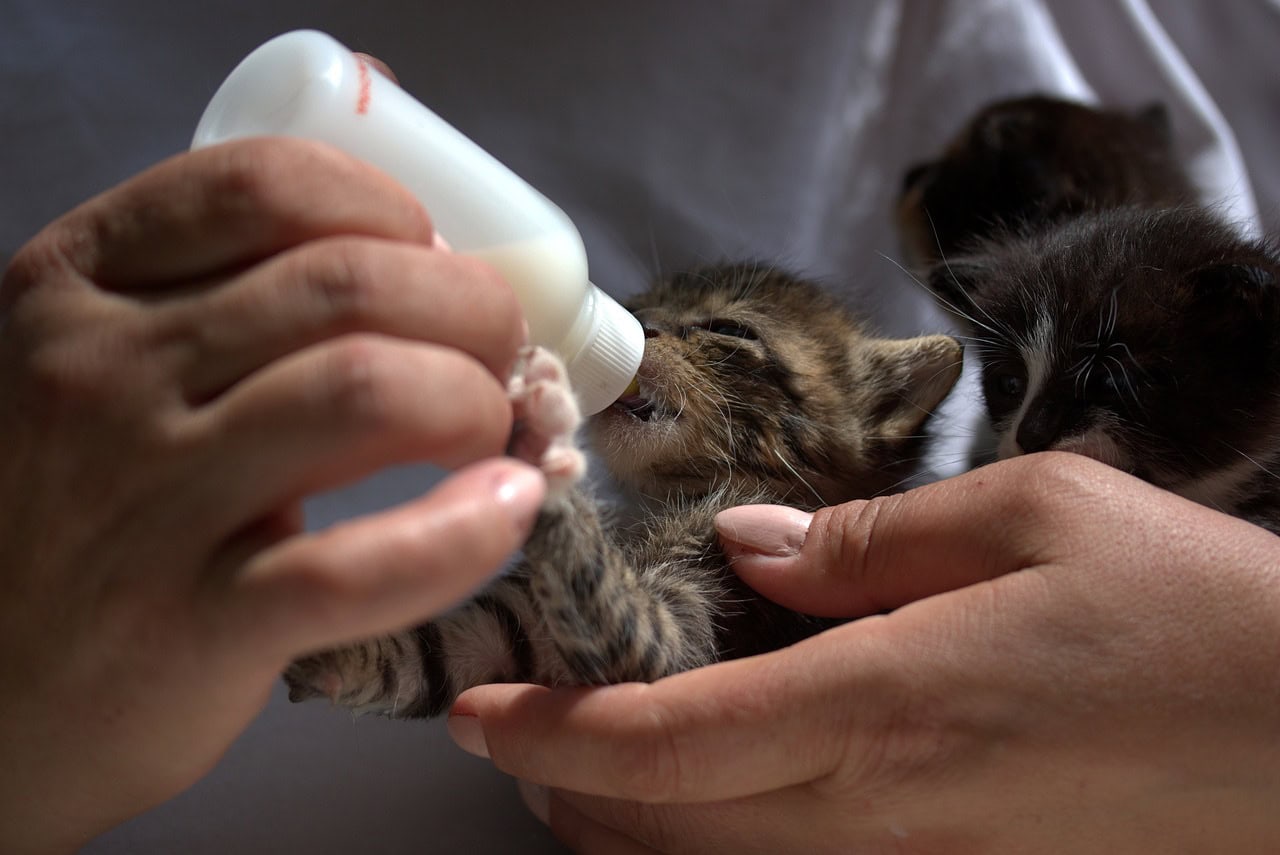
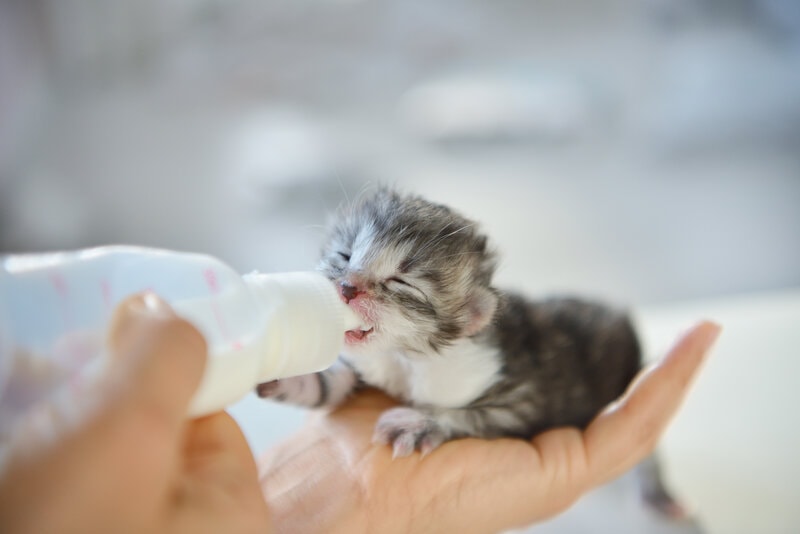
The only milk that kittens should drink is their mother’s milk or a kitten milk replacer. Anything else will make them sick.
In this article, we look at why you shouldn’t give milk to kittens or any adult cats, for that matter.

Why You Shouldn’t Give Kittens Milk
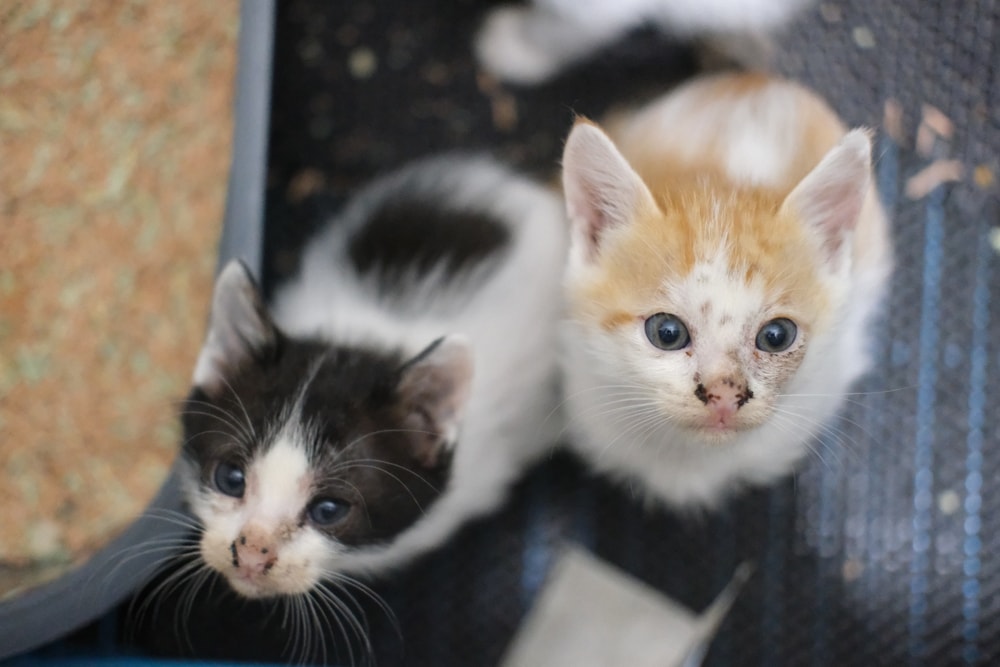
Giving a kitten any milk other than kitten milk replacer (KMR) or a mother cat's milk can quickly result in diarrhea and dehydration as they are not used to the components. In addition, the kitten may become malnourished due to lack of necessary nutrients in the cow’s milk.
Can Adult Cats Drink Milk?
As cats mature, they produce lactase minimally or don’t produce it at all once they start eating solid food. Cats are obligate carnivores, which means they depend on meat for survival. Their diet should be made up of at least 70% meat.
Once they are weaned from their mother’s milk, they no longer require the lactase enzyme because their bodies are geared for eating meat. Without that enzyme, cats become lactose intolerant.
When they eat or drink dairy products, the lactose doesn’t get broken down and enters the intestines unchanged which leads to:
Some cats can ingest a small amount of dairy, but it’s not worth the risk. Milk doesn’t have the proper nutritional benefits for cats, anyway.
When Do Kittens Wean From Their Mothers?
If the mother is in the picture, the weaning process happens quite naturally. But if the kittens are orphaned and need to be fostered, people must step in to ensure that the kittens are fed.
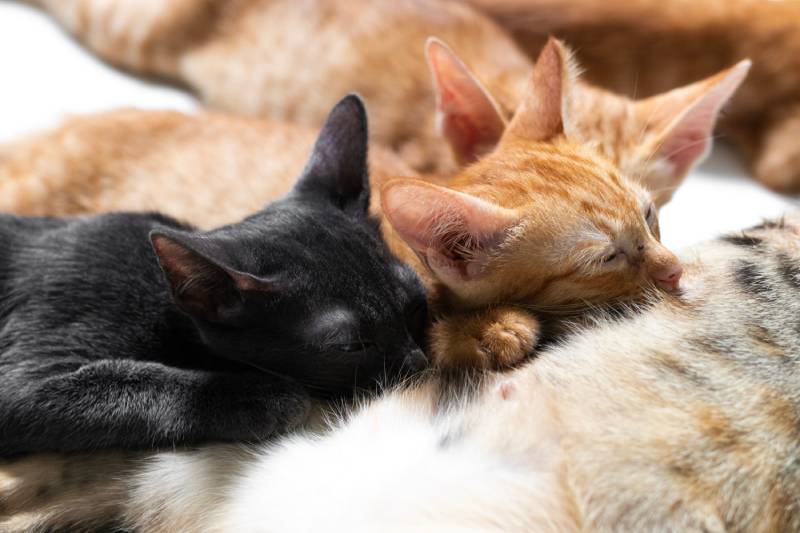
Kittens are weaned around 3-4 weeks old, and up to that point, they only nurse from their mother or are given KMR. They are generally ready to wean when they become more mobile and can stand and hold their tails up at the same time. They should also have their incisors and canines and be playing and exploring their environment.
The average kitten tends to be fully weaned between 6 and 8 weeks of age.
What Kind of Food Do Kittens Eat When They Are Weaning?
It can take several weeks for kittens to slowly wean from their mother or formula onto solid food.
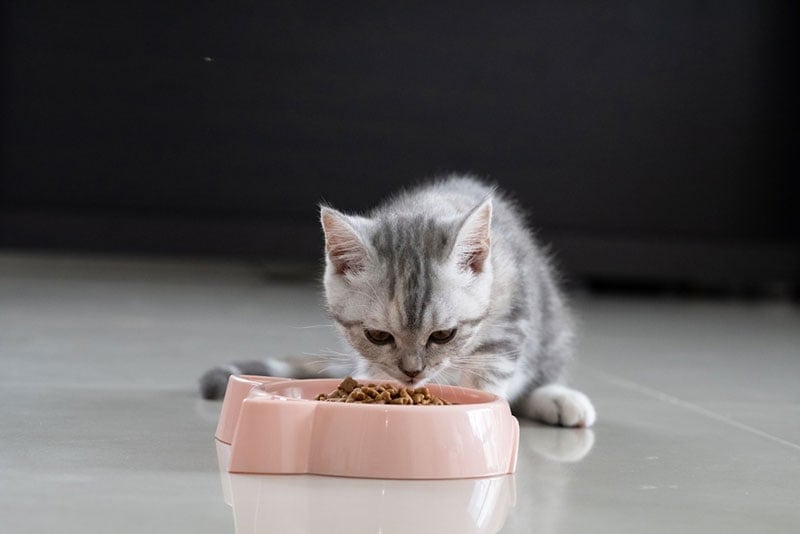
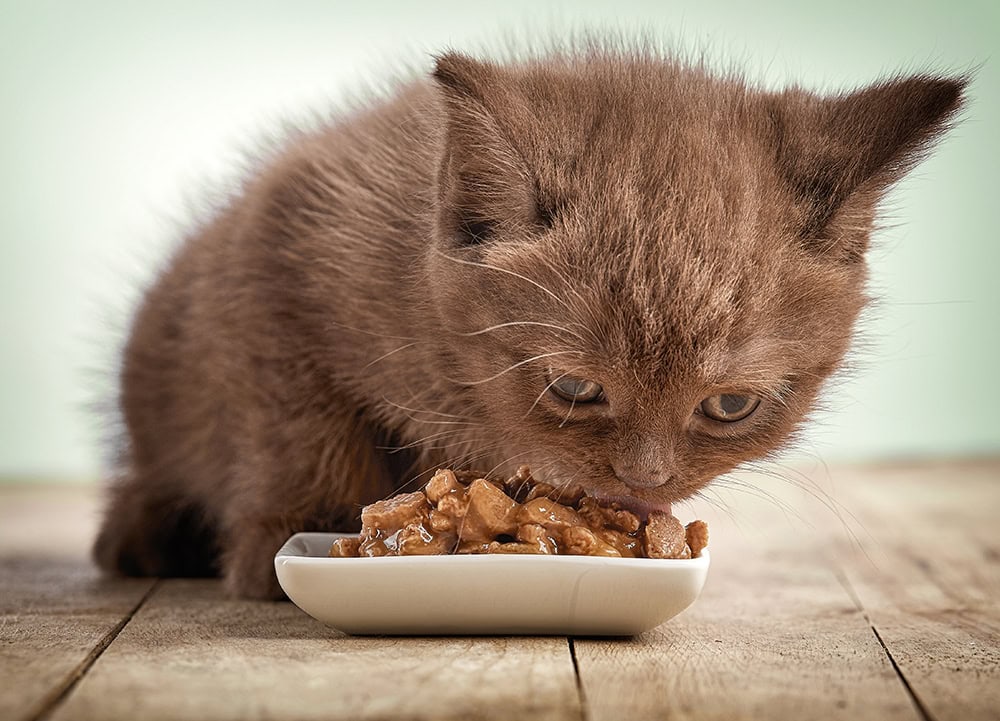
Kittens are given a blended liquid made from wet kitten food and water or milk replacer. This can be placed in a low and wide bowl, which can lead to a mess and kittens covered in food, but this way, they can explore the food and try it at their own pace. They start by licking the food off them and then eventually eating from the bowl. However, keep the process hygienic and ensure they eat in a clean area away from any urine or feces.
Gradually, the amount of wet food is increased, and the water and KMR are reduced until the kitten is eating solid kitten food. Then, watered-down dry food and eventually dry kibble can be added. Keep in mind that sudden dietary changes will cause diarrhea so always change the food gradually when introducing new types, brands, or flavors of food.

FAQ
Can Kittens Drink Other Milk Like Soy or Almond Milk?
Kittens have delicate digestive systems, so any milk like almond or soy milk will only create digestive upset. Additionally, soy and nut milk do not give kittens the appropriate nutritional balance and can lead to malnourishment.
Can Kittens Drink Goat’s Milk?
This is a commonly held belief primarily because goat’s milk is lower in lactose, so it’s thought that kittens and cats can more easily drink it. However, goat’s milk still isn’t formulated to support a growing kitten.
Why Do Cats Love Dairy?
It’s thought that milk might be associated with positive memories, like nursing from their mothers. This can make milk and other dairy products a comfort food for cats. But cats can’t taste sweet things, so even if they seemed to like a food like ice cream (which you should give them, anyway) wouldn’t necessarily be for the flavor, but rather the creaminess.
Is It Ever Okay to Give Milk to Your Cats?
It’s best to stick to water. Water is all that a cat needs for hydration, and most cats tend to be not the best water drinkers as it is.
Giving your cat milk might make them more inclined to forgo their water. A water fountain is a great way to encourage your cat to drink more.
If you really want to give your cat a milky treat, you can purchase lactose-free cat milk from the pet store. However, it is important to offer this only in moderation.
Now that you know what you can safely feed your cat, it’s just as important to find a bowl that supports their health and well-being. With whisker-friendly bowls and a wide tray to catch any spills, our Hepper NomNom Cat Bowl is our favorite option.

- NO MESS - The 360° tray on this cat food and water bowl set has a raised design to catch and contain stray crumbs and drips. Protect your indoors and floors from wet and messy meals!
- WHISKER FRIENDLY - Shallow and wide metal containers with flat bottoms ensure your kitty can enjoy mealtime free from whisker fatigue!
- CHEW-SAFE MATERIALS - Kittens and cats love chewing on silicone and soft rubber - but it's a choking hazard. Our cat feeding station materials are anti-chew for a 100% safe feeding frenzy!
Summary
The only dairy product that a kitten needs to drink is their mother’s milk or kitten formula—anything else will lead to a sick kitten. Kittens start to wean from milk or formula at about 3-4 weeks old and will be eating solid food only by 6-8 weeks of age.
Whether you have a kitten or a mature cat, giving them milk is never a good idea because they will have big trouble breaking down the lactose.
Remember that a kitten only requires kitten milk replacer or their mother’s milk, and an adult cat should only drink water. If you want to give your cat a treat, stick with cat milks formulated specifically for cats.
Sources
Featured Image Credit: Couleur, Pixabay
Get Hepper In Your Inbox


Pet care tips from our vets and experts, straight to your inbox.
You may opt-out at any time. View our Privacy Policy for more information.
Kathryn was a librarian in a previous lifetime and is currently a writer about all things animals. When she was a child, she hoped to work in zoos or with wildlife in some way, thanks to her strong love for animals. Unfortunately, she's not strong in the sciences, so she fills her days with researching and writing about all kinds of animals and spends time playing with her adorable but terribly mischievous tabby cat, Bella. Kathryn is hoping to add to her family in the near future – maybe another cat and a dog.
Join the conversation
Ask a question, share your story, or send private feedback.