Hepper is reader-supported. When you buy via links on our site, we may earn an affiliate commission at no cost to you. Learn more.
Can Dogs Eat Cartilage? Vet-Approved Facts & FAQ


In this article
There are few things in this world that a dog won’t try to eat. The question is, what is safe for your dog to consume? Cartilage is the flexible connective tissue that protects the joints and bones.
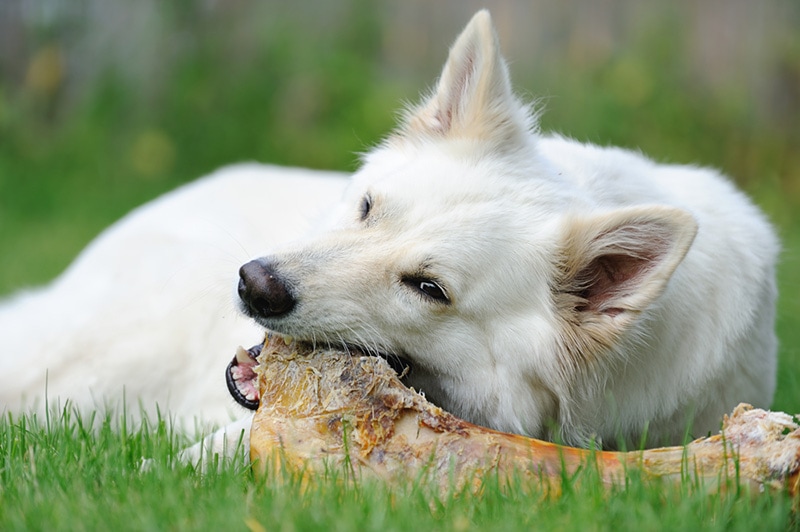
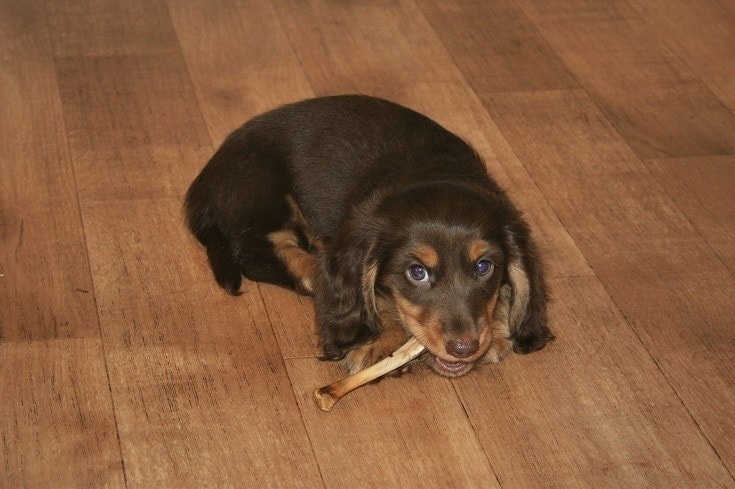
Cartilage does contain some nutritional benefits to dogs and is most commonly consumed when dogs chew on raw bones. While the cartilage is generally safe for dogs to eat there are health concerns to be aware of, particularly when feeding bones. In this article, we will look at those concerns, the benefits of cartilage, and other related questions you may have.

Benefits of Feeding Cartilage to Your Dog
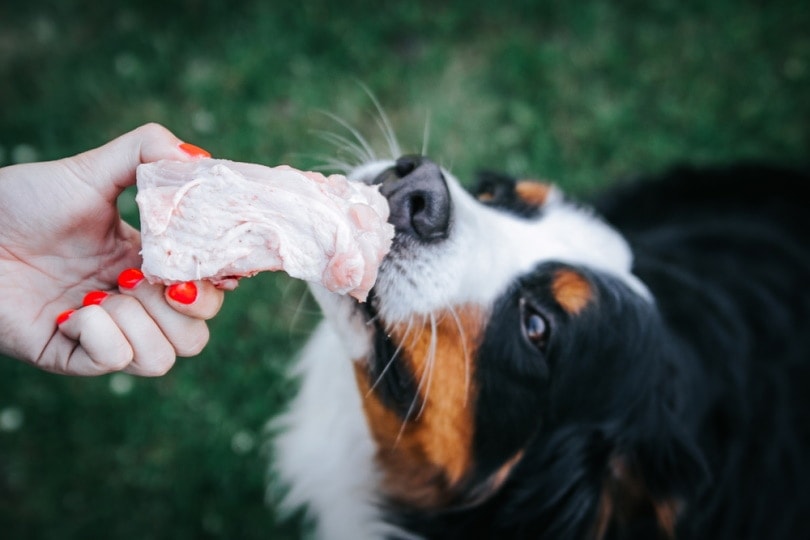
Cartilage can provide benefits to your dog. In fact, when your dog chews on the bone, the attached cartilage, fat, meat, and other connective tissues are where they get most of the nutrients. Some dog treats and chews are also formed of cartilage, often in a dried form.
Cartilage is a source of protein, calcium, chondroitin and glucosamine. Both glucosamine and chondroitin 1may be helpful for dogs with arthritis by boosting repair of damaged cartilage in joints. If you are considering feeding your dog cartilage for this reason consult with your veterinarian first. There are many vet-approved supplements for arthritis which contain these in the right amounts for maximum benefit, without the risks.
Health Concerns of Feeding Cartilage to Your Dog
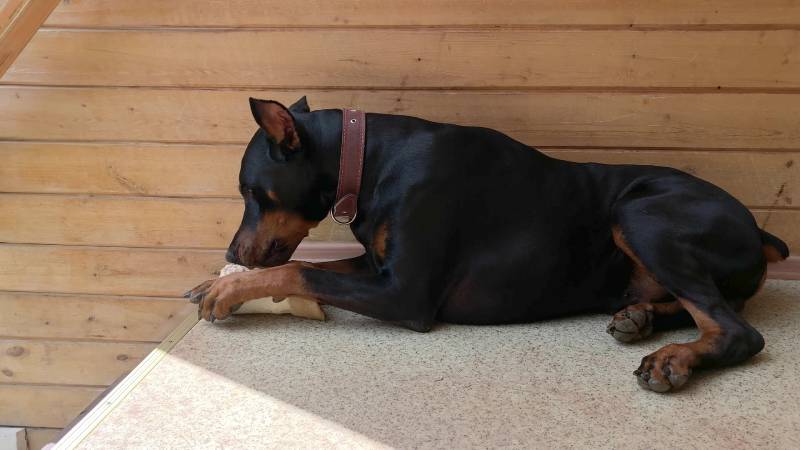
While cartilage has its benefits, it also comes with some health concerns you should be aware of. First, raw cartilage is not easily digested. If your dog consumes uncooked cartilage, they may experience abdominal pain or other signs of gastrointestinal distress. If attached to a raw dog bone, bacterial contamination is also a risk. Some dried forms of cartilage used as dog chews can be a choking hazard or put your dog at risk of intestinal obstructions.

Can Dogs Chew on Bones?
A common canine stereotype is that dogs love to chew on bones, but are bones safe for your dog to chew on? In general, it’s unsafe to let your dog chew on bones since many hazards are associated with chewing bones.
1. Broken Teeth
Since bones are hard, it can be very easy for your dog to crack their teeth on one. This will cause them a lot of pain and require an expensive dental treatment.
2. Injuries to the Mouth
The sharp edges of a bone can cut into your dog’s flesh. This can cause serious injuries to their tongue, inner cheek, or the soft palate on the roof of their mouth.
3. Choking
Chewing on bones presents a choking hazard for your dog. If your dog swallows the whole bone or a large fragment, there is a risk of it lodging in their throat. If they chew the bone hard enough to splinter it, the small shards can become stuck, but they may also become jammed between their teeth. The sharp edges of a bone can also pierce the inside of their mouth or throat.
4. Injuries to the Digestive System
Sharp bone fragments can damage the walls of your dog’s stomach and intestines as they pass along the digestive tract. In extreme instances, the bone fragments can completely pierce through the walls of your dog’s stomach or intestines, causing the contents to seep into the abdomen. This leads to a serious condition known as peritonitis, which is an infection that can become rapidly fatal. Even in the best-case scenario, it is likely that your dog will require hospitalization and surgery.
5. Intestinal Blockage
Large pieces of bone may get stuck in your dog’s intestines or stomach. If this occurs, your dog may be unable to pass waste, leading to recurrent vomiting and abdominal pain. Removing the bone will require endoscopy or surgery.

Finding Safe Chews for Your Dog
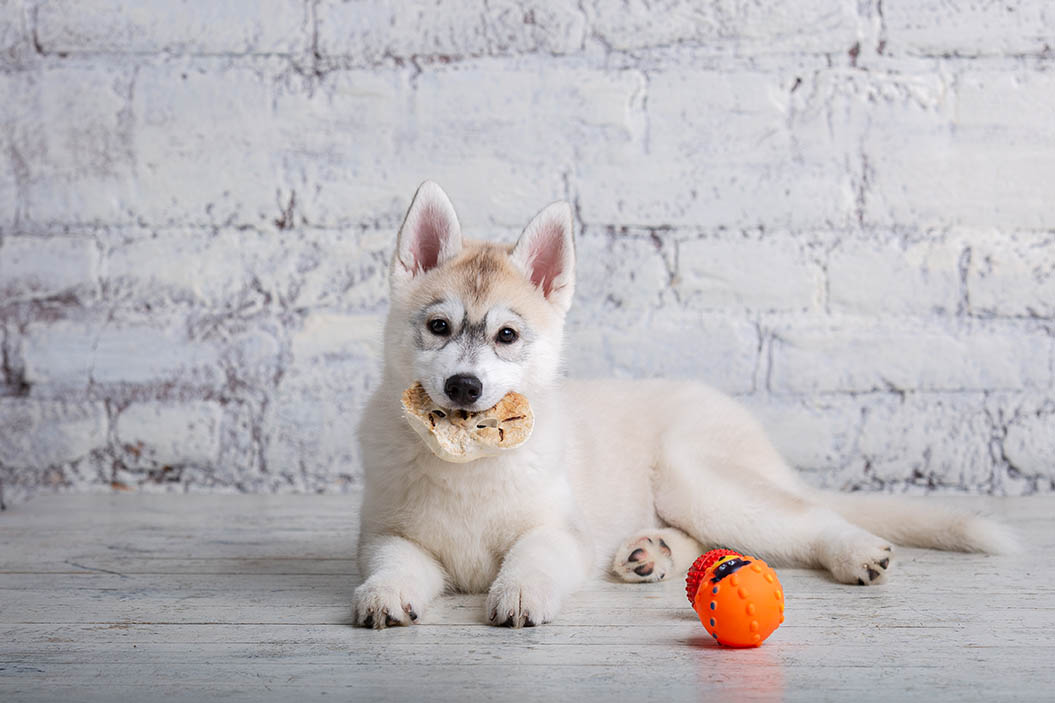
If you want to indulge your dog’s love for chewing, you will need to know which factors to consider when looking for a safe chew.
Know Your Dog’s Chewing Style
Every dog has a different chewing style. Some dogs are more aggressive than others; some prefer harder chews, while others prefer softer ones. Once you know your dog’s preferences, you can find the right chew for them.
Qualities of a Safe Chew
| Hardness: | Like a bone, hard chew treats can crack your dog’s teeth or cut their mouth. |
| Longevity: | The longer a chew lasts, the longer your dog is entertained. |
| Durability: | Products that are too brittle are liable to snap and injure your dog, whereas chews that are too soft may break apart and become a choking hazard. |
| Ingredients: | Natural products without artificial flavorings or coatings are less likely to upset your dog’s stomach. |
| Size: | If a chew is too small, it presents a significant choking hazard to your dog; at the same time, if it is too large, your dog won’t be able to munch on it. |

Final Thoughts
Dogs love to chew on things, but dog owners must be careful when determining which foods and products are safe. Allowing your dog to eat cartilage from raw bones can be hazardous and should be avoided, it’s better to use vet-approved commercial products for daily chewing. You can contact your veterinarian for brand recommendations for safe chews and for supplement recommendations if you think glucosamine and chondroitin may be beneficial to your dog.
Also see: Can Dogs Eat Coconut Ice Cream?
Featured Photo Credit: schmitma1, pixabay
Get Hepper In Your Inbox


Pet care tips from our vets and experts, straight to your inbox.
You may opt-out at any time. View our Privacy Policy for more information.
Pets are Jordyn’s passion, cats especially. Whenever she has the opportunity, she loves to learn about them and share her knowledge with everyone. She is devoted to her tabby cat named Jack and works hard to buy him his favorite treats and toys. Discovering new ways to better care for her pet is always on her to-do list, and she is eager to help pet parents everywhere who have similar pursuits. In her spare time, she loves to read, write, and take long walks. She has a creative spirit, which often helps her to come up with funny cat names.
Join the conversation
Ask a question, share your story, or send private feedback.