Hepper is reader-supported. When you buy via links on our site, we may earn an affiliate commission at no cost to you. Learn more.
What Age Do Dogs Get Arthritis? 6 Vet-Approved Signs to Look For



In this article
Arthritis is a prevailing condition in dogs that usually becomes visible from age 8.1 However, there are some dogs that show signs of arthritis from as early as 1 year of age.
Arthritis is more common in older dogs and larger breeds, such as Labradors, Springer Spaniels, Rottweilers, German Shepherds, Bernese Mountain Dogs, and Golden Retrievers. The condition causes inflammation in the dog’s joints, resulting in intense pain when they sit, stand up, and walk. Your pet may also avoid touch and gain weight out of nowhere.
Dogs can have arthritis in different body parts, including knees, elbows, hips, and shoulder joints. Factors like underlying diseases, genetics, and injury can contribute to this condition. However, natural wear and tear due to aging remain the most common reason.
If you are a dog owner, you must know the early signs of arthritis to get on-time help for your furry friend. This post discusses everything you need to know, so keep reading till the end!

A Dog’s Age and Arthritis
Arthritis is a degenerative disease that affects dogs of all age groups, although it is more common in older or larger dogs. It is a concerning condition that requires medical attention.
Dogs with arthritis feel intense joint pain, making it difficult to perform daily activities. Fortunately, early intervention and preventive measures can help them manage arthritic pain easily.
There is no specific age at which arthritis can occur in dogs, so it is your responsibility to notice the early signs of this condition. Typically, arthritis affects dogs when they turn 8 or older. At this age, dogs become seniors, so arthritis results from natural wear and tear in their joints.
But surprisingly, some dogs can have arthritis from a very young age. This mostly happens due to severe trauma or abnormal development in the dog’s joints. Arthritis at a young age can also result from an infection, such as tick-borne diseases,2 but it is rare
The 6 Critical Signs of Arthritis in Dogs
As a pet owner, you must observe the early signs of arthritis in your dog to get timely treatment.3 The more you delay it, the worse your dog’s joints can get. As arthritis can occur relatively early in these pets, you should look out for these six signs in your furry friend:
1. Reluctance to Walk or Exercise
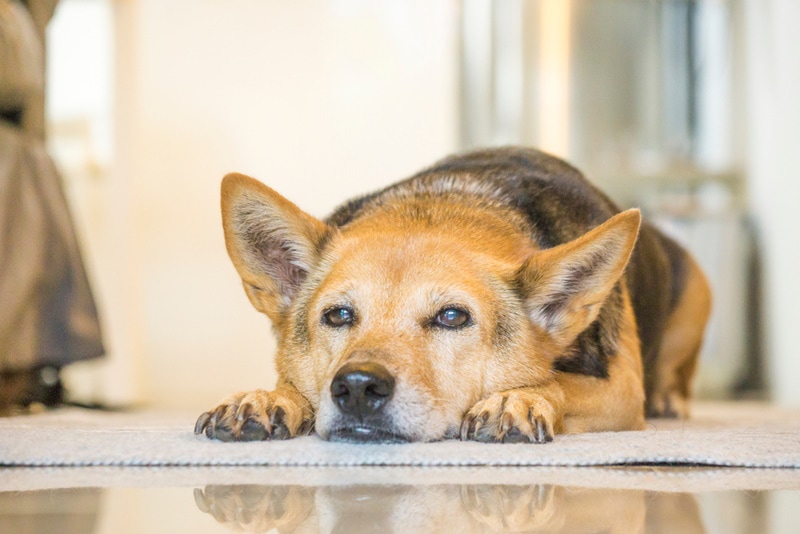
The most noticeable sign of arthritis in dogs is avoiding walking, exercising, or even standing up. While many owners associate this behavior with their old age, that’s not always true. Dogs with arthritis no longer show interest in moving, as it puts them in severe pain and discomfort.
You may also observe your dog sitting in one place for hours and not even moving a little bit to play with its favorite toys. These dogs also show reluctance to climb stairs or take bathroom breaks. Some pets also stop enjoying their workout sessions suddenly.
If you observe these changes in your dog’s behavior for days, you should know that it isn’t just because they are old. Instead, they may be in severe pain and need medical attention immediately.
2. Excessive Irritability
While some dogs are moody, others are fun and happy-go-lucky. If your dog falls into the second category but suddenly starts appearing sad and quiet, it could indicate something wrong.
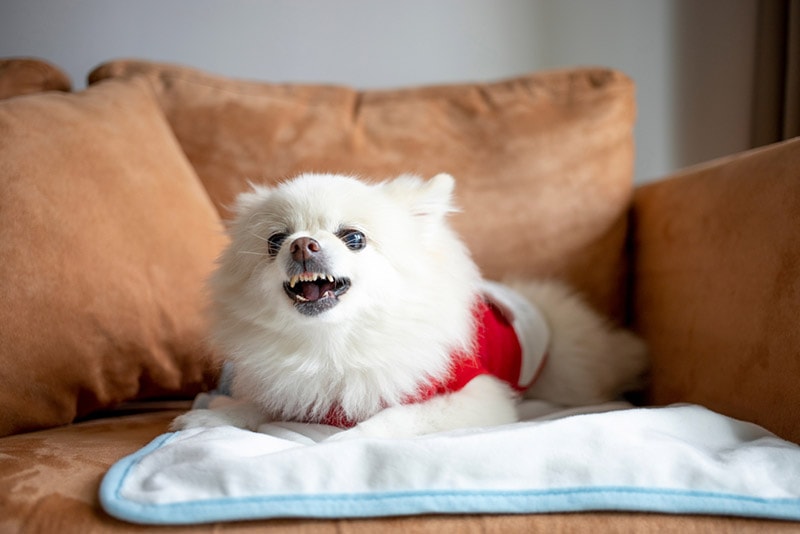
Since dogs can’t speak human language, they vocalize their pain differently. Dogs with arthritis show irritability in different ways. The most common ones include excessive growling, groaning, or biting.
Such dogs even become irritated when their owners try to pat or play with them. If this happens to you, don’t think your dog doesn't love you anymore. Instead, they’re just telling you that they’re in distress.
3. Muscle Atrophy
Restricted mobility can lead to muscle stiffness and deterioration in dogs with arthritis. When your dog stops using specific muscles for a long time, they become weak and lose mass. For example, if arthritis is in one of your dog’s legs, you might find it thinner than the rest of the limbs.
4. Sudden Weight Gain and Licking
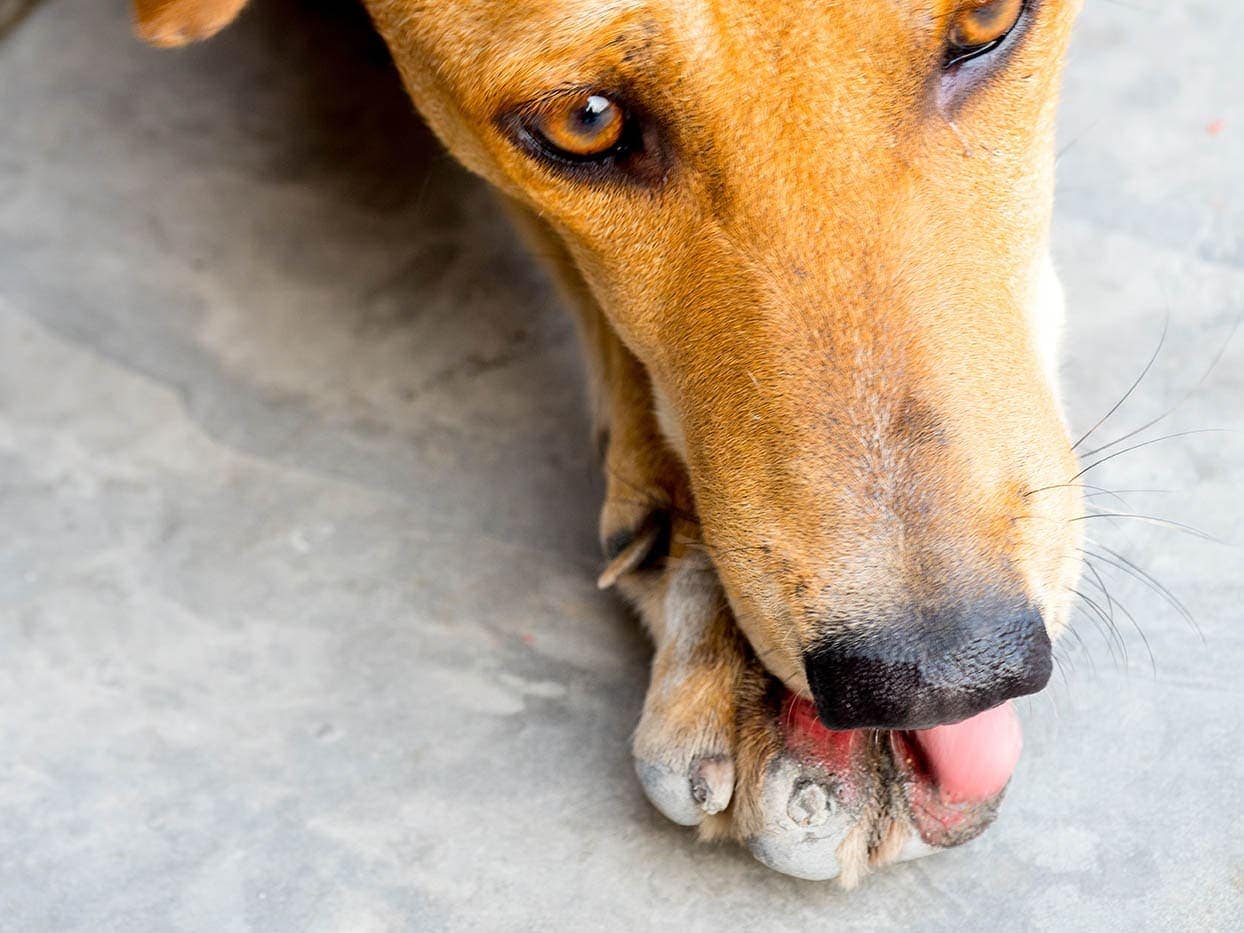
Arthritis limits your dog’s mobility, so they spend hours sitting in one place. As a result, they start gaining weight, leaving their owners clueless about what they did wrong. Along with obesity, arthritis can make your dog lick or nibble the affected area. You may also notice that your pet has lost hair around its joints.
Since arthritis causes joint inflammation, dogs start licking them to relieve the pain and discomfort. If your pet is gaining weight or paying more attention to their joints, take them to a vet as soon as possible. Excessive licking can result in hot spots or skin sores on their body.
5. Posture Changes
Lameness is another sign of arthritis in dogs. It’s the same as humans. When we suffer inflammation or soreness in our knees, we start limping to not feel the pain. Dogs also try to cope with their arthritic pain by walking unusually. This is primarily the case when arthritis has affected the dog’s spine.
Some dogs also experience severe pain in their neck or back. Others feel stiffness in their leg muscles when walking. So, they hunch over or tilt their head at abnormal angles. Your dog may also sit unusually when drinking or eating. It’s just their way of coping with pain.
6. Touch Avoidance
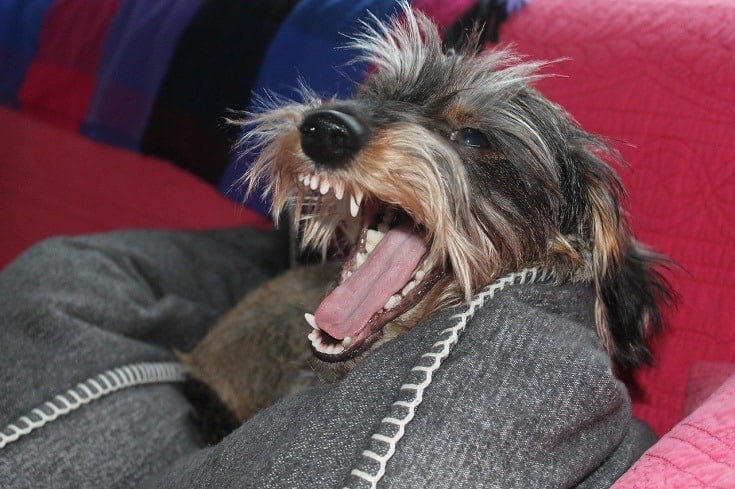
Inflammation makes the dog’s joints sensitive to the touch. As a result, they pull away when someone touches them or even comes close to them. Yes, they do this with their owners too! If your dog suddenly becomes distant from you, don’t take it personally; contact a vet as soon as possible.
What to Do if Your Dog Shows Signs of Arthritis?
All the above signs are some common causes of arthritis in dogs. But remember, they don’t only indicate arthritis but can also be symptoms of other underlying health issues. That’s why it’s crucial to consult a vet when you observe unusual behavior in your pet. The expert will perform multiple tests to find the exact cause.
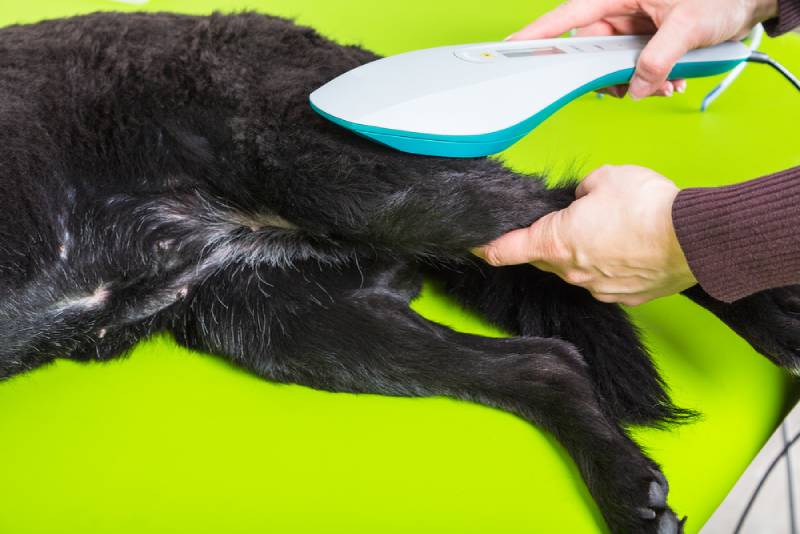
If the doctor diagnoses arthritis, they’ll opt for clinical treatment at first. This includes administering non-steroidal anti-inflammatory drugs (NSAIDs), Adequan, or corticosteroids. However, these methods only relieve inflammation. Here are some other treatment options for your dog with arthritis:
1. Lifestyle Changes
Lifestyle changes are necessary for dogs with arthritis. You can modify your pet’s environment in different ways, such as installing steps or ramps to help your friend reach the bed easily. That’s helpful if your dog likes to sleep with you.
You can also buy a lifting harness to enable your dog to enter the car without climbing or jumping. Other options include pet-specific orthopedic memory foam beds and food bowl platforms.
The memory foam bedding will relieve your dog’s inflamed joints and offer them a relaxing goodnight’s sleep. On the other hand, food and water bowl platforms will make it easier for your cat to enjoy its meals without feeling pain.
2. Acupuncture
Acupuncture has been an effective inflammation-relieving technique in Traditional Chinese Medicine (TCM) for years. This method involves little needles that stimulate and balance the energy flow in the pet’s body. Acupuncture aims to increase endorphins and reduce inflammation in humans and animals. Fortunately, many pets tolerate the pain quite well during the process.
However, consult a professional acupuncture practitioner for your pet's safety. You can find one on the American Academy of Veterinary Acupuncture’s website.
3. Massage
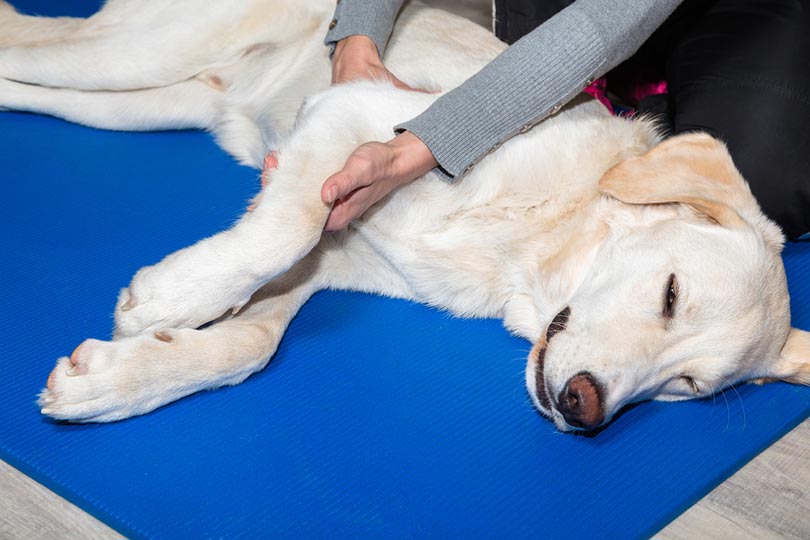
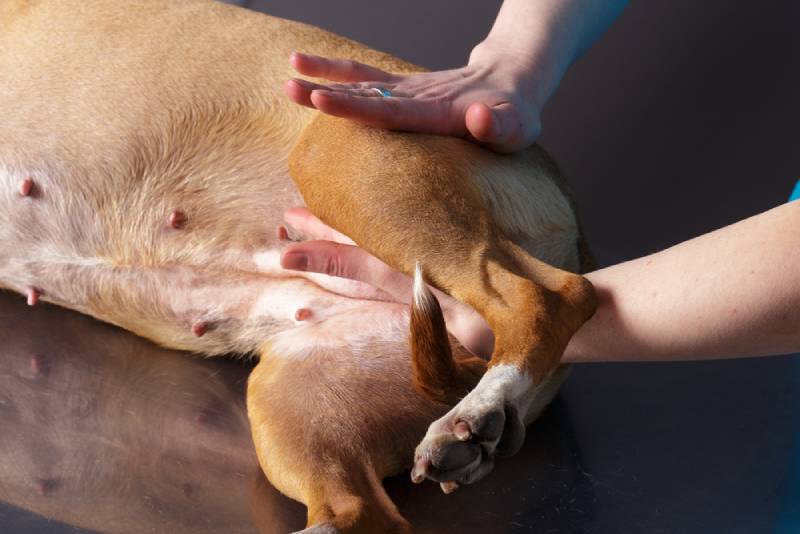
Massage promotes the release of toxins by stimulating the dog’s lymphatic system. It also relieves pressure from their muscles and joints. However, dogs with arthritis need a particular type of massage that doesn’t put direct pressure on their inflamed joints. So, always opt for a qualified expert if you want to go this way.
4. Weight Management
This goes without saying—more weight puts higher pressure on your dog’s joints and thus puts them in severe pain. That is why pet owners need to maintain their dog’s weight from an early age.
You should motivate your pet to exercise more and give them a healthy diet. Reduce the intake of treats and give them nutritious alternatives to satisfy their sweet tooth. Consult a professional nutritionist to develop the best diet for your pet’s daily requirements.
Conclusion
Arthritis puts your beloved furry friend in severe pain. You will see your happy, active dog suddenly becoming dull and quiet. That is nothing less than a nightmare for pet parents. Arthritis affects most dogs when they turn 8 or later, but it can also occur in pets as early as 1 year old.
Always keep an eye on your dog’s unusual behavior. You should realize something is wrong when your pet starts limping, avoids touch, shows reluctance in moving or exercising, or becomes irritated.
Early intervention can make your dog’s life a lot less painful. So, never ignore these signs of arthritis, and consult a vet at your earliest convenience!
Featured Image Credit: Dima Berlin, Shutterstock
Get Hepper In Your Inbox


Pet care tips from our vets and experts, straight to your inbox.
You may opt-out at any time. View our Privacy Policy for more information.
Jeff is not only a writer but also a tech professional with lots of experience leading teams at various Fortune 100 startups. Jeff's hobby is photography but his real passion are his pets, whom he loved to spend time with.
Join the conversation
Ask a question, share your story, or send private feedback.