Hepper is reader-supported. When you buy via links on our site, we may earn an affiliate commission at no cost to you. Learn more.
How to Help Dogs With Joint Pain & Arthritis: 11 Useful Ways



When we bring a dog into our lives we instantly think of the years we’ll spend running, playing, and being happy with one another. It is important to be aware of genetic predispositions to various joint problems, traumatic injuries, or body condition changes that can affect the wonderful memories you will create with your dog.
While large breeds of dogs are more predisposed to arthritis and joint pain, it doesn’t mean that our smaller dog can suffer from this as well. This degenerative process can cause pain, slower movement, and decrease in overall activity. That is when your job as their best friend kicks in. It’s up to you to find ways to alleviate their pain and help them deal with their joint pain and arthritis. These tips below can help along with the advice from your veterinarian.

The 11 Ways to Help Dogs With Joint Pain and Arthritis
1. Orthopedic Equipment
When humans are feeling the pain of joint aches and arthritis it isn’t uncommon for us to buy a new, orthopedic bed or other items to help around the house. It’s no different for your dog. Orthopedic beds can allow your companion to sleep more comfortably and are designed to help alleviate the pain they experience. You’ll also find steps and ramps available to make moving around the house easier for them when they are experiencing pain and fatigue. Look for carpeted or padded steps or ramps, and non-slip flooring ideas to make your entire home safer for your dog.
2. Massage and Compresses
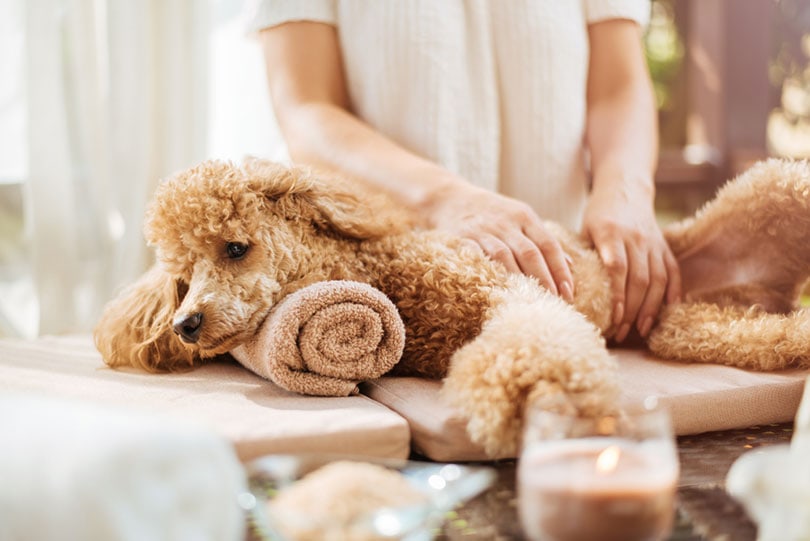
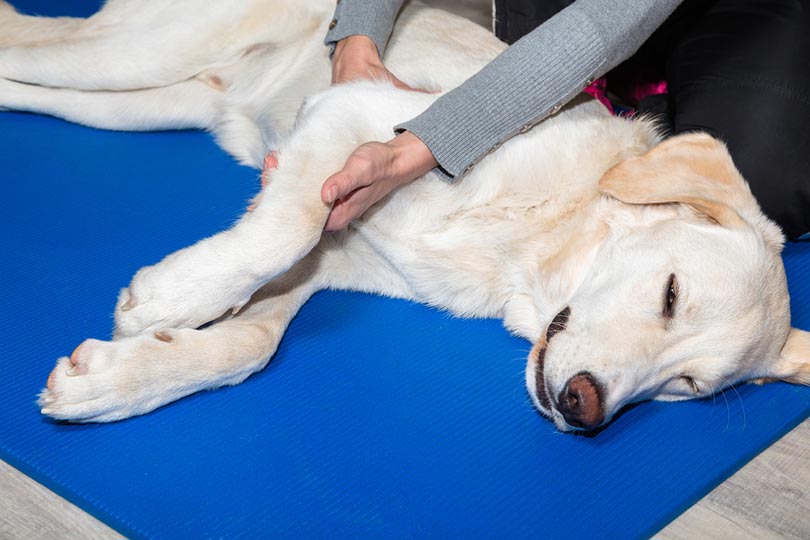
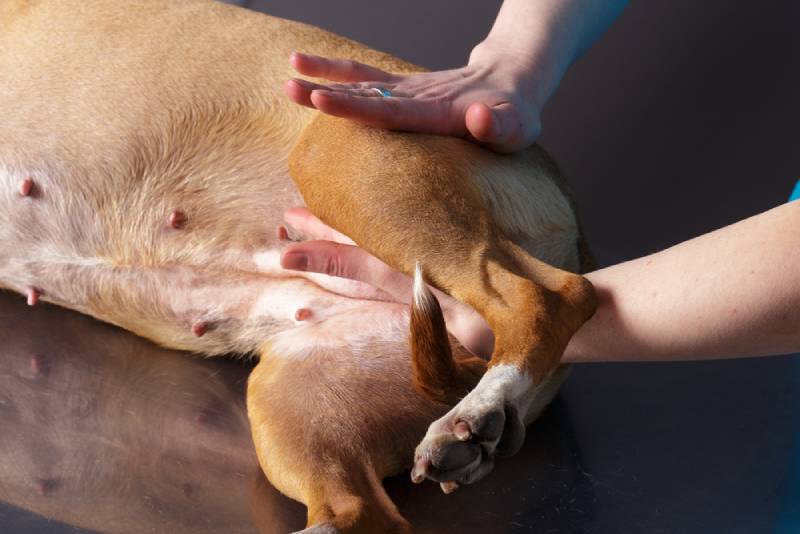
Yes, there are people out there who are certified in canine massage. While taking your pet for one of these visits may seem to be pampering, for those that suffer from joint pain and arthritis, it can be pain relieving and therapeutic. Many of these therapists will teach you methods you can use at home or even suggest warm compresses. Keep in mind, however, compresses are soothing but be careful not to injure your pet with too much heat.
3. Eastern Medicine Techniques
Acupuncture and other forms of Eastern medicine are the go-to's for many people who suffer pain in their bodies. Your dog can experience the same kind of relief. By finding a veterinarian who has been trained in pet acupuncture and is knowledgeable of usage of homeopathic Chinese herbs and remedies, you have opened up a complementary pathway to managing your dog’s pain and discomfort.
4. Therapeutic Lasers
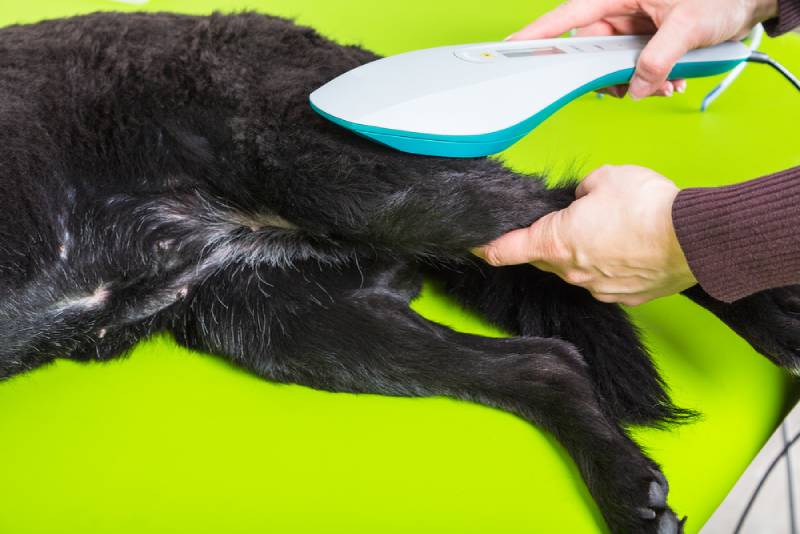
Therapeutic laser treatment is a non-invasive way of using low-level light energy to improve your pet’s arthritic condition. This treatment helps stimulate blood flow to your pet’s tissues, increases muscle relaxation, and even decreases inflammation. This may help reduce pain and in many cases promote faster healing in the body.
5. Water Therapy and Exercise
For dogs that are showing the first signs of arthritis and joint pain, exercise is still needed. A good walk or exercises that are non-weight bearing are ideal. Swimming and hydrotherapy on an underwater treadmill are ideal. If you reach out to a canine rehabilitation expert, they can help get your pet on the right exercise routine for their specific problem.
6. Supplements
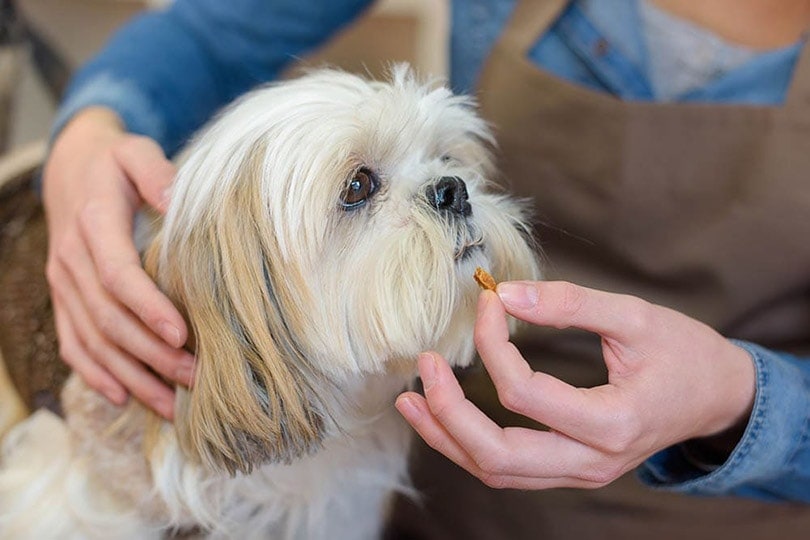
We’ve all seen the advertisements for joint supplements specifically for our pets. The verdict is still out on whether these supplements should be started at an early age. Determination of the appropriate dosing regimen should be made through consultation with your veterinarian, but for dogs who are showing signs of aging, glucosamine-chondroitin supplements are often considered helpful. He or she may also suggest omega-3 supplements to help with inflammation.
7. Injections
Adequan injections are used to treat cartilage loss in the joints and other pain associated with arthritis in dogs. While there is a lot of evidence to support improvement of symptoms associated with arthritis (sometimes at least four weeks after starting these intramuscular injections), it is important to note that it can be expensive. Simply speak with your veterinarian to get their opinion and the two of you can decide if Adequan is the right choice for your dog.
8. Pain Medication
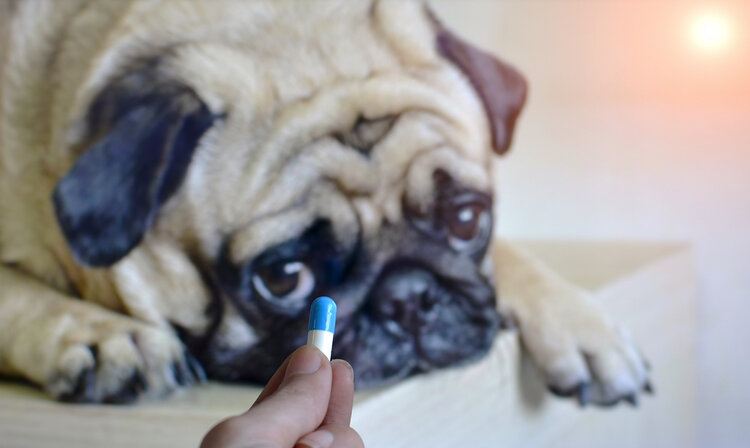
If other treatments have failed and your dog is still in too much pain, opioids or other classes of pain medication are useful. This type of medication can only be prescribed by your veterinarian who knows best your pet’s medical history and can further discuss their mechanisms of action and possible side effects to look out for.
9. Steroids
The use of oral steroids or steroid injections in older dogs suffering from joint pain and arthritis is possible. Under the guidance of a veterinarian, steroids have been used for their anti-inflammatory properties for short periods.
10. NSAIDs
This drug class is known to reduce inflammation but can be a double-edged sword due to the many side effects associated with them. Before an NSAID is prescribed to your pet, a blood panel should be conducted, to be repeated at regular intervals to assess kidney function.
11. CBD
An alternative that has gained a lot of popularity in recent years but that still requires a lot of peer-reviewed research in order to determine efficacy and effective dosage is CBD. While there is no FDA approval for products containing CBD, this chemical compound shows a lot of promise to treat pain associated with arthritis due to its anti-inflammatory properties. One problem of note is that due to current lack of regulation, not all companies selling CBD products are reputable (and may not even use CBD in their formulas) so it is important to use due diligence and request certificates of analysis for an idea if the product you will try for your dog is legitimate. As always, please consult with your veterinarian before starting your dog on a product that contains CBD, especially to be briefed on possible signs of overdose in your dog.
Conclusion
While it may be difficult to see a difference in the dog that’s been by your side for years, that doesn’t mean the fun times are over. By reaching out to your veterinarian for guidance, making the necessary changes in your pet’s lifestyle, and showing that no matter what, your pet is still part of the family, they can live with arthritis and joint pain for many years. The two of you may not be as fast as you once were, but you’ll get the best snuggles ever when your pet is thanking you for sticking by their side.
See also:
Featured Image Credit: Linoleum Creative Collective, Unsplash
Get Hepper In Your Inbox


Pet care tips from our vets and experts, straight to your inbox.
You may opt-out at any time. View our Privacy Policy for more information.
Melissa was born and raised in the mountains of East Tennessee where she spent her time writing in an old notebook and playing outside with her pets. As an avid animal lover, she has brought many into her home over the years. Currently, she is the mom of 5 fur babies. Her 2 cats, Princess and Pepper are total opposites who demand attention. Her dogs Jazzy, Whitey, and Demon are full of spunk and keep the entire family on their toes.
Beyond life as an animal mom, Melissa is a dedicated wife and mother to 2 children. Writing in her old notebook led her down the path of becoming not only a freelance writer but a published Indie author under the pen name, Rena Marin.
Join the conversation
Ask a question, share your story, or send private feedback.