Hepper is reader-supported. When you buy via links on our site, we may earn an affiliate commission at no cost to you. Learn more.
Can Parrots Eat Figs? Vet Approved Facts & Safety Guide


In this article
The parrot family contains hundreds of species, many of whom are kept as pets. Keeping a pet parrot healthy requires feeding them the right diet, including knowing which foods are safe to consume. Parrots of all sizes can eat figs, but the portion size will vary depending on the bird's size.
Keep reading to learn how to include figs in a balanced diet for your parrot and safely feed the fruit to large species like macaws or small ones like lovebirds.

Figs: A Nutritious Choice for Parrots
The bulk of any parrot’s diet should be a nutritionally complete pellet food formulated for parrots. However, fruits and vegetables provide additional vitamins and minerals that can benefit your parrot, particularly Vitamin A. Figs are just one of the many fruits and vegetables that parrots may enjoy.
Parrots routinely dine on seeds, fruit, nuts, and grains in the wild. Some species, such as the Senegal parrot, regularly eat wild figs as part of their diet. Parrots can be picky eaters, so not every bird will enjoy figs, but you can feel safe including them in your fruit rotation.
How to Feed Figs to Your Parrot
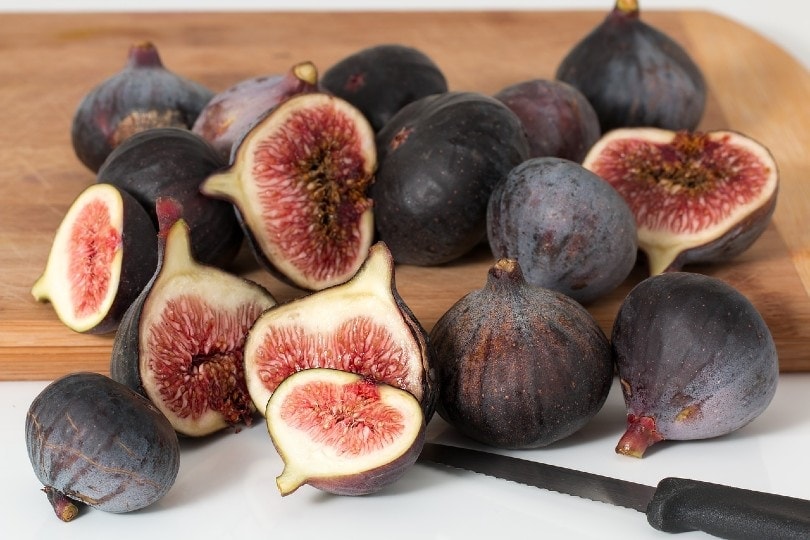
Fresh figs are typically a better choice than dried, which are much higher in sugar. Look for organic produce if you can because parrots are sensitive to chemicals and pesticides. Either way, thoroughly wash all produce, including figs, before offering them to your parrot.
All fruits and vegetables should make up only about 15-30% of a parrot’s daily diet, and you’ll want to offer a variety of items. Figs should be just one of several fruits and vegetables you feed your parrot daily. Consider mixing the fresh food into a “salad” to encourage your parrot to eat all available items.
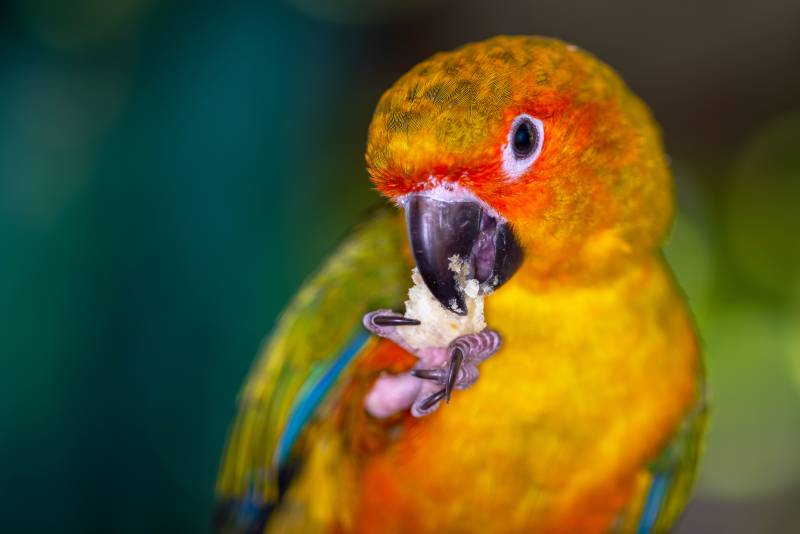
Large parrots, such as macaws, Amazons, and African greys, may be able to eat figs whole. For smaller species, like parrotlets and lovebirds, consider cutting the fruit into chunks. However, they don’t have to be bite-sized because chewing pieces of fruit can provide enrichment for parrots.
You can serve figs and other fresh food in a bowl and remove any uneaten portion after 8 hours so your bird doesn’t eat spoiled fruit.

Are There Any Health Concerns if Parrots Eat Figs?
Even though wild figs form a regular part of many wild parrots’ diet, as with all fruits, it is important to only offer them in moderation to your pet parrot. Figs (and other fruits) grown for human consumption have been selected to be larger and higher in sugar than wild figs. In addition, pet parrots lead much more sedentary lives than their wild counterparts. Therefore it is easy for them to consume excess sugar, and this can contribute to weight gain. Obesity puts your parrot at increased risk of many health conditions including arthritis, fatty liver disease, atherosclerosis and cardiac disease.
All fruits and vegetables have a high water content. Consuming these foods can cause a parrot to urinate more frequently. This excess peeing is sometimes confused with diarrhea. Increased urination due to consuming fresh produce isn’t a health concern. However, it can also be a sign of certain medical conditions. Talk to your veterinarian if you notice your parrot passing more watery droppings, and be sure to let them know how many fresh fruits and vegetables you’re feeding.
Any new food, including figs, should be introduced slowly to avoid upsetting your parrot’s digestive system. Parrots frequently pick out their favorite foods and ignore the rest, which can lead to an unbalanced diet. Monitor their diet to ensure the parrot isn’t picking out figs and other tasty fruits.
What Other Fruits and Vegetables Are Safe for Parrots?
Truthfully, it’s easier to tell you what produce to avoid because many fruits and vegetables are safe for parrots. Avocados, apple cores/seeds, and any fruit pits are unsafe and should be avoided. Iceberg lettuce and celery aren’t unsafe for parrots but don’t offer much nutritional value.
Some of the best fruits and vegetables for parrots contain Vitamin A, which is essential for immune system support, healthy skin and feathers, and strong eyesight.
Here are some fruits and vegetables that provide this nutrient:
Final Thoughts
The ideal diet for your parrot will vary somewhat by their specific species. Talk to your veterinarian to help you craft the ideal menu for your feathered friend. Figs are a safe, sweet, and delicious addition to your parrot’s meal plan. If your parrot turns their beak up the first time you offer figs, don’t despair. There are plenty of other healthy fruit options you can offer.
Related Reads:
Sources
Featured Image Credit: Marian Weyo, Shutterstock
Get Hepper In Your Inbox


Pet care tips from our vets and experts, straight to your inbox.
You may opt-out at any time. View our Privacy Policy for more information.
A lifelong lover of all creatures great and small, Elizabeth got her first cat at 5 years old and at 14, she started working for her local veterinarian. After spending more than 20 years working as a veterinary nurse, Elizabeth decided to step away to become a stay-at-home parent to her daughter. Now, she is excited to share her knowledge with our pet parents. Elizabeth lives in Iowa with her family, including her two fur kids, Linnard, a husky mix and Algernon, the worldʻs most patient cat. When not writing, she enjoys reading, watching soccer, and spending time outdoors with her family.
Join the conversation
Ask a question, share your story, or send private feedback.