Hepper is reader-supported. When you buy via links on our site, we may earn an affiliate commission at no cost to you. Learn more.
Can Turtles Eat Blueberries? Our Vet Answers

In this article
Turtles are fun to have as pets, but they require a very different level of care compared to dogs and cats. For example, a turtle needs an appropriately sized enclosure (often an outdoor one), UVB light when housed indoors, and a specialized diet, which brings us to the question: Can turtles eat blueberries? The short answer is, yes, most species of turtles that are kept as pets can eat blueberries, but only in moderation.
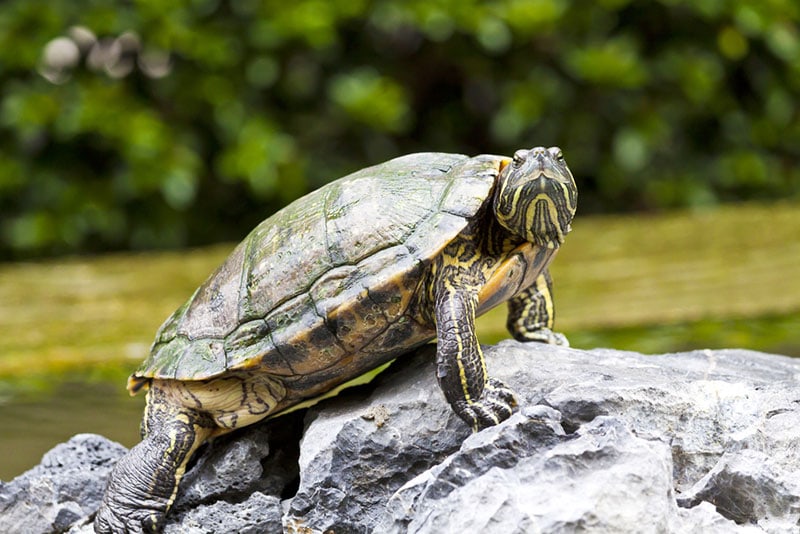
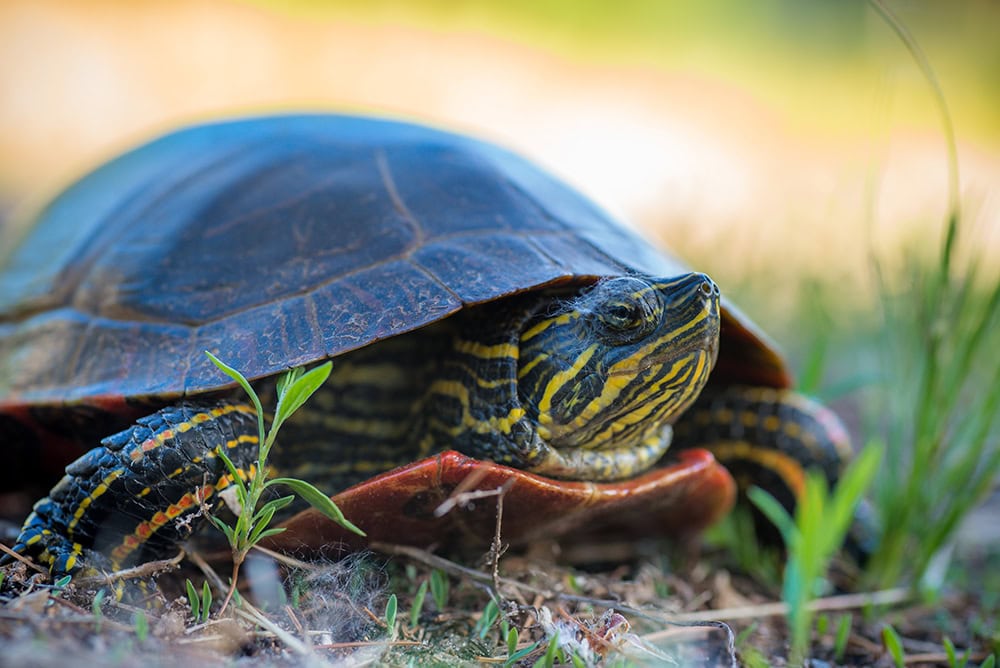
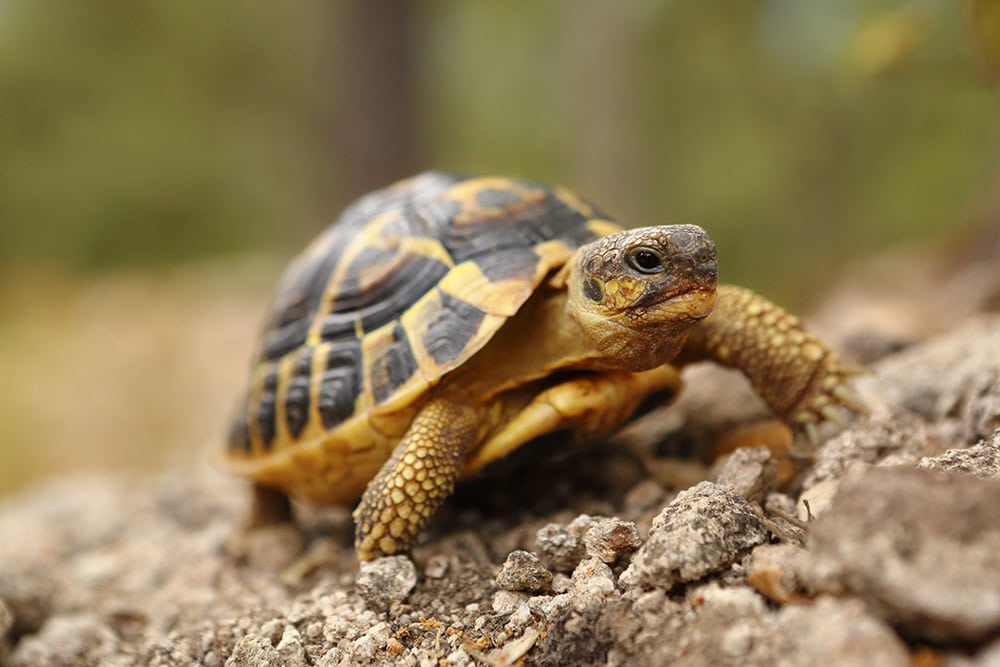
In this post, we explore the ins and outs of feeding blueberries to your turtle. As there are many turtle species, we’ll be focusing our attention on freshwater aquatic turtles and North American box turtles of the genus Terrapene.

Can Turtles Eat Blueberries?
Omnivorous freshwater turtles and North American box turtles can eat blueberries, along with other specific fruits in moderation as special treats or snacks. The main nutritional concern with most fruits is that they contain a large amount of sugar, which is why owners are cautioned against making them a major part of a turtle’s diet.
Turtles do consume fruit in the wild, so their systems are usually able to digest them without much issue. In addition, turtles play a vital role as seed dispersers in nature. That said, while there are few observations of wild turtle diets, fruit often only ripens seasonally, so it is safe to assume that it comprises a small portion of their dietary intake in most circumstances.
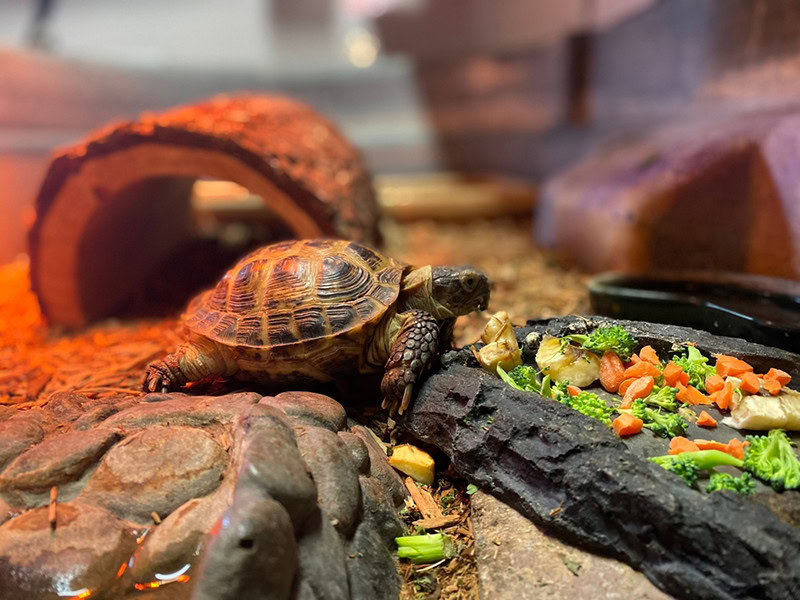
The current dietary recommendations for freshwater aquatic turtles generally limit fruits to around 5% at most. North American box turtles seem to adapt to fruit better than other genera of terrestrial turtles, and around 15% of their diet can consist of fruit. Beyond this guideline, other factors play a role in your pet’s diet.
Factors That Influence Your Pet Turtle’s Diet
Bear in mind that a turtle may take several years to no longer be considered a juvenile, so the dietary shift toward more plant-based foods does take time for most pet turtles.
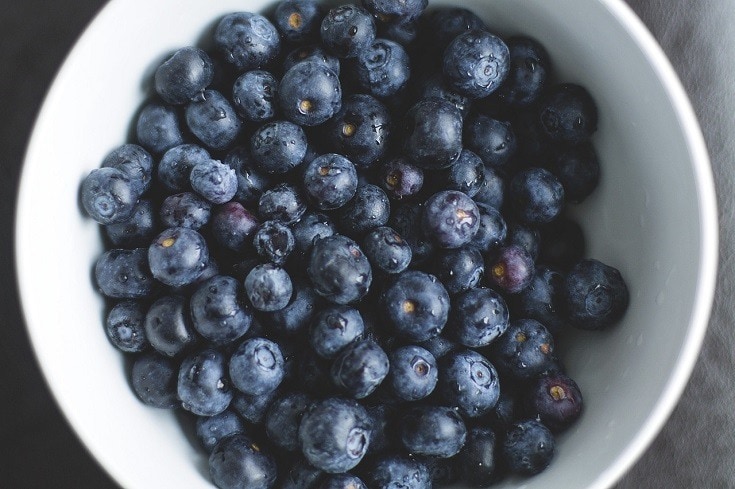
As far as fruit goes, blueberries are considered among the best options for turtles to consume because of their relatively low sugar content (in comparison to most other fruits). The nutritional analysis of blueberries is as follows: 1
Key Nutritional Information of Blueberries, per 100 grams (3.5 oz.)
Do Blueberries Carry Any Nutritional Risks?
Although blueberries are among the best fruits that you can feed to your pet, they aren't entirely fault free. The following points should be taken into consideration to assess their nutritional risk.
Sugar
While blueberries do have a low sugar rating for a fruit, it is worth noting that their sugar rating is relatively high compared to that of vegetables, which in excess, isn’t ideal for a pet turtle’s health. For example, dandelion greens contain up to 13 times less sugar than blueberries.2.
Nutritional Composition
Looking beyond the sugar, the rest of blueberries’ nutritional composition isn’t ideal for most healthy adult pet turtles. Almost all fruits are largely composed of water and contain far too little fiber to meet the nutritional needs of most species of turtles that are kept as pets.
Perhaps the most interesting factors to consider here are the calcium and phosphorus quantities. When analyzing the nutritional composition of any food, it is crucial to look at the ratio of certain minerals. Two vital ones for turtles are calcium and phosphorus.
Within the animal’s body, these two minerals bind with each other. So, if your turtle’s diet contains more phosphorus than calcium, their body will naturally try to correct the imbalance by releasing some calcium from its stored reserves. The most common source of extra calcium is their bones.
In the short term, this adjustment isn’t much of an issue and is considered a normal part of restoring balance in the body (known as homeostasis). However, prolonged periods of an imbalanced diet can lead to a chronic shortage of calcium, which can then snowball into other health issues.
For this reason, the recommended calcium-to-phosphorus ratio for most healthy turtles that are not reproducing is around 1.5:1 or 2:1. This means calcium should be either 1.5 times or twice as abundant as phosphorus in their diet.
Blueberries’ ratio is around 1:1, but since blueberries should only be a small portion of a turtle’s diet, this isn’t cause for much concern. Nonetheless, minor nuances like these are critical to consider when deciding how much of a certain food you should feed your pet.
What Other Fruits Are Safe to Feed in Moderation?
In addition to occasional blueberries, you can safely feed your turtle the following fruits, albeit in moderation. This is not an exhaustive list of safe fruits, but it will give you an idea.
Conclusion
Keep in mind that many different species of turtles exist, and not all of them require the same type of diet. Your veterinarian can guide you in the right direction on what to offer your pet according to their species. We also advise you to consult your vet to ensure that you provide an appropriate mixture of healthy animal proteins, leafy greens, and the occasional fruit.
Most omnivorous pet turtles can indeed eat blueberries. Given the plethora of fruit options available, blueberries are considered among the best. That said, fruit should ultimately be a small part of your pet’s diet, which is something that you should always keep in mind.
Featured Image Credit: LC-click, Pixabay
Get Hepper In Your Inbox


Pet care tips from our vets and experts, straight to your inbox.
You may opt-out at any time. View our Privacy Policy for more information.
Dr. Luqman grew up with an extreme fondness for animals and turned a childhood dream into reality by becoming a veterinarian. His goals are now focused on helping pet owners understand their pets better in order to ensure the best quality of life for all pets globally. He is passionate about wildlife, exotic pets, pet owner education, and animal welfare. Luqman has 3 years of professional experience working with a variety of animal species. He has skills in demonstrating proper animal husbandry and training some exotic species, such as parrots. Additionally, he has decades of personal experience with keeping many exotic pets: freshwater fish, parrots, songbirds, chickens, ducks, turtles, and hamsters.
Join the conversation
Ask a question, share your story, or send private feedback.