Hepper is reader-supported. When you buy via links on our site, we may earn an affiliate commission at no cost to you. Learn more.
Can Turtles Get Fat or Overweight? Vet-Approved Diet, Facts, & FAQ


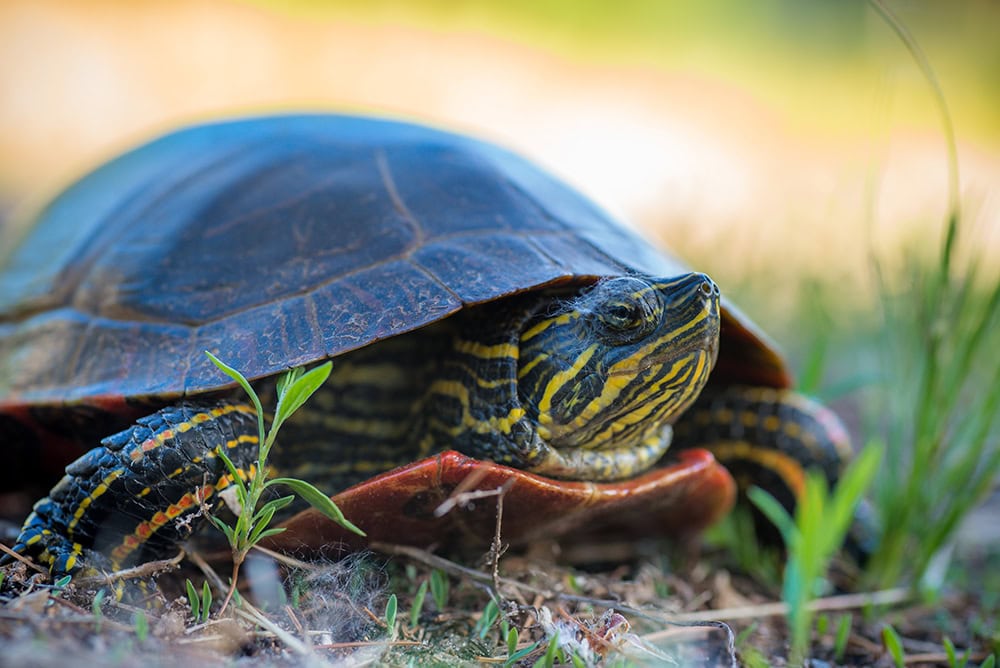
Turtles have existed for roughly 200 million years, with more than 300 species in existence worldwide. Turtles have adapted to many different habitats over the years, and they all require specific diets and needs. Since many types of turtles are kept as pets, it's up to humans to provide a safe and healthy environment for their turtle species, including providing a well-balanced diet and space for exercise to keep obesity at bay. So, can turtles get fat or overweight? Absolutely, they can.
In this post, we’ll examine how turtles may get fat and overweight. We’ll also explain how to tell your turtle is overweight and what you can do to get the weight down to a healthy number.

How Can Turtles Become Fat or Overweight?
Turtles can become overweight if they are fed too many pellets that are high in starch, and given too small a tank to move around in. While it’s rare for turtles to become obese in the wild, it isn’t uncommon with pet turtles.
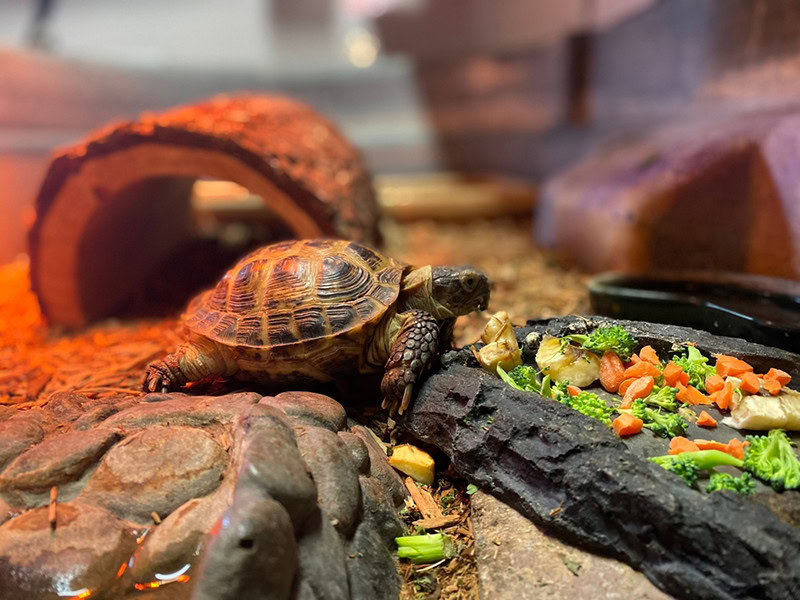
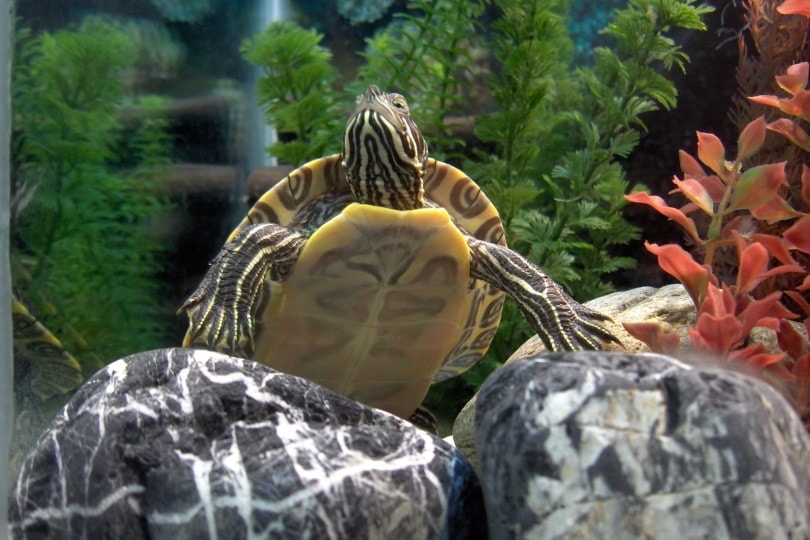
Turtles need lots of vertical and horizontal space for adequate exercise. They need plenty of space to move around on land, as well as swim (turtles love to swim).
Overfeeding your turtle is probably the main culprit in a tubby turtle. Foods high in sugar can lead to obesity, and foods of this nature should only be given occasionally as a special treat. It’s imperative to learn how to feed your turtle, which we’ll explain next.
What Do Turtles Eat?
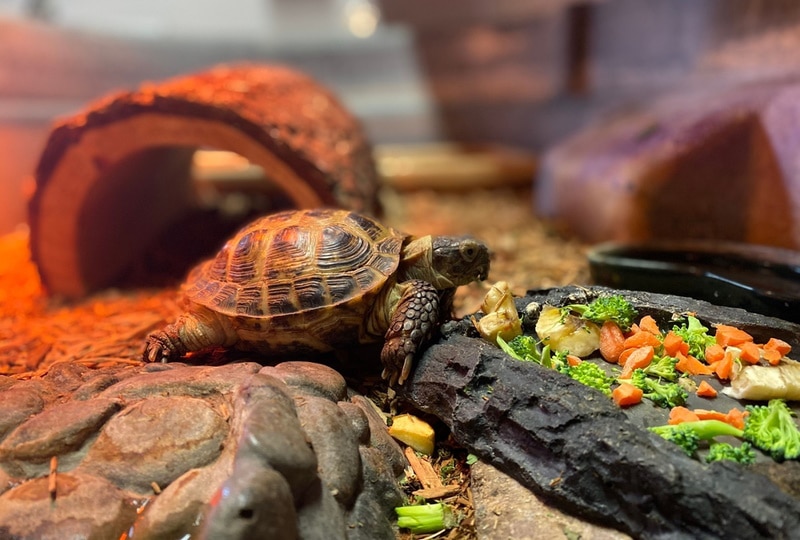
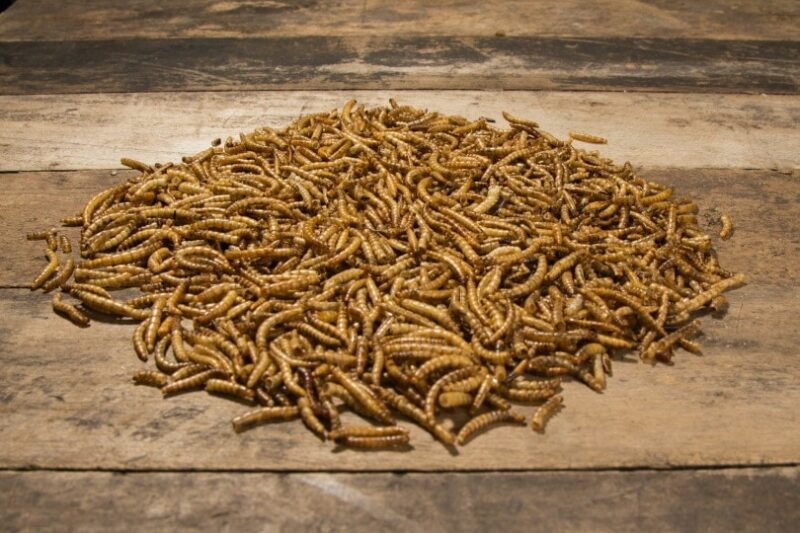
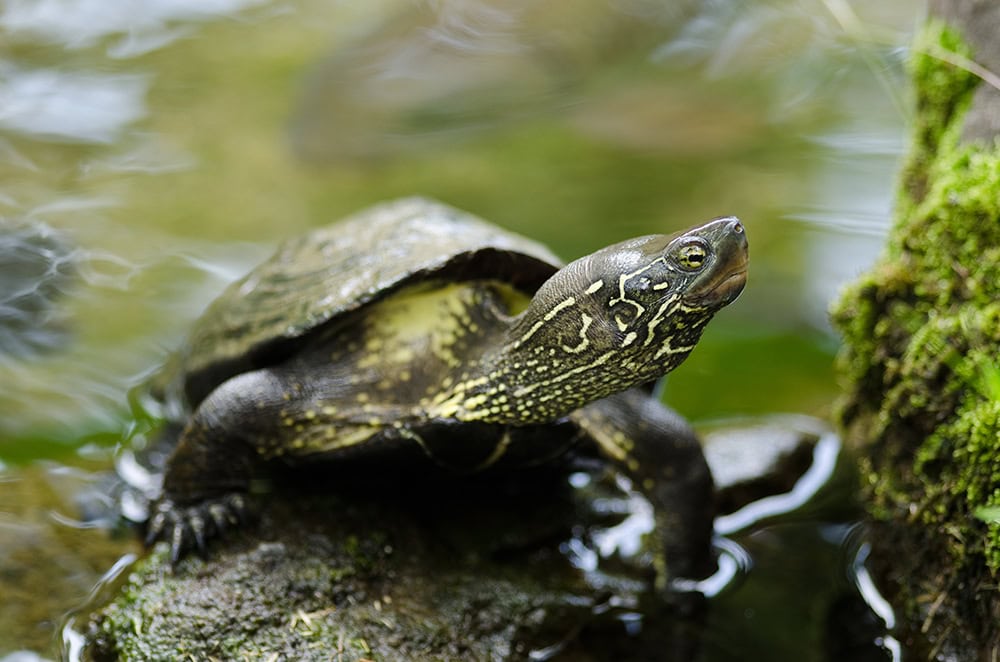
Your pet turtle’s health begins with proper nutrition. Most turtles are omnivores, meaning they eat a diet of plants and animals, such as fish, snails, worms, insects, dandelions, collards, and mustard greens. You can also feed them cooked chicken, beef, or turkey to keep them from getting bored with the food. If you feed insects like moths and crickets, ensure they come from a pet store for safety and quality.
However, before you proceed with a diet plan for your turtle, ensure you know the species and their requirements, as some turtles, such as the Alligator Snapping Turtle, are carnivores, meaning they mostly eat meat and the flesh of other animals, and some turtles even require a strict vegetarian diet. Since most turtles are omnivores, we’ll focus on an appropriate diet specifically for them.
Pet stores sell commercial turtle pellets that provide adequate daily nutrients your turtle requires, but before settling on one, consult your veterinarian or reptile specialist about how much to feed daily, and a recommendation on a pellet type and brand.
How Often Should I Feed My Turtle?
Adult turtles should be fed once every day or two, while juveniles should be fed one to two times a day, although this can vary depending on the species of your turtle. A turtle is typically considered a juvenile between the ages of 1 and 5 years old. When they are actively growing, most turtles are predominantly carnivorous, as they need high levels of protein and calcium to support bone and muscle development, as well as helping their shell harden.

How to Properly Feed Your Turtle
First and foremost, the first thing you’ll need to determine is what species of turtle you have so you can plan a healthy diet. Once you know the species, you can formulate a diet plan. Omnivorous turtles, such as Painted Turtles, Red Sliders, and Pond Turtles, require a ratio of approximately 50% plant material, 25% pellets, and 25% live protein.
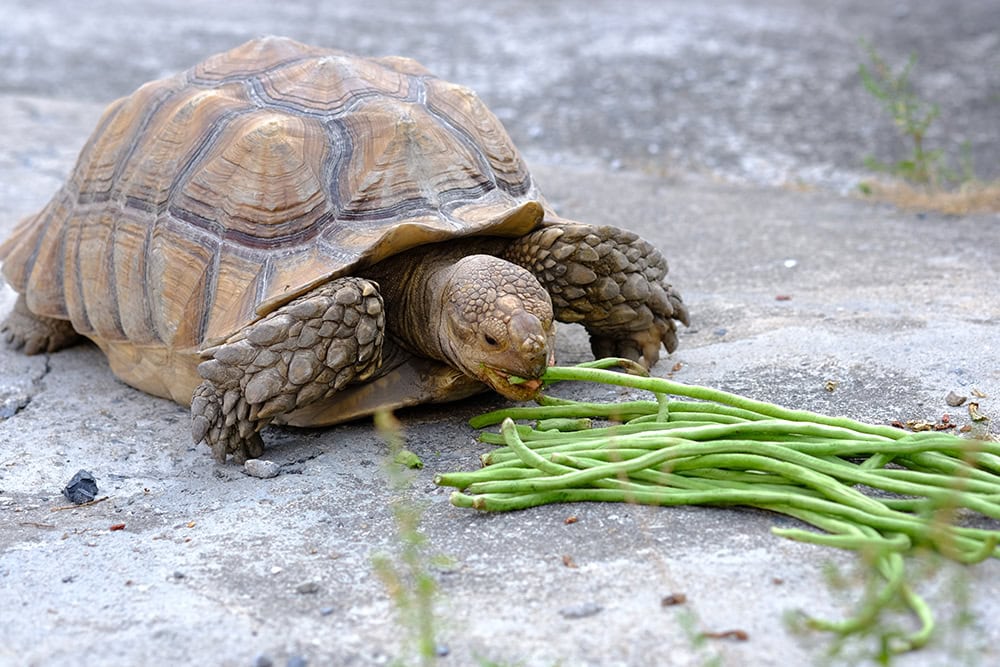
Bear in mind that treats like fruit are fine to give occasionally, but should never exceed more than 5% of their regular diet. Treats include foods like berries, melons, bananas, and apples.
A typical diet consists of the following:
You should consult your veterinarian to see if your turtle requires vitamin and calcium supplements sprinkled into their food. Vitamin A is important for maintaining the functions and integrity of the skin, ears, mouth, mucous membranes, and eyes, and calcium is important for proper shell, bone, and muscular function. If your turtle is not receiving the proper amounts of these nutrients, health issues could arise.

How to Tell Your Turtle Is Fat or Overweight
Now that we’ve discussed how to properly feed your turtle based on the species, it’s time to determine if your turtle is overweight. A telltale sign is fat protruding from the armpits, the front part of the back legs, and the neck. When this happens, turtles can essentially get “locked out” of their shell, meaning they are too fat to retreat inside the shell. A turtle must be able to retract its head and extremities inside the shell because it provides protection against predators and serves as a way to hunt for food.
How Do I Help My Turtle Lose Excessive Weight?
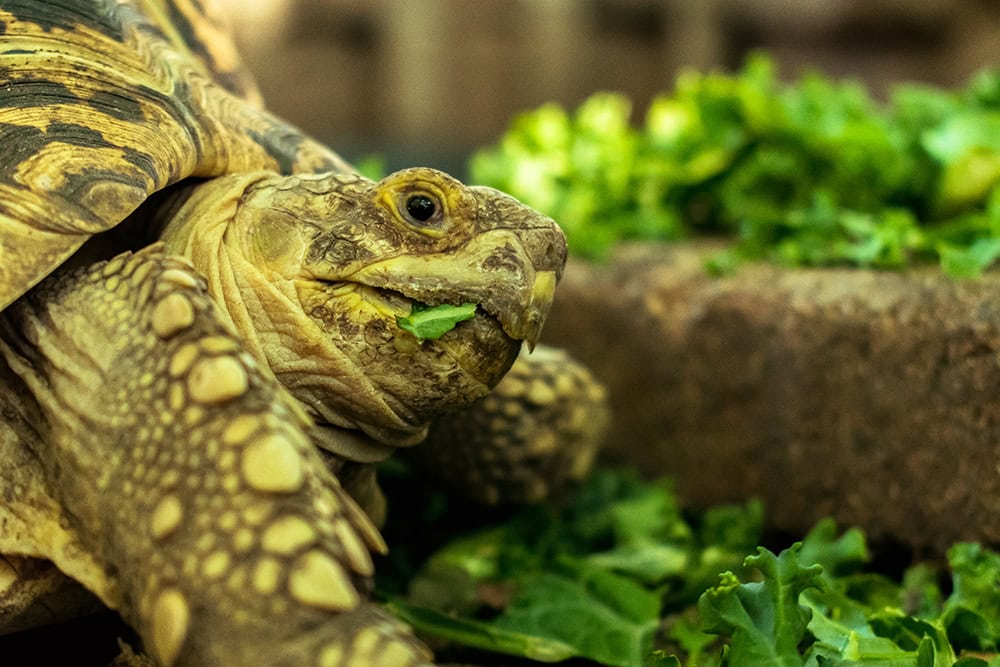
Ensure your turtle has adequate vertical and horizontal space to move around, and providing obstacles, tunnels and other items, both in and out of the water, will encourage movement as well as environmental enrichment. Although treats should be avoided if your turtle is overweight, hiding high value treats in small amounts to encourage them to explore their terrain looking for a delicious morsel of meat or fruit is a great way to help them burn some calories. Providing live fish, such as guppies and goldfish, is also a terrific way to encourage exercise, as your turtle will have to catch its dinner.
We’ve mentioned how important vitamin A is for turtles, and feeding shredded carrots, peppers, and sweet potato is an excellent way to promote weight loss.
Most importantly, if you suspect your turtle is overweight, we advise you to take him to the vet for an examination, in case there are any other health issues going on. Your vet can also guide you in the right direction for proper nutrition and how to provide adequate exercise.
Final Thoughts
Odds are you will never come across an obese turtle in the wild, but it’s not uncommon in pet turtles. When you own a pet turtle, it’s imperative to learn how to properly care for your pet, and that means providing an appropriate diet and giving your turtle room for exercise.
Remember, they can only eat too much if we feed them too much, too often, or the wrong foods. And they can only exercise if we give them the space they need to do it.
Featured Image Credit: Debra Anderson, Shutterstock
Get Hepper In Your Inbox


Pet care tips from our vets and experts, straight to your inbox.
You may opt-out at any time. View our Privacy Policy for more information.
Rachel Giordano is a writer and musician out of Pensacola, Florida, living there with her partner and their two dogs, Aero, a Border Collie/Sheltie mix, and Sophie, a Boston Terrier. Rachel has a Bachelor of Arts degree in communication and enjoys writing about all types of animals. When Rachel’s not dedicating her time to writing about animals, she enjoys writing thriller/suspense novels. A writer by day and a musician by night, she's passionate about educating the public about the requirements and needs of all types of animals.
Join the conversation
Ask a question, share your story, or send private feedback.