Hepper is reader-supported. When you buy via links on our site, we may earn an affiliate commission at no cost to you. Learn more.
Can Turtles Eat Cat Food? Vet-Reviewed Nutritional Science & Advice


In this article
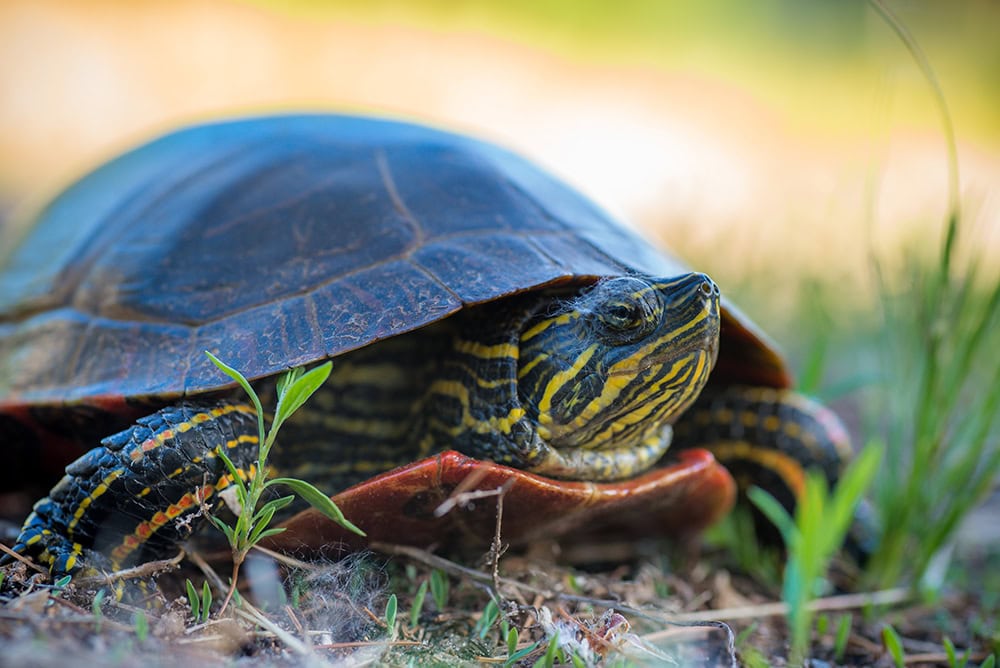
Many households have reptiles as pets, including turtles. They are probably one of the most recognizable animals, best known for their shells. Several freshwater turtle species are kept as pets.
Depending on their species, turtles may consume various foods in the wild, ranging from vegetation and fruits to earthworms to mollusks in the wild. That can make having them as pets challenging when it comes to ensuring a complete and balanced diet.
Commercial turtle food products exist that are often considered acceptable substitutes. However, cat food isn’t one of them, so you can't feed cat food to your turtle as it usually contains nutrients or ingredients that are not in line with most turtles’ nutritional requirements. Several factors exclude it from being a nutritious alternative to other food sources. Let’s begin with some biology.

Nutritional Needs of Turtles Versus Cats
Turtle Nutrition
Broadly speaking, turtles that are kept as pets are first divided into categories of being carnivores, omnivores, or herbivores. Within these categories though, individual species of turtles have very distinct characteristics and therefore, have very distinct nutritional requirements.
The common factor in turtle nutrition is that all pet turtles require water, food, and some essential nutrients (these are nutrients that their bodies cannot make on their own). However, for most species of turtles, precise nutritional requirements haven’t been determined.
Part of the reason why things are this way is because turtles are cold-blooded animals. Therefore, their metabolism is affected by the temperature of their environment. Therefore, estimations of energy requirements can only be made with the temperature being factored in. As the temperature increases, the nutritional requirements of a pet turtle will increase and therefore, their nutritional needs will increase. Likewise, as the temperature drops, their metabolism will slow down, and by proxy, their nutritional needs will decrease as well.
Nonetheless, estimations of a turtle’s standard metabolic rate at various temperatures have been conducted, therefore, most vets are able to provide nutritional guidelines for turtles. However, generic guidelines do not apply to all turtles, and it’s important to seek advice from your veterinarian that caters to your pet’s unique needs.
Protein is very important for growing turtles, and likely the reason why one might be curious about incorporating cat food into a turtle’s diet in the first place. It is estimated that juvenile turtles usually require anywhere from 45 - 55% protein in their diet. However, this should also be accompanied by a diet that contains under 15% fat - otherwise, the high amounts of protein will likely lead to an obese pet or issues with proper shell formation and development (they may end up with a pyramid-like shell, which can lead to health issues later in life). To prevent overnutrition, most veterinarian nutritionists recommend protein at around 25% for a young, healthy turtle.
Feline Nutrition
In the US, the FDA regulates domestic cat nutrition with guidance from the Association of American Feed Control Officials (AAFCO). This system allows us to evaluate cat food from the perspective of the nutritional needs of turtles. Felines are obligate carnivores. That doesn’t change with the breed or life stage. The fact that we’re discussing mammals versus reptiles is another valid clue.
Adult cats should get a minimum of 26% protein and 9% fat. Fiber doesn’t figure prominently in their diets.The requirements of kittens, pregnant cats, and lactating queens are higher. Please note that these are minimal requirements, and cats can easily handle diets that have a higher protein and fat rating.
This information tells us that the nutritional needs of turtles and cats vary. That’s reflected in their dietary requirements and in the commercial foods each animal gets. Suffice it to say, cat food is intended for cats, and therefore, not suitable for turtles in most circumstances.
Problems With Cat Food
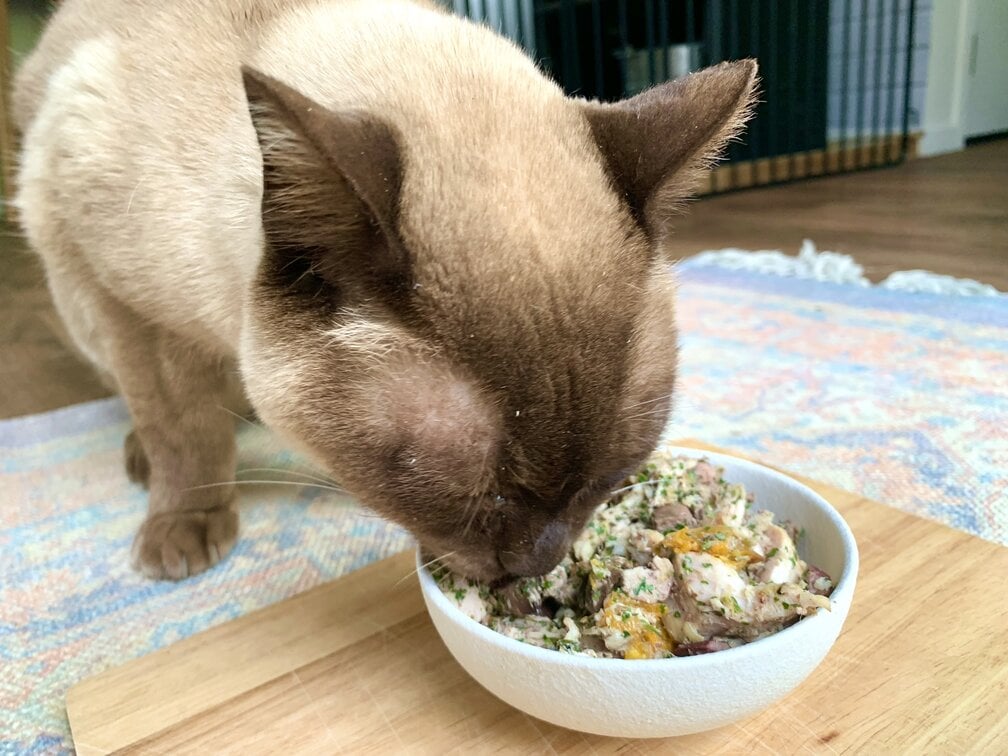
We must preface our discussion by saying that commercial cat food is perfectly acceptable and nutritious for your cat—but turtles aren’t felines. The protein and fat content of most cat food is considered excessive for turtles.
On an ingredient by ingredient basis, most of what’s in cat food is likely not toxic for turtles and in fact, some food items can be safely consumed by both species. However, the recipe of a food is what makes cat food unhealthy for turtles in most cases. Manufacturers have nutritionists on staff, ensuring their products meet the nutritional needs of the animals for which they are intended.
The other issue has nothing to do with food but, instead, rests with behavior. Many reptiles need the stimulation of having live prey in their habitat. While turtles aren’t the fastest creatures on the planet, a slider would probably like the challenge of chasing feeder insects in a tank. That’s particularly true with reptiles that haven’t been in captivity for long. They may not recognize cat food as something to eat; however, they might if you feed them pellets.
The Best Diet for Turtles
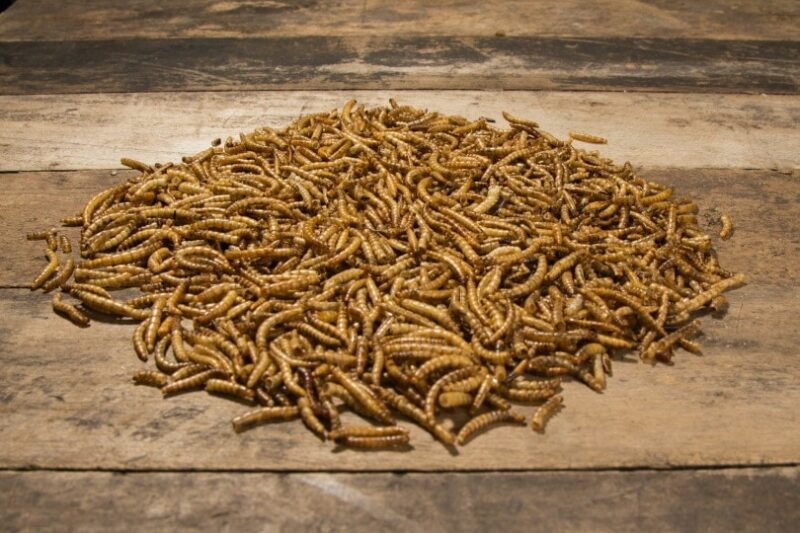
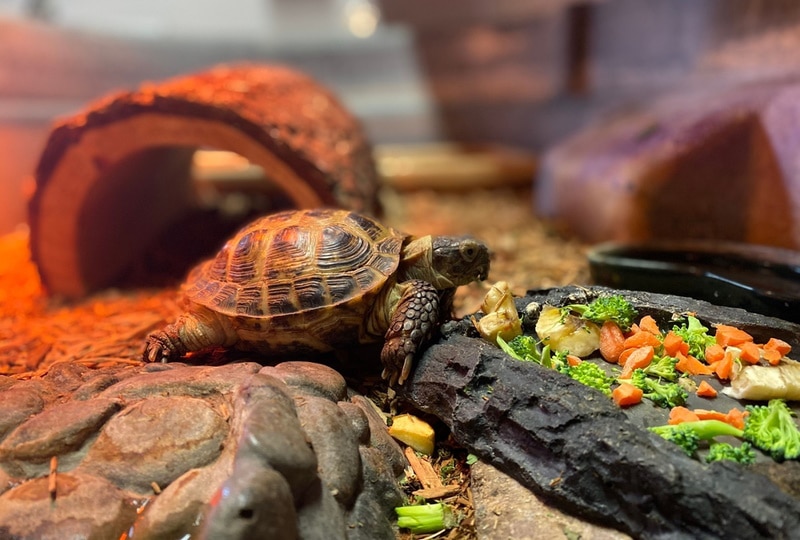
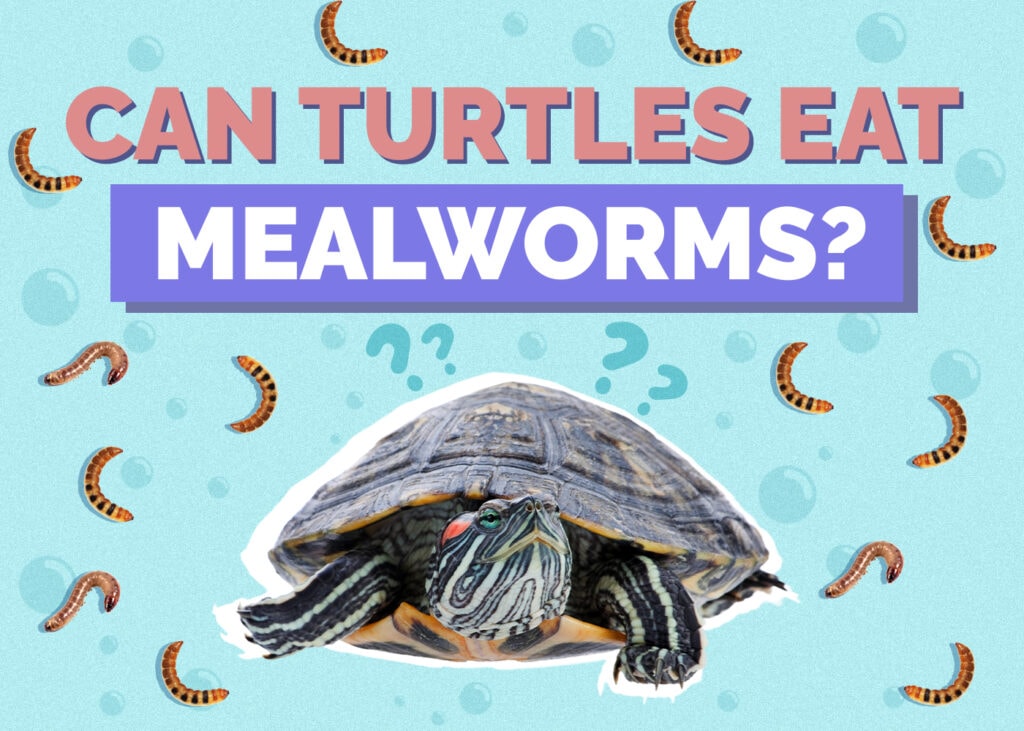
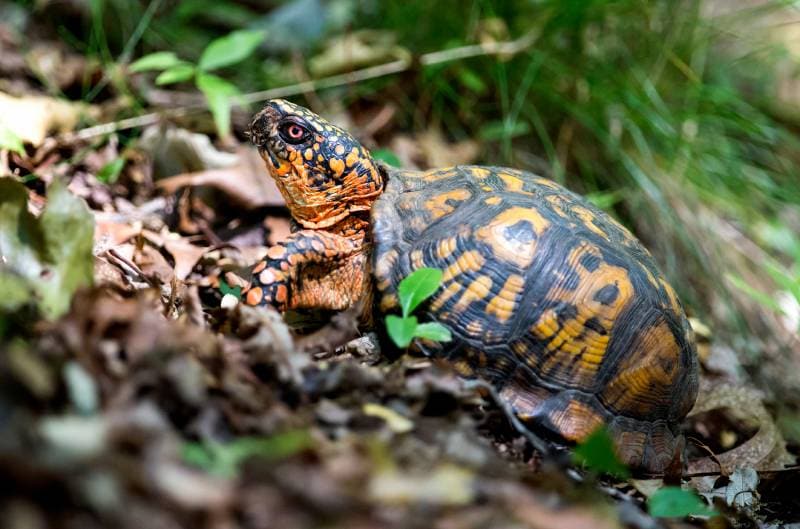
The best diet for turtles replicates what they would eat in the wild, particularly regarding the variety. Of the turtles kept as pets, box turtles eat a broad range of items. You can offer your pet a similar smorgasbord of choices, including bell peppers, watercress, bok choy, and alfalfa hay. You can get your turtle crickets, mealworms, hard-boiled egg, or earthworms to satisfy their protein needs. However, it is very important to consult a veterinarian before adding any food item in your turtle’s diet. As mentioned above, their nutritional needs are very unique and factor in many aspects of their current life stage and enclosure design.

Final Thoughts
While cat food is not likely inherently toxic for your turtle, it isn’t the best choice for a dietary staple because of its high fat and protein content. Mammals and reptiles have different nutrient requirements that this commercial product cannot meet. You should consult your veterinarian before deciding which food items you wish to add to your turtle’s diet.
Related Read: Do Turtles Eat Goldfish?
Sources
Featured Image Credit: Africa Studio, Shutterstock
Get Hepper In Your Inbox


Pet care tips from our vets and experts, straight to your inbox.
You may opt-out at any time. View our Privacy Policy for more information.
Chris is an experienced pet writer specializing in science topics, with a particular passion for health and the environment. She has been a writer for over 15 years and lives with her husband and three cats in Michigan.
Beyond writing about cats and dogs, Chris loves to learn about wine. She has WSET 1 and 2 certifications and is currently pursuing her Certified Wine Specialist Award (CSW).
Join the conversation
Ask a question, share your story, or send private feedback.