Hepper is reader-supported. When you buy via links on our site, we may earn an affiliate commission at no cost to you. Learn more.
Can Turtles Eat Celery? Vet-Reviewed Nutritional Facts & FAQ


Taking care of a pet turtle can be great fun, but it is also a big responsibility. It’s our job to make sure our turtles get the nutrition that they need for long and healthy lives, so we must know what to feed them as time goes on. If you’re like most turtle owners, you likely have questions about feeding your pet, such as whether celery can be a part of their diet.
The short answer is yes, you can feed celery to your turtle. However, it should be offered only occasionally as a filler food because it doesn’t provide the nutrition that a turtle needs to thrive. Here’s more on the topic!

What Is a Healthy Turtle Diet?
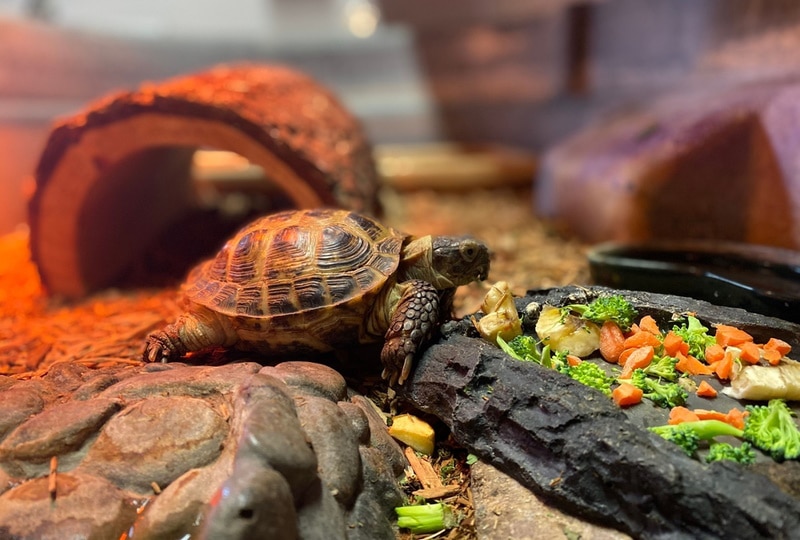
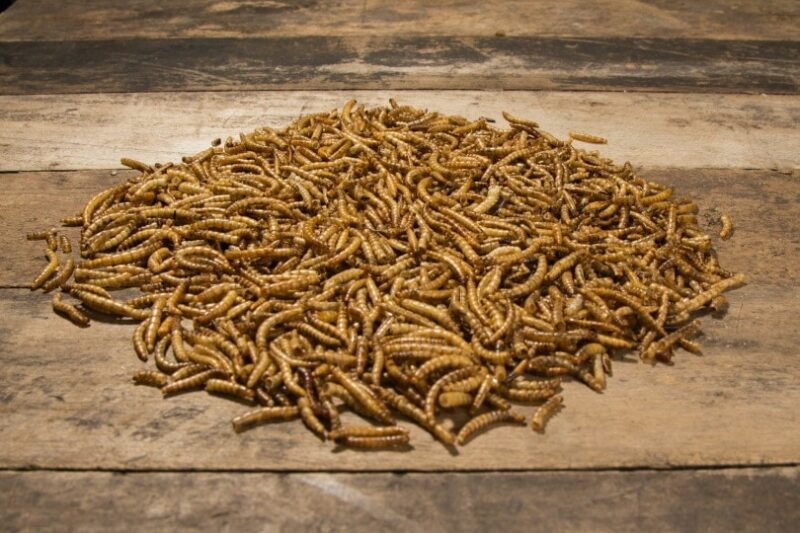
Turtles are omnivores, so they are known to eat a variety of different foods in the wild, such as fish, snails, worms, insects, and vegetation. The closer that you can mimic your turtle’s natural diet, the healthier they are bound to be as they age. Everything that you need to provide them with a well-rounded diet can be found in stores. Here’s what your turtle should be eating:
Let your veterinarian know exactly what you are feeding your turtle, and find out whether they recommend any supplements. They may prescribe the supplements or provide you with a list of acceptable over-the-counter options to consider.

How Does Celery Play Into a Turtle’s Diet?
Celery does not have to play into a turtle’s diet. In fact, it should be avoided unless all your turtle’s nutritional needs are already being met. While celery is not inherently bad for turtles and can be offered up as an occasional snack, this veggie is predominantly made up of water. This does not help meet a turtle’s nutritional needs. Celery is also low in vital vitamins and minerals and doesn’t have enough fiber to ensure proper digestion. Here’s a nutritional snapshot:
| Serving Size: | 1 Medium Celery Stalk |
| Calories | 5.6 |
| Fiber | .6 g |
| Protein | .3 g |
| Carbohydrates | 1.2 g |
| Phosphorus | 9.6 g |
| Vitamin A | 8.8 mcg |
| Vitamin K | 11.7 mcg |
Celery does contain small amounts of nutrients, but even if eaten in large quantities, it does not contain nearly enough to sustain the good health of any turtle, no matter their age, activity level, or food preferences. Celery should be offered as nothing more than an occasional snack for fun and variety if it's offered at all.

How Should Celery Be Prepared for a Turtle?
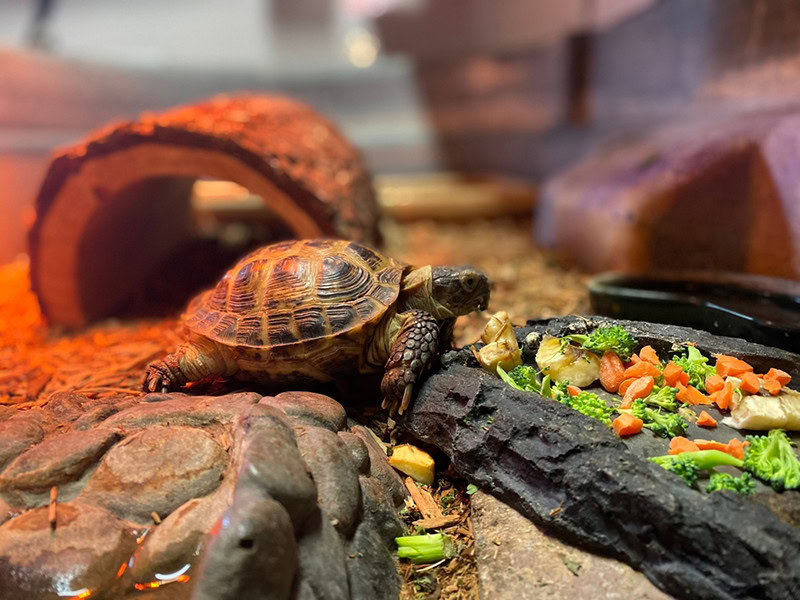
If you do decide to feed celery to your turtle, check with your veterinarian first, just to be safe. If you get the go-ahead, simply cut a small stalk of celery into bite-sized pieces that are easy to chew. Add the celery to a bowl of dark leafy greens and other nutrition-packed veggies and fruits, or offer a piece on its own as a special treat. There is no need for any special preparation techniques.
Are There Other Fruits and Veggies That Are More Appropriate for Turtles?
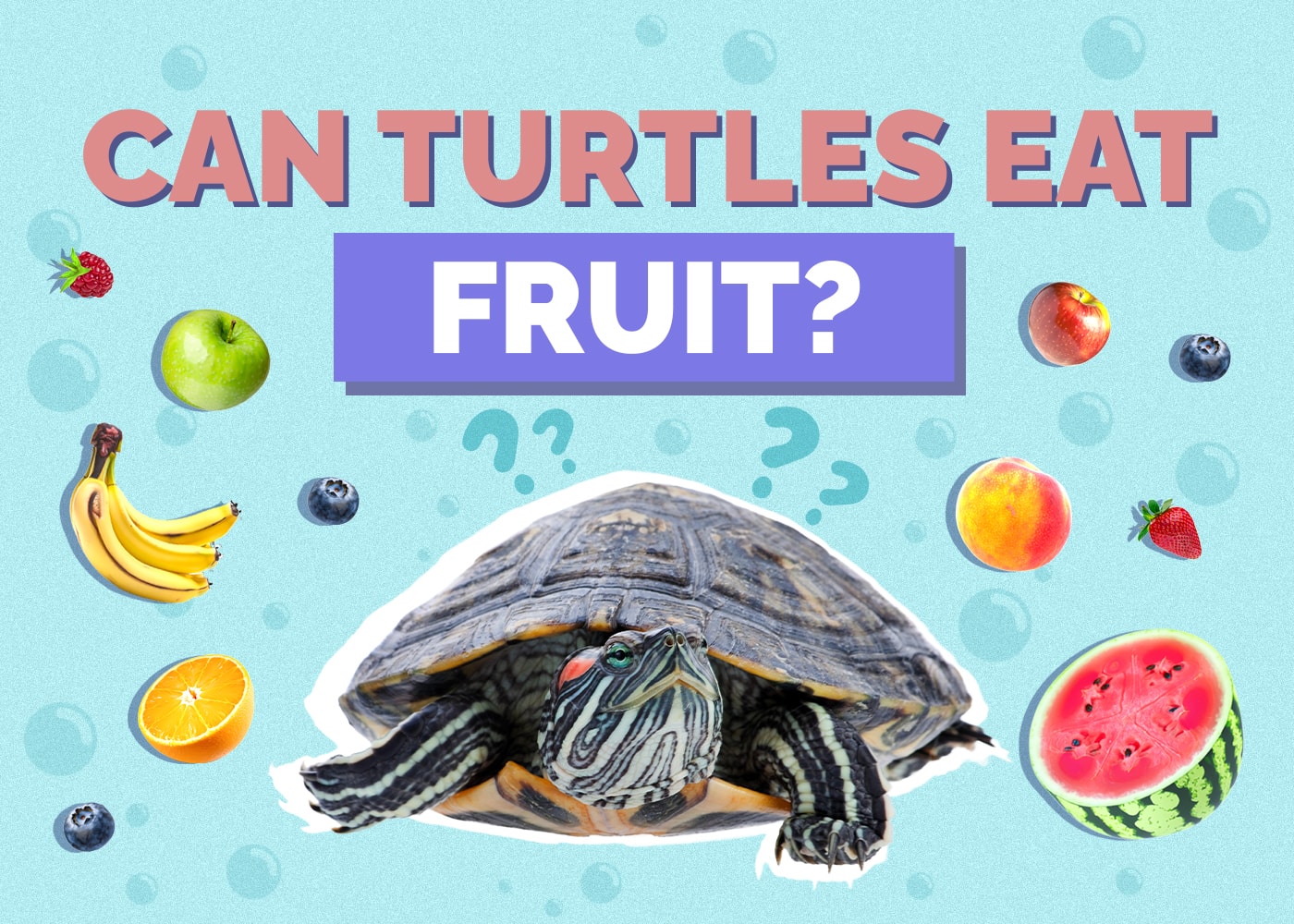
Celery may not be the best food option for your pet turtle, but there are plenty of great foods to choose from that will help keep your turtle healthy. The key is to offer a varied diet by mixing and matching different fruits and veggies in each meal throughout the week. Nutritious options that your turtle is sure to love include:
- Kale
- Spinach
- Romaine
- Broccoli
- Carrots
- Beets
- Sweet potatoes
- Melons
- Apples
- Grapes
- Berries
- Tomatoes
- Peaches
- Bananas
Any fruit or vegetable that you feed your turtle should be cut into small pieces that are easy for them to grab in one bite. If the pieces are too large, they may not be able to eat them, and their nutrition could suffer as a result.

Final Thoughts
Turtles can eat a wide variety of different foods to meet their nutritional needs, but celery is not the best option as part of a regular turtle diet. Fortunately, it doesn’t have any compounds that are toxic to turtles, so if your pet enjoys this food, you can offer it as an occasional snack. However, it should never make up any significant amount of their diet overall.
Sources
Featured Image Credit: Sakoodter Stocker, Shutterstock
Get Hepper In Your Inbox


Pet care tips from our vets and experts, straight to your inbox.
You may opt-out at any time. View our Privacy Policy for more information.
Rachael has been a freelance writer since 2000, in which time she has had an opportunity to research and write about many different topics while working to master the art of fusing high-quality content with effective content marketing strategies. She lives off the grid in Hawaii with her husband, her garden, and her rescue animals including 5 dogs, a cat, a goat, and dozens of chickens. She is an artist at heart and loves to read, paint, and make jewelry in her spare time. As a vegan, Rachael is obsessed with helping animals in need both in her community and anywhere in the world where she feels she can make a difference. Animals also happen to be her favorite topic to write about!
Join the conversation
Ask a question, share your story, or send private feedback.