Hepper is reader-supported. When you buy via links on our site, we may earn an affiliate commission at no cost to you. Learn more.
Can Turtles Eat Mealworms? Vet-Reviewed Nutritional Facts & Feeding Advice


In this article
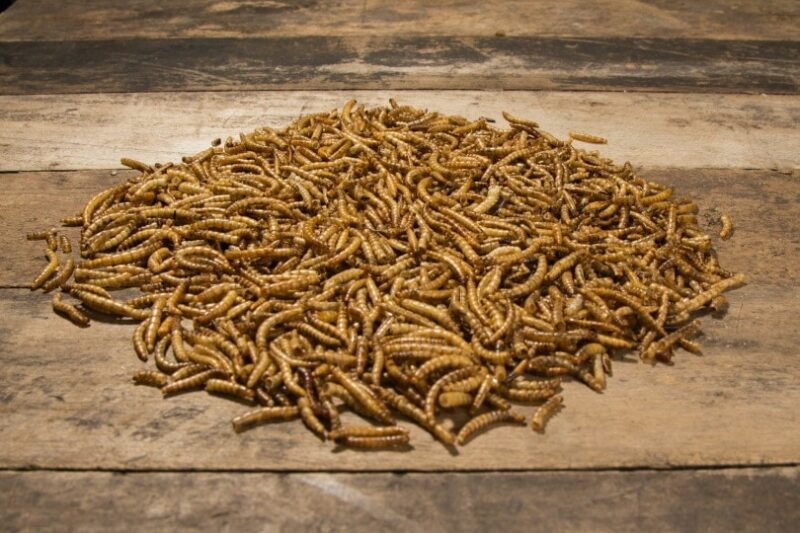
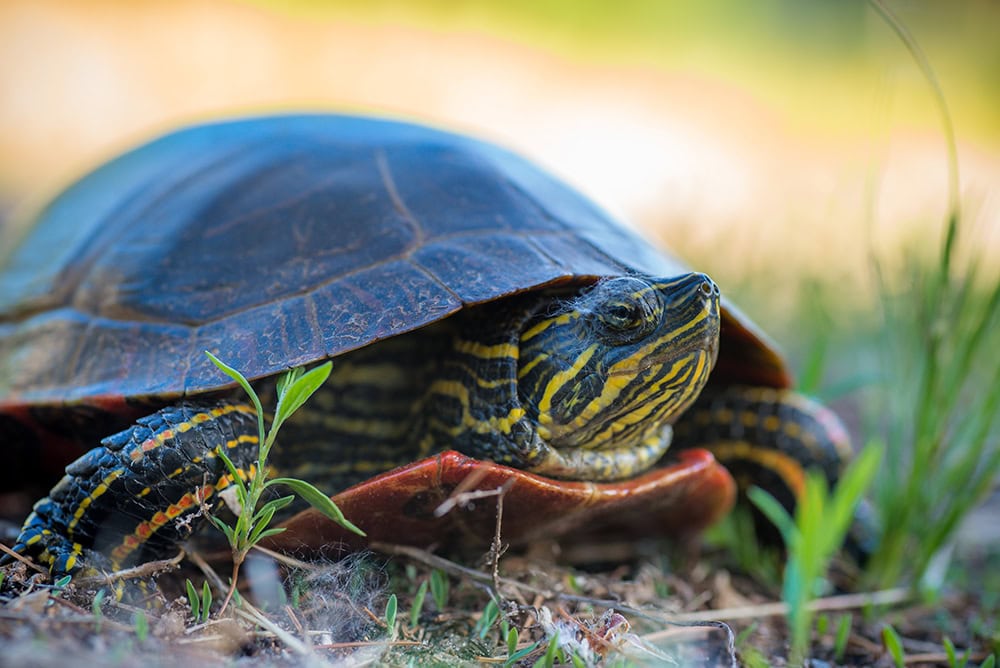
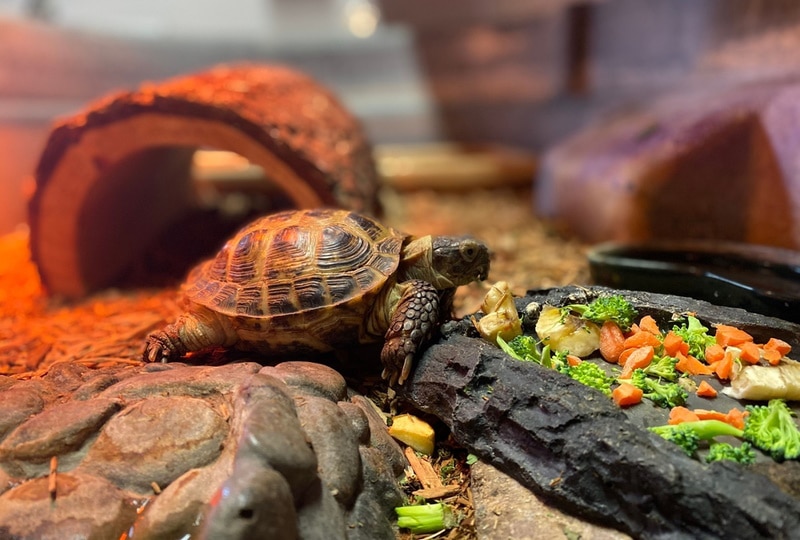
Pet turtles consume a variety of turtle pellets, vegetables, and live food. Some species can even enjoy the occasional piece of fruit for a treat. But you might be wondering if turtles can specifically eat mealworms, and the answer is most omnivorous and carnivorous turtles are likely able to safely consume mealworms in moderation. Turtles can enjoy mealworms live and dried. We’ll discuss what mealworms are and how you would serve this larva to your turtle.

What Are Mealworms?
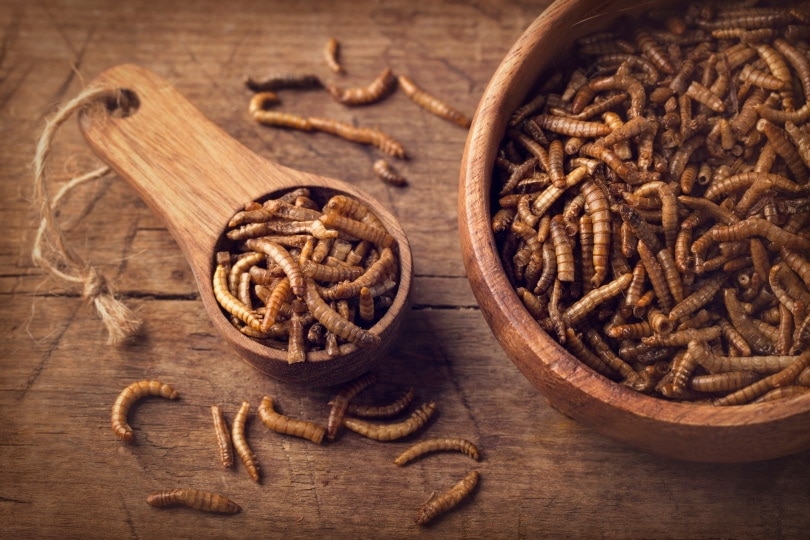
A mealworm is the larval form of a mealworm beetle, which is part of the darkling beetle species. The beetles go through four life phases: egg, larva, pupa, and eventually adult.
Mealworms can be served to reptiles, fish, and birds and are generally valued for being high in protein.
You can get mealworms live or dried for your turtle, and both have different protein, fat, and fiber values, meaning if you add mealworms to your turtle’s diet, you will have to account for that so you don't overfeed them. Overfeeding your turtle can lead to dangerous conditions like obesity and fatty liver disease (hepatic lipidosis).1 Before feeding your turtle mealworms, it is best to “gut-load” them to maximize their nutritional yield, particularly for calcium.
Important
What Is Gut Loading?
When you buy insects from pet stores, they’re sourced from breeders who produce large quantities as quickly as possible, so they generally lack the proper nutrition your turtle needs to thrive. To increase their nutritional value, you can feed them nutritious food for about 24–48 hours before feeding them to your turtle. This is called gut loading.
If you are under a time constraint and need to feed your turtle sooner, you can always dust the mealworms with the minerals and vitamins they lack. Generally, insects are inherently low in calcium, which is incredibly important for reptiles kept as pets.
Ways Your Turtle Can Enjoy Mealworms
While turtles will enjoy live or dried mealworms, live worms are easy to feed and add moisture to your turtle’s diet. It’s also more entertaining for your turtle to go after live mealworms than dried ones. This can contribute towards your turtle’s enrichment.
You will have to keep the mealworms in a tub that has good ventilation, and it’s recommended that you always gut load them before feeding them to your turtle.
The Risks of Overfeeding
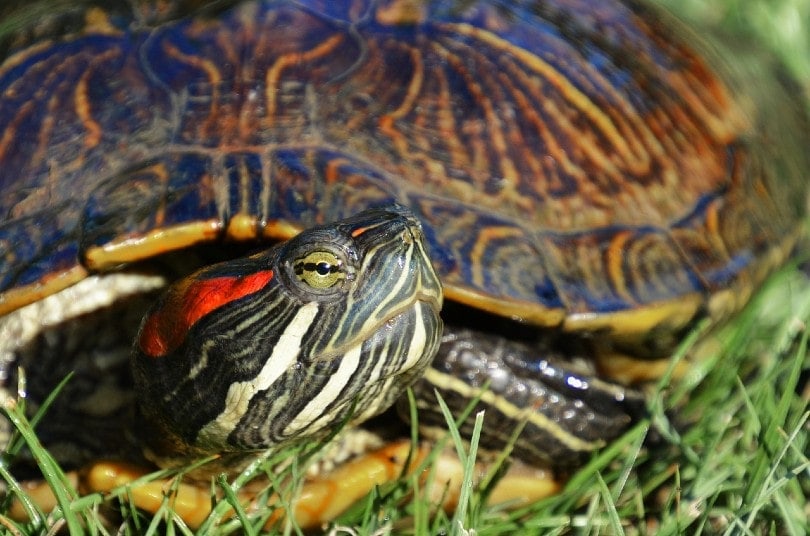
While mealworms are incredibly nutrient-dense, this is also their downside. Overfeeding a turtle is just as detrimental to their health as underfeeding them. If turtles are fed too much, their shell tends to appear like a pyramid or cone, a phenomenon known as shell pyramiding.
Contrary to popular belief, a shell with such an appearance isn’t more robust. Instead, it adds to the metabolic stress (as the turtle has to carry it everywhere), and can exert pressure on their lungs, which lie just underneath their shells. Over some time, this can lead to weakened muscles and poor lung function, which may spiral into other health issues.
How Often Do You Feed a Turtle?
If you are unsure how to work out how much your turtle should be getting and how to factor extra servings like live insects into their recommended pellet intake, ask your vet for advice. The answer will depend on a few factors, like their species, size, and age; smaller or younger turtles will eat more frequently than adults or turtles that are brumating.
Final Thoughts
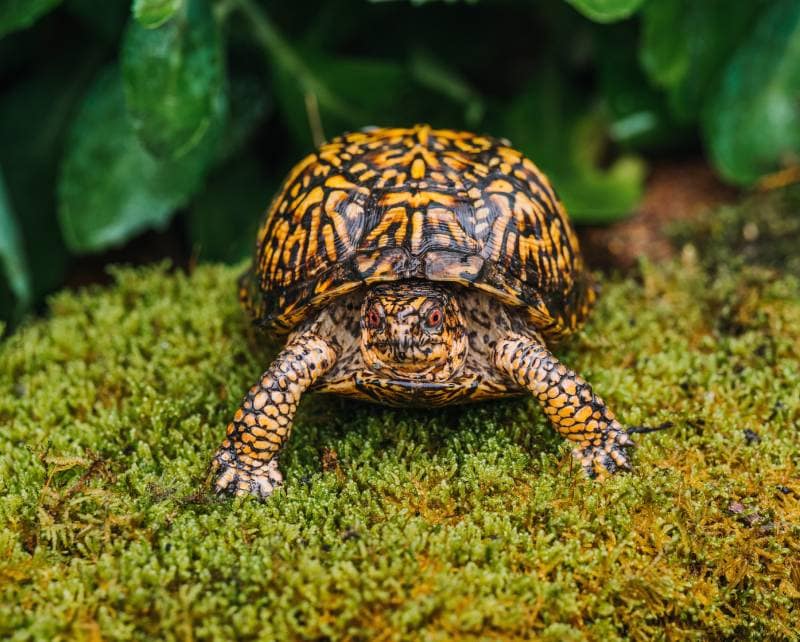
Most species of turtles can eat mealworms since they are considered a healthy, protein-rich source of energy that they will also really like the taste of. However, it is easy to overfeed any pet if you aren’t paying attention, so make sure you work out how much your turtle should be eating, and your vet can help.
Mealworms and other insects should only comprise a small fraction of most adult turtles’ diets, but your species may differ. Care must be taken when feeding mealworms since they are very nutrient-dense, and they will also need to be gut-loaded to ensure they contain the proper nutrition for your turtle.
Related Reads:
Sources
Featured Image Credit: Cat Hammon, Shutterstock
Get Hepper In Your Inbox


Pet care tips from our vets and experts, straight to your inbox.
You may opt-out at any time. View our Privacy Policy for more information.
Kerry-Ann lives in Scotland and wishes her garden was bigger so she could have her very own Highland cow. But her dogs probably wouldn’t like that very much. She has a La Chon called Harry who was poorly with a liver shunt when he was a puppy. It wasn't likely he would make it into adulthood, which was difficult, but he beat the odds and is a healthy old man now. She also has a Pug called Maddie who is a big foodie. She’s small, sassy, and every day she finds a new way to mess with her brother.
When she isn’t writing you can find Kerry-Ann going for long walks when the weather isn't bad, reading, or watching cartoons when she should be tidying her house. She would one day like to be a tourist in her own country and travel through the Highlands with her family.
Join the conversation
Ask a question, share your story, or send private feedback.