Hepper is reader-supported. When you buy via links on our site, we may earn an affiliate commission at no cost to you. Learn more.
Can Turtles Get High? Facts, Safety Tips & FAQ
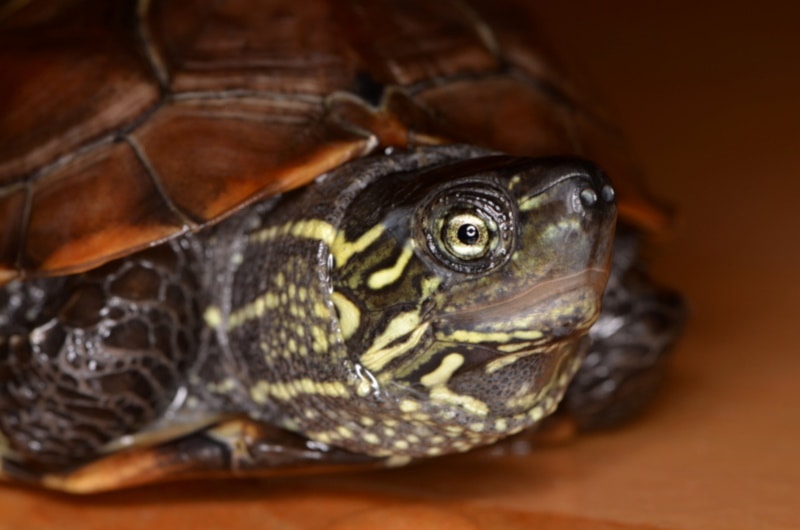
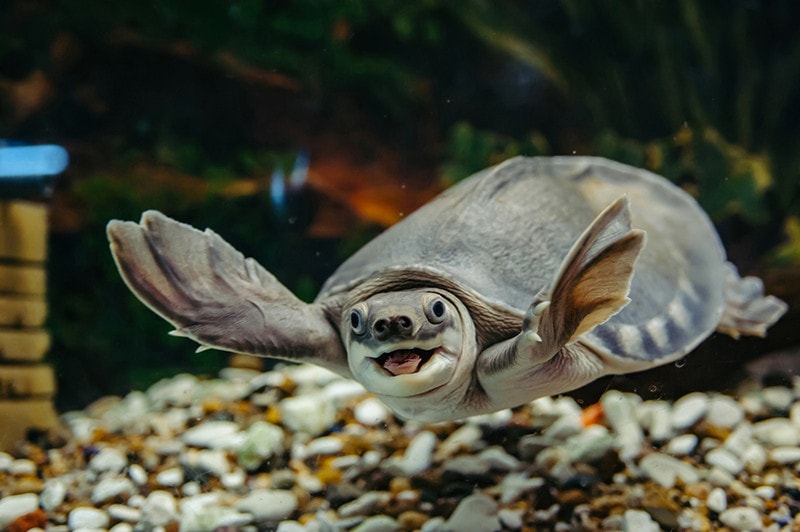
As medical and recreational marijuana is legalized in more and more states, the potential for our pets to be exposed also increases. If you’re a turtle owner, you might be wondering how marijuana could impact your pet. While it hasn't been proven that turtles can get high, they do have the same brain structures we do that allow us to feel the impacts of marijuana.
Keep reading to learn what the science says about whether turtles can get high and the potentially harmful effects of marijuana on these reptiles.

What Does the Science Say About Whether Turtles Can Get High?
Humans experience the effects of marijuana or “get high,” because of how a compound within the plant called THC impacts our brains. THC binds with two brain receptors, CB1 and CB2, producing euphoria and other signs of marijuana intoxication.
CB1 and CB2 are also found in birds, mammals, fish, and reptiles1. That means that turtles have the potential to get high based simply on basic anatomy. However, we don’t have evidence or studies that conclusively prove it can happen2.
Part of that may be because there just aren’t many cases of marijuana toxicity that occur in animals other than dogs and cats. Dogs and cats show signs of getting high but are also more sensitive to THC than humans. Scientists may suspect that turtles can get high based on the knowledge they do have, but it hasn’t been proven yet.
Can Turtles Get High from Jellyfish?
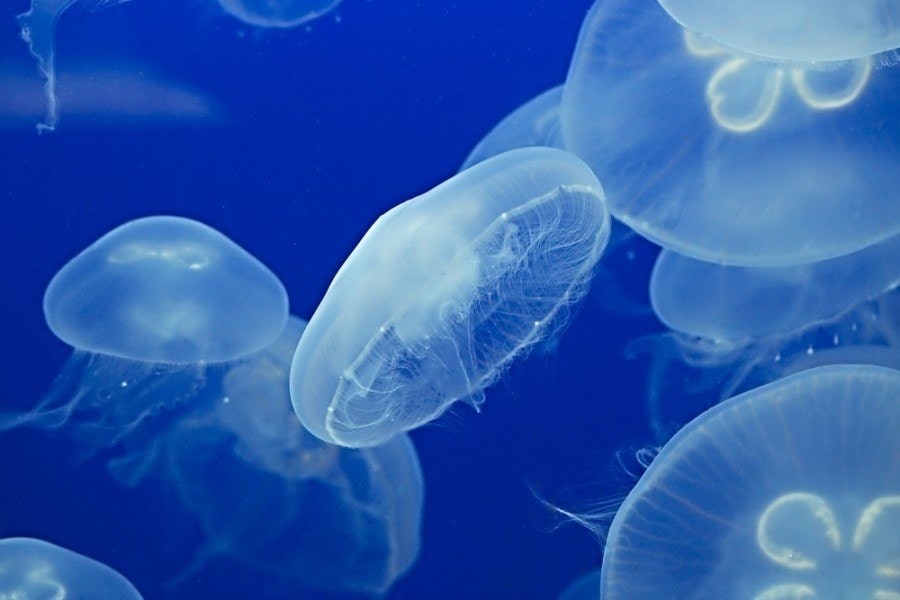
You may have seen or heard a rumor online that sea turtles can get high from eating jellyfish. The theory is that the jellyfish poison doesn’t hurt the turtle but geta them high. According to experts, that is a myth.
At least one sea turtle species regularly consumes jellyfish as part of their normal diet without ill effects. Jellyfish venom also contains no compounds that might produce a state of “being high.”
Is Marijuana Harmful to Turtles?
Secondhand smoke is known to cause harmful effects on animals as well as people. While less is known about the impacts of secondhand marijuana smoke, it contains similar harmful toxins as tobacco smoke. Inhaling secondhand marijuana smoke may also increase the levels of THC in the blood.
Ingesting marijuana is harmful to dogs and cats and produces signs such as depression, slow heart rate, vomiting, and trouble walking. Again, turtles have the potential for similar reactions based on their brain anatomy.
Keeping Your Turtle Safe from Marijuana
For safety, don’t smoke TCH products around your turtle. Wash your hands before handling your pet after using marijuana. Discard any used butts somewhere your turtle can’t find and eat them by accident.
Keep any edibles or other marijuana products out of reach of all pets, including turtles. If you’re concerned your pet may have eaten or breathed THC, contact your veterinarian.
Conclusion
Although turtles may be able to get high because their brains have the same THC receptors as humans, scientists haven’t proved it’s possible. We know the Internet rumors aren’t true: turtles don’t get high from eating jellyfish. Research into the harms and benefits of TCH and CBD on our pets is still limited. Based on what we know, it’s best to keep marijuana away from your turtle.
Sources
Featured Image Credit: Marek Velechovsky, Shutterstock
Get Hepper In Your Inbox


Pet care tips from our vets and experts, straight to your inbox.
You may opt-out at any time. View our Privacy Policy for more information.

A lifelong lover of all creatures great and small, Elizabeth got her first cat at 5 years old and at 14, she started working for her local veterinarian. After spending more than 20 years working as a veterinary nurse, Elizabeth decided to step away to become a stay-at-home parent to her daughter. Now, she is excited to share her knowledge with our pet parents. Elizabeth lives in Iowa with her family, including her two fur kids, Linnard, a husky mix and Algernon, the worldʻs most patient cat. When not writing, she enjoys reading, watching soccer, and spending time outdoors with her family.
Join the conversation
Ask a question, share your story, or send private feedback.