Hepper is reader-supported. When you buy via links on our site, we may earn an affiliate commission at no cost to you. Learn more.
Do Turtles Like to Be Pet or Held? Vet-Approved Facts & Tips


Turtles are a mysterious bunch, so reading them is no easy feat. One thing turtle owners swear by, though, is that turtles do have personalities and display a broad range of traits, such as excitement during mealtimes.
That said, one thing most turtles have in common is that they’re not keen on being held. Dive in to find out more about turtle handling.

Do Turtles Like to Be Picked Up?
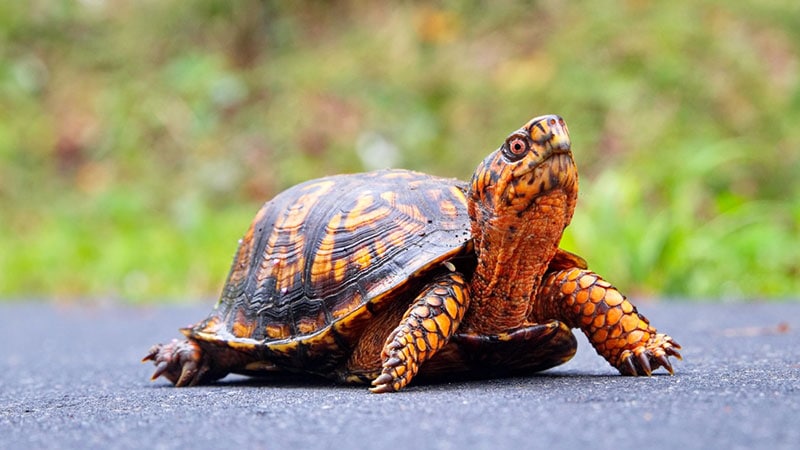
Generally, no. Turtles tend to find being picked up and held a stressful experience, and some won’t hesitate to let you know by kicking, scratching, or even biting when it happens. It’s also common for turtles to pee themselves when picked up. If you have a super chilled-out turtle, they may tolerate being picked up without much fuss, but being picked up is nonetheless stressful for turtles.
If you’re considering getting a turtle, it’s important to acknowledge and accept that turtles aren’t like mammal companion animals such as dogs or cats—they’re simply not wired for physical interaction in the same way.
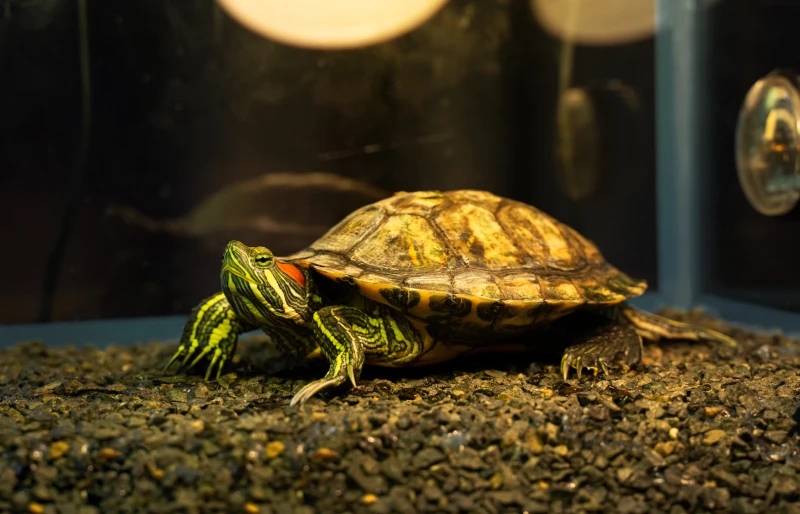
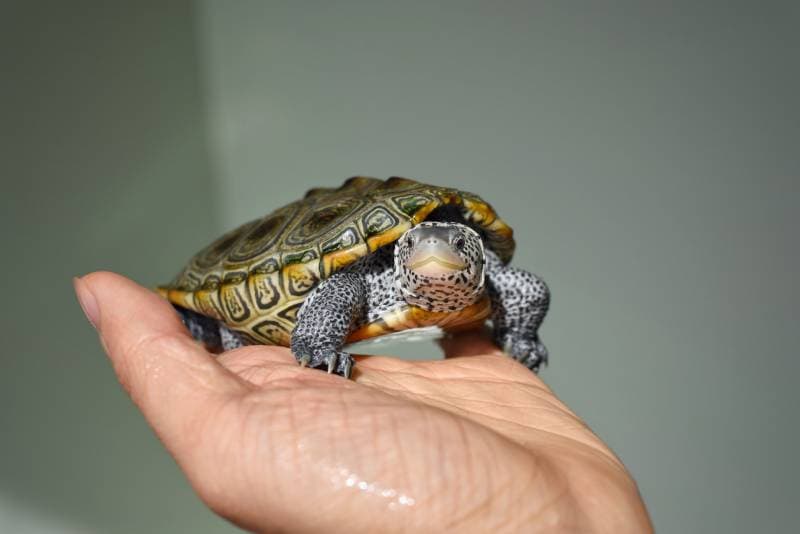
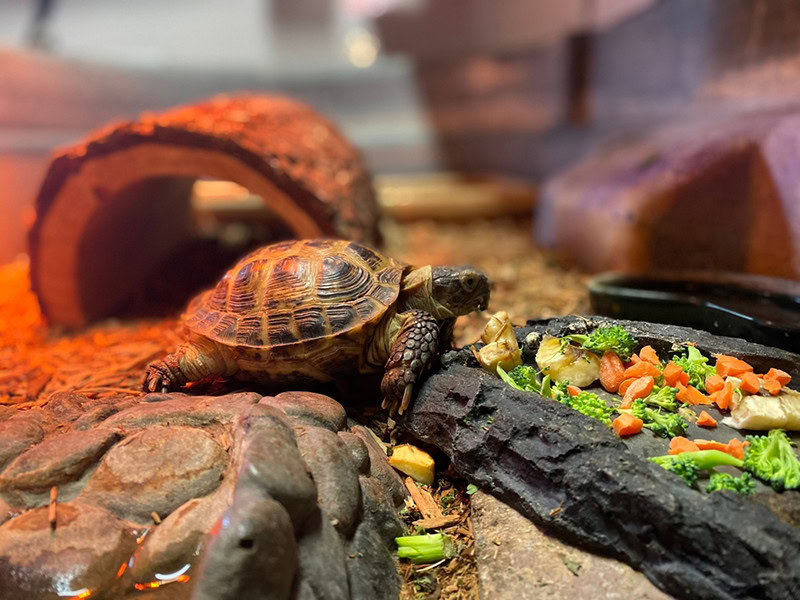
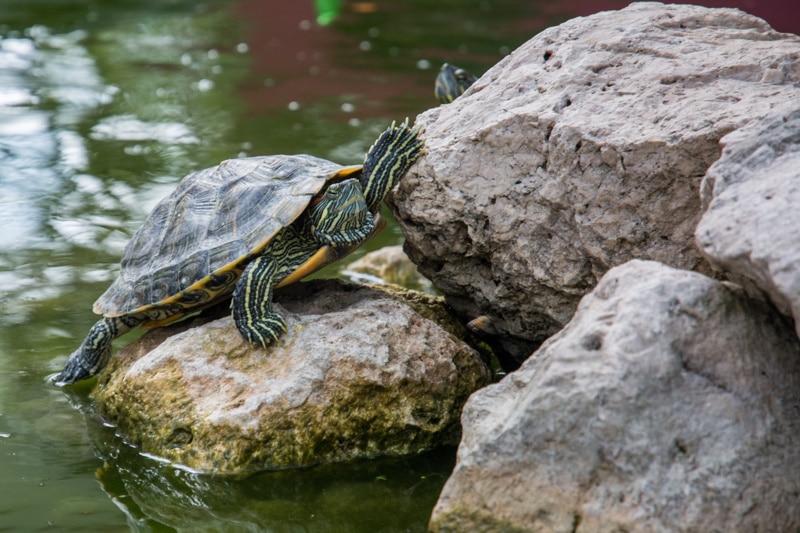
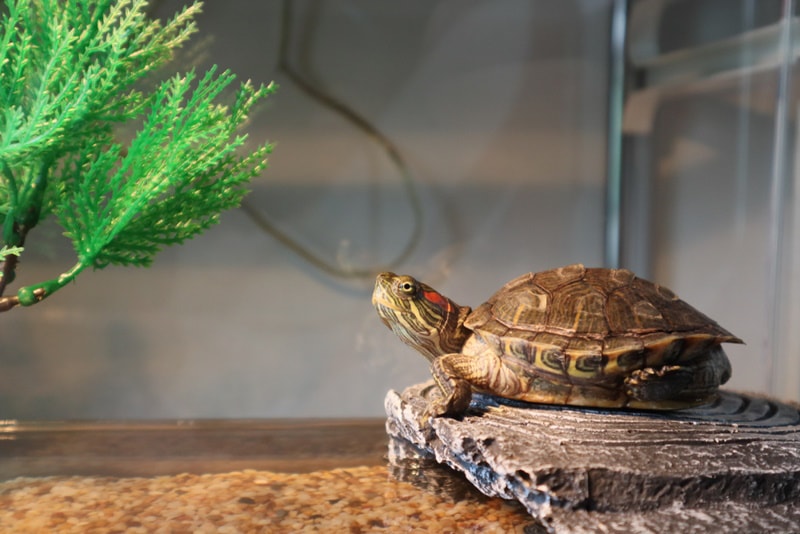
For one thing, aquatic turtles spend much of their time in the water and this is where they feel most comfortable. They do bask, of course, but this is another normal turtle behavior. It’s not a natural feeling for them to be picked up and held, so it’s best to only handle your turtle if you absolutely have to, for example, if you want to feed your turtle outside the aquarium.
Do Turtles Like to Be Petted?
Important: Never tap or knock on a turtle’s shell—they’re sensitive and can be damaged. Do not pet your turtle when they’re shedding their scutes.
If you touch a turtle’s shell, they’ll feel it due to the presence of nerve endings. Some, but not all, turtles become accustomed to being petted and anecdotally even seem to enjoy it.
To pet your turtle, it’s best to place them on a flat surface rather than holding them while you do so, as this will help them to feel safer. Gently stroke your turtle’s shell or make circular motions on it. If you prefer, you can use a soft-bristled brush like a toothbrush. If your turtle seems relaxed, you can continue, but if they seem stressed out, stop.
If you try to pet your turtle’s head, be sure to approach them slowly to avoid startling them. Gently touch the head but take care to not touch the eyes or nose. Your turtle may retreat into the shell or even toss their head with an open mouth. If this happens, it means they’re not comfortable having their head touched. Again, stop what you’re doing if the turtle shows signs of stress.
Some turtles will get used to being pet over time and with consistent handling, but others won’t take so kindly to it. If this is the case, don’t be too disheartened—even though turtles are kept as pets and can be fairly friendly toward their human friends, they aren’t domesticated animals and it can take a lot of time to earn their trust.
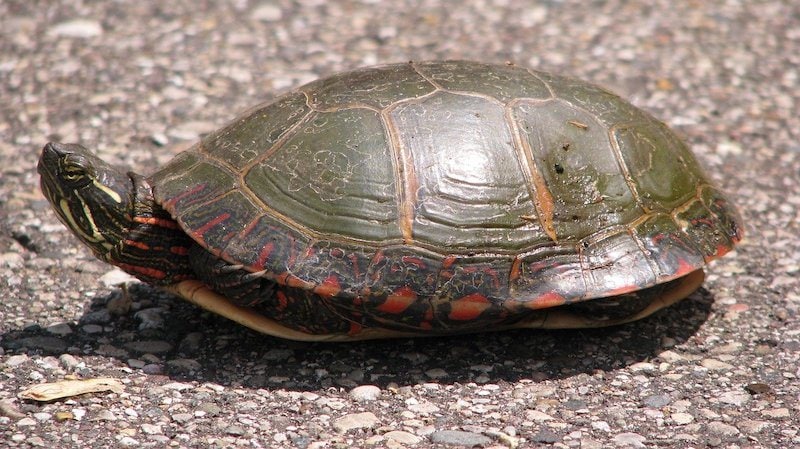
How to Pick Up a Turtle: 3 Expert Tips
If you’re not accustomed to picking up a turtle, here are some tips for making sure both of you stay safe:
Wash Your Hands
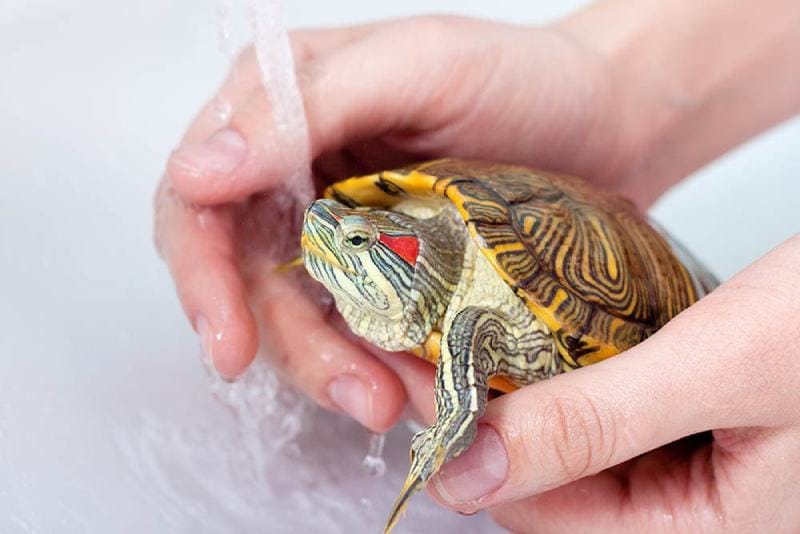
Wash your hands prior to and after handling your turtle—turtles can carry bacteria, such as Salmonella. In turn, humans can carry germs on their hands that could be introduced to the turtle’s habitat.
Support Your Turtle
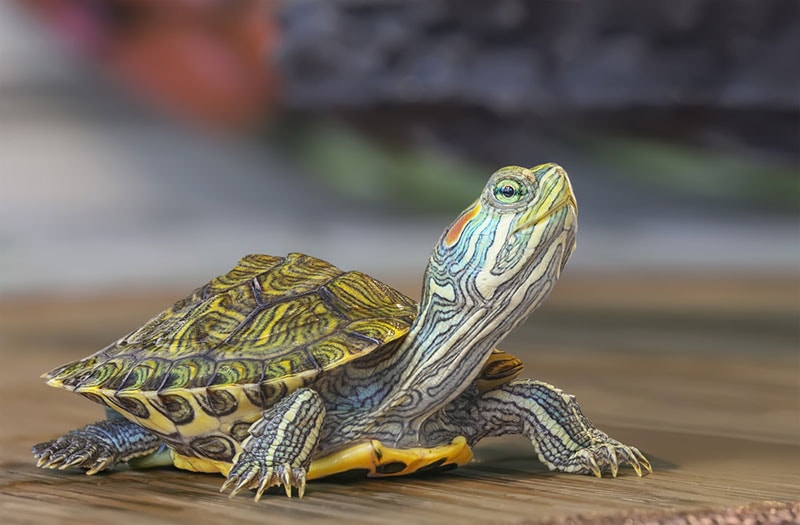
If your turtle is large, pick them up with both hands by holding onto both sides of the shell with your thumbs on the top of the shell and your fingers under the body. Aim for the middle of the turtle’s body, not the upper body or lower body, for good balance. Remember to reach from the back of your turtle rather than the front to avoid being bitten.
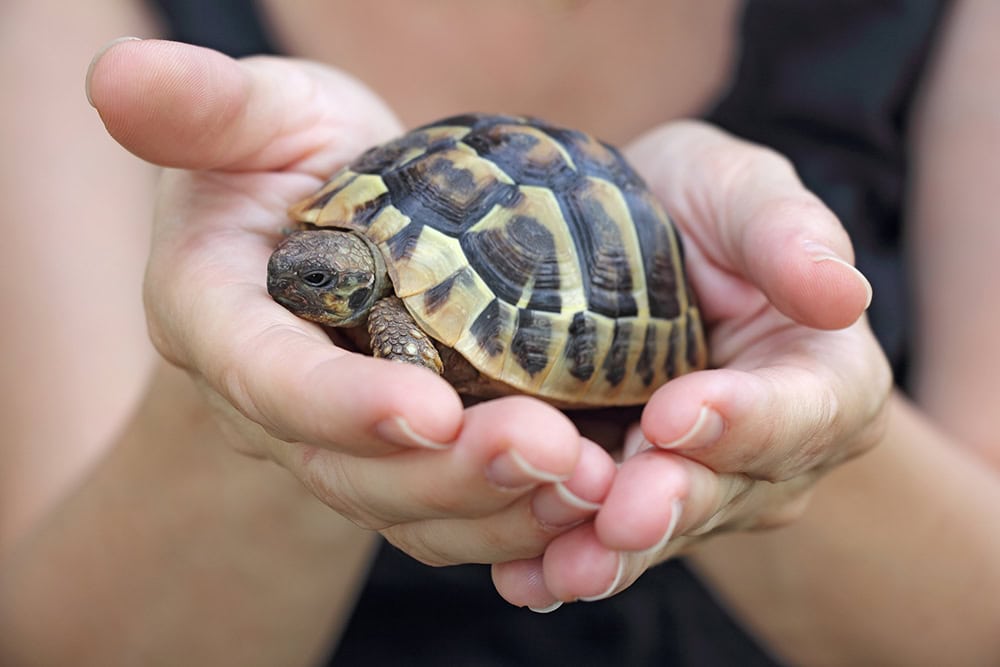
For smaller turtles, you can use one hand to pick them up (thumb on the top, fingers under the shell), holding them gently but firmly enough so you don’t drop them if they wriggle.
Try to avoid holding your turtle high up in the air and have the receptacle or surface you plan to place your turtle in or on within close reach to further prevent the risk of dropping a wriggling turtle. Take extra special care with soft-shelled turtles and avoid exerting too much pressure.
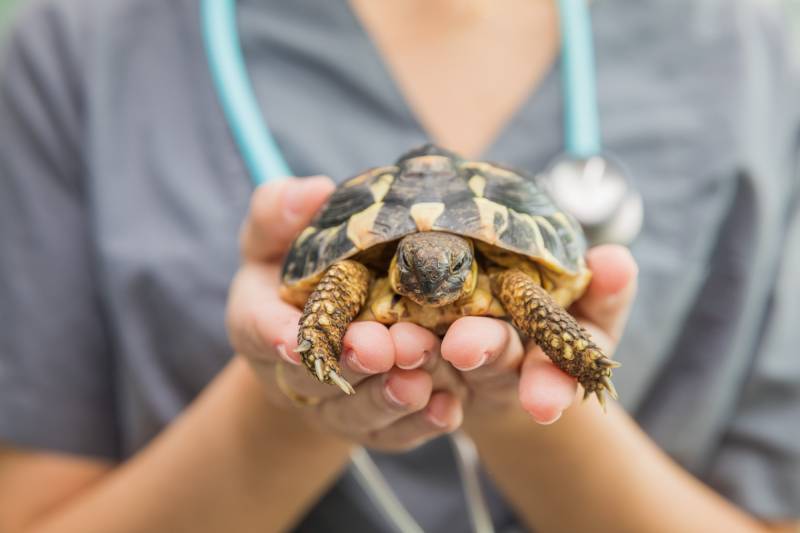
Don’t Flip
You should never flip your turtle over as this could put a strain on the internal organs. If you need to inspect your turtle’s plastron, it’s better to ask a vet to do so. Veterinarians often visualize their plastron by having an assistant elevate the turtle. If you have assistance, you can visualize your turtle’s plastron this way. However, be careful, as turtles are heavy and may struggle even more once elevated higher.

Final Thoughts
In summary, as a rule of thumb, turtles should only be picked up when necessary. Most aren’t comfortable being hoisted into the air and prefer to keep their feet firmly on the ground or, of course, in the water. Some turtles anecdotally enjoy being gently petted, but there are no guarantees. If your turtle seems to enjoy it, though, there’s no reason not to indulge them!
Related Read:
Sources
Featured Image Credit: Piqsels
Get Hepper In Your Inbox


Pet care tips from our vets and experts, straight to your inbox.
You may opt-out at any time. View our Privacy Policy for more information.
Kit Copson is a freelance writer and lifelong animal lover with a strong interest in animal care. She has parented various furry beings over the years and is currently a proud cat mom of two—one skittish but adorable Domestic Shorthair and very chilled (unless hungry) Siamese and a —and dog mom of one—an adopted Bichon Poodle cross. When not writing about or spending time with pets, Kit can be found doodling in her sketchpad, reading, or more often than not, drinking tea.
Join the conversation
Ask a question, share your story, or send private feedback.