Hepper is reader-supported. When you buy via links on our site, we may earn an affiliate commission at no cost to you. Learn more.
Can You Use Human Eye Drops on Cats? Vet-Reviewed Facts & Care Tips


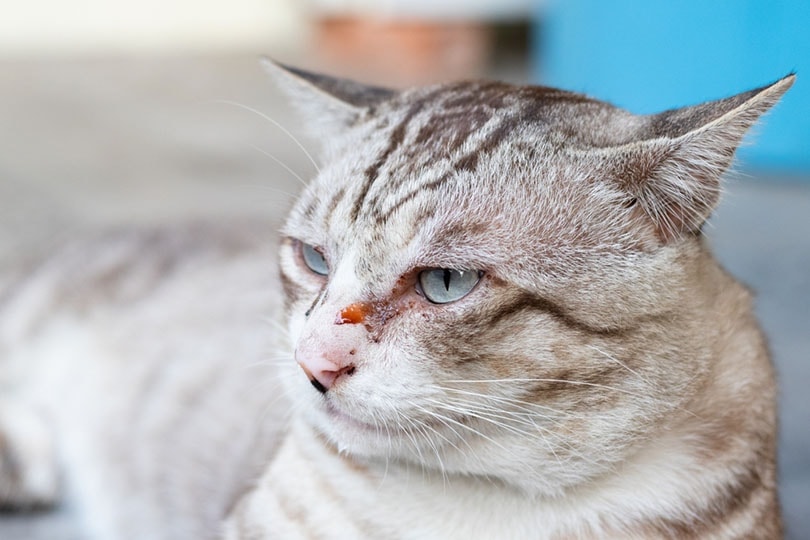
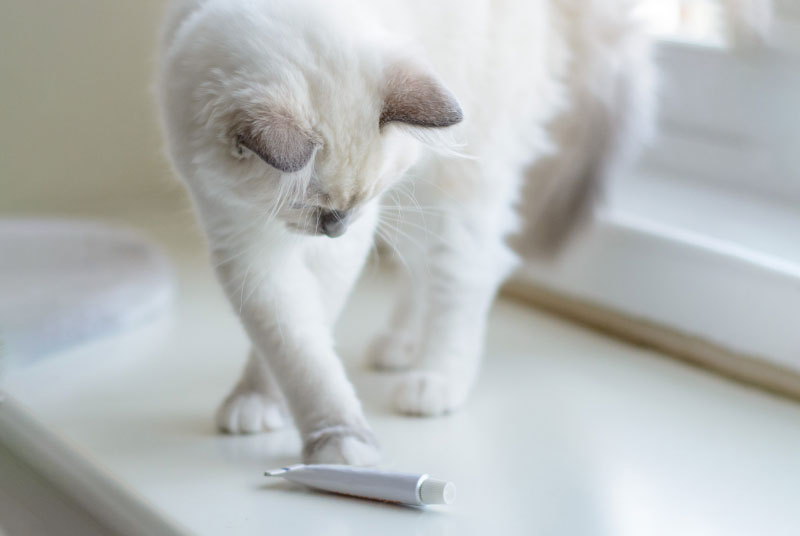
If your cat has eye problems, it’s natural to worry about them, and you undoubtedly want to help them as quickly as possible. Using human eye drops can be tempting and seem like an easy solution. However, medicated eye drops meant for humans should never be used on cats to treat their eye problems without a veterinary prescription.
That said, plain “artificial tears” are usually considered safe to apply to cats’ eyes for moisturizing, cleaning, or flushing. The solution matches the pH of the human eye, which also works for the feline eye. Conversely, medicated eye drops, including allergy and anti-redness drops, contain compounds that can be toxic or detrimental to a cat. They can also contain non-toxic elements in quantities large enough to pose a major threat to your cat’s overall health.
Read on to learn what could go wrong when administering human eye drops to cats. We also discuss why artificial tears are considered safe and the feline eye conditions they can treat.

Can Human Eye Drops Harm My Cat?
Understanding the different types of human eye drops and their formulations is crucial for distinguishing what can or cannot be used on cats. The two main options include the following.
Artificial Tears
Artificial tears have the same pH as eyes and replicate real tears. They help improve minor ocular concerns like itchiness and redness. Generally, they contain a lubricant as their main ingredient and are typically safe for use on cats under your vet’s guidance.
However, before using artificial tears on your cat, ensure your product contains no preservatives. If your cat is sensitive to preservatives, artificial tears containing polixetonium, benzalkonium chloride (BAK), OcuPure, or polyquaternium (Polyquad) can cause an adverse reaction.
Medicated Human Eye Drops
Medicated eye drops have complex formulations and are used to treat eye issues like severely bloodshot eyes and allergic conjunctivitis. Doctors also prescribe drops for treating eye infections and inflammation, such as glaucoma.
Common medicated eye drops include the following.
Medicated eye drops for humans can harm your cat’s health. Topical anti-redness eye drops may contain a decongestant from the imidazolines class, such as tetrahydrozoline. These compounds are toxic to cats and can cause life-threatening reactions. Triple antibiotic ointment is another eye medication that should be avoided for cats unless recommended by a veterinarian. A 2017 study described cases of cats that developed anaphylaxis, a potentially life-threatening allergic reaction, 4 hours after the application of antibiotic eye medication. Even products with antihistamines can contain a high concentration of the compounds. Using them on a cat’s eyes can cause more harm than good.

When Is It Safe to Use Artificial Tears on Cats?
For clarity purposes, artificial tears are not the same as enzymatic or cleaning solutions for contact lenses. They are eye drops formulated to clear and moisturize the eyes to alleviate dry eye signs. Since they do not contain medicinal compounds like antibiotics or steroids, they cannot help address severe human or feline ocular signs.
Still, artificial tears for humans can be used on cats if your vet checks your cat’s condition and recommends them to address the following concerns.
Feline Dry Eye Syndrome
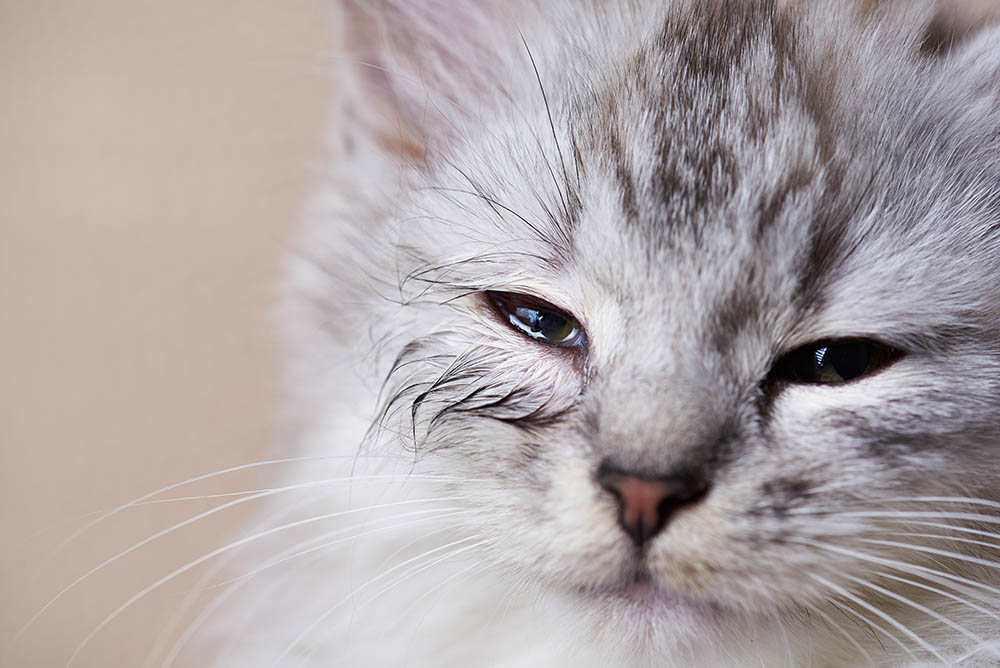
Feline dry eye syndrome, or keratoconjunctivitis sicca (KCS), is a condition that causes red, painful, and irritated eyes due to a lack of tears. It is considered more common in dogs, but it can also occur in cats. Signs that warrant a vet visit include squinting, excessive blinking, and holding the eyes shut. Your cat may also have a thick yellowish discharge, and their eyes may appear dull and lusterless.
KCS can be caused by multiple concerns that impair the eye’s ability to produce sufficient amounts of tears. The most common ones are infectious diseases, like feline herpes virus, but neurological problems, like dysautonomia, are also possible.
Kitty Pink Eye
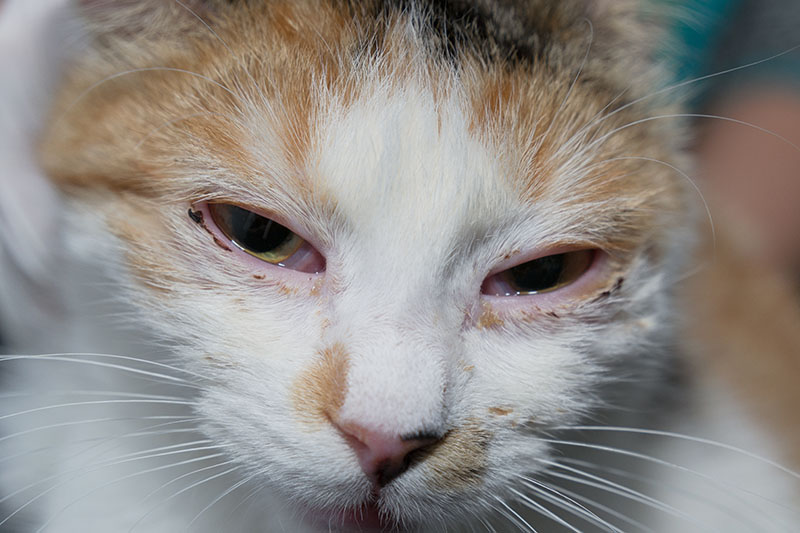
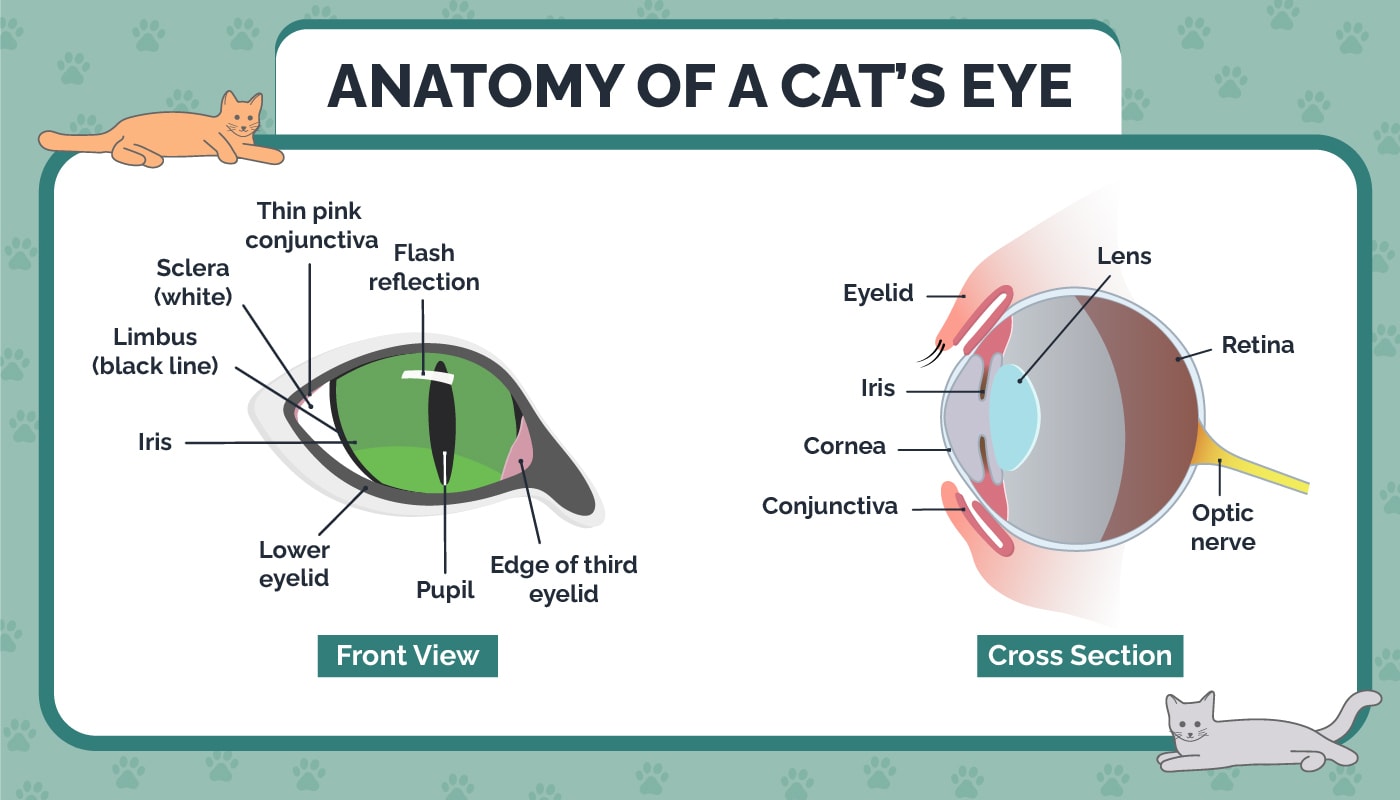
Pink eye, or conjunctivitis, is an ocular concern caused by the inflammation of the conjunctiva (the thin layer that lines the eyeball and eyelids). Signs of this problem include green, yellow, or cloudy discharge, excessive watering, pink or reddish eye rims, squinting, light sensitivity, and red and inflamed conjunctiva.
Infectious conjunctivitis is caused by viruses, bacteria, or fungi and cannot be addressed only by using artificial human tears. Non-infectious conjunctivitis can be caused by foreign particles, such as sand or dust, or allergens trapped under the eyelid. Human artificial tears can help flush the foreign material and lubricate the eye to make it more comfortable. That said, they should only be used when prescribed by your veterinarian.
How to Apply Eye Drops to Cats
Your vet may have prescribed eye drops for your cat, or you may be facing an emergency situation in which you need to apply artificial tears to your pet’s eyes to clean or flush them. Prompt intervention is essential to prevent debris from causing secondary infections or your cat from damaging their eye if they scratch too vigorously.
If you cannot get to your vet fast enough, here is how to administer first aid using artificial human tears.
Prepare the Necessary Supplies
Putting eye drops in a cat’s eyes is not difficult, but you need to know the basic steps to follow. To make things less chaotic, have all your supplies ready before you grab your pet. You don’t want your kitty to use their finely honed escape tactics just as you get up for a minute to grab your cotton swabs.
Here are items that must be within reach.
- Sink to wash your hands
- Soft washcloth or cotton swabs
- Eye drops
- Treats

Wash Your Hands Thoroughly
It is necessary to wash your hands thoroughly with water and soap before administering eye drops. Even the slightest contamination can be detrimental to your cat’s ocular health.
Let Your Cat Sit on Your Lap
Cats are intelligent creatures armed with claws. It is crucial to ensure they don’t know what you are up to because they may escape or defend themselves.
The best way to do this is to offer a treat to lure your pet to sit on your lap. Give them a good round of petting before wrapping them in a towel or blanket to expose only their head. The idea is to keep those daggers tucked in to avoid a possible attack.
Clean Your Cat’s Eyes
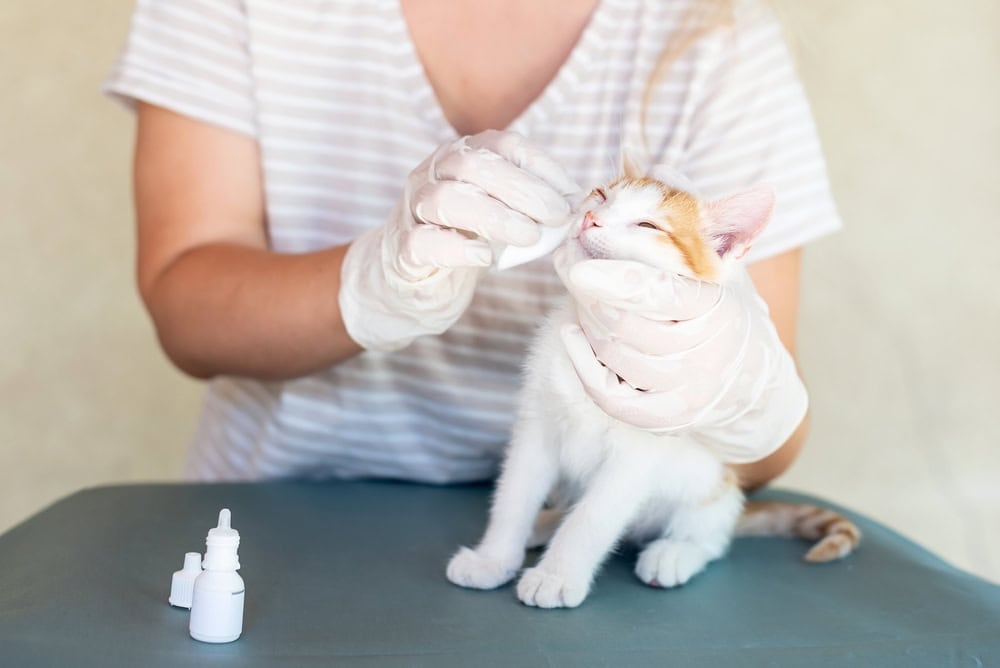
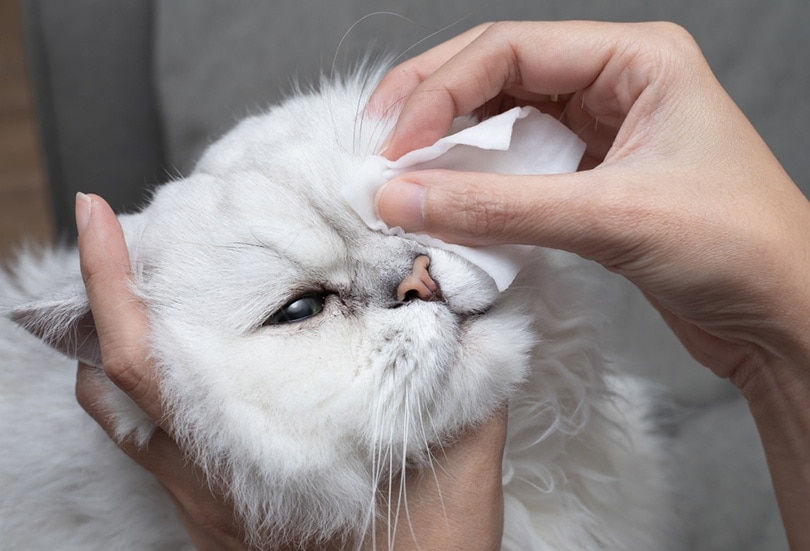
Most ocular concerns cause some level of pain and discomfort to the eye. Cleaning an infected eye with warm water and cotton swabs will provide some relief while allowing you to clear out any discharge. Be gentle, and aim to offer a soothing experience that will prepare your pet for the administration of eye drops.
Administer the Eye Drops
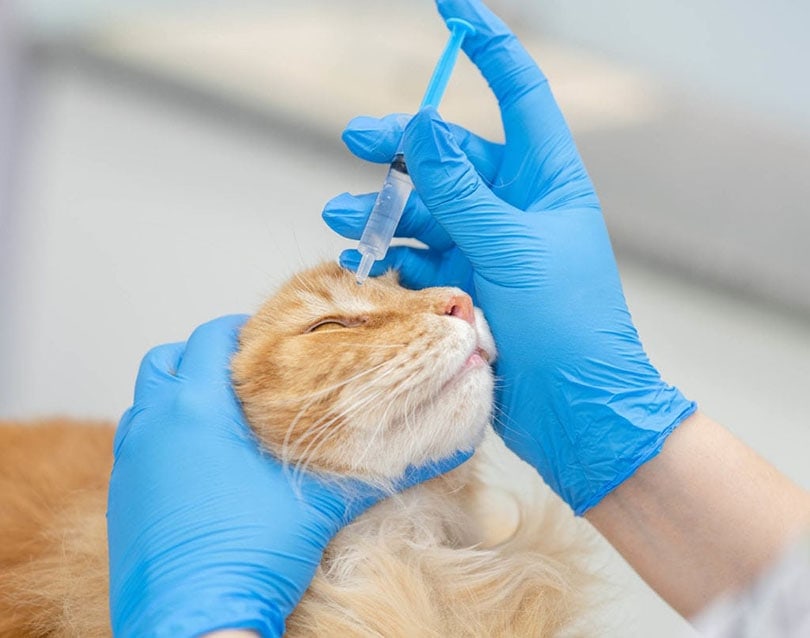
Use your dominant hand to hold the eye drop tube using your thumb and index finger. Let the hand rest on your pet’s head, and use the other hand to open your cat’s eyelids gently.
With the tube’s tip pointed downward, move it close to the eye, without touching its surface, approximately 1 inch away. Press one drop into each eyeball, and release your cat’s head.
Provide Lots of Rewards
It is imperative to make your furry friend develop a positive association with eye drops. The best way to accomplish this is to provide plenty of praise, petting, and a treat after the procedure.
The 4 Tips to Care for Your Cat’s Eyes
Your cat’s eyes are their windows to the world around them. It is essential to take the appropriate measures to keep them clean and healthy.
Here are cat eye care tips every pet parent should know.
1. Provide Proper Nutrition
A complete and balanced high-quality diet is fuel for the body and vital for maintaining a cat’s optical health. For example, nutritional deficiencies of the essential amino acid taurine can result in retinal atrophy. Proper hydration is crucial for keeping the eyes lubricated.
2. Check Your Cat’s Eyes Daily
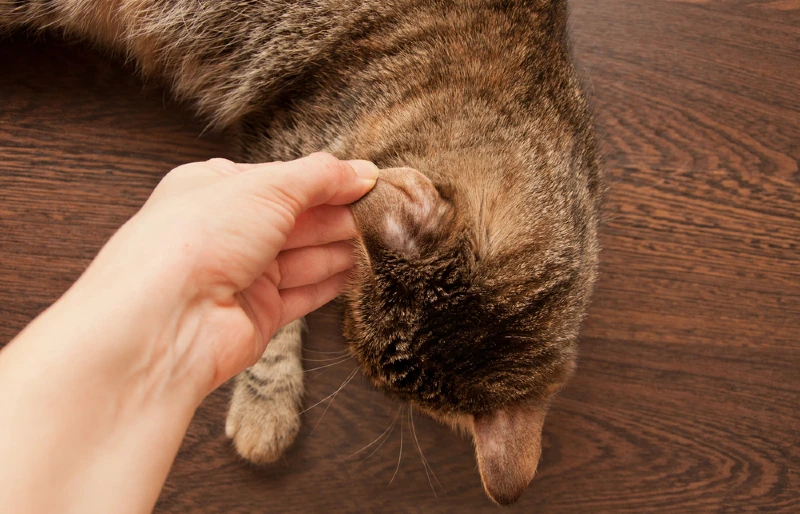
While each cat is unique, you should provide yours with at least two to three sessions of 20 minutes of human interaction daily. During petting sessions or when engaging your pet in interactive play, pay close attention to their eyes. It is essential to act fast if anything seems amiss and their eyes appear cloudy, watery, inflamed, or crusty.
Also, check for changes in pigmentation and size. There is cause for alarm if your pet’s eyes look pale, red, squinted, or swollen. The best course of action is to seek proper diagnosis and treatment from your local vet.
3. Clean the Eyes Routinely
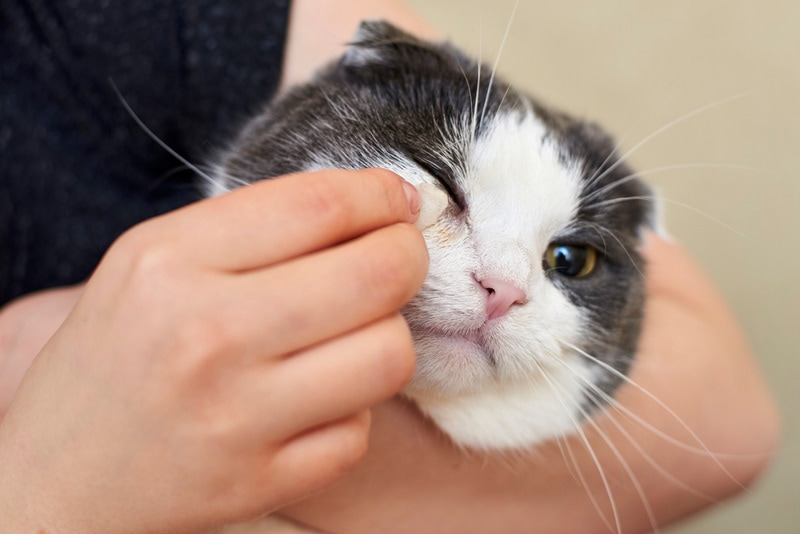
You should clean your cat’s eyes daily if they form crusty morning gunk. If your cat is producing this small amount of discharge, it is not a reason to worry. If they don’t produce any, you don’t need to clean them at all.
4. Keep Up With Wellness Visits
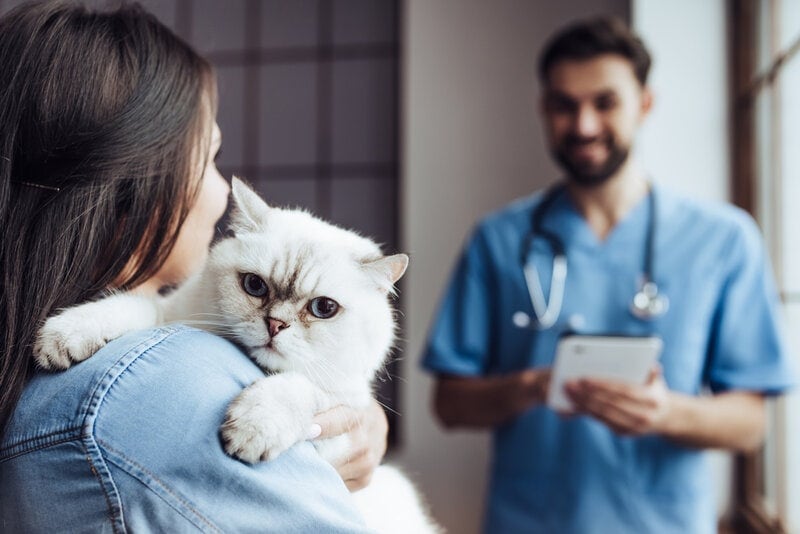
Your cat needs wellness exams each year, even if they appear to be in perfect health. During these visits, your vet will conduct various tests and ensure your cat’s overall health, including checking their eyes. Through wellness visits, it is possible to diagnose and treat eye problems before they go from bad to worse.
Final Thoughts
You should not use human eye drops on your cat unless prescribed by your vet. Human artificial tears are sometimes used on felines, but they should always be administered under a vet’s guidance. Know that the signs of feline eye infections are often nonspecific. It can be hard to tell whether your kitty’s eyes are itchy or discolored because of an infection, tumor, or foreign object.
The surest way to treat feline eye infections is to have your vet prescribe eye drops after properly diagnosing a condition. Even though artificial human tears can be used on cats, there is always a risk of worsening the problem.
“Sources”
Featured Image Credit: Rodica Vasiliev, Shutterstock
Get Hepper In Your Inbox


Pet care tips from our vets and experts, straight to your inbox.
You may opt-out at any time. View our Privacy Policy for more information.
Nicole is a lover of animals of all sizes but is especially fascinated with the feline variety. She’s the proud mom of Baby, a Burmese, and works every day so he can relax in the sunshine or by the fire. She’s always had a cat in her home and has spent countless days with others, observing behaviors and softening up even the grouchiest of the lot. Nicole wants to share her kitty expertise with you so you and your cat can live happy, healthy, and care-free.
Join the conversation
Ask a question, share your story, or send private feedback.