Hepper is reader-supported. When you buy via links on our site, we may earn an affiliate commission at no cost to you. Learn more.
Why Do Cats Have Eye Boogers? Vet-Verified Reasons & Precautions


In this article
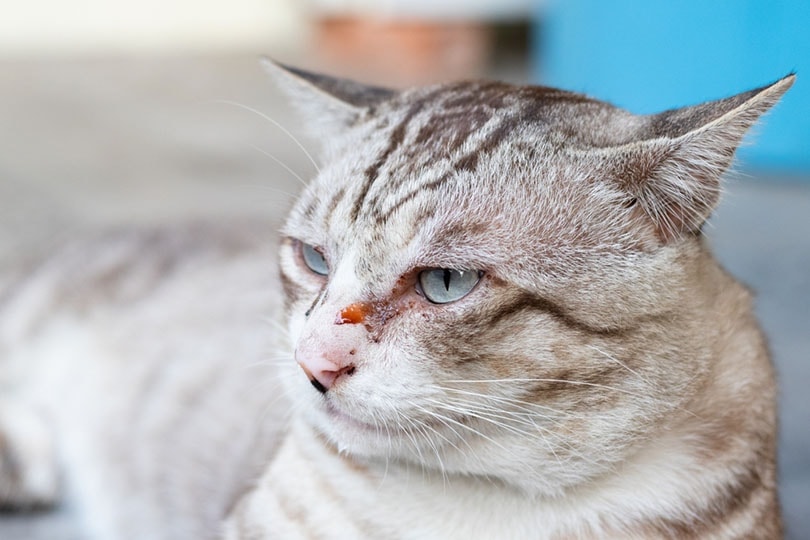
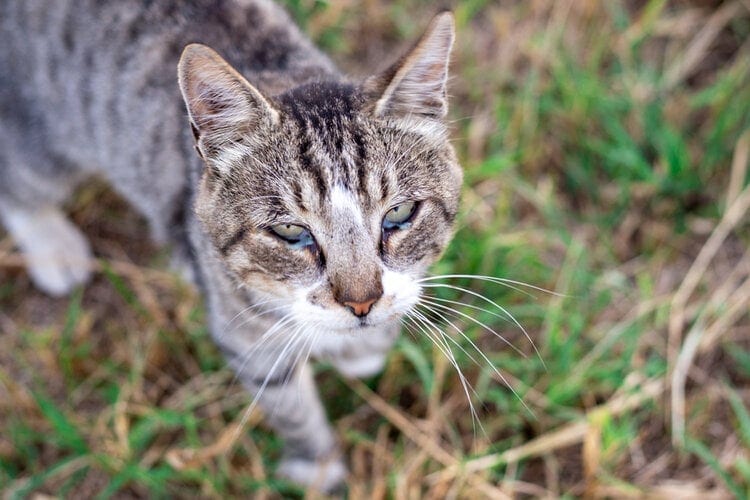
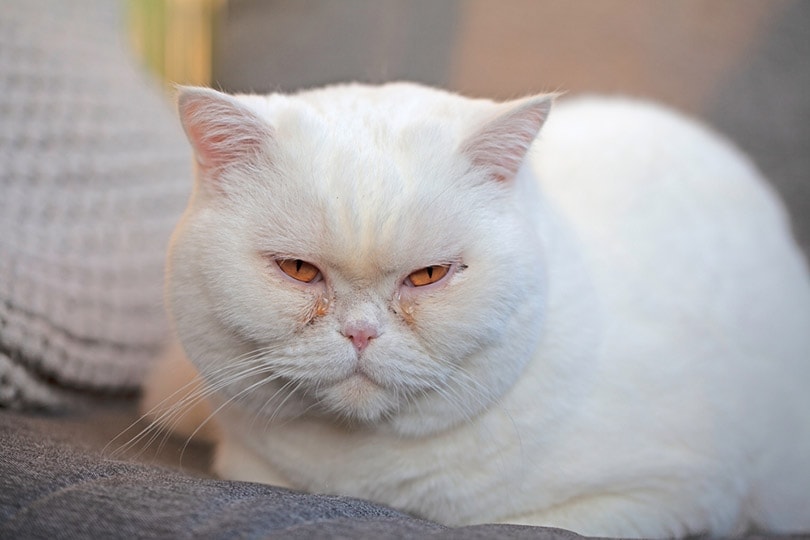
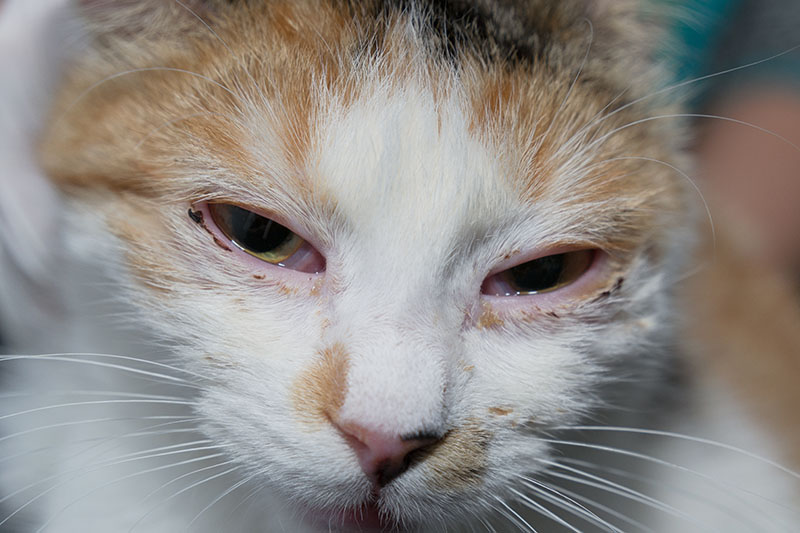
They say the eyes are the windows to the soul, but what happens when the windows spring a leak? If your cat’s eyes are suddenly crusted with boogers, you’re probably wondering what’s going on and if you should be worried.
Cat eye discharge can occur for several reasons, whether it be a sign of certain ailments or the morphology of your cat's eyes. In this article, we will cover some of the most common causes of cat eye boogers and what you should do about them.

Causes of Cat Eye Discharge
1. Eye Infections
If your cat's eye boogers are accompanied by mildly swollen or red eyes, they could be a sign of infectious conjunctivitis or an eye infection. Other signs of this condition, but not exclusive to it, include squinting or excessive blinking of one or both eyes.
Infectious conjunctivitis is one of the most common eye problems in cats. It usually occurs in cats due to feline herpesvirus infection (FHV-1) but also calicivirus and bacteria such as Chlamydophila felis. Treatment usually involves administering eye drops or ointment and sometimes oral medication as well, depending on the underlying cause of conjunctivitis.
2. Eyelash Abnormalities
Your cat may have an eyelash abnormality that results in an excessive amount of ocular discharge. These include:
- Distichiasis (extra eyelashes arising from eyelid glands
- Ectopic cilia (single hair growing on the inside of the eyelid)
Eyelashes that point backwards towards your cat's eyes may cause a great deal of discomfort and pain. In response to the irritation, your cat will naturally produce extra tears to flush out their eyes, which may result in a quick buildup of eye boogers. If the extra or misdirected lashes cause damage to your cat's cornea or conjunctiva, your cat may need surgery to remove the problematic lashes.
3. Corneal Ulcer
Corneal ulcers, or injuries to the surface of your cat's eye, are another common reason for eye discharge. Ulcers can have many causes, including injuries from fighting or playing, rubbing of the eye, chemical irritation, or eyelid abnormalities. Other signs of corneal ulcers include squinting, pawing at the eye, and keeping the eyes closed.
This eye condition is extremely painful and can quickly become worse if not treated. Generally, treatment involves eye medication, pain medication, and often anti-inflammatory medication. The cat must be prevented from causing additional injury to the eye, usually by wearing an e-collar or "cone”. Depending on the severity of the ulcer, your vet may recommend surgery to repair the damage.
4. Upper Respiratory Infection
If your cat’s eye discharge is accompanied by sneezing, nasal discharge, and signs like lethargy and not eating, you could be dealing with an upper respiratory infection.
Most upper respiratory infections are caused by a virus, such as feline herpesvirus. They are extremely infectious and spread quickly among large colonies of cats, such as those in shelters or catteries. Your vet will formulate a treatment plan for your cat based on their age, vaccination status, and the severity of the signs they have.
5. Eyelid Abnormalities
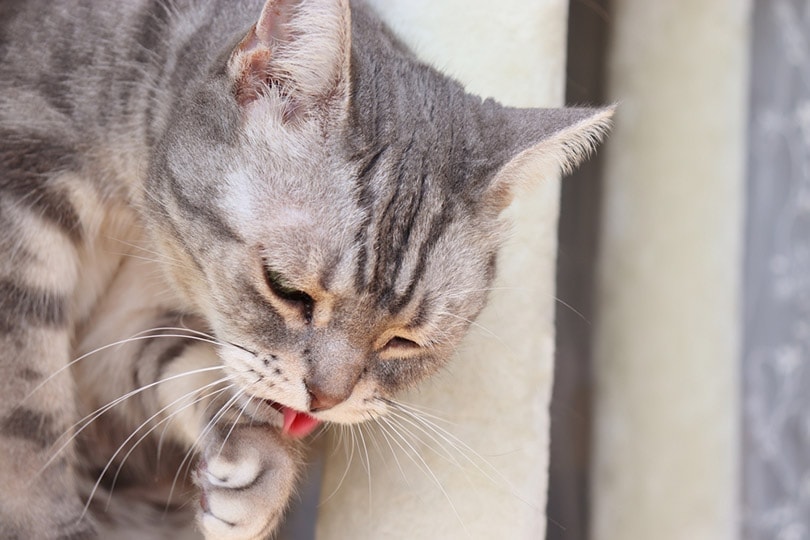
There is one specific eyelid condition can cause eye discharge in your cat. Entropion is when the cat’s eyelid rolls inward, allowing the eyelashes to contact the surface of the eye. The resulting irritation can cause eye discharge or lead to more serious conditions, like corneal ulcers.
Treatment of this condition may involve surgery, temporary sutures, or medications, depending on how severe it is.
Lagophthalmos is the inability of completely closing the eyelids. This often results in your cat's eye drying and trauma to their cornea. It is common in breeds with a short, broad, flat head (such as Persians). For such cats, long-term use of lubricating ointments is the preferred management option. Occasionally, their eyelids may be surgically modified to shorten or close the corners of the eyes to allow for complete closure of the lids whenever your cat needs to close their eyes.
Kittens may sometimes be born with a deformity of the upper eyelids known as coloboma. This appears as an opening (also known as a cleft) in the upper eyelid. The defective eyelid is often unable to function properly, increasing the likelihood of infections, inflammations, and ulcers. Treatment for this condition is a surgical repair.
6. Uveitis
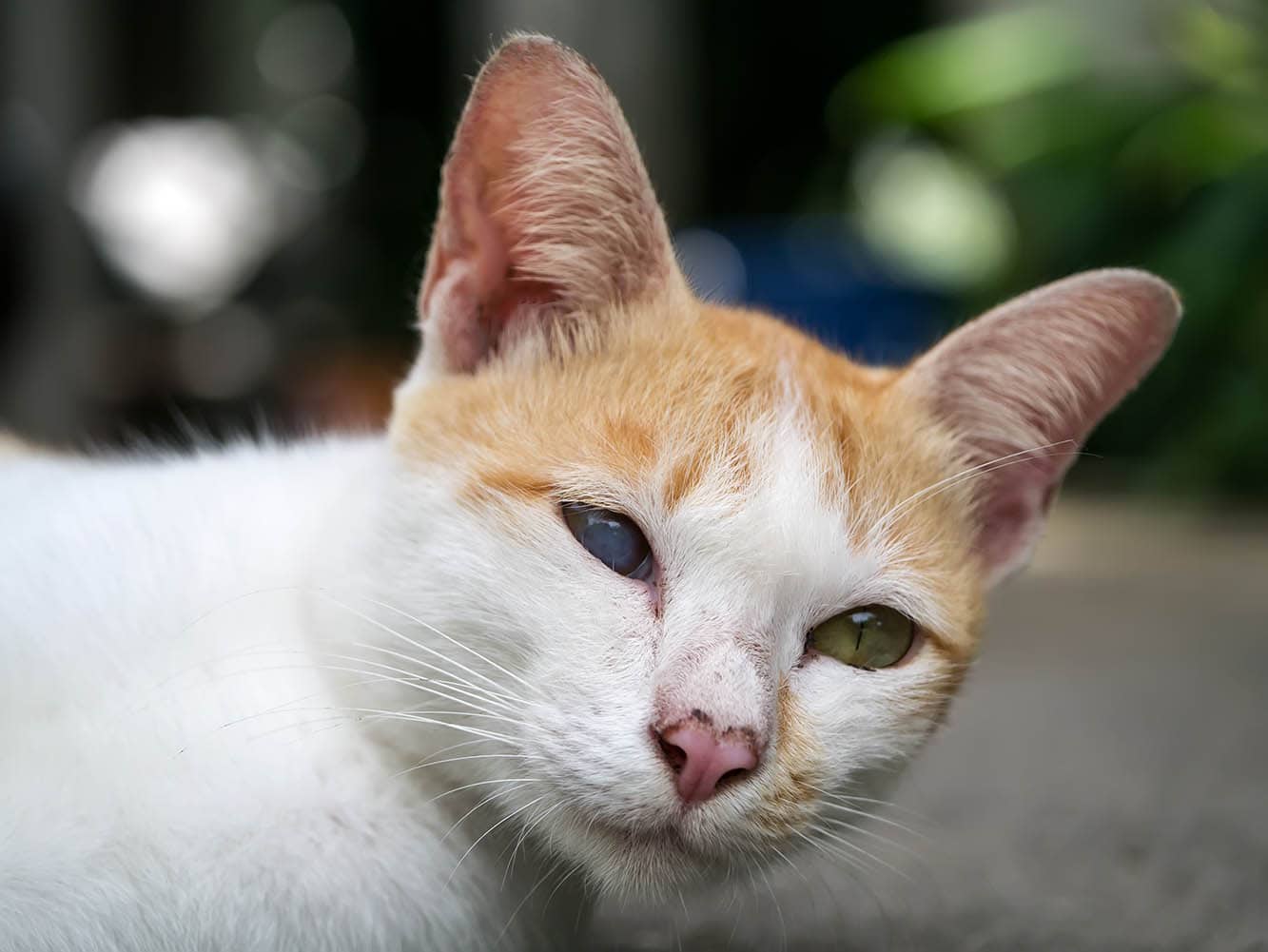
Uveitis is a condition where the uvea of the cat’s eyes become inflamed. The uvea is the vascular layer in the inside of the eye. Uveitis often implies that the anterior or "front" portion of the uvea is inflamed. Eye discharge is a common sign of uveitis, along with squinting, cloudiness, abnormal pupil shape, impaired vision, and red eyes.
Uveitis in cats is usually caused by viral diseases such as Feline Leukemia Virus (FeLV), Feline Immunodeficiency Virus (FIV), Feline Infectious Peritonitis (FIP), or other infectious diseases. Though some of these underlying causes, especially the viral diseases, can never be fully treated, uveitis requires immediate veterinary care and should be treated as an emergency. Left untreated, the condition can quickly result in cataracts, glaucoma, or permanent vision loss (blindness). The underlying causes should be managed based on treatment plans set by your veterinarian.
7. Glaucoma
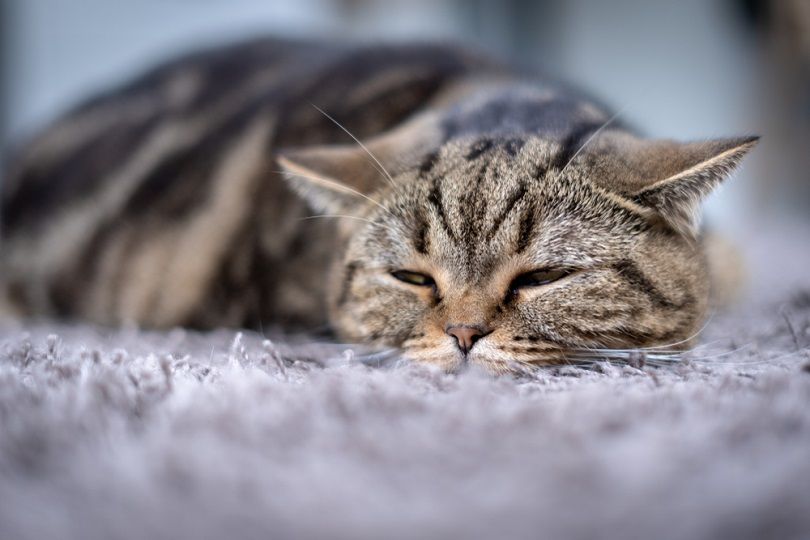
Glaucoma is an elevation in the pressure inside one or both of your cat's eyes. The condition is painful and may sometimes set in as a result of other ocular issues (such as uveitis). Eye discharge is one sign of this condition, along with squinting, bulging eyes, and impaired vision.
Some cat breeds are predisposed to developing glaucoma, like the Siamese. That being said, glaucoma in cats often occurs as a consequence of other eye conditions such as the aforementioned uveitis or tumors.
Glaucoma is painful and cannot be cured, although signs can often be managed with medications. If the condition continues to worsen and your cat loses eyesight from the affected eye, your vet may opt to surgically remove it to lessen the pain your cat experiences.
8. Dry Eye
Dry eye is a condition where a cat doesn't produce enough tears to keep the eye's surface moist. Thick, yellow eye discharge is a common sign of this condition, along with blinking, squinting, or holding the eyes shut.
The eye often improves when the underlying cause is addressed and treated. Until then, extra lubrication in the form of eye drops or a lubricating ointment is often prescribed. In cases where dry eye has no treatable underlying cause, your cat would need lifelong assistance with eye medication or lubricating ointments to manage the dryness.
NOTE
How to Handle Your Cat’s Eye Boogers
As we've learned, eye boogers may have many different causes. The first step in dealing with them is to understand why they are occurring. Many eye conditions are extremely painful and potentially blinding, and are considered emergencies.
Especially if you notice signs of pain in your cat, such as squinting or pawing at the eye, you should see your veterinarian as soon as possible. Sometimes, your vet may refer you to a veterinary ophthalmologist to manage your cat's eye condition. Always be sure to give all medications and follow all directions from your vet to treat your cat's eyes.
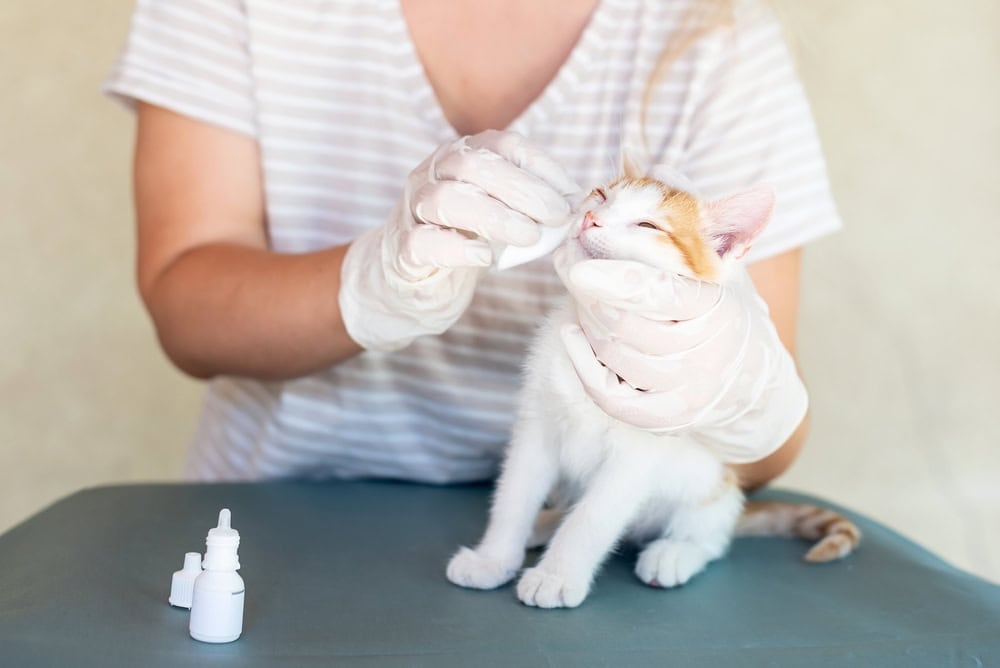
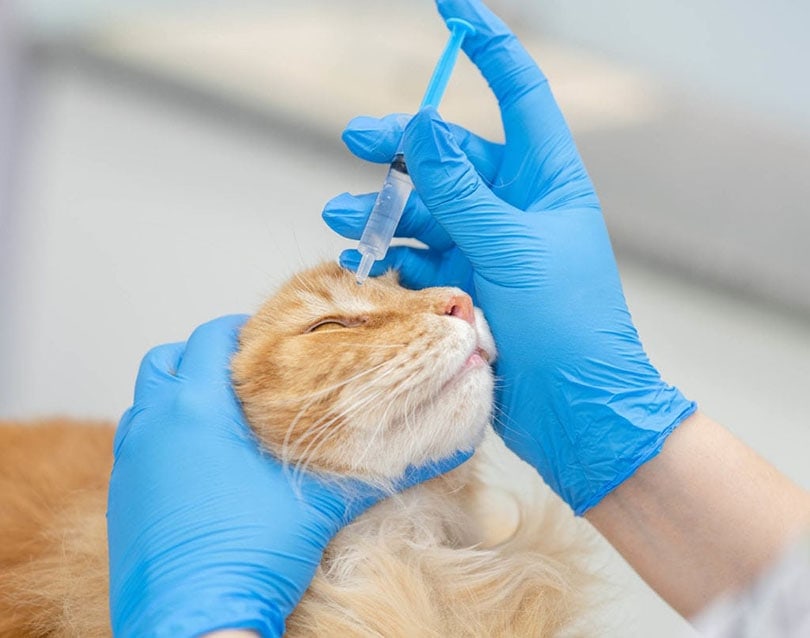
If you’re concerned about giving your cat eye medications, ask your vet or their staff to teach you their tips and tricks. Often, you’ll need to learn how to clean the eye boogers from your cat’s eyes, generally with warm water and gauze or a soft cloth.

Conclusion
Cat eye boogers may make some people squeamish, but they also aren't something you can ignore or wipe away. Our cats are masters at hiding the seriousness of illnesses or injuries, and it's up to us to pay attention to what signs they do show. Eye discharge may seem like nothing but a nuisance, but it could be just the only visual evidence of a threat to your cat's vision and well-being.
See also:
Featured Image Credit: osobystist, Shutterstock
Get Hepper In Your Inbox


Pet care tips from our vets and experts, straight to your inbox.
You may opt-out at any time. View our Privacy Policy for more information.
A lifelong lover of all creatures great and small, Elizabeth got her first cat at 5 years old and at 14, she started working for her local veterinarian. After spending more than 20 years working as a veterinary nurse, Elizabeth decided to step away to become a stay-at-home parent to her daughter. Now, she is excited to share her knowledge with our pet parents. Elizabeth lives in Iowa with her family, including her two fur kids, Linnard, a husky mix and Algernon, the worldʻs most patient cat. When not writing, she enjoys reading, watching soccer, and spending time outdoors with her family.
Join the conversation
Ask a question, share your story, or send private feedback.