Hepper is reader-supported. When you buy via links on our site, we may earn an affiliate commission at no cost to you. Learn more.
Cat Litter Deodorizers vs Baking Soda: Main Differences & FAQs

In this article
Cat parenting is a wonderful, yet sometimes less than fragrant experience. Litter box maintenance is one of the least pleasant yet most necessary aspects of sharing our homes with a cat, and, sometimes, we just need a bit of help to keep it smelling fresh for longer. Help comes in the form of products designed to absorb and eliminate litter box odors, like commercial cat litter deodorizers.
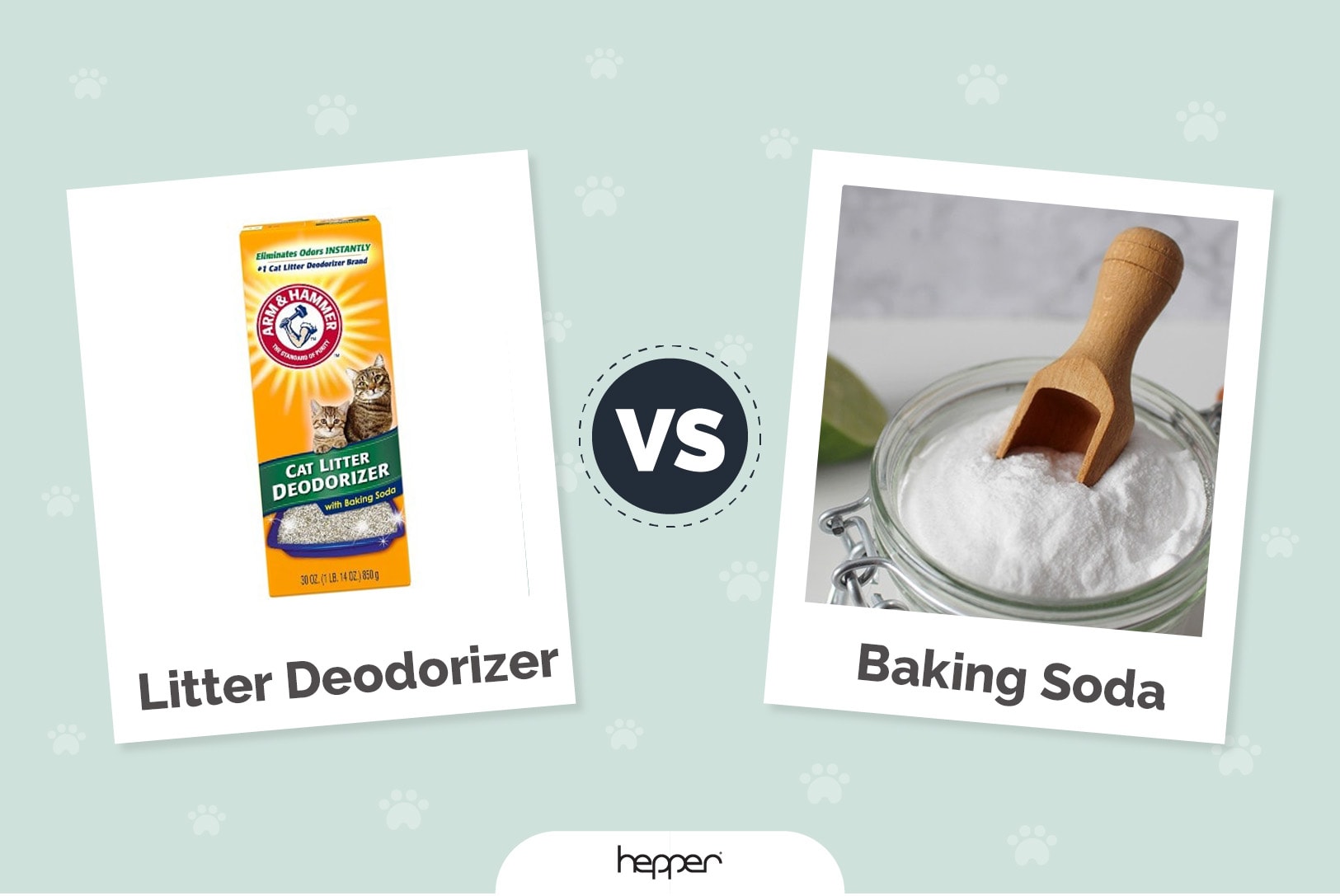
That said, many cat parents swear by a more common household cleaning item—baking soda. In this post, we’ll put cat litter deodorizers and baking soda head-to-head to determine if one works better than the other.

Overview of Baking Soda
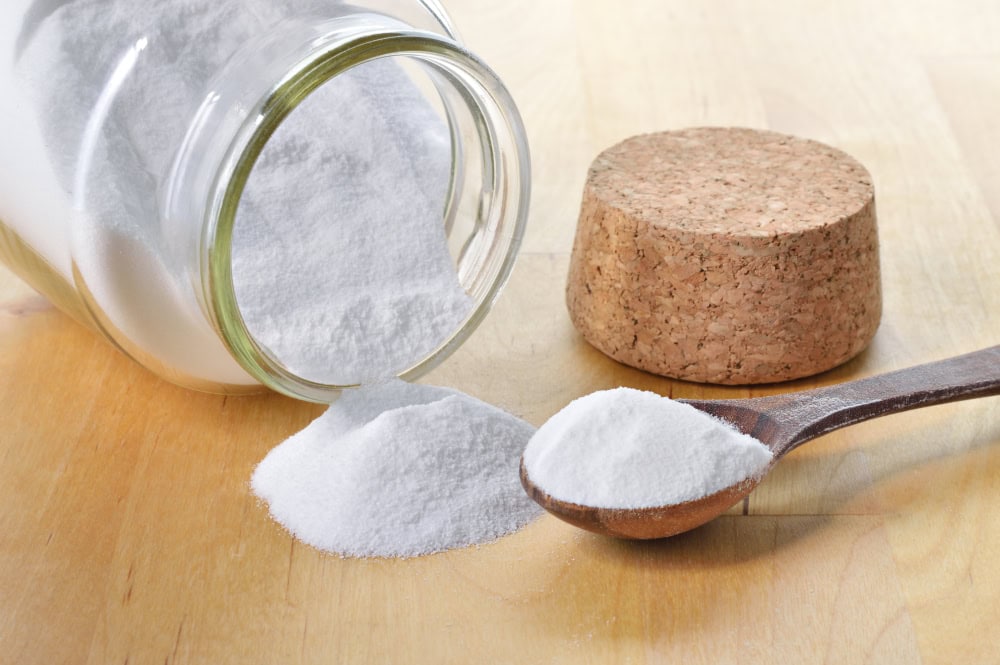
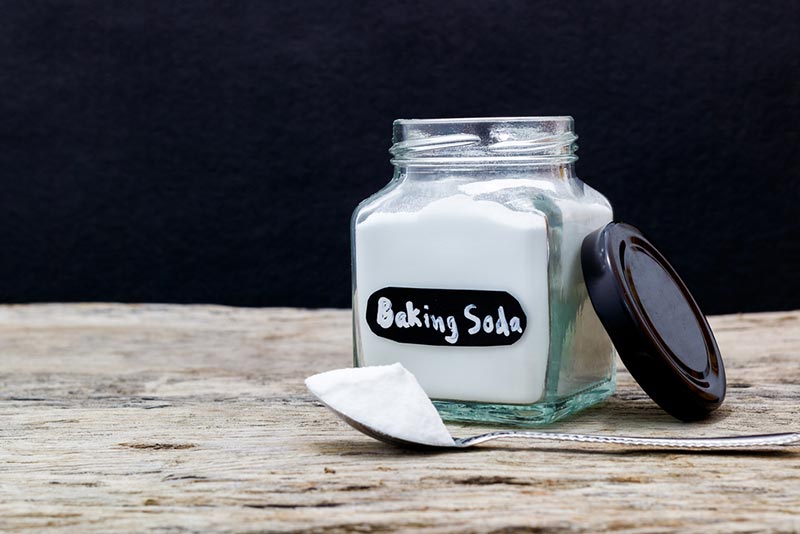
Baking soda—also known as sodium bicarbonate—is a chemical compound used in many homes, particularly for—as its name suggests—baking. Ground from its natural crystalline form into a powder, baking soda is renowned not only for being a leavening agent for cake and bread baking but also for its cleaning and deodorizing powers.
Why Is Baking Soda Used in Cat Litter?
Baking soda can be used as a cleaning product and odor eliminator around the home because it balances out PH and neutralizes acids that contribute to unpleasant odors forming. For this reason, some people use it in their cat’s litter box.
How Do You Use Baking Soda in Cat Litter?
After thoroughly cleaning your cat’s litter box, sprinkle a fine layer of baking soda on the bottom of the box before replacing the litter. You can then mix a little baking soda in with the litter itself to help keep it fresh for longer.
Is Baking Soda Harmful to Cats?
Baking soda is only harmful to cats and other pets if they ingest large amounts of it. According to PetMD, it doesn’t contain any harmful chemicals, which makes it safe for use in your cat’s litter.
Pros
- Affordable
- Unscented
- Natural deodorizer
- Free of harmful chemicals
Cons
- Some may dislike the lack of fragrance
- May stick to your cat’s paws
Overview of Litter Deodorizers
Litter deodorizers are commercially sold products made with a variety of ingredients and bases—some brands even use baking soda as a base. Unlike baking soda, which is multi-purpose, litter deodorizers are designed specifically to tackle litter box odors. They work by soaking up ammonia smells left behind by urine and trapping odor particles. Many are moisture-activated.
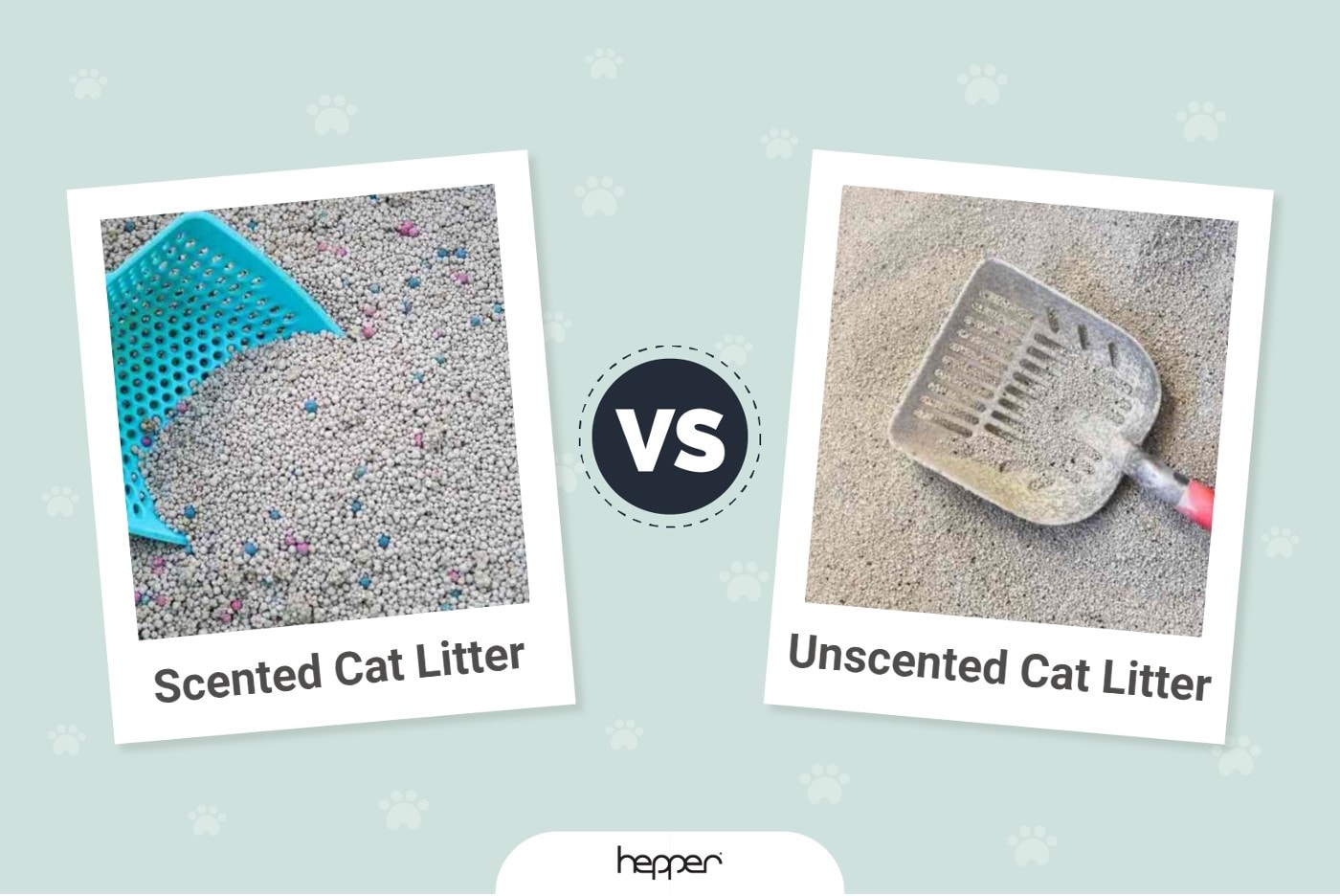
Some litter deodorizer brands are scented while others are unscented. Some contain crystals that smell of various fragrances like lavender, mint, and spring breeze scents. You can get litter deodorizers in both powder form and spray form.

How Do You Use Cat Litter Deodorizers?
You use these pretty much the same way you would use baking soda in your cat’s litter box. In most cases, you simply sprinkle some over the bottom of the box and then mix some in with the fresh litter. Instructions may vary slightly depending on the brand you use.
Are Litter Deodorizers Harmful to Cats?
Though designed to be safe and non-toxic to cats, issues can arise from using scented litter deodorizers in particular, especially if you have an especially sensitive cat. Some cats may be sensitive to the artificial fragrances in scented deodorizers and find them overwhelming, even if they smell mild or pleasant to you.
According to Dr. Jason Nicholas, it is more likely that your cat will prefer unscented litter to scented litter, so the same applies to litter deodorizers.
Pros
- Designed to tackle litter box odors specifically
- Some have a fresh scent
- Readily available
Cons
- Scented deodorizers may be overwhelming for some cats
What Works Better: Baking Soda or Litter Deodorizer?
People use both baking soda and litter deodorizer to freshen up their cat’s litter box and have positive experiences with both. When it comes to which one works better than the other, it is hard to answer as cat parents have different preferences and, while one product might work well for one person, it might not for another.
If we had to choose, we’d go for baking soda. If not baking soda, then an unscented litter deodorizer. There are a few extra perks to using baking soda, including the fact that it is cheap, easy to find, and multipurpose. It is also a natural product and doesn’t contain any added or potentially harmful chemicals.
FAQ
Which One Is Less Messy?
Litter deodorizers are less likely to stick to your cat’s paws because they’re designed specifically for litter boxes. On the other hand, baking soda may get a little messy as it is in powder form. However, as long as you’re mixing the baking soda into the litter properly and aren’t using too much, it shouldn’t become a major issue.
Which One Is Cheaper?
You can get inexpensive litter deodorizers but baking soda is more often than not the cheaper option.
How Can I Stop My Cat’s Litter Box from Smelling?
Lacking a regular cleaning routine is a common cause of litter boxes starting to smell funky. The truth is that no matter how high-quality your litter is or if you’re using a litter deodorizer, without a proper cleaning routine, the litter box will smell. Dirty litter boxes are also a common cause of cats using the bathroom outside the box.
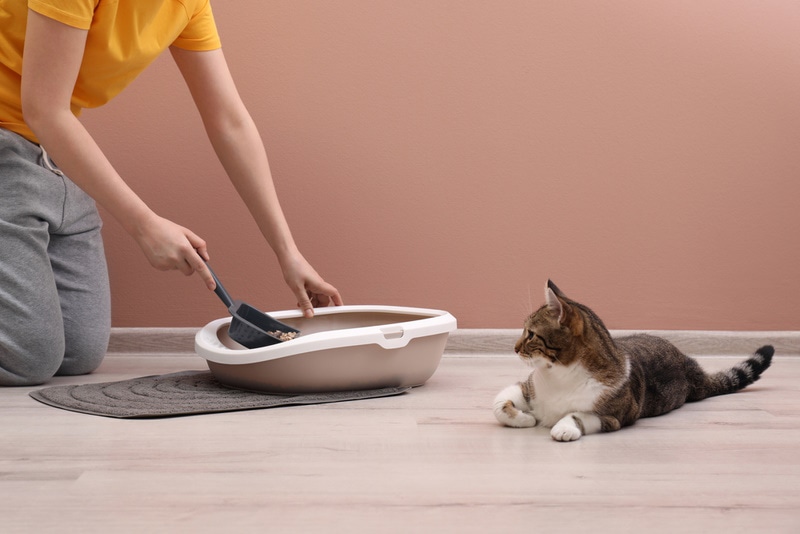
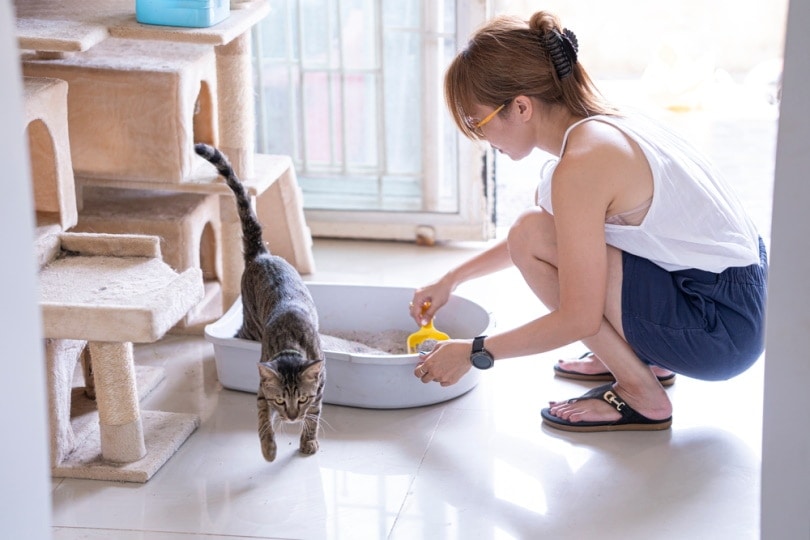
To combat this, perform regular spot checks throughout the day and remove any clumps or poop that you see. Add fresh litter to replace the litter that came out in clumps. Completely replace the litter (depending on the type you’re using, how long it lasts, and how many cats are using the box) and give your cat’s litter box a thorough clean at least once a week with pet-safe cleaning products.

Conclusion
Baking soda and cat litter deodorizers can both be lifesavers when it comes to keeping litter box odors under control—but they’ll only be effective as long as you are sticking to a solid box cleaning routine.
We recommend trying out baking soda or an unscented deodorizer as these are less likely to overwhelm your cat’s sensitive nose. If your cat’s litter box has gotten unusually smelly of late, it is best to speak to your vet to make sure a gastrointestinal issue isn’t causing this.
Get Hepper In Your Inbox


Pet care tips from our vets and experts, straight to your inbox.
You may opt-out at any time. View our Privacy Policy for more information.
Kit Copson is a freelance writer and lifelong animal lover with a strong interest in animal care. She has parented various furry beings over the years and is currently a proud cat mom of two—one skittish but adorable Domestic Shorthair and very chilled (unless hungry) Siamese and a —and dog mom of one—an adopted Bichon Poodle cross. When not writing about or spending time with pets, Kit can be found doodling in her sketchpad, reading, or more often than not, drinking tea.
Join the conversation
Ask a question, share your story, or send private feedback.