Hepper is reader-supported. When you buy via links on our site, we may earn an affiliate commission at no cost to you. Learn more.
Could Your Cat Be Allergic to You? Science-Based Facts & FAQ
In this article
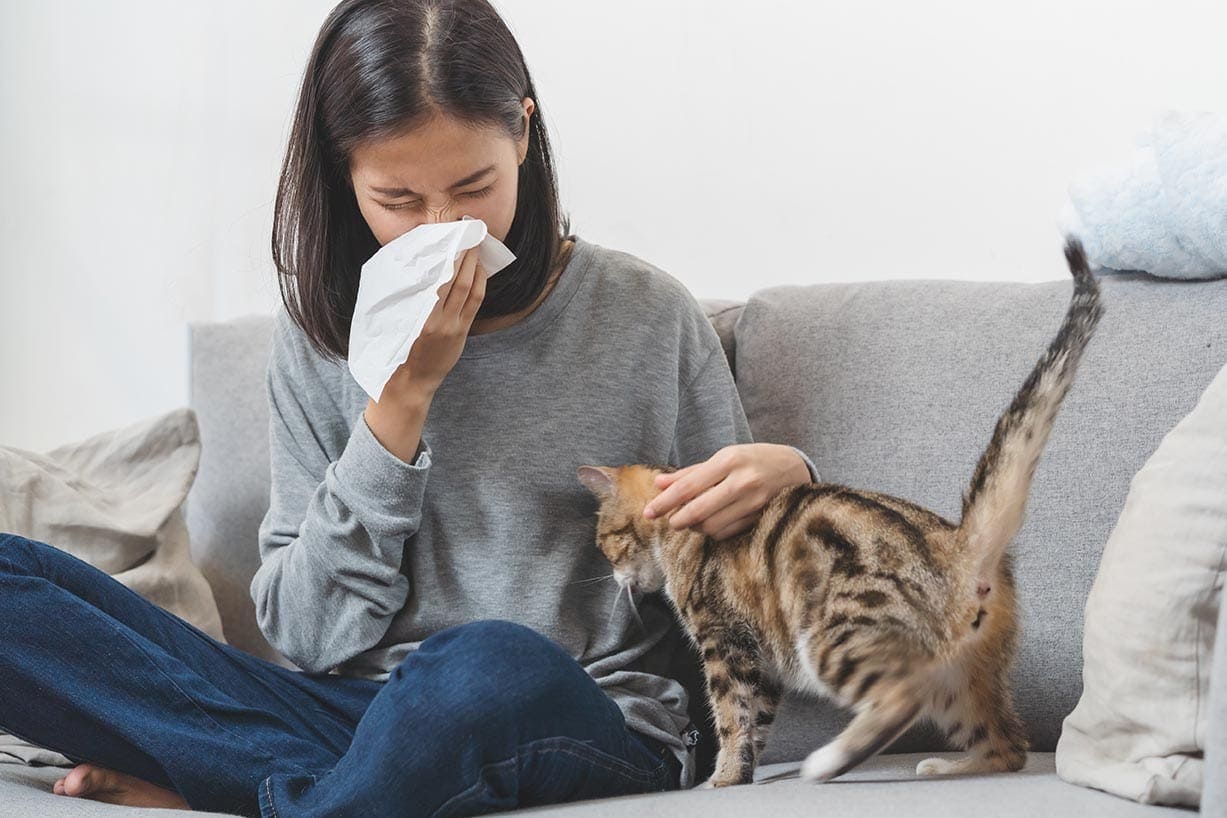
Pet allergies are common in humans, and many people choose to bring beloved pets into their homes by opting for hypoallergenic breeds or allergy treatments. Plenty of people are allergic to cats, specifically, but what about the other way around? Could your cat be allergic to you?
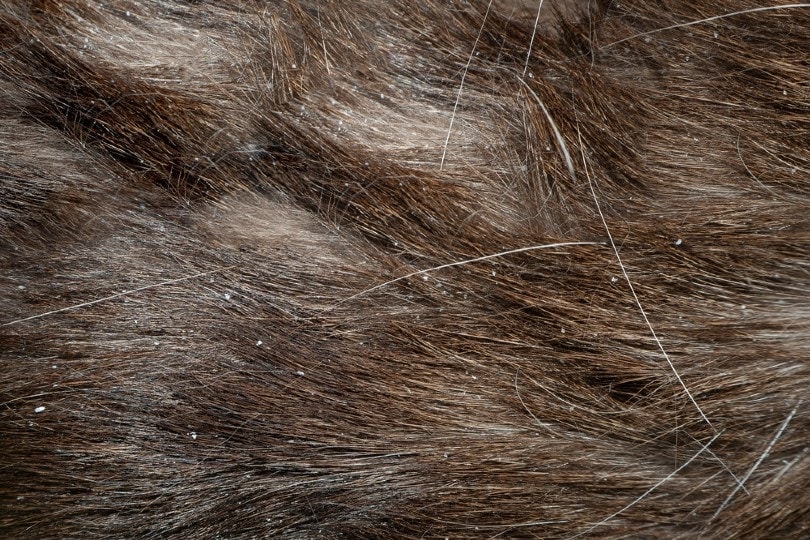
Though rare, cats can be allergic to their human owners. Like humans, cats can be allergic to common allergens like pollen and dust that come in contact with their skin and trigger an immune response. Find out more about human allergies in cats and what you can do to help.

Treating Allergies in Cats
If you think your cat is allergic to you, it may be caused by an environmental pollutant. The first step is speaking to your veterinarian about its allergies and diagnosing the possible triggers.
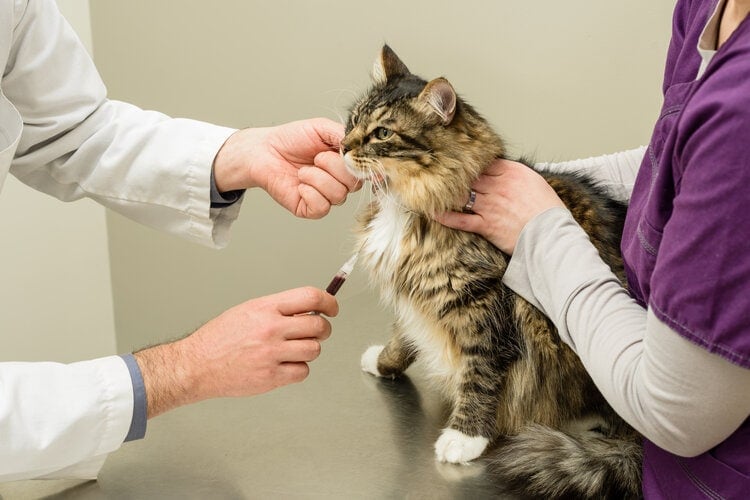
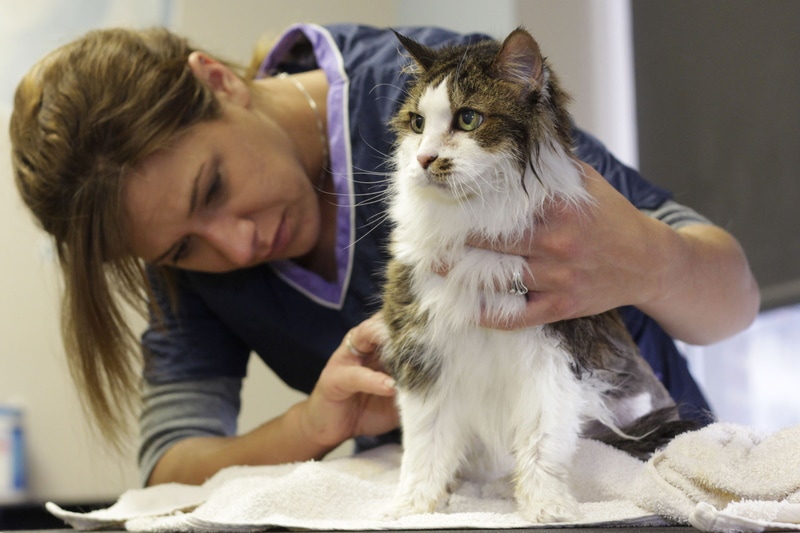
Allergy tests can be done with a blood test or skin test. The blood test involves taking a sample of the cat’s blood and evaluating it in the lab. The skin test is more reliable but less pleasant for your pet.
Using a small needle with the allergen, your veterinarian will scratch areas of your cat. This is repeated with all suspected and common allergens, including human dander. After a few days, you can bring your cat back to the veterinarian for an examination of the test sites. Areas that reacted to the allergen will likely be inflamed and irritated, indicating an allergic reaction to that particular trigger. Cats may also develop hives in response to the scratch.

Allergies in Cats
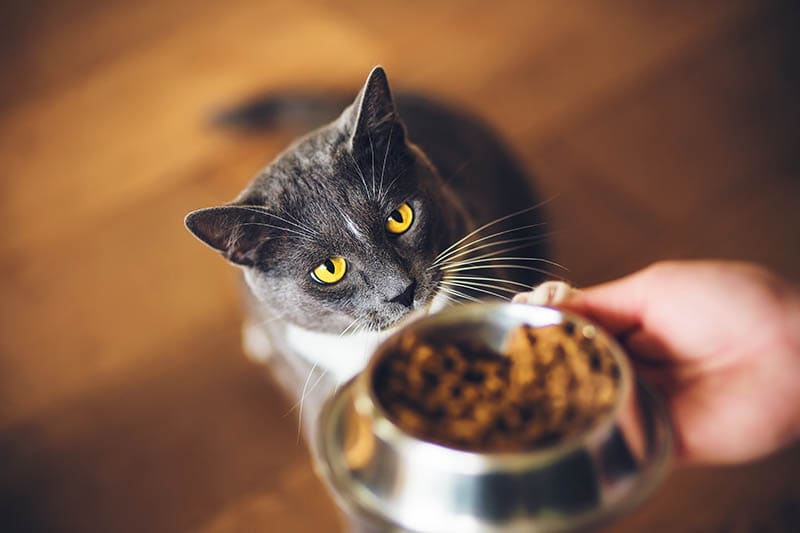
In doing an allergy test on your cat, you might find they are allergic to you and/or a host of other things. Cats can be allergic to food, fleas, seasonal allergens, or allergens in the environment. Here are the types of allergies in cats:

What Now?
If your cat is allergic to your human dander, and not a fixable environmental cause like cigarette smoke or perfume, you have solutions. Your cat can be treated with the same oral drops or allergy shots as a form of immunotherapy. This treatment exposes your cat to small amounts of the allergens, training its immune system to become more tolerant and less reactive over time.
Your veterinarian may also consider eye and ear drops, topical ointments, cortisone pills, and antihistamines to manage allergies. Be sure to work with your veterinarian on the appropriate treatment and avoid giving your cat any allergy medication intended for human use, even if it’s over the counter.
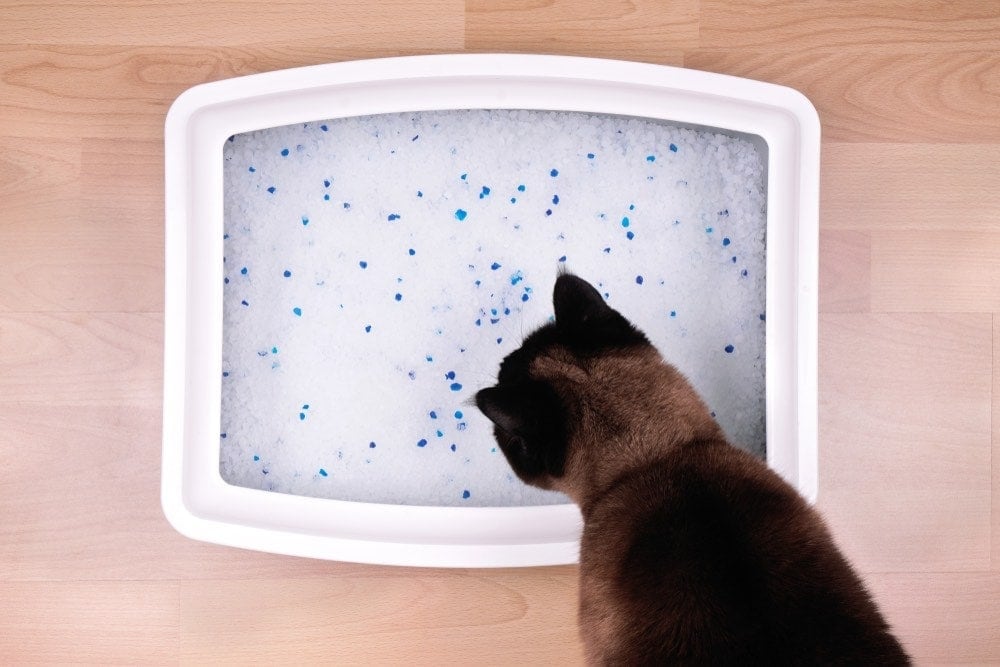
You can help your cat with its allergies by reducing the triggers in your environment. Cats with allergies are usually allergic to more than one thing, so maintaining a clean environment is vital to treatment.
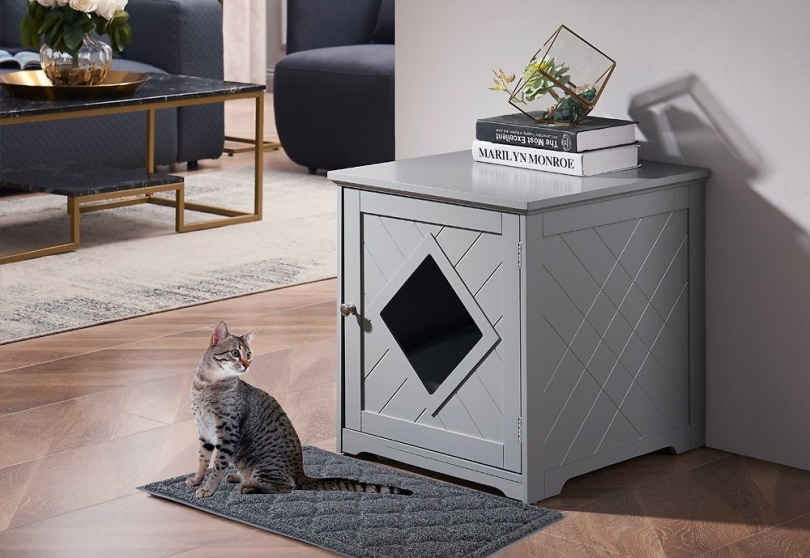
Here are some tips to reduce the allergens in your home and on your cat:
With a little effort and guidance from your veterinarian, you can manage your cat’s allergies and implement lifestyle changes that reduce allergens in your home. This not only benefits your cat, but also benefits the health of yourself and your whole family.
Final Thoughts
Cats can be allergic to a variety of pollutants, including human dander from shed skin cells. More likely, cats are allergic to pollutants in the environment caused by humans, such as soaps, perfumes, cleaning products, and cigarette smoke. In addition, cats may be allergic to environmental allergens like dust or pollen, just like humans. The best way to manage your cat’s allergies is by working with a veterinarian to determine the cause and appropriate treatment.
See Also:
Featured Image Credit: Africa Studio, Shutterstock
Get Hepper In Your Inbox


Pet care tips from our vets and experts, straight to your inbox.
You may opt-out at any time. View our Privacy Policy for more information.

Nicole is a lover of animals of all sizes but is especially fascinated with the feline variety. She’s the proud mom of Baby, a Burmese, and works every day so he can relax in the sunshine or by the fire. She’s always had a cat in her home and has spent countless days with others, observing behaviors and softening up even the grouchiest of the lot. Nicole wants to share her kitty expertise with you so you and your cat can live happy, healthy, and care-free.
Join the conversation
Ask a question, share your story, or send private feedback.