Hepper is reader-supported. When you buy via links on our site, we may earn an affiliate commission at no cost to you. Learn more.
How to Get Rid of Your Cat Allergies Naturally: 11 Vet-Approved Ways



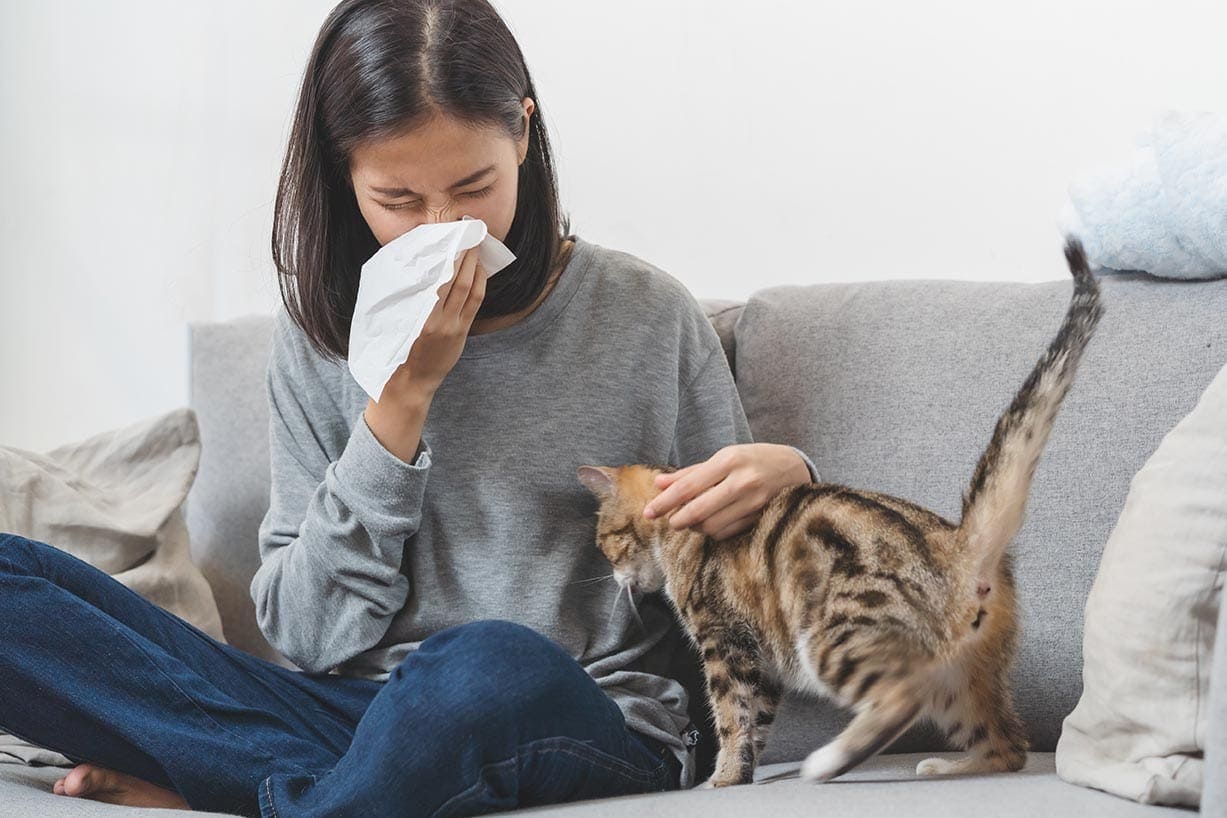
It can be frustrating trying to find the happy medium between interacting with cats and dealing with allergy symptoms for cat lovers with cat allergies. Many people are constantly trying to find ways to get rid of their cat allergies, whether naturally or otherwise.
Unfortunately, there’s no way to eliminate your cat allergies. However, there are many changes you can make in your home that will help reduce the allergens in the environment and decrease your reaction to your cat’s allergens. Here are some ways you can help alleviate your cat allergies.

What Causes Cat Allergies?
Somewhere around 10% of the population of the US has allergies to pets, but the true cause of these allergies is unknown. Many people incorrectly assume that they are allergic to pet hair, but this is not the case. Understanding what causes allergies to cats can help you make informed decisions about finding ways to decrease the allergens in your home.
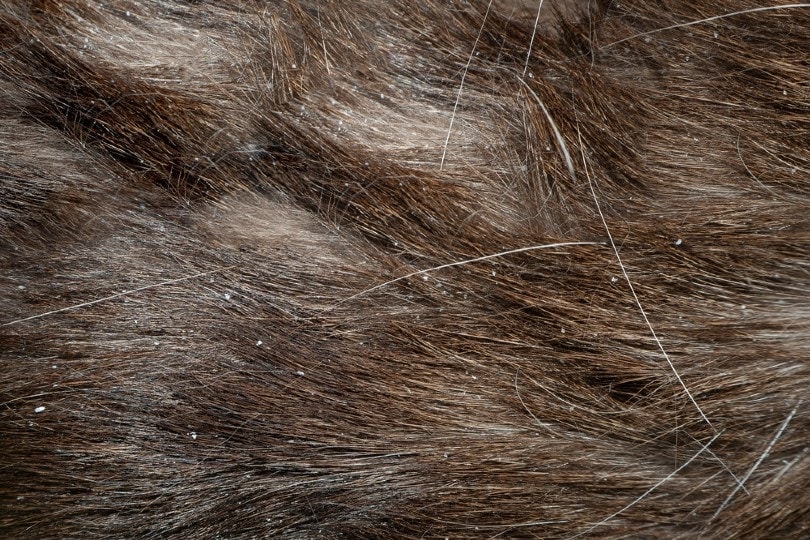
Allergies to cats are allergies to specific proteins that cats produce. These proteins are present in saliva, urine, and dander. Pet dander is often associated with hair, but it is, in fact, small skin flakes. This means pet hair can have dander present on it, but it doesn’t have to.

The 11 Ways to Alleviate Your Cat Allergy Symptoms
1. Change your laundering habits.
Regularly washing all washable fabrics in your home will help significantly reduce the allergens in the house. This includes your cat’s bedding and any washable fabrics that your cat spends time on, like blankets and sheets.
You should also wash your clothes after every wear to reduce the allergens that collect on your clothing. Make sure you’re keeping your worn clothes in a laundry hamper or somewhere else that keeps them gathered in one space. This way, you can keep your worn clothes out of the way and not have to handle them before you wash them.
2. Use an air filter.
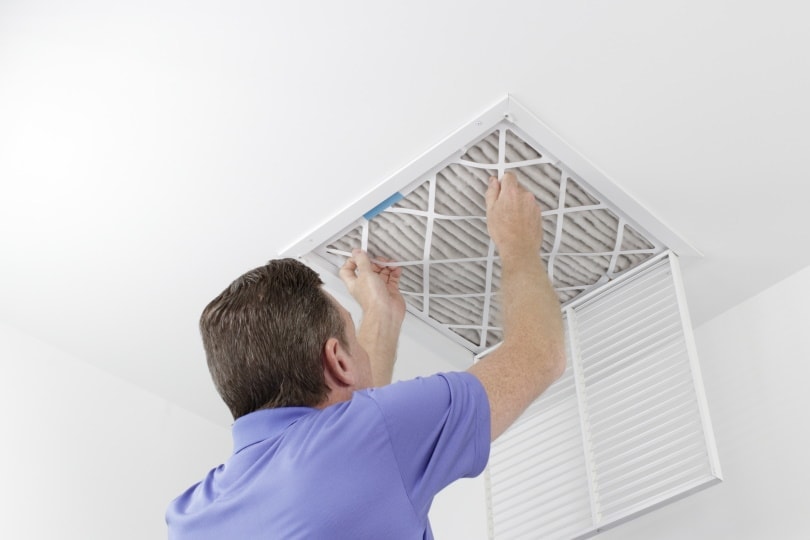
There are two air filter options that will help decrease allergens in your home. One is the filter in the air system in your home. It’s usually recommended to change these filters every three months, but in multi-pet homes or homes of people with pet allergies, they can be changed monthly. If possible, invest in a higher-quality filter for your air system. All the airflow in your home will go through this filter, so you want something high quality and can catch fine dander particles.
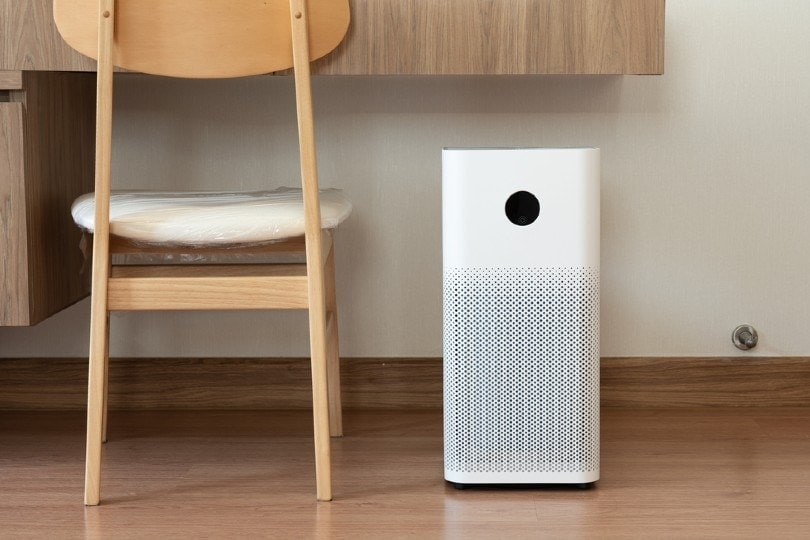
The second filter you can invest in for your home is a high-quality standalone air filter, preferably a HEPA filter. HEPA filters are microfilters that can capture almost all of the allergens in a room. High-quality standalone filters can be quite expensive, though, so choosing which room or rooms of your home will benefit the most from the filter will help you get the most out of your money.
3. Dust your house.
By dusting your home at least weekly, you can decrease the allergens that settle on surfaces. The allergens that settle on surfaces, like shelves and electronics, can easily get stirred up into the air, making your allergies worse.
When dusting, use a dusting spray and spray it directly on the surface when possible. This will make the dusting product more effective and decrease the allergens that get stirred up in the air when you dust.
4. Vacuum regularly.
You should aim to vacuum your home at least once per week. Unfortunately, some people trying to control allergens end up vacuuming too much. When you use a low-quality vacuum or a vacuum that needs its filter replaced, you can potentially stir up more allergens than you’re vacuuming up.
To avoid this, invest in a vacuum with a HEPA filter or something similar. Using a high-quality vacuum with a great filter, along with daily vacuuming, can decrease the allergens in your home.
5. Brush your cat.
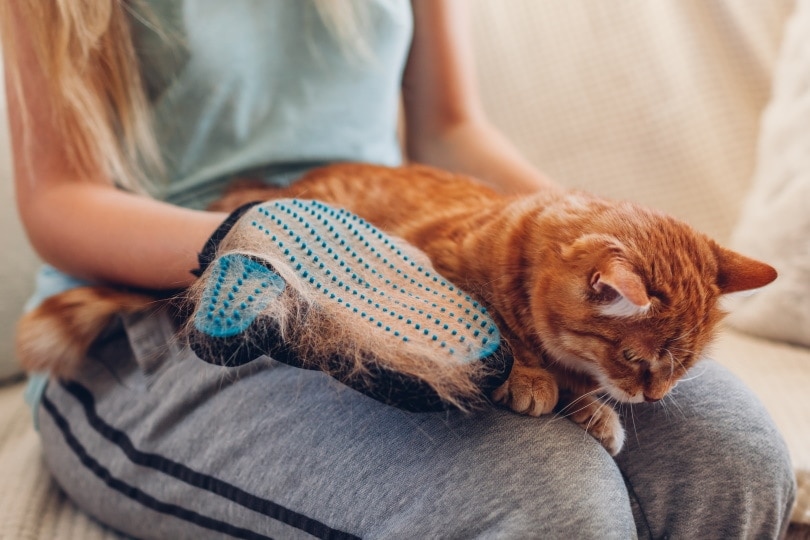
Brushing your cat every day or two can help significantly reduce the allergens being shed. Brushing can remove loose dander and decrease the saliva on your cat’s hair from your cat grooming itself. For some people, it’s necessary to wear a mask when brushing a cat to reduce allergen exposure.
6. Consider bathing your cat.
Bathing your cat is not going to be the solution for every situation, and some cats simply will not tolerate being bathed. If your cat allows it, though, bathing can be a fantastic way to reduce the allergens shedding from your cat. Bathing removes even more allergens than brushing alone, and it flushes them down the drain, so your contact with them is minimal.
If you choose this route, make sure to clean the bathtub or sink well after the bath. This reduces your exposure when using them for something else later.
7. Consider some changes in your cat’s diet.
There are a few dietary options to help reduce the allergens that your cat sheds in your home. The addition of omega-3 fatty acids, primarily through the addition of fish oil to the diet, can improve the health of your cat’s skin and coat, reducing the build-up of allergens on your cat's body and what they shed in your home.
There are also some specialized diets on the market now that are formulated to help reduce allergen shed from cats. You can talk to your cat’s veterinarian to see if this option might be suitable for your feline friend. Some people feel that the switch to a raw diet helps reduce the allergens their cats produce, but most vets don’t recommend raw diets for multiple reasons. This is a decision you should only make in conjunction with the support of your veterinarian or a board-certified veterinary nutritionist.
8. Set boundaries for your cat.
This is one of the most difficult tasks on the list because it involves changing habits and re-training your cat. If your allergies are moderate to severe, you may benefit from having some cat-free areas in your home. The most important areas to make into cat-free areas are places in the home that come in contact with your skin for long periods. The bedroom furniture and linens are the top options.
9. Consider allergy medications.
This is not a natural option, but still worth mentioning. Allergy medication, like over-the-counter antihistamines and nasal sprays, can benefit people with allergies. There are also prescription-strength allergy meds that your primary care provider or an allergist can prescribe if your allergies are more severe.
Herbal supplements may also help reduce allergy issues for some people. Supplements that have shown promise for people with cat allergies include omega-3 fatty acids, stinging nettle, butterbur, and quercetin. Other options may include sinus flushes and lifestyle changes that help improve nutrition and reduce stress.
10. Talk to an allergist.
An allergist is a doctor who specializes in diagnosing and managing allergies. If your allergy symptoms are moderate to severe and are not being managed effectively by medications and changes in your home, an allergist may be a great resource to help identify and care for your allergies.
You may be surprised to learn that people who are allergic to cats may also have other allergies. So, you may be making changes to decrease the cat allergens in your home without realizing that another allergen is causing some of your symptoms. An allergist can help you find the best starting point to care for your allergies when you feel like you’ve tried everything you can at home.
11. Wash your hands.
This one is easy. Wash your hands every time you handle your cat or anything they’ve (or their dander!) touched. This includes your cat’s toys, bowls, bedding, laundry and linens, dusting materials, and air filters.
If your cat spent some time snuggled up on your chest, then wash your hands, arms, and even your face. Try to be vigilant when identifying places your cat may have touched and making sure you get a good clean.
Conclusion
While it can be frustrating to deal with allergies to your cat or other pets, it can be managed. However, managing allergens in the home isn’t for everyone. It takes time and energy, as well as extra cleaning steps on a regular basis, to keep the allergens under control.
Consider areas in your home that may collect cat dander, like air vents and fan blades. By identifying as many places as possible that your cat’s dander may get to, you will be able to effectively control the allergens in your home.
See also:
Featured Image Credit: Image Point Fr, Shutterstock
Get Hepper In Your Inbox


Pet care tips from our vets and experts, straight to your inbox.
You may opt-out at any time. View our Privacy Policy for more information.
After nine years as a veterinary assistant, Brooke Billingsley transitioned to a career as a nurse in 2013. She lives in Arkansas with her boyfriend, sharing their home with three dogs, two cats, five fish, and two snails. A dedicated animal lover, Brooke has a special place in her heart for special needs pets, including a three-legged senior dog and a famous cat with acromegaly and cerebellar hypoplasia. Fish keeping is one of her hobbies, and she is constantly improving her knowledge to care for her aquarium pets. Brooke is an active yoga enthusiast, having obtained her 200-hour yoga teacher certification in 2020. She believes in the importance of continuous learning and dedicates time each day to developing new skills and expanding her knowledge.
Join the conversation
Ask a question, share your story, or send private feedback.