Hepper is reader-supported. When you buy via links on our site, we may earn an affiliate commission at no cost to you. Learn more.
Cymric (Manx Longhair) Cat: Info, Pictures, Characteristics & Facts

In this article
Breed Overview
Height:
Weight:
Lifespan:
Colors:
Suitable for:
Temperament:
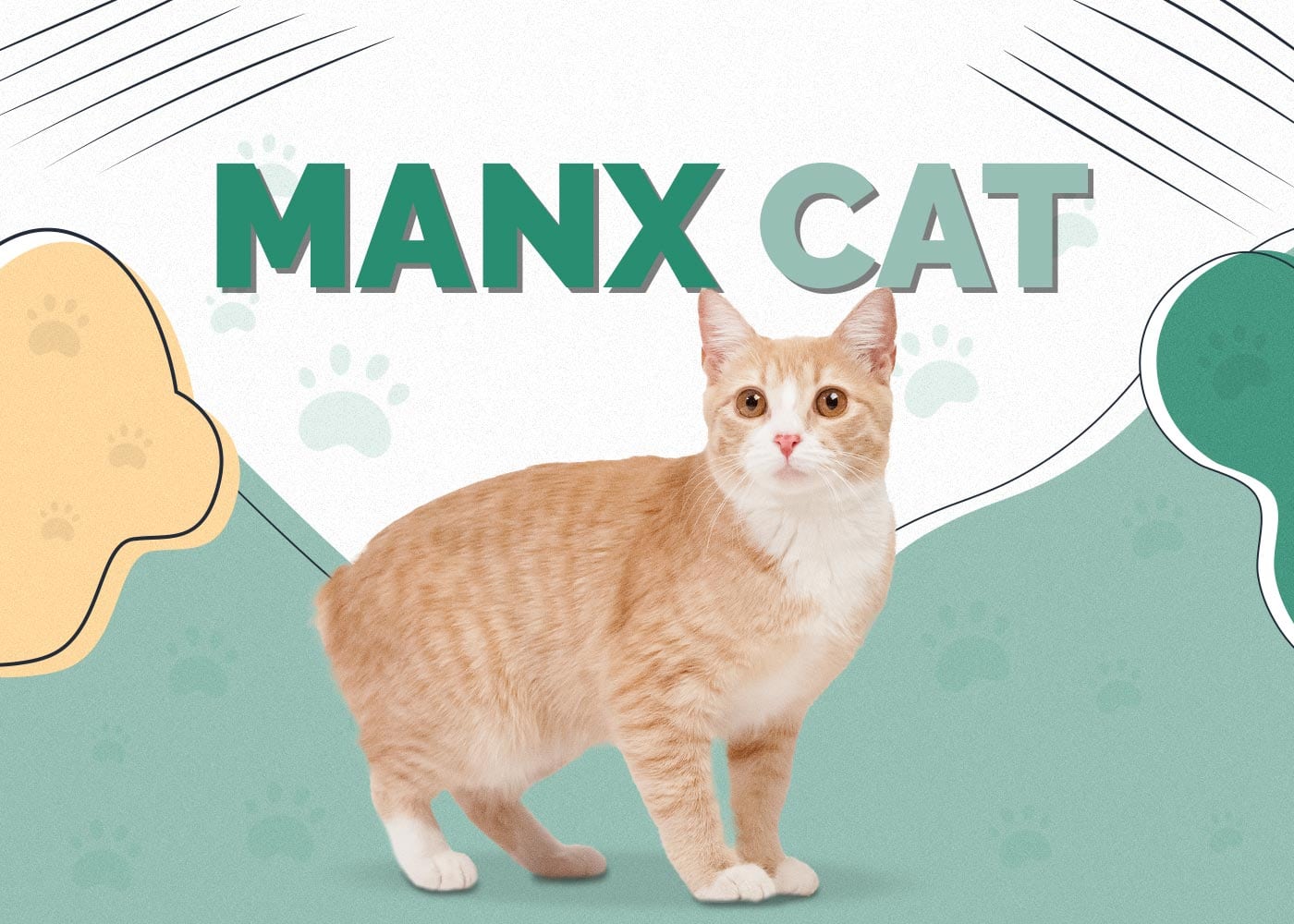
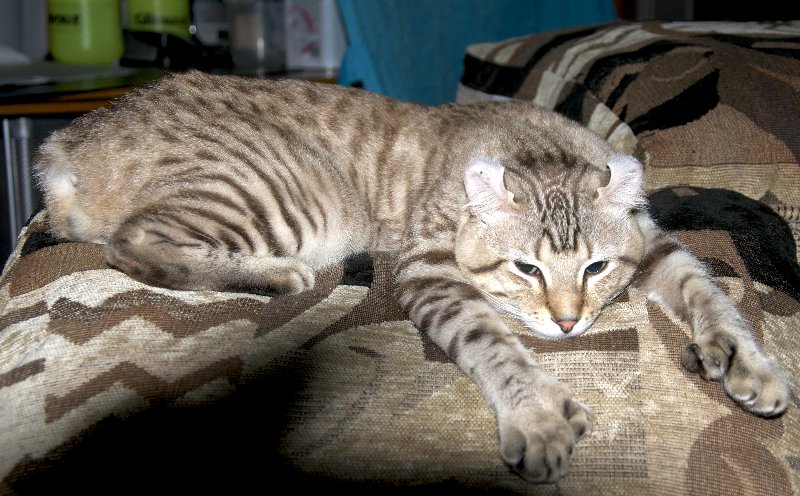
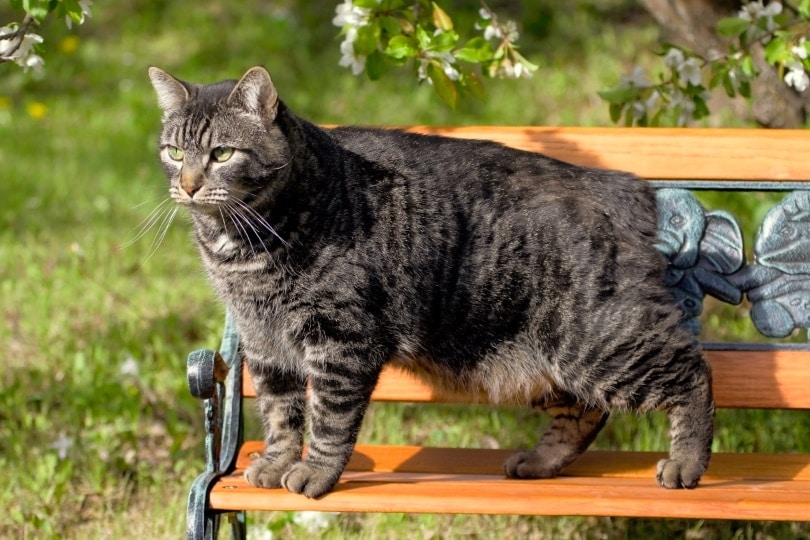
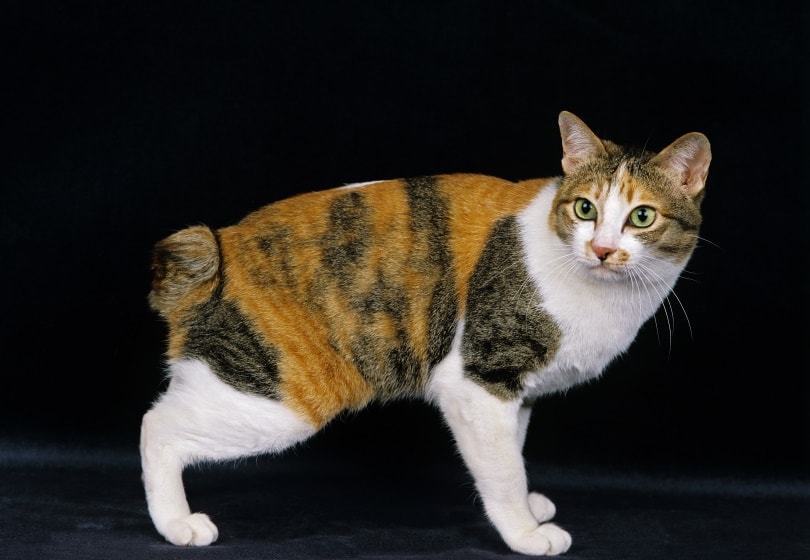
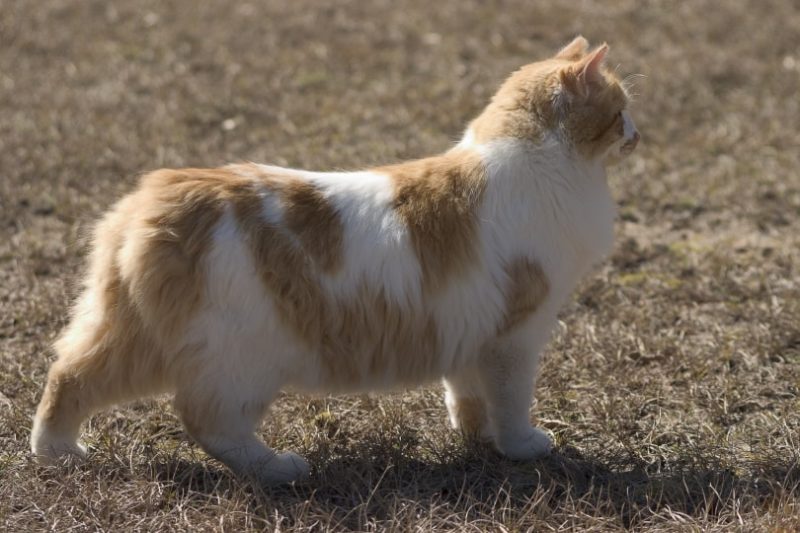
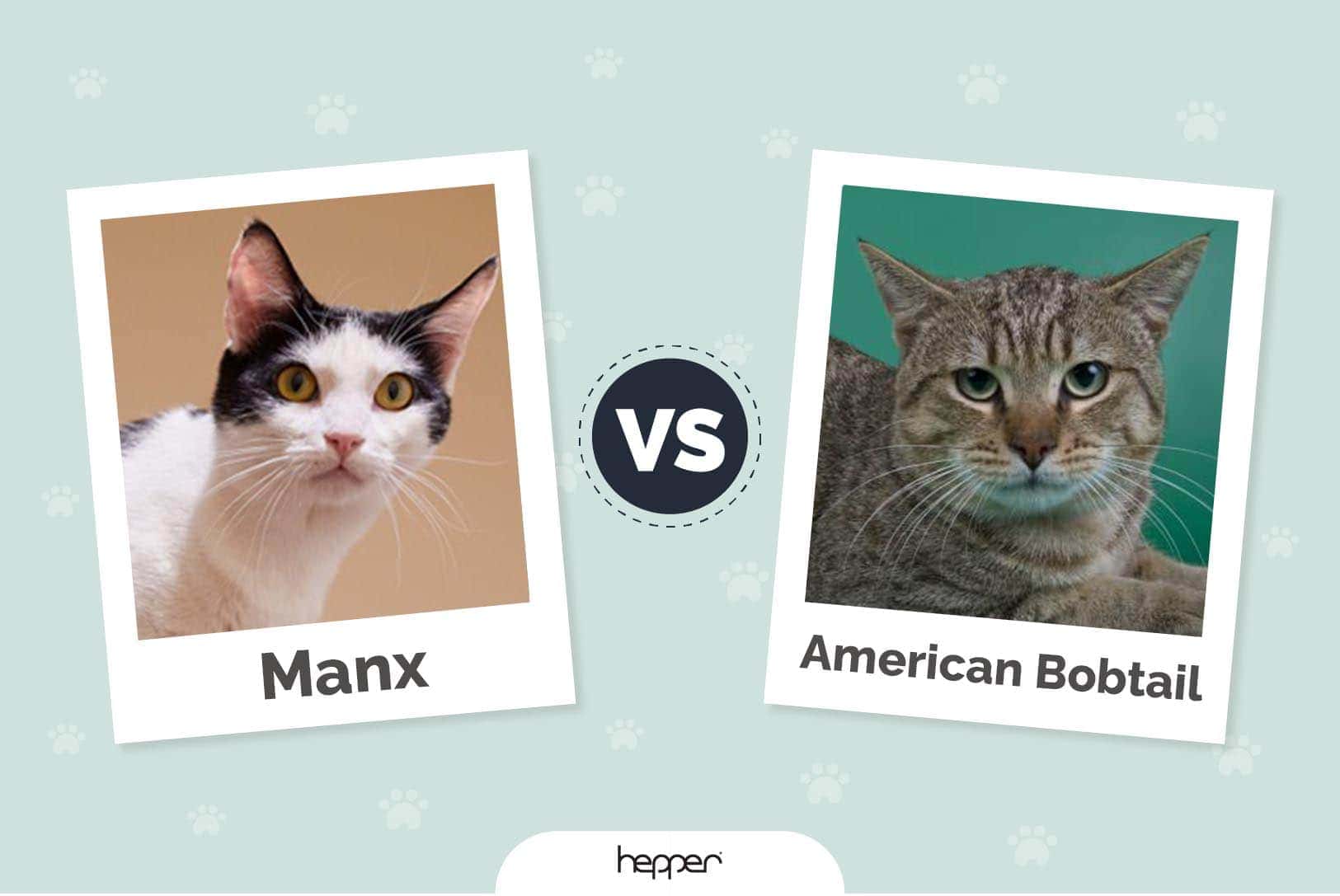
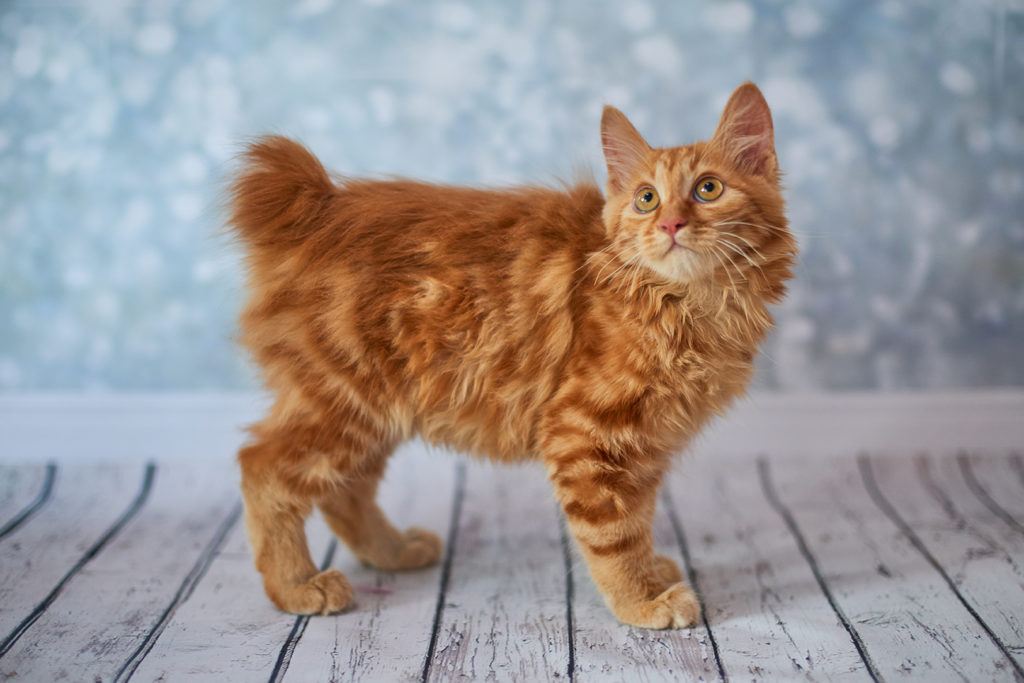
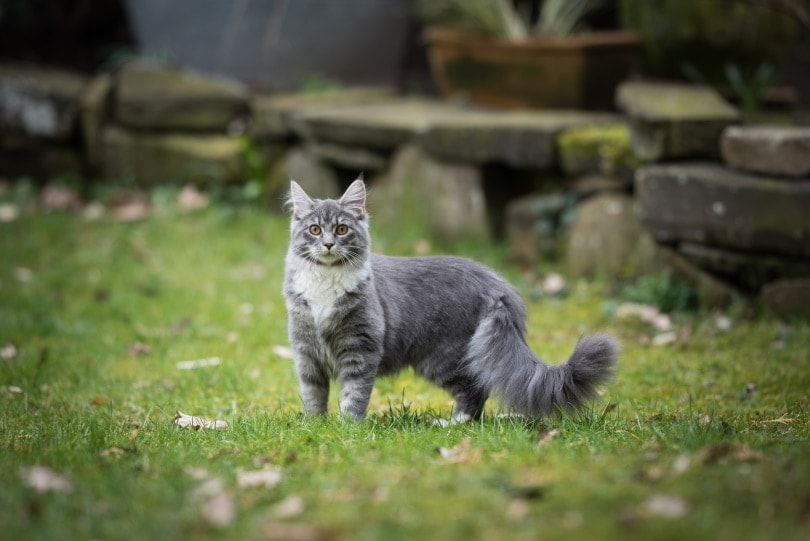
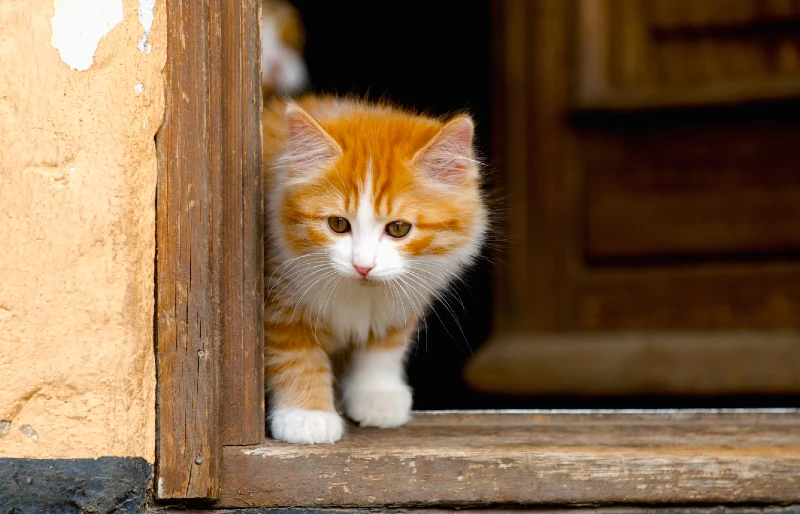
Meet the Cymric (or Manx Longhair)! This adorable kitty is known for its lack of tail (and the folklore surrounding that lack of tail), though some Cymrics do have short, stubby tails, and a few might even have long tails. As a longhair version of the Manx, the Cymric is nearly identical in personality and appearance.
Though the Cymric has been around for a while, it only started to gain recognition in the 1970s. 1976 was when the Canadian Cat Association recognized the breed and granted them championship status1. After that, other cat associations began recognizing the Cymric, and in 1994 the Cat Fanciers’ Association changed the name to the “Manx Longhair”2.
If you’ve been searching for a new cat, we highly recommend you consider the Cymric. Not only are they beautiful, but they are playful and affectionate, making for a great pet. Here you’ll find everything you should know about this breed!

Cymric (Manx Longhair) Kittens
Cymric (Manx Longhair) Cats Characteristics
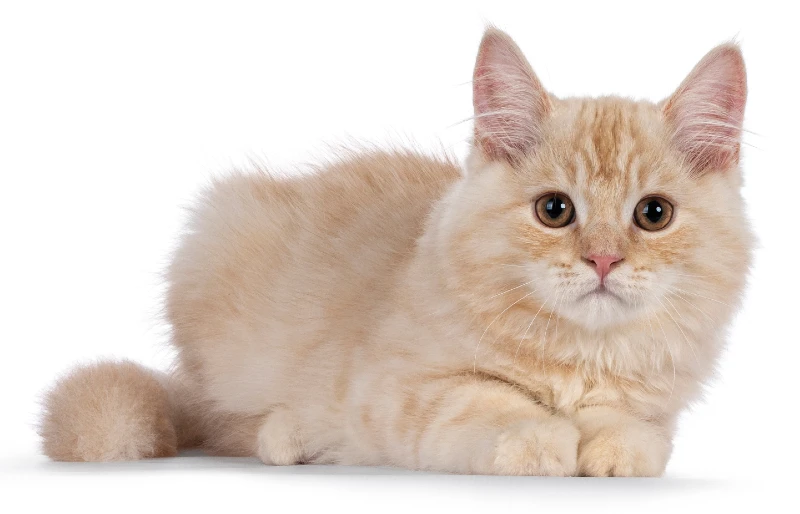
When looking for a Cymric kitten of your very own, you’ll probably have to go to a breeder. You can look at shelters or rescue organizations, but you're unlikely to find one there since this breed is a more uncommon one. If you’re fortunate enough to find a Cymric this way, it will most often end up being an adult cat. However, it will be cheaper to adopt via a shelter or rescue.
When purchasing through a breeder, ensure you’re going with a reputable one who has performed necessary health screenings.
3 Little-Known Facts About the Cymric (Manx Longhair) Cats
1. The breed’s name is Welsh.
Though the Cymric isn’t related to Wales, the name “Cymric” comes from the word “Cymru”, or the Welsh name for Wales.
2. Is it a cat or a rabbit?
Because the Cymric’s hind legs are taller than its front, it was, at one time, thought to possibly be the offspring of a cat and rabbit. As a result, the breed is sometimes jokingly referred to as “cabbits”.
3. The most interesting folktale about how the breed lost its tail involves Noah and the ark.
Throughout time, there have been many versions told of how the Cymric lost its tail, but possibly the most interesting one is that the cat was sleeping when Noah was loading animals onto the ark. When it awoke, it made it onto the boat as Noah was shutting the door—which its tail got caught in. Hence, no more tail!

Temperament & Intelligence of the Cymric (Manx Longhair)
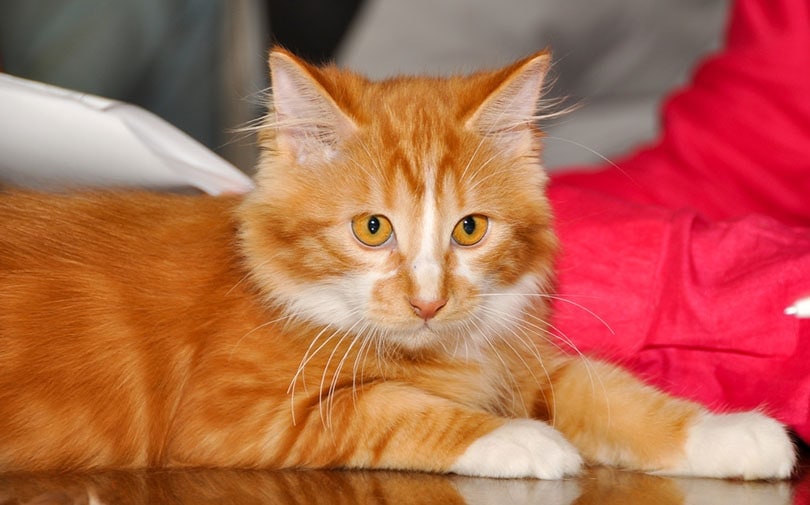
The Cymric is a smart and gentle cat breed with great hunting instincts. Because they were initially bred to be mousers, you’ll find that with this cat around, you don’t have to worry about rodents hanging about. Those mouser instincts also make them a fabulous “watch-cat”—they'll growl or attack if they think something is wrong.
When they aren’t in protective mode, though, the Cymric is gentle and incredibly laidback. They love to hang with their humans and are exceptionally social. This breed is also quite affectionate and will be eager to bunt you to ask for love and petting.
Don’t let their chill nature fool you, though. The Cymric is incredibly active and loves to play, and will involve themselves in your daily life! Trust us, you’ll have no trouble engaging these kitties. However, their social and active natures mean they aren’t great at being on their own for long periods.
The Cymric is also incredibly smart. You can teach them to open doors, fetch, and more. This intelligence means they need to be kept busy, though. A bored feline is a destructive one! Ensure you have plenty of puzzle toys to keep them occupied, especially when you aren’t around.
Are These Cats Good for Families? 👪
The Cymric is a breed that loves to spend time with people. They are affectionate and love to play but are also reasonably laidback. This combo makes them a great pet for families with children. However, you’ll need to teach your little ones how to interact with the cat so they aren’t rough with it. Introducing the two at young ages will help significantly with socialization. Don’t leave kids and kitty alone, though, until you know they are able to get along well.
Does This Breed Get Along With Other Pets?
Because the Cymric has such a chill personality but also loves to play and be active, they should get along perfectly fine with other pets (including dogs). Socializing your pets early on is always helpful in the quest for interspecies friendship, too. You can even teach the Cymric to leave pets like fish and birds alone! When it comes to introducing pets to each other, go slowly, don’t force interaction, and don’t leave them alone together until you know for certain no one will be hurt.


Things to Know When Owning a Cymric (Manx Longhair):
As with every cat breed, there are several things you should know before adopting a Cymric, other than what its personality is like. Things you’ll need to know include how to properly care for your new pet and what potential health issues to watch out for.
Food & Diet Requirements
When it comes to feeding your Cymric, you’ll need to be careful how much you give them at mealtimes. Cymrics are fond of eating, which makes them more prone to obesity (and obesity is already one of the number one diseases in felines). Obesity in cats has been associated with other diseases, such as diabetes and heart disease.
Talk to your vet about how much you'll need to feed your Cymric each day, and keep to a meal plan rather than free feeding them. Sticking to meals at certain times of the day will help reduce the chances of overeating.
And if you aren’t sure what kind of food you should be feeding your Cymric, talk to the breeder or your vet for recommendations.
Exercise 🐈
We tend to think less about exercise for cats than we do dogs, but cats need daily exercise as much as pups do. Because the Cymric is active and playful anyway, you shouldn’t have too much difficulty ensuring they get enough exercise. You can encourage daily activity by playing with them and their toys, such as wands or other things they can chase and hunt. You can even teach your Cymric to play fetch if you’re so inclined.
Just 15–20 minutes of playing with your cat each day should keep them active and healthy.
Training 🧶
Much like with exercise, we don’t often consider that we can train our cats like we would our dogs. Admittedly, some cat breeds don’t do as well with training, but that isn’t the case with the Cymric. Cymrics are incredibly intelligent, making them relatively easy to train.
You’ll need to start early, but with time you can train them to do tricks, fetch, and even how to walk on a leash. You can also train them out of things they shouldn’t be doing, such as jumping on counters or scratching furniture.
Grooming ✂️
The Cymric’s medium-length double coat may seem like a pain to take care of, but it is actually rather simple to keep silky and plush. It only requires daily brushing to remove loose hairs (which will help reduce shedding, too!) and prevent tangles and mats. You really don’t need to bathe your cat as cats are known for their fastidious natures, but if your Cymric’s coat starts to look clumpy or greasy, a bath could be in order.
You should also regularly look at the ears and check for wax build-up or dirt. If you see anything, wiping with a damp cloth should be enough to take care of it. They may occasionally develop build-up around their eyes as well, so take a damp cloth to that if it happens.
Other than that, you really only need to ensure their nails are kept trimmed and their teeth are healthy. Brushing their teeth every day (or as often as they’ll let you) will help. If you can’t manage daily brushing (it is a challenge, we know!), once a week is a goal to aim for.
Health and Conditions 🏥
Though the Cymric is a fairly healthy breed, all cat breeds will have certain illnesses and diseases they are more prone to, and the Cymric is no exception. Here’s what you should keep an eye on.
Male vs. Female
When it comes to male and female Cymrics, you won’t find much difference in either looks or personality. A male Cymric may be a tiny bit larger than a female but otherwise will look the same. And both genders will have sweet, laidback, playful personalities. Whether a male or female cat is the right fit for your family will come down to your personal preference.
Final Thoughts
The Cymric (Manx Longhair) is a wonderful cat breed with a fascinating history full of folklore. These sweet, affectionate, playful animals make great family pets due to their laidback natures. And overall, they are fairly hardy, with most health issues being related to their lack of a tail. Taking care of them isn’t all that difficult, either—your biggest responsibilities there will be making sure they don’t overeat, playing with them each day, and brushing out their coats. If you and your family have been wanting a new cat, we absolutely recommend the Cymric!
Related Reads:
Sources
Featured Image Credit: Nynke van Holten, Shutterstock
Get Hepper In Your Inbox


Pet care tips from our vets and experts, straight to your inbox.
You may opt-out at any time. View our Privacy Policy for more information.
Misty Layne lives out in the woods in small-town Alabama with her two Siamese—Serafina and Jasper. She also has an array of stray cats, raccoons, and possums who like to call her front porch home. When she’s not writing about animals, you’ll find her writing poetry, stories, and film reviews (the animals are, by far, her favorite writing topic, though!). In her free time, Misty enjoys chilling with her cats, playing piano, watching indie and foreign films, photographing abandoned places, and catching up on her never-ending TBR list.
Join the conversation
Ask a question, share your story, or send private feedback.