Hepper is reader-supported. When you buy via links on our site, we may earn an affiliate commission at no cost to you. Learn more.
Daisy Dog: Info, Pictures, Characteristics & Facts
Breed Overview
Height:
Weight:
Lifespan:
Colors:
Suitable for:
Temperament:
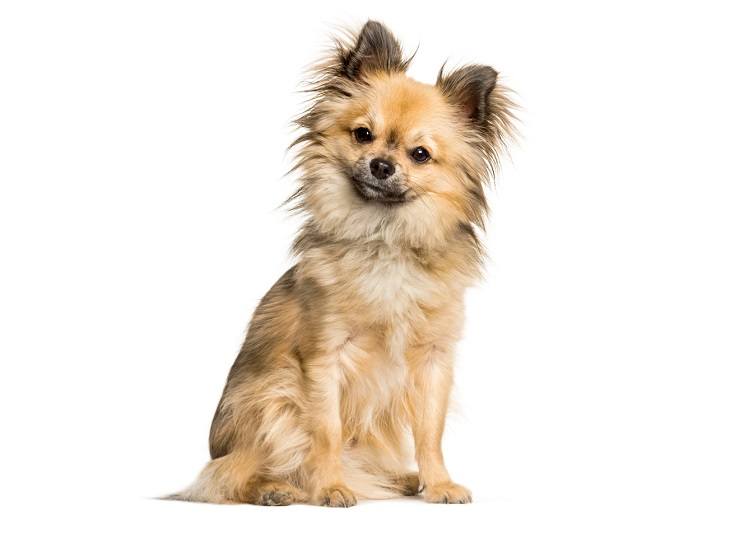
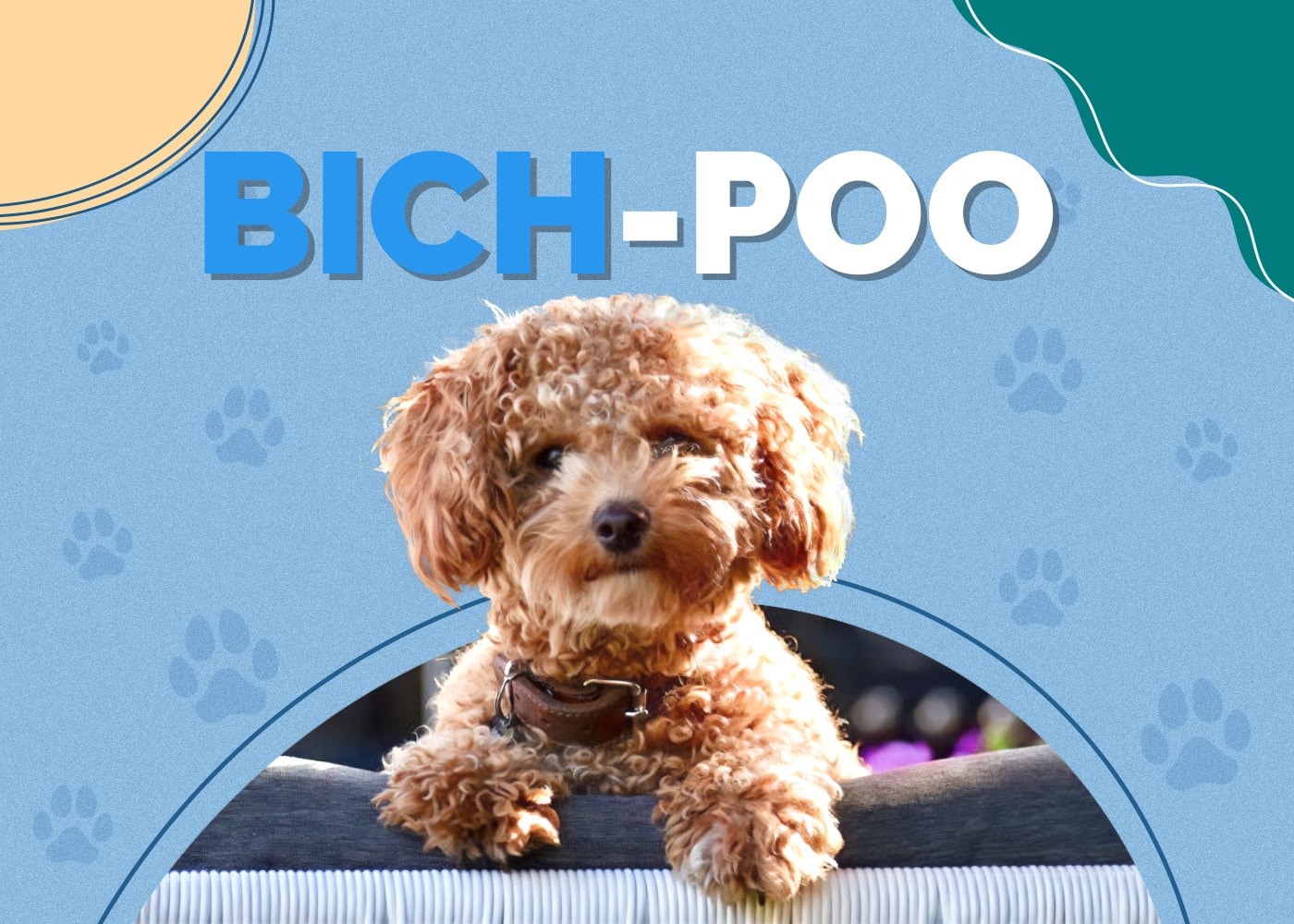
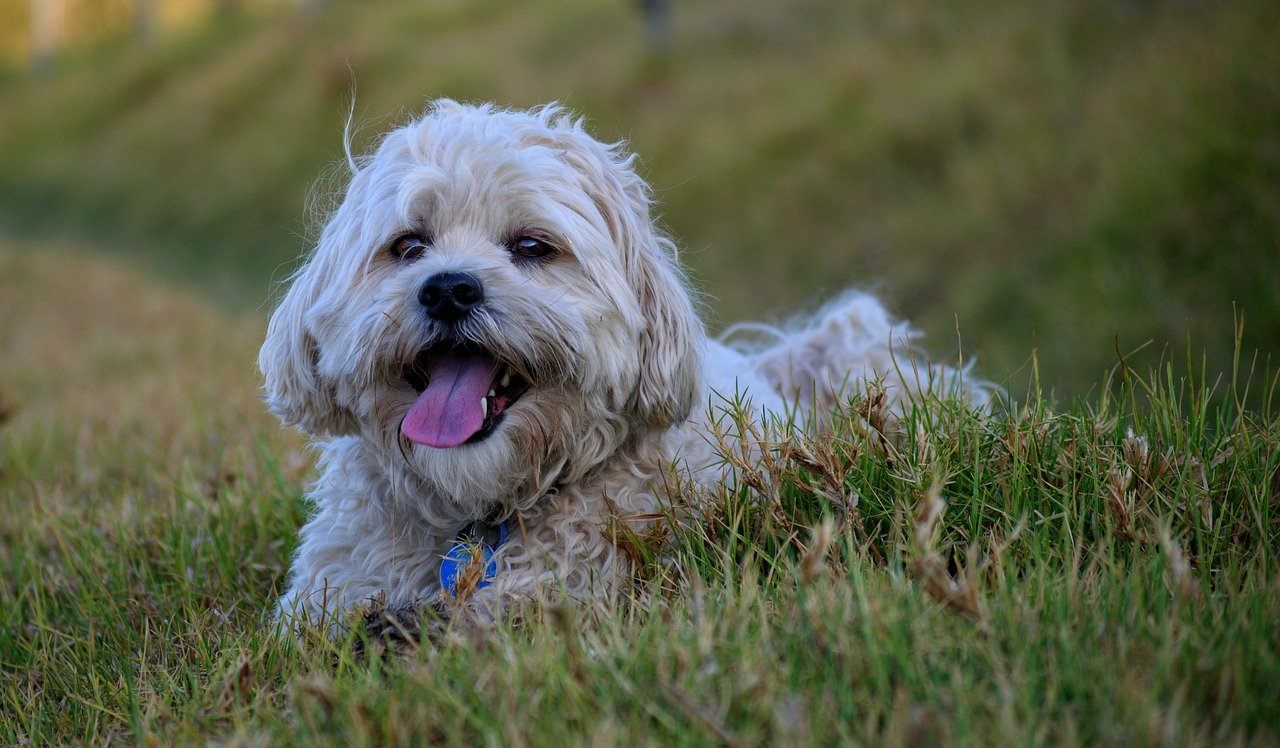
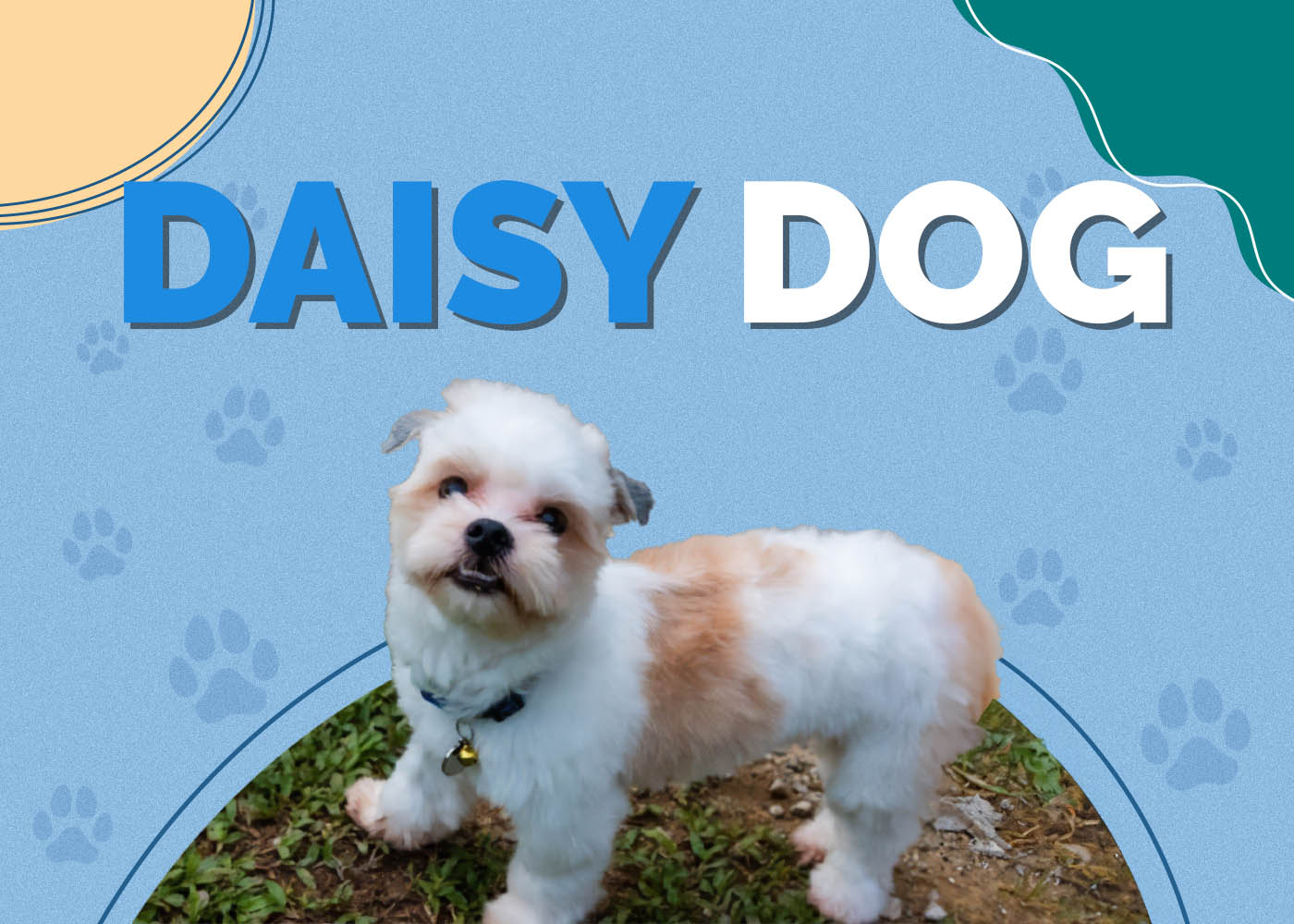
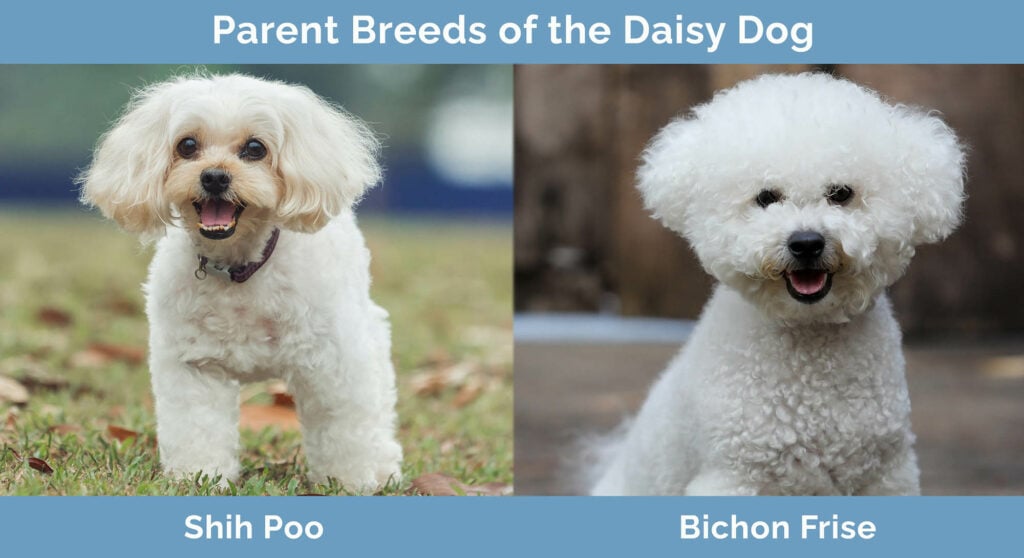
The Daisy Dog is a mix of three parent breeds: the Shih Tzu, the Bichon Frise, and the Poodle. This small pup is full of love and affection, and they are generally happy dogs that bring joy to those around them.
Although no dog is completely hypoallergenic, the presence of Poodle in this pup’s parent breeds does make them less of an issue for those with allergies, as they don’t spread their dander around as easily as dogs that shed. This breed is very sociable and generally doesn’t bark much, so while Daisies can adapt well to apartment life, they won’t be great guard dogs — they’ll probably end up befriending anyone who comes into your house, whether you welcome them in or not!
There’s a lot to learn about this hybrid dog breed, so keep reading to learn everything you need to know to decide if this is the dog for you.
Daisy Dog Characteristics

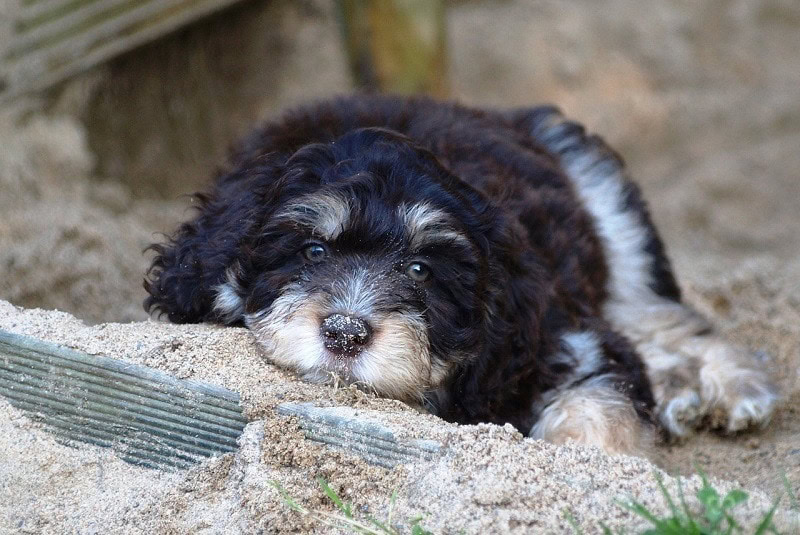
Daisy Dog Puppies

Daisy Dogs are very small when they’re young, even in terms of puppies. Their petite size makes them adorable and irresistible to many people. But before you dive in and double down on the cuteness factor, you need to know what owning one of these pups entails.
Given its size, your Daisy Dog puppy needs to be handled with extreme care. This breed is prone to joint issues, and those can be exacerbated from a young age if they aren’t handled delicately. These dogs will love energetic play, but as puppies, especially, you should be careful not to let themselves get too rowdy. Even play that seems harmless can cause problems for your pooch later in life.
Lastly, some breeds are okay if left alone for portions of the day, but the Daisy Dog isn’t one of them. This dog craves attention from their human counterparts, and they don’t fare well with loneliness. If left alone for too long they may exhibit some destructive behavior.
Temperament & Intelligence of the Daisy Dog 🧠
The temperament of a Daisy Dog is astoundingly friendly and adoring. This dog may be small, but they’re packed full of seemingly unending love for just about any person they meet. They are both emotionally needy and intelligent, which means they thrive when they have interactive, playful, and loving humans around them.
Are These Dogs Good for Families? 🏡
Daisy Dogs don’t do well in isolation, so the bigger the family the better! They will play with, relax with, and happily spend time with any member of your family, your friends, their family, or their family’s family!
These pups are also mildly energetic, so they’re able to adapt pretty well to many different kinds of people throughout the day. They’ll happily snooze next to you while you work, enjoy some lap time while you watch TV, or play with your kids outside. They are great with children—just make sure your kids know how to handle and respect your Daisy Dog so both parties avoid getting hurt.
Socialization is important for all dog breeds to establish good behaviors and acceptance around people, and while Daisy Dogs are no exception, they will likely have the ability to interact well with humans built in from puppyhood.
Does This Breed Get Along with Other Pets? 🐶 😽
Daisy Dogs are as welcoming to other animals as they are to humans, and this includes other pets you may already have as well as dogs they meet on walks or at dog parks. They are non-aggressive and non-dominant, so the biggest worry you should have when your Daisy Dog is social is how the other animal will respond to them.
Daisy Dogs have a low prey drive, so it’s unlikely they will be found trying to chase squirrels, rabbits, or other animals they may encounter in your yard or on walks.

Things to Know When Owning a Daisy Dog:
Food & Diet Requirements
The Daisy Dog is a small breed with a relatively low energy level, so you should choose a high-quality commercial dog food that is formulated for your pup’s build and activity level.
Choosing a food that is high in protein and lower in fats and carbs is important for Daisy Dogs. Remember, this breed is prone to joint issues, so avoiding weight gain and obesity—which is a common problem for small dogs—is essential for your pup’s joints and overall health. You should also be careful not to overfeed your furry friend too many treats during your positive reinforcement training for the same reasons.
Expect to feed your Daisy Dog one to two cups of dry dog food each day spread out through the day, or consult your vet for best feeding practices for your specific dog.
Exercise 🐕
Daisy Dogs are low-energy and therefore require little exercise to stay healthy and happy. A brisk, 30-minute walk once a day should be plenty for your pup, but note that their energy can adapt a bit to your lifestyle. If you go on slightly longer or more frequent walks, this breed will happily join you.
Be careful not to underexercise your pup, as this can lead to the aforementioned issues of weight gain and joint issues later in life. As much as your dog will love exercise, they’ll be very happy relaxing on your lap or by your side. Don’t take this willingness to lounge as a sign that your dog doesn’t need to get out for walks. Not providing the right amount of exercise is not only unhealthy but can lead to destructive behavior as well.
Given their intelligence, mental exercise is also important to keep your pup alert, sharp, and properly stimulated. You can easily introduce treat puzzles or toys that will make your dog think to keep them engaged.
Training 🦮
Daisy Dogs are intelligent and exceptionally eager to please their owners, and these two traits make for a highly trainable and obedient dog. Your pup will pick up commands with ease and making them stick will be very easy with some routine and even moderate consistency.
As we mentioned earlier, these dogs are sensitive, so it’s best to use treats and verbal praise to get your pooch to understand and internalize commands.
Grooming ✂️
Grooming your Daisy Dog will involve brushing with a wire brush one to two times a week. Because of the lack of shedding and the presence of medium-length hair, brushing regularly will prevent matting and tangling.
Because Daisy Dogs don't shed, you’ll need to take your pooch to the groomer for haircuts. Once a month is a good time frame, but make sure that your dog’s hair never becomes an annoyance or hindrance for them. Hair can easily grow over their eyes, and this means a haircut is overdue.
Regular bathing about once a month will keep your pup’s coat clean, and weekly or bi-weekly ear cleaning and teeth cleaning will prevent ear infections and gum and tooth issues that can be common in small dogs.
See Also: 11 Best Dry Dog Shampoos
Health and Conditions ❤️
While crossbreeding often reduces the risks of medical issues that are common in parent breeds, the Daisy Dog does have some problems that you’ll want to keep an eye out for.

Male vs Female
Male Daisy Dogs might be slightly more energetic and playful, but this is likely the only difference you’ll notice between the different genders in this breed. Both males and females will very likely be loving and accepting of those around them, and neither is likely to show aggression or dominance.

3 Little-Known Facts About the Daisy Dog
1. Their Origin is a Bit Cloudy
It’s likely that the Daisy Dog started becoming popular during the designer dog movement in the 1980s, but where they originated depends on whom you ask.
One breeder from Michigan, Jennifer Peterson, has several websites dedicated to this hybrid breed, and she maintains that the original Daisy Dog was created by her mother in the 1950s long before other breeders tried to copy her “recipe,” as she calls it. The truth is largely unknown, but the mystery doesn’t bother most Daisy Dog owners—the pup is just as loveable no matter where they originated!
2. Daisy Dogs Are Sensitive Little Pups
These dogs are affectionate and emotional, and they’ll react to how you speak to them and interact with them accordingly. They seem to be capable of a wide range of emotions, and if you’re loud or forceful with them, they likely won’t deal with it well.
This is especially important when training. You should be prepared to use positive reinforcement like treats, positive vocal encouragement, and petting. If you find your Daisy Dog exhibiting undesirable behavior, try not to raise your voice or become angry. Instead, use positive training methods to enforce good behaviors over bad ones.
3. Daisy Dogs Are Very Possessive
Despite their friendly and sociable tendencies and unassuming size, these dogs can be very possessive of toys, blankets, or beds that belong to them—or things they think belong to them!
While your pup likely won’t bark or growl if someone tries to take away their belongings, they will try to protect them and keep them in their possession. This breed gets very attached to their things, so be prepared for very old toys to remain in your house—otherwise, prepare for an unhappy pup.
Final Thoughts
Daisy Dogs are tiny and adorable from the time they’re puppies all the way through adulthood, and you’d find it difficult to choose a breed that will be more welcoming and accepting of every person and every other animal they come in contact with. This dog will love spending time with whomever or whatever is around.
They do need emotional stimulation and attention, so while they make great apartment dogs due to their size, infrequent barking, and low exercise requirements, they won’t do well in homes where people are out for long periods of time. These dogs need your attention—luckily they’re so cute, so you won’t want to stop giving it!
For a pup that will be active with you or your family, relax and snuggle, get along with everyone they meet, and show you love and affection through it all, the Daisy Dog is a tough breed to beat.
Featured Image Credit: Spiky and I, Shutterstock
Get Hepper In Your Inbox


Pet care tips from our vets and experts, straight to your inbox.
You may opt-out at any time. View our Privacy Policy for more information.

Nicole is a lover of animals of all sizes but is especially fascinated with the feline variety. She’s the proud mom of Baby, a Burmese, and works every day so he can relax in the sunshine or by the fire. She’s always had a cat in her home and has spent countless days with others, observing behaviors and softening up even the grouchiest of the lot. Nicole wants to share her kitty expertise with you so you and your cat can live happy, healthy, and care-free.
Join the conversation
Ask a question, share your story, or send private feedback.